Önizleme yap
 Paylaş
 Paylaş
 Detayları Gör

 İndir
İndir
 Benzerlerini gör
 X-Işını
 Slayt Gösterisi
 İstatistikler
Salome
 Oil On Panel
- WallArt
- Northern Renaissance
 1530
1530- Renaissance
 87.0 x 58.0 cm
 Museum of Fine Arts
 Tümünü Gör
Giclée / Sanat Baskısı
Hızlı üretim ve esnek bitiş seçenekleriyle müze kalitesinde giclée veya kanvas baskı. ( El yapımı tablo satın al Dijital Görsele Geç)




P118B $10

P118H $10

P118W $10

P438Z $10

P508JH $12

P508YH $12

P805H $10

P805Z $10

P919BZ $10

P919G $10

P919XJ $10

P959ZH $10

P968JZ $12

W106C $8

W218G $10

W218JH $8

W218Y $10

W307PJ $10

W316G $10

W316PJ $8

W316Y $10

W398PJ $8

W4111J $10

W500HY $15

W500JH $15

W692G $12

W849H $8

W940BG $15

W953PJ $8




Eserin orijinal oranlarıyla uyumlu, önceden belirlenmiş boyutlarımız arasından seçim yapın.

Belirli bir çerçeveye veya alana uyması için kendi ölçülerinizi girebilirsiniz. Seçtiğiniz boyut orijinal görüntünün oranlarıyla eşleşmiyorsa, sanat eserini kırpacağız veya görüntüyü aynalanmış ya da düz dolgulu bir kenarlıkla genişleteceğiz. Üretim başlamadan önce onayınız için bir dijital taslak gönderilecektir.
Lütfen ekrandaki önizlemenin gerçek kırpma veya genişletmeyi yansıtmadığını unutmayın. Nihai kompozisyonu yalnızca taslak doğru bir şekilde gösterecektir.
Özel boyutlar mevcut olsa da, orijinal oranları korumak için önceden tanımlanmış listeden bir boyut seçmenizi öneririz.
Dünya Çapında Teslimat (); standart 4/5 hafta yerine 2 haftada. (13 Eylül)

Dünya Çapında Ücretsiz Ekspres Kargo

Yüksek Kaliteli Keten Tuval

Tam Kapsamlı Nakliye Sigortası

Gümrük Vergisi İade Garantisi

Gerçek Renk Uyumu Garantisi

100 Günlük İade Politikası (Sadece Kusurlu Ürünler İçin)

%100 Para İade Garantisi

Toplu Alım İndirimi
 Cam seçeneği yalnızca 110 cm altındaki boyutlar için mevcuttur.

Salome
Giclée / Sanat Baskısı
Reproduksiyon Boyutu
-


Toplam Tutar
$ 80
A Renaissance Masterpiece of Passion and Peril
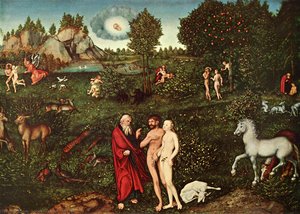
In the quiet halls of the Museum of Fine Arts in Budapest, there exists a painting that captures the chilling intersection of human desire and divine retribution. Lucas Cranach the Elder’s Salome, completed around 1530, is far more than a mere historical illustration; it is a psychological drama frozen in oil on panel. The scene depicts one of the most harrowing moments in biblical lore: Salome, the daughter of Herod Agrippa I, presenting the severed head of John the Baptist upon a platter. Through his masterful command of the Northern Renaissance style, Cranach invites the viewer into a world where elegance and brutality coexist, creating a tension that remains palpable even centuries after its creation.
The composition is a triumph of structural intent, utilizing a pyramidal arrangement to anchor the viewer's gaze. This geometric stability contrasts sharply with the macabre subject matter, drawing our eyes upward toward Salome’s regal yet haunting presence. Cranach employs a sophisticated use of sfumato, softening the edges of the figures to create an atmospheric haze that lends the scene an ethereal, almost dreamlike quality. This technique allows the heavy textures of her opulent gown and the stark reality of the severed head to merge into a singular, cohesive narrative of tragedy.
Symbolism and the Language of Color
Every brushstroke in this work serves a symbolic purpose, designed to provoke deep theological and emotional reflection. The color palette is dominated by rich, commanding reds, seen most prominently in Salome’s magnificent hat and gown. These hues are not merely decorative; they serve as potent signifiers of passion, royal authority, and the blood spilled in the pursuit of vengeance. Interspersed with these deep tones are subtle gold accents that illuminate the scene, elevating the grim subject matter to a level of divine grandeur and reminding the viewer of the high stakes of spiritual judgment.
The bowl containing the head of John the Baptist acts as the painting's emotional and moral fulcrum. It is a vessel of profound duality, representing both the finality of death and the weight of divine justice. As Salome gazes upon her prize, Cranach captures a complex psychological state—a woman caught between the allure of worldly power and the terrifying consequences of her actions. For the collector or the lover of fine art, this piece offers an unparalleled opportunity to possess a work that explores the very depths of the human soul.
An Eternal Inspiration for Modern Spaces
For interior designers and connoisseurs of classical art, a high-quality reproduction of Salome offers a profound sense of history and intellectual depth. The painting’s ability to command attention through its dramatic lighting and saturated colors makes it an extraordinary focal point for a curated collection or a sophisticated living space. It is a piece that does not merely decorate a wall but tells a story, inviting conversation and contemplation.
Whether you are drawn to the meticulous technical precision of the German Renaissance or the hauntingly beautiful narrative of the biblical era, this work stands as a testament to Cranach’s genius. Owning a reproduction of such a significant masterpiece allows one to bring the spirit of the 16th-century masters into the contemporary home, bridging the gap between the historical triumphs of the past and the aesthetic elegance of the present.
Sanatçı Özgeçmişi
Saksonya'nın Rönesans Ustası: Yaşlı Lucas Cranach'ın Yaşamı ve Sanatı
Almanya'nın Kronach kentinde 1472 civarında dünyaya gelen Yaşlı Lucas Cranach, Alman Rönesansı'nın en kilit figürlerinden biri olarak tarihe geçmiştir. Hayatı, muazzam dini ve siyasi çalkantıların yaşandığı bir dönemde şekillenmiş; sanatı ise hem filizlenen Protestan Reformu ile hem de hizmet ettiği görkemli saraylarla ayrılmaz bir bağ kurmuştur. İlk eğitimini babası Hans Maler'den alan Cranach'ın erken dönem sanatsal gelişimi, her ne kadar biraz gizem perdesi altında kalsa da, evrilen üslubunda Güney Alman ustaların izleri açıkça görülmektedir. O, kısa sürede sadece yetenekli bir zanaatkâr olarak değil, teknik hassasiyetin yanı sıra psikolojik derinliği de yakalayabilen bir sanatçı olarak kendini kanıtlamış; bu nitelikler çok geçmeden güçlü hamilerin dikkatini çekmiştir. 1504 yılında Saksonya Seçmeni III. Friedrich'in hizmetine girmesi, kariyerinin büyük bir kısmını tanımlayacak ve ona hem istikrar hem de nüfuzlu çevrelerle temas kurma imkânı sağlayacak olan o köklü ilişkiyi başlatmıştır. Wittenberg'deki saray ressamlığı görevi, yalnızca dekoratif eserler üretmekten ibaret değildi; bu atama Cranach'ı Avrupa tarihinin en dönüştürücü hareketlerinden birinin tam kalbine yerleştirmiştir.Himaye, Reform ve Sanatsal Yenilik
Cranach'ın Sakson sarayındaki konumu, sadece geçim kaynağı için değil, sanatsal gelişimi için de hayati bir önem taşımaktaydı. O, olayları yalnızca belgelemekle kalmıyor, derin değişimlerin yaşandığı bir dönemde görsel anlatıları aktif bir şekilde şekillendiriyordu. En kalıcı mirası, kuşkusuz Protestan Reformu'nun merkezi figürü Martin Luther ile olan yakın bağıdır. Cranach, Luther'in ondan az olmayan on bir portresini yapmıştır ve her biri reformcunun kişiliğine ve değişen rolüne eşsiz bir bakış sunar. Bunlar basit benzerlikler değildi; yerleşik dini düzene meydan okuyan bir lider için elzem olan otorite, dindarlık ve entelektüel gücü yansıtmak üzere titizlikle kurgulanmış imgelerdi. Portre sanatının ötesinde Cranach, Reform teolojisini görsel bir forma dönüştürerek Protestan fikirlerini geniş kitlelere yayan ahşap baskılar ve tablolar üretmiştir. İncil sahnelerindeki tasvirleri, geleneksel Katolik ikonografisinden uzaklaşarak kutsal metinle doğrudan etkileşimi vurgulamış ve izleyici ile inanç arasında daha kişisel bir bağ kurulmasını sağlamıştır. Örneğin, Joachim'e Müjde eseri, reformcu kilise içindeki bireysel dindarlığa verilen yeni önemi yansıtarak neşeli bir ruh yayar. Bu yenilikçi yaklaşım dini konuların ötesine de taşmıştır; Cranach'ın Venüs ve diğer klasik figürleri içeren mitolojik tabloları, sıklıkla dönemin siyasi ve sosyal meseleleriyle ilgili alegorik anlamlar taşımıştır.Bir Atölye Hanedanlığı: Üslup ve Teknik
Yaşlı Lucas Cranach, tek başına çalışan izole bir sanatçı değildi. Sayısız asistan ve çırağın görev aldığı, oldukça üretken bir atölyeyi yönetiyordu. Bu iş birlikçi yaklaşım, Cranach'a atfedilen birçok eserin aslında onun yönetiminde veya oğlu Genç Lucas Cranach da dahil olmak üzere çevresindeki üyeler tarafından üretildiği anlamına geliyordu. Cranach atölyesi; uzun oranlı zarif figürler, canlı renkler ve titiz bir detaycılıkla karakterize edilen kendine özgü üslubuyla tanınır hale geldi. Tekniği; yağlı boya, ahşap baskı ve gravürün bir kombinasyonunu içeriyor, bu da ona hem orijinal sanat eserleri hem de uygun fiyatlı baskılar aracılığıyla geniş bir kitleye ulaşma imkânı tanıyordu. Seçmen III. Friedrich'in Geyik Avı adlı eseri, asil sembolizmin yanı sıra detaylı realizmi sergileyerek Kuzey Rönesansı üslubundaki ustalığını örnekler. Kompozisyon dinamiktir; avın enerjisini yakalarken aynı zamanda seçmenin gücünü ve statüsünü aktarır. Cranach'ın ışık ve gölge kullanımı, izleyiciyi sahnenin içine çeken bir derinlik ve atmosfer duygusu yaratır. Portreleri de aynı derecede etkileyicidir; psikolojik içgörü ve rafine icra ile karakterize edilirler.Miras ve Kalıcı Etki
Yaşlı Lucas Cranach 1553 yılında hayata gözlerini yumduğunda, geride bugün bile yankılanmaya devam eden olağanüstü bir sanatsal miras bıraktı. O, portre sanatının bir ustası, dini temaların yetenekli bir yorumcusu ve görsel iletişimin gücünü kavramış kurnaz bir iş insanıydı. Çalışmaları sadece döneminin kültürel ve entelektüel akımlarını yansıtmakla kalmadı, aynı zamanda bu akımların şekillenmesine de yardımcı oldu. Cranach atölyesi, ölümünden sonra da gelişmeye devam ederek üslubunun ve tekniklerinin nesiller boyu yaşamasını sağladı. Etkisi, kendisinden sonra gelen sayısız sanatçının eserlerinde görülebilir ve tabloları dünya çapındaki koleksiyoncular ve müzeler tarafından hâlâ büyük bir ilgiyle aranmaktadır. Martin Luther'in ikonik portrelerinden büyüleyici mitolojik sahnelere kadar Cranach'ın sanatı, Alman Rönesansı dünyasına büyüleyici bir pencere açıyor; hem derin ruhsal sorgulamaların hem de sanatsal yeniliklerin damga vurduğu bir dünyaya... Dini coşkuyu, siyasi zekayı ve sanatsal yeteneği harmanlama becerisi, onun çağının en önemli sanatçılarından biri olarak yerini sağlamlaştırdı ve katkıları yüzyıllar sonra bile izleyicileri büyülemeye devam ediyor.
Yaşlı Lucas Cranach
1472 - 1553 , Almanya
Kısa Bilgiler
- Artistic Movement Or Style: Norddeutsche Renaissance
- Artists Or Movements Influenced By This Artist: ['Martin Luther']
- Artists Who Influenced This Artist: ['Hans Maler']
- Date Of Birth: 1472
- Date Of Death: 1553
- Full Name: Lucas Cranach der Ältere
- Nationality: Alman
- Notable Artworks:
- Jagd der Hirsche
- Selbstbildnis
- Ankündigung an Joachim
- Place Of Birth: Kronach, Almanya
İlgili Makaleler

Crimson Threads of Narrative: Exploring Symbolism & Representation in Artworks Featuring the Red Dress
Explore the rich symbolism of the red dress in art history! From ancient power displays to iconic portraits like Cézanne’s 'Madame Cezanne', discover the cultural and artistic significance behind this captivating color. Expert analysis & insights.

The Enduring Legacy of Formal Portraiture: Power, Identity & Artistic Exploration
Explore the rich history of formal portraiture & its enduring power to capture identity and shape perception. Discover investment-worthy artworks, expert appraisals, and custom reproduction services at OriginalUniqueArt.

Lucas van Leyden: Innovation & Intimacy in Early Netherlandish Printmaking
Explore the groundbreaking prints of Lucas van Leyden, a Dutch master bridging Gothic detail & Renaissance innovation. Discover his rare works, investment potential, and legacy for discerning collectors.

The Enduring Gaze: Portraiture's Historical & Psychological Evolution
Explore the rich history of portraiture with expert analysis from OriginalUniqueArt. Discover iconic Renaissance masterpieces, symbolism & techniques that shaped identity. Find museum-quality art for your collection.
Kuzey Rönesansı'nın Zirveleri: Sanat Tarihini Şekillendiren 10 Başyapıt
Kuzey Rönesansı'nın en etkileyici 10 başyapıtını keşfedin! Van Eyck, Dürer gibi ustaların eserleriyle sanat tarihine yolculuk edin. Evinizi benzersiz sanatla süsleyin. OriginalUniqueArt.com'da tüm koleksiyonu inceleyin.