
 Baskıyı satın al Tabloyu Sipariş Et
 Paylaş
 Paylaş
 Detayları Gör
 Favorilere ekle

 İndir
İndir
 Benzerlerini gör
 X-Işını
 Slayt Gösterisi
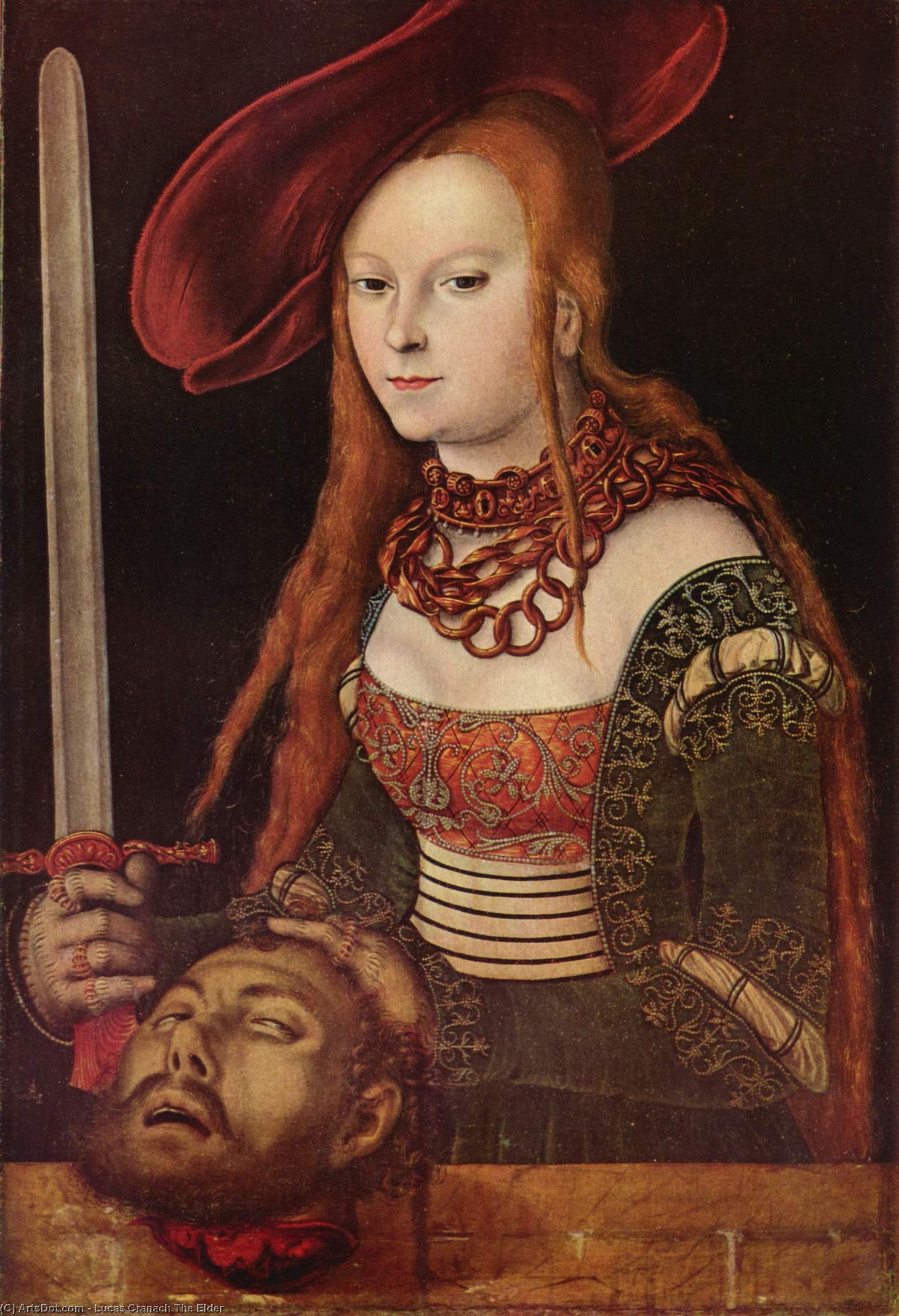
Judith
 Oil On Panel
- Northern Renaissance
 1515
1515- Renaissance
 86.0 x 59.0 cm
 Tümünü Gör
Çevrimiçi önizlemeden çok daha üstün, yüksek çözünürlüklü ve iyileştirilmiş bir dijital görüntü satın alın.
Her dosya, uzman ekibimiz tarafından gelişmiş araçlar ve titiz manuel rötuş teknikleri kullanılarak özenle hazırlanır. Her görüntünün olağanüstü netliğe, kusursuz renk doğruluğuna ve ince ayrıntılara sahip olduğundan emin oluruz.
Son dosya; profesyonel, editoryal ve baskı süreçlerinde anında kullanıma uygun şekilde optimize edilerek 72 saat içinde e-posta yoluyla teslim edilir. Bu, seçkin tasarım stüdyoları, yayıncılar ve galerilerin güvendiği aynı kalite standartlarındadır.
Dijital Görsel
Kişisel sergileme, baskı ve yaratıcı projeleriniz için yüksek çözünürlüklü bir dosya indirin.
Her Dijital Görüntü Siparişinde Dahil Olanlar
Uzman Dijital Teslimat, Garantili
OriginalUniqueArt.com seçtiğinizde, sadece bir görsel edinmekle kalmaz; titizlikle hazırlanmış, profesyonelce iyileştirilmiş dijital bir sanat eserine sahip olur ve memnuniyet garantisiyle güvence altına alınırsınız. Siparişinizle birlikte otomatik olarak sunulan her şey şunlardır:

Hızlı E-posta ile Teslimat
Yüksek çözünürlüklü dijital görüntü dosyanız, siparişinizin üzerinden en geç 72 saat geçmeden e-posta ile size gönderilecektir; hemen kullanıma hazırdır.

Yapay Zeka İle İyileştirilmiş Dijital Dosya
Sanat eseriniz; maksimum detay, netlik ve renk doğruluğu sağlamak amacıyla gelişmiş yapay zeka araçları ve manuel düzenleme kullanılarak profesyonelce optimize edilmektedir.

Ömür Boyu Ücretsiz Yeniden Gönderim
Dosyanızı yanlışlıkla mı sildiniz yoksa kayıp mı oldu? Endişelenmeyin; dosyanızı dilediğiniz zaman size ücretsiz olarak tekrar göndereceğiz.

Hiçbir Zaman İthalat Ücreti Ödemeyin
Sanat eserinizin tadını gümrük vergisi, harç veya teslimat ücreti ödemeden anında çıkarın; dijital indirmeler her zaman vergiden muaftır.

Renk Doğruluğu Garantisi
Profesyonel araçlar ve renk yönetimi kullanarak dijital görselinizin orijinal renklere mümkün olduğunca yakın yansıtılmasını sağlıyoruz.

60 Günlük Memnuniyet Garantisi
If you're not satisfied with your digital image, we'll revise it or refund 100% within 60 days - no questions asked.

100% Para İadesi Garantisi
Memnun kalmadınız mı? Dijital dosyanızı aldıktan sonraki 60 gün içinde, hiçbir soru sorulmaksızın tam iade alın.

Toplu Sipariş İndirimleri
Buy 3 images, save 10% - Buy 5, save 15% - Buy 10+, save 20%. Great for creative projects, galleries, and agencies.
Koleksiyon Detayları
Judith by Lucas Cranach the Elder: A Renaissance Masterpiece
The painting "Judith" by Lucas Cranach the Elder is a masterpiece of the Northern Renaissance style, created in 1515. This oil painting measures 86 x 59 cm and is a stunning representation of the biblical story of Judith and Holofernes.
Artistic Style and Technique
Lucas Cranach the Elder was a renowned German painter and printmaker, known for his contributions to the development of the Northern Renaissance style. His paintings often featured rich colors, detailed landscapes, and mythological subjects. In "Judith," he used a bold color palette, with the red hat standing out against the rest of the scene. The woman's armor is also intricately detailed, highlighting her role as a warrior.
- The painting is characterized by its use of symbolism, with the severed head representing victory and power.
- The artist’s attention to detail is evident in the intricate design of Judith’s armor and clothing.
- The painting's composition is balanced, with the central figure of Judith drawing the viewer's eye.
Symbolism and Historical Context
This artwork draws from the biblical story of Judith, a courageous Jewish widow who saved her people by seducing and then beheading the Assyrian general Holofernes. Cranach’s depiction reflects the Northern Renaissance fascination with biblical narratives and classical themes. The painting was created during the Reformation period in Germany, and it's believed that some scholars have suggested that such works may relate to the Schmalkaldic League – an alliance of Protestant princes formed to defend against the Holy Roman Emperor.
Emotional Impact and Legacy
“Judith” evokes a sense of strength, determination, and triumph. Judith’s direct gaze and regal posture convey her power and resolve. The somber background enhances the dramatic impact of the scene, drawing attention to the central figure. Cranach's masterful use of light and shadow creates depth and realism, making this painting a captivating work of art that continues to inspire and fascinate audiences today.
Notable Works by Lucas Cranach the Elder
Explore more of Cranach's artistry through these notable works:
The Kunsthistorisches Museum in Vienna, Austria, also houses several of his works.
Sanatçı Özgeçmişi
A Renaissance Master of Saxony: The Life and Art of Lucas Cranach the Elder
Lucas Cranach the Elder, born around 1472 in Kronach, Bavaria – a town steeped in medieval history and episcopal tradition – stands as a cornerstone of German Renaissance art. His life unfolded against the backdrop of tumultuous Reformation years, shaping his artistic vision and cementing his reputation as a court painter, humanist scholar, and prolific printmaker whose legacy continues to inspire awe and admiration. While biographical details remain somewhat elusive due to incomplete archival records, scholarly consensus paints a portrait of an artist deeply rooted in his regional milieu yet profoundly attuned to the intellectual currents sweeping across Europe.Early Life and Artistic Training
Lucas Cranach’s father, Hans Maler (also known as Lucas Maler), was himself a respected painter residing in Kronach—a position that instilled in young Lucas a formative understanding of artistic craftmanship and visual storytelling. Evidence suggests that Hans Maler imparted invaluable knowledge regarding pigment preparation, brushwork techniques, and the principles of composition – skills that would serve as the bedrock for Lucas’s own burgeoning talent. Beyond his father's tutelage, Cranach received instruction from Johannes Grüninger, a prominent humanist scholar and printer who fostered an environment conducive to intellectual curiosity and artistic experimentation. This confluence of influences ensured that Cranach was exposed to both the visual arts and the transformative ideas of the Renaissance—a pairing that would profoundly shape his artistic sensibilities.Service in Wittenberg and Patronage Under Frederick III
A pivotal moment in Cranach’s career arrived in 1504 when he accepted an invitation from Frederick III, Elector of Saxony – a patronage relationship that would define much of his artistic output for decades to come. Wittenberg—Frederick’s seat of power and residence—became Cranach's artistic epicenter, attracting scholars, theologians, and artists alike. He was tasked with decorating the Schloss Wittenberg (Saxon Palace), transforming it into a symbol of Protestant piety and humanist erudition. This commission afforded him unparalleled access to royal resources and fostered collaborations with leading intellectuals—including Martin Luther—who challenged the authority of papal dogma and championed vernacular scripture. The Electors’ unwavering support enabled Cranach to undertake ambitious projects, furthering his reputation as a visionary artist and securing his place among the elite circle of Renaissance luminaries.Iconic Portraits and Artistic Style
Lucas Cranach's artistic style is instantly recognizable—characterized by elongated figures with graceful poses, luminous color palettes, and meticulous attention to detail. He skillfully blended Northern Renaissance realism with humanist ideals, reflecting the broader cultural landscape of his time. His portraits are particularly noteworthy for their psychological depth—capturing not merely likenesses but also conveying nuanced expressions of character and emotion. The series of portraits depicting Martin Luther exemplifies Cranach’s ability to distill complex theological ideas into compelling visual narratives—a feat achieved through masterful composition, evocative lighting, and subtle gestures. Furthermore, Cranach's artistic technique involved a sophisticated mastery of oil painting, woodcut, and engraving—allowing him to disseminate his vision across diverse media and reaching audiences far beyond Wittenberg’s walls.Mythological Visions and Legacy
Beyond portraiture, Cranach explored mythological themes with remarkable creativity—producing stunning depictions of Venus, Apollo, and other classical deities that resonated deeply with humanist sensibilities. These paintings served as vehicles for conveying moral lessons and celebrating human beauty—reflecting the Renaissance fascination with Greco-Roman antiquity and its philosophical precepts. His workshop flourished under his guidance, producing a prolific output of prints and paintings that disseminated Cranach’s artistic style throughout Europe. Lucas Cranach the Elder's influence extended far beyond his lifetime—inspiring subsequent artists and shaping the visual culture of the Baroque era. Today, his works reside in prestigious museums worldwide—testament to their enduring beauty and intellectual significance—solidifying his position as one of the most celebrated figures of German Renaissance art.
Yaşlı Lucas Cranach
1472 - 1553 , Almanya
Kısa Bilgiler
- Artistic Movement Or Style: Norddeutsche Renaissance
- Artists Or Movements Influenced By This Artist: ['Martin Luther']
- Artists Who Influenced This Artist: ['Hans Maler']
- Date Of Birth: 1472
- Date Of Death: 1553
- Full Name: Lucas Cranach der Ältere
- Nationality: Alman
- Notable Artworks:
- Jagd der Hirsche
- Selbstbildnis
- Ankündigung an Joachim
- Place Of Birth: Kronach, Almanya

