Berlin Secession · 1900
Salome, Second Version (Lovis Corinth, 1900)
Salome, Second Version, Lovis Corinth (1858–1925) tarafından yapıldı. 1900 yılına aittir. Berlin Secession akımına aittir. Acrylic On Canvas ile yapılmıştır. Leipzig, Almanyadaki Museum der bildenden Künste bünyesinde korunmaktadır. Boyutları 127 × 148 cm'dir.
- 1900
- Acrylic On Canvas
- 127 × 148 cm
- Museum der bildenden Künste, Leipzig

 Gerçek Boyutta Önizle

 El Yapımı Yağlı Boya Tablo
 Paylaş
 Paylaş
 Bilgi formu


 İndir
 Benzer ürünler
 X-Işını
 Slayt Gösterisi
 Soru & Cevap

 İstatistikler
Salome, Second Version hakkında kısa bilgi
- Başlık
- Salome, Second Version
- Sanatçı
- Lovis Corinth (1858–1925)
- Sanatçının doğum yeri
- Gvardeysk, Rusya
- Tarih
- 1900
- Teknik
- Acrylic On Canvas
- Boyutlar
- 127 × 148 cm
- Nerede görülebilir
- Museum der bildenden Künste, Leipzig, Almanya
- Akım
- Berlin Secession
- Dönem
- 19th Century
- Konu
- salome, herodias, dance, tragedy, execution, biblical
Salome, Second Version neyi betimliyor?
A Descent into Shadow and Desire: Lovis Corinth’s ‘Salome, Second Version’
Lovis Corinth's “Salome, Second Version,” painted in 1900, isn’t merely a depiction of the biblical tale; it’s a visceral exploration of power, betrayal, and the unsettling allure of darkness. This arresting canvas, currently residing within the Museum der Bildenden Künste in Leipzig, immediately commands attention with its dramatic composition and intensely expressive palette. Corinth, a pivotal figure bridging Impressionism and Expressionism, masterfully eschews traditional romanticism, instead presenting a Salome far removed from the idealized figures of earlier portrayals. Instead of a passive object of desire, she emerges as a complex, almost defiant presence – a woman caught in the throes of her own ambition and haunted by the consequences of her actions.
The painting’s genesis lies within the turbulent artistic landscape of early 20th-century Berlin. Corinth, having moved there from Munich, found himself at the heart of a vibrant, often contentious, art scene. The Secession group, with its emphasis on freedom and innovation, provided a fertile ground for his evolving style. “Salome” reflects this period’s fascination with psychological depth and emotional intensity – a departure from the polished surfaces of academic painting. Corinth deliberately chose to revisit the legend, not as a straightforward narrative illustration, but as an opportunity to delve into the character's inner turmoil and the moral ambiguity at the heart of the story.
The Dance and its Discontents: Technique and Composition
Corinth’s technique is immediately striking. He employs a bold, almost frenetic brushstroke – thick impasto applied with visible energy – that imbues the canvas with a sense of movement and urgency. The colors are rich and saturated, dominated by deep reds, purples, and blacks, creating an atmosphere of dramatic intensity. The composition itself is carefully constructed to draw the viewer into the scene. Salome, positioned centrally, dominates the foreground, her body tilted forward in a pose that suggests both vulnerability and calculated seduction. The figures surrounding her – the servant bearing the head, the watchful woman with the fan, and the shadowy men – are rendered with varying degrees of detail, contributing to the painting’s overall sense of unease and disorientation.
- Brushwork: Thick, expressive strokes create a dynamic and unsettling effect.
- Color Palette: Dominated by deep reds, purples, and blacks, evoking drama and shadow.
- Composition: Salome is centrally positioned, drawing the viewer's eye and emphasizing her role as the focal point of the scene.
Symbolism and Interpretation: A Portrait of Moral Ambiguity
Beyond the literal depiction of the biblical story, “Salome” is laden with symbolic meaning. The dance itself represents a dangerous allure – a seductive invitation to transgression. The severed head on the platter isn’t simply a gruesome trophy; it's a potent symbol of ambition and the destructive consequences of unchecked desire. Corinth deliberately avoids offering a clear moral judgment, instead presenting a complex portrait of a woman driven by both her own desires and the manipulative influence of her mother. The inclusion of the fan-bearing woman, often interpreted as Herodias, adds another layer of intrigue, suggesting a conspiracy at play – a deliberate orchestration of events that leads to John the Baptist’s demise.
Furthermore, the painting can be viewed through the lens of the burgeoning feminist movement of the time. Salome's defiant gaze and her unapologetic embrace of her sexuality challenged traditional notions of female virtue and presented a powerful image of female agency – albeit one ultimately consumed by tragedy. Corinth’s decision to portray her as a figure of both beauty and menace reflects the complex and often contradictory attitudes towards women in early 20th-century society.
Emotional Resonance: A Timeless Exploration of Human Darkness
“Salome, Second Version” continues to resonate with viewers today because it taps into fundamental human emotions – desire, betrayal, guilt, and the haunting awareness of our own mortality. Corinth’s masterful use of color, composition, and symbolism creates a painting that is both visually arresting and psychologically profound. It's not a comfortable image; it confronts us with the darker aspects of human nature and reminds us that even in moments of apparent beauty and pleasure, there can be a lurking sense of unease and impending doom. Reproductions of this powerful work offer a glimpse into Corinth’s artistic genius and provide an opportunity to contemplate the timeless themes explored within its shadowed depths.
Salome, Second Version adlı eseri hangi müze bünyesinde barındırmaktadır?
Museum der bildenden Künste
Leipzig, Almanya
Zamanda Şekillenen Bir Miras: Leipzig’in Sanatsal Kalbinin Ruhu Almanya'nın Saksonya eyaletindeki canlı kültürel manzarada, şaheserler için basit bir depo olmanın çok ötesinde hizmet eden bir kurum yükselir; burası insan direncinin ve yaratıcılığın kalıcı gücünün yaşayan bir kanıtıdır. Leipzig'deki Museum der bildenden Künste (MdbK) , Geç Orta Çağ'dan çağdaş pratiğin en uç noktasına kadar uzanan bir anlatı örerek yedi asırlık sanatsal çabayı bünyesinde barındırır. 1837 yılında Leipzig Sanat Derneği olarak kurulan müzenin yolculuğu, yıkımın gölgeleri ve yeniden doğuşun ihtişamıyla damgalanmış derin bir dönüşüm hikayesidir.
 Caspar David Friedrich’in ‘Hayatın Aşamaları’ (1835) adlı eserinde, deniz manzarasıyla bir hayat yolculuğunun dinginliği ve anlamı yakalanıyor. Ön planda, yaşlı bir adam, iki yetişkin ve iki çocuk figürleri yer alarak farklı yaşam evrelerini temsil ediyorCaspar David Friedrich, 1835
 Ölüler Adası (Versiyon 5)Arnold Böcklin, 1886
 MüjdeEl Greco, 1610
Salome, Second Version için yüksek çözünürlüklü görseller
Kamu malı: sanatçı 1925 yılında vefat etmiştir.
Lovis Corinth, Salome, Second Version (1900), Museum der bildenden Künste. Kamu malı.
Salome, Second Version hakkında sorular ve cevaplar
Lovis Corinth imzalı "Salome, Second Version" eseri bugün nerede sergileniyor?
"Salome, Second Version" eserinin orijinalini Museum der bildenden Künste, Leipzig, Almanya bünyesinde görebilirsiniz.
Lovis Corinth imzalı "Salome, Second Version" hangi yılda üretildi?
Lovis Corinth imzalı "Salome, Second Version", 1900 yılında yaratılmıştır.
"Salome, Second Version" hangi teknikle yapılmıştır?
Lovis Corinth, "Salome, Second Version" adlı eserinde Acrylic On Canvas tekniğini kullanmıştır. Bu teknik, orijinal eserin maddi doğasını tanımlar.
Orijinal "Salome, Second Version" eserinin boyutları nedir?
Orijinal Lovis Corinth imzalı "Salome, Second Version" eseri 127 x 148 cm boyutlarındadır.
Lovis Corinth imzalı "Salome, Second Version" eserinde hangi konular işleniyor?
Lovis Corinth imzalı "Salome, Second Version" eserinde yer alan temalar salome, herodias, dance, tragedy, execution, biblical, figures unsurlarını içermektedir. Bunlar birlikte, eserin konu içeriğini özetlemektedir.
"Salome, Second Version" eseri kamu malı mı?
Lovis Corinth imzalı "Salome, Second Version", kamu malıdır - telif hakkı süresi dolmuştur statüsündedir. Bu durum, eserin görüntüsünün nasıl çoğaltılabileceğini belirler.
"Salome, Second Version" eserinin sanatçısı kim?
"Salome, Second Version" adlı eserin Lovis Corinth tarafından yapıldığı düşünülmektedir.
Lovis Corinth imzalı "Salome, Second Version" hangi sanat akımına dahil?
Lovis Corinth imzalı "Salome, Second Version" adlı eserin dahil olduğu akım Berlin Secession akımıdır. Bu sınıflandırma, çalışmayı ilgili sanatçılar ve sanat eserleri arasında konumlandırır.
"Salome, Second Version" adlı eser, Lovis Corinth kariyerinin hangi dönemine ait?
Lovis Corinth'in kariyerinde "Salome, Second Version", Berlin Secession Era dönemine denk gelmektedir. Bu evre, eserin sanatçının diğer çalışmalarıyla kıyaslanmasına olanak tanır.
Sanatçı hakkında, Lovis Corinth

1858–1925, Rusya
Lovis Corinth
A Life Forged in Paint: The World of Lovis Corinth Lovis Corinth (21 Temmuz 1858 – 17 Temmuz 1925), çalışmaları izlenimcilik ve dışavurumculuğun bir sentezi kabul edilen Alman ressam ve grafiker. Münih Güzel Sanatlar Akademisi’nde eğitim alan Corinth, Gustave Courbet, Barbizon Ekolü ve bu ikisinden ilham alarak eserler üreten Alman ressamlardan Wilhelm Leibl ve Wilhelm Trübner’den etkilenmişti. Onun erken dönem çalışmalarında doğalcı yaklaşım fark edilir. Ancak daha canlı renklerle dolu dışavurumculuk hareketinin ilk günlerinde akıma karşı olan Corinth, 1911'den sonra ise dışavurumcu eserler üretmeye başlamıştı.
Lovis Corinth Hakkında Lovis Corinth tarafından yapılmış öne çıkan eserler
Lovis Corinth tarafından yapılan diğer eserler
 Etli Kasaba Üzerinde1893
 Wilhelmine with a Ball1915
 Portrait of the Painter Paul Eugène Gorge1908
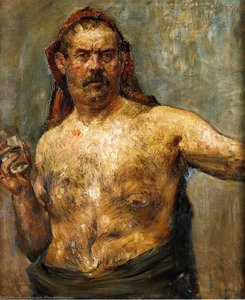 Self Portrait with a Glass1907
Salome, Second Version üzerine denemeler
 Lovis Corinth: Bridging Impressionism & Expressionism – A Study of Artistic EvolutionExplore the fascinating artistic journey of Lovis Corinth, a pivotal figure bridging Impressionism & Expressionism. Discover his evolution,…
 The Soul of the Brushstroke: Why Textured Impasto Defines the Magic of Impressionist MasterpiecesDiscover the tactile magic of Impressionism. Explore how the impasto technique breathes life into masterpieces through texture and light. E…
 Unveiling the Dreamer: The 25 Most Iconic Masterpieces by Gustave MoreauStep into the dreamlike world of Gustave Moreau. Explore 25 iconic Symbolist masterpieces, from mythic legends to opulent textures. Find in…