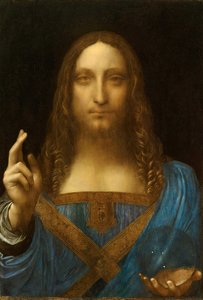
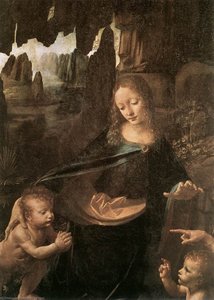
Gerçek Boyutta Önizle
 Paylaş
 Paylaş
 Detayları Gör
 Rehber

 İndir
İndir
 Benzer ürünler
 X-Işını
 Slayt Gösterisi
 Q&A
Q&A İstatistikler
Codex Trivulzianus 2162. Additional dossier

- 20.0 x 14.0 cm


 Tümünü Gör
Giclée / Sanat Baskısı
Hızlı üretim ve esnek bitiş seçenekleriyle müze kalitesinde giclée veya kanvas baskı. ( El Yapımı Tablo Satın Al Dijital Görsele Geç)




P118B ₺10

P118H ₺10

P118W ₺10

P438Z ₺10

P508JH ₺12

P508YH ₺12

P805H ₺10

P805Z ₺10

P919BZ ₺10

P919G ₺10

P919XJ ₺10

P959ZH ₺10

P968JZ ₺12

W106C ₺8

W218G ₺10

W218JH ₺8

W218Y ₺10

W307PJ ₺10

W316G ₺10

W316PJ ₺8

W316Y ₺10

W398PJ ₺8

W4111J ₺10

W500HY ₺15

W500JH ₺15

W692G ₺12

W849H ₺8

W940BG ₺15

W953PJ ₺8




Eserin orijinal oranlarıyla uyumlu, önceden belirlenmiş boyutlarımız arasından seçim yapın.

Çerçevenize veya duvarınıza uygun olması için ihtiyacınız olan genişlik ve yüksekliği yazın. Bir baskı yalnızca kesilebilir, görselden daha büyük hale getirilemez; bu nedenle farklı bir formdaki boyut seçimi, görselin bir kısmının kaybına neden olur. Herhangi bir baskı yapmadan önce onaylamanız için size bir dijital taslak gönderiyoruz. Bu sayfada gösterilen resim gerçek kesimi göstermez — bunu yalnızca taslak gösterir.
Dünya Çapında Teslimat (); standart 4/5 hafta yerine 2 haftada. (3 Kasım)

Dünya Çapında Ücretsiz Ekspres Kargo

Yüksek Kaliteli Keten Kanvas

Tam Nakliye Sigortası

Gümrük Vergisi İadesi Garantisi

Gerçek Renk Uyumu Garantisi

100 Günlük İade Politikası (Sadece Kusurlu Ürünler İçin)

%100 Para İade Garantisi

Toplu Alım İndirimi
 Cam seçeneği yalnızca 110 cm altındaki boyutlar için mevcuttur.

Codex Trivulzianus 2162. Additional dossier
Giclée / Sanat Baskısı
Reproduksiyon Boyutu
-


Toplam Tutar
₺ 3933
A Fragment of Genius: Unveiling Leonardo’s Codex Trivulzianus 2162
The image presented here—a seemingly simple sheet of aged parchment—holds within it the tantalizing whisper of Leonardo da Vinci's boundless intellect. This “Additional Dossier,” as it’s known, from the Codex Trivulzianus, a collection of Leonardo’s personal notes and sketches, offers a rare glimpse into his working process, a moment captured outside the finished grandeur of his paintings or the meticulously documented pages of his notebooks. The paper itself speaks volumes: its yellowed hue hints at years spent tucked away, perhaps forgotten, yet retaining an undeniable aura of importance. It's not a polished treatise; rather, it’s a raw, intimate record—a testament to the ceaseless flow of ideas that defined Leonardo’s extraordinary life.
The handwriting is deliberately obscured, suggesting it may be in a language other than Italian or Latin – languages frequently employed by Leonardo for his scientific observations and anatomical studies. This deliberate ambiguity adds another layer of intrigue, prompting us to consider the nature of these notes: were they preliminary sketches for a commission, detailed observations on human anatomy, perhaps even cryptic reflections on philosophical concepts? The lack of discernible words invites speculation, reinforcing the notion that this document represents a private, internal dialogue—a crucial element in understanding Leonardo’s creative process. It's a reminder that genius rarely emerges from sterile perfection but often from the messy, iterative stages of exploration and experimentation.
Decoding the Codex: Context and Purpose
The Codex Trivulzianus itself is a remarkable artifact, assembled primarily during the 16th century by Cardinal Ludovico Sforza’s librarian, Giovanni Battista Gaddi. It comprises over 200 sheets, meticulously compiled from Leonardo's personal papers, drawings, and writings accumulated throughout his career. The “Additional Dossier” we examine here is a fragment of this larger collection, offering a window into the breadth of Leonardo’s interests – a convergence of art, science, engineering, and anatomy. Leonardo wasn’t simply an artist; he was a relentless investigator, driven by a profound desire to understand the mechanics of the world around him.
The Codex served as more than just a record-keeping system. It functioned as Leonardo's personal laboratory, a space where ideas could be freely explored and developed without the constraints of patronage or expectation. It’s believed that Sforza intended for the Codex to be a legacy—a testament to Leonardo’s unparalleled genius, a collection to be studied and admired long after his death. The inclusion of this seemingly unassuming sheet underscores the multifaceted nature of Leonardo's work; it highlights the interconnectedness of his diverse pursuits.
The Language of Detail: Technique and Symbolism
While the content remains largely obscured, the physical characteristics of the parchment itself offer clues about its age and origin. The texture suggests a relatively coarse material, likely sourced from Italy during Leonardo’s lifetime. The faint traces of ink reveal a deliberate hand – not necessarily flamboyant or ornate, but precise and observant, mirroring the meticulous nature of Leonardo's own artistic approach. Even in this fragment, we can sense the artist’s inherent control over his materials, a hallmark of his unparalleled skill.
Considering Leonardo’s broader practice, it is likely that the notes contained within this dossier were accompanied by sketches and diagrams – visual representations of concepts he was exploring. The act of recording ideas visually, whether through writing or drawing, was integral to his creative process. The very existence of this fragment speaks to a dedication to documenting every observation, every experiment, every fleeting thought—a characteristic that fueled his extraordinary output.
A Window into the Soul: Emotional Resonance and Reproduction
This “Additional Dossier” transcends its physical form; it’s an invitation to connect with the mind of one of history's greatest geniuses. The fragility of the parchment, the obscured text, and the sense of mystery all contribute to a powerful emotional resonance. It evokes a feeling of intimacy, as if we are privy to a private moment of intellectual exploration.
OriginalUniqueArt is proud to offer a meticulously crafted hand-painted reproduction of this extraordinary fragment. Our artists have painstakingly recreated the texture and tone of the original parchment, capturing not only its visual appearance but also the inherent sense of history and intrigue. This reproduction serves as a tangible link to Leonardo’s world—a beautiful and thought-provoking addition to any collection or interior space. It's more than just an image; it’s a portal into the mind of a true visionary, allowing you to experience the essence of Leonardo da Vinci’s genius firsthand.
Soru ve Cevaplar
Leonardo Da Vinci imzalı "Codex Trivulzianus 2162. Additional dossier" eserindeki kontrast ne kadar belirgin?
Leonardo Da Vinci imzalı "Codex Trivulzianus 2162. Additional dossier", açık ve koyu alanlar arasında Serene bir kontrast sergiliyor.
"Codex Trivulzianus 2162. Additional dossier", Leonardo Da Vinci’in sıkça işlediği temalar arasında nerede yer alıyor?
Leonardo Da Vinci'in yinelenen temaları humanist ideals, scientific observation, renaissance scholarship, intellectual pursuit, leonardo’s diverse interests explored, documenting knowledge, personal records, reflecting renaissance curiosity” içerir; "Codex Trivulzianus 2162. Additional dossier" ise leonardo da vinci, codex, manuscript, handwriting, renaissance, italy, document, archive üzerine odaklanır.
Leonardo Da Vinci imzalı "Codex Trivulzianus 2162. Additional dossier" için önerilen baskı boyutu nedir?
Leonardo Da Vinci imzalı "Codex Trivulzianus 2162. Additional dossier" için Medium boyutunda bir reprodüksiyon önerilir. Boyut, oranlar korunarak ayarlanabilir.
Sanatçı Özgeçmişi
Leonardo da Vinci’ın Yaşamı ve Mirası
1452 yılında Toskana'nın Vinci köyü yakınlarında dünyaya gelen Leonardo di ser Piero da Vinci, Rönesans'ın kuşkusuz en evrensel olarak tanınan figürü olmaya devam ediyor. Bitmek bilmeyen merakı onu farklı disiplinler arasında sürükleyen, sanat, bilim ve mühendislik üzerinde silinmez izler bırakan gerçek bir polimatdır. İsmi, olağanüstü yetenek yelpazesinin ve vizyoner düşüncesinin bir kanıtı olarak deha ile eş anlamlı hale gelmiştir. Bir noter olan Piero da Vinci ile bir köylü kadın olan Caterina'nın evlilik dışı çocuğu olarak dünyaya gelmesi, Leonardo'nun erken yaşamını alışılmadık kılmış olsa da; bu durum ona hem pratik dünyaya erişim sağlamış hem de sanatsal vizyonunu derinden şekillendirecek olan doğa sevgisini kazandırmıştır. Okuma, yazma ve aritmetik üzerine temel bir eğitim almış olsa da, yaratıcı kıvılcımını asıl ateşleyen Floransa'da Andrea del Verrocchio'nun yanında aldığı çıraklık eğitimidir. Verrocchio'nun atölyesinde Leonardo sadece resim veya heykel yapmayı öğrenmiyor; metal işçiliği, marangozluk, çizim ve sanatsal yaratımın inceliklerine hakim olduğu teknik bir beceri dünyasına dalıyordu. Bu çok yönlü dehasının temelleri burada atıldı. Henüz bu biçimlendirici dönemdeyken, onun olağanüstü yeteneği hakkında fısıltılar dolaşıyor, hatta anlatılara göre Verrocchio'nun Leonardo'nun üstün kabiliyetine tanık olduktan sonra resim yapmayı bıraktığı söyleniyordu.
Milano Dönemi: Yenilikler ve Sanatsal Çiçeklenme
1482 yılında Leonardo, yeni bir döneme adım atarak Milano Dükü Ludovico Sforza'nın hizmetine girdi. Bu sadece sanatsal bir görev değil; Leonardo saray için askeri mühendis, mimar, heykeltırak ve tasarımcı olarak görev yapıyordu ki bu da onun çeşitli yeteneklerinin bir kanıtıdır. Yenilikçi tahkimatlar tasarladı, görkemli sahne dekorları kurguladı ve hatta hayali makineler için planlar çizdi. Ancak en ikonik şaheserlerinden biri olan Son Akşam Yemeği üzerine çalışmaya bu dönemde başladı. Santa Maria delle Grazie manastırının yemekhanesinde bir fresk olarak boyanan bu eser, basit bir tasvirin ötesine geçer; İsa'nın ihaneti duyurduğu o kesin anı yakalayarak insan duygularının ve psikolojik dramın derin bir keşfine dönüşür. Dönemi için devrim niteliğindeki kompozisyonu ve perspektifin ustaca kullanımı, Batı sanatını yüzyıllar boyunca derinden etkileyecektir. Milano döneminde birçok heykel projesi tamamlanmadan kalsa da, Leonardo'nun icatçı ruhu gelişmeye devam ederek gelecekteki bilimsel keşiflerin temelini atmıştır.
Floransa'ya Dönüş ve Mükemmellik Arayışı
1499 yılında Fransızların Milano'yu işgal etmesinin ardından Leonardo, sanatsal gelişimin zirvesinde olan Floransa'ya geri döndü. Bu dönemde tamamlanmış eser sayısı az olsa da, bunların etkisi muazzamdı. Dünyanın belki de en ünlü tablosu haline gelecek olan Mona Lisa (La Gioconda) üzerine çalışmaya burada başladı. Konunun gizemli gülümsemesi ve büyüleyici bakışları nesiller boyu izleyicileri büyülemiş; Leonardo'nun devrim niteliğindeki sfumato tekniği —ışık ve gölgenin puslu hatlar ve atmosferik perspektif yaratmak için ince bir şekilde harmanlanması— tablonun ruhani kalitesine önemli ölçüde katkıda bulunmuştur. Bu dönem aynı zamanda, insan formunu bilimsel bir hassasiyetle anlama konusundaki sarsılmaz arzusuyla beslenen anatomik çalışmalarının da derinleştiği bir dönem olmuştur. Kadavraları inceleyerek kasları, kemikleri ve organları, zamanının yüzyıllar ilerisinde olan inanılmaz derecede ayrıntılı çizimlerle titizlikle belgeledi.
çSanatın Ötesinde Bir Miras: Bilim, İcat ve Kalıcı Etki
Leonardo'nun geç yılları Floransa, Milano ve Roma arasındaki yolculuklarla geçti; uzmanlığı için her zaman talep görüyordu ancak projeleri genellikle yarım kalıyordu; bu durum belki de onun huzursuz zekasının ve ilgi alanlarının uçsuz bucaksızlığının bir yansımasıydı. 1516 yılında, Fransa'da Amboise yakınlarındaki Château du Clos Lucé'de yaşayıp çalışmak üzere Kral I. Francis'in davetini kabul etti ve son yıllarını burada geçirdi. 1519 yılında orada hayata gözlerini yumduğunda, sanat dünyasının çok ötesine uzanan devasa bir miras bıraktı. Not defterleri; anatomi, optik, hidrolik, jeoloji ve kartografya alanlarındaki öncü çalışmalarını ortaya koyarken; uçan makineler, tanklar ve gelişmiş silahlar gibi zamanının yüzyıllar ilerisindeki icatları hayal ettiğini gösteriyor. Leonardo da Vinci'nin sanat tarihine etkisi ölçülemez boyuttadır. Sanatçıların statüsünü yetenekli zanaatkârlardan entelektüel figürlere yükselterek, sanatsal yaratımın bilimsel sorgulama ve doğal dünyanın derin bir anlayışıyla beslenebileceğini kanıtladı. Resimleri realizmi, psikolojik derinliği ve yenilikçi teknikleri nedeniyle yüceltilir. O, insan merakının, yaratıcılığının ve bitmek bilmeyen bilgi arayışının bir sembolü olarak kalmaya devam ediyor; ölümü üzerinden yüzyıllar geçmesine rağmen mirası hayranlık ve büyülenme uyandırmaya devam eden Rönesans ruhunun gerçek bir somutlaşmış halidir.
Temel Başarılar ve Kalıcı Etki
- Resim: Mona Lisa, Son Akşam Yemeği, Kayalıklarındaki Meryem, Müjde
- Çizim ve Eskiz: Kapsamlı anatomik çalışmalar, Mühendislik tasarımları (uçan makineler, silahlar), Botanik illüstrasyonlar
- Bilim ve Mühendislik: Anatomi, optik, hidrolik, jeoloji ve kartografya alanlarında öncü çalışmalar. Zamanının yüzyıllar ilerisindeki icatların tasarlanması.
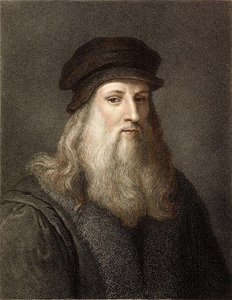
Leonardo Da Vinci
1452 - 1519 , İtalya
Kısa Bilgiler
- Artistic Movement Or Style: Yüksek Rönesans
- Artists Or Movements Influenced By This Artist: ['Rönesans sanatı']
- Artists Who Influenced This Artist: ['Andrea del Verrocchio']
- Date Of Birth: 15 Nisan 1452
- Date Of Death: 2 Mayıs 1519
- Full Name: Leonardo da Vinci
- Nationality: İtalyan
- Notable Artworks:
- Mona Lisa
- Son Akşam Yemeği
- Vitruvius Adamı
- Place Of Birth: Vinci, İtalya
Benzer Yazılar
Renaissance Humanism's Greatest Art: 10 Masterpieces for Your Home
Explore 10 Renaissance Humanism masterpieces by Leonardo da Vinci, Michelangelo & Raphael. Discover the stories behind these iconic paintings & sculptures and bring timeless art into your home with museum-quality reproductions from OriginalUniqueArt.com. Explore the full collection online!

Leonardo da Vinci'nin En İyi 25 Eseri: Sanat Tarihine Yolculuk
Leonardo da Vinci'nin en iyi 25 eserini keşfedin! Rönesans sanatının zirvesinden Mona Lisa, Son Akşam Yemeği ve daha fazlası… Sanat tarihine yolculuk yapın, teknikleri öğrenin. OriginalUniqueArt.com’da yüksek kaliteli reproduksiyonlarla evinizi zenginleştirin.

Floransa Uffizi Galerisi'nin En İkonik 25 Eseri: Sanat Tarihine Yolculuk
Floransa Uffizi Galerisi'nin en ikonik 25 eserini keşfedin! Leonardo da Vinci, Botticelli ve Michelangelo gibi Rönesans ustalarının eşsiz tablolarının hikayelerini öğrenin. Sanat tarihiyle dolu bir yolculuk için OriginalUniqueArt.com'da koleksiyonu inceleyin.

Louvre'un En İkonik 25 Eseri: Sanat Tarihine Yolculuk ve Ev Dekorasyonu İlhamları
Louvre Müzesi'nin en ikonik 25 eserini keşfedin! Leonardo da Vinci’den antik heykellere, sanat tarihine yolculuk yapın. Ev dekorasyonunuz için ilham alın ve Louvre koleksiyonunun güzelliğini OriginalUniqueArt.com ile yaşayın.
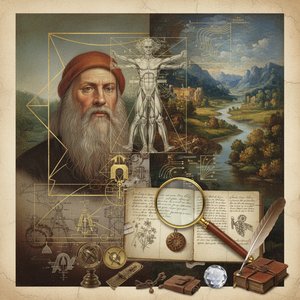
Leonardo da Vinci: A Renaissance Master’s Synthesis of Art, Science & Human Observation – Reinterpreted for the Collector
Explore Leonardo da Vinci’s timeless masterpieces with OriginalUniqueArt. Discover insights into his art, science, and legacy – trusted expertise for discerning collectors seeking authentic reproductions & investment opportunities.