- Ana Sayfa

- Dijital Görsel Listesi
- Karol Hiller
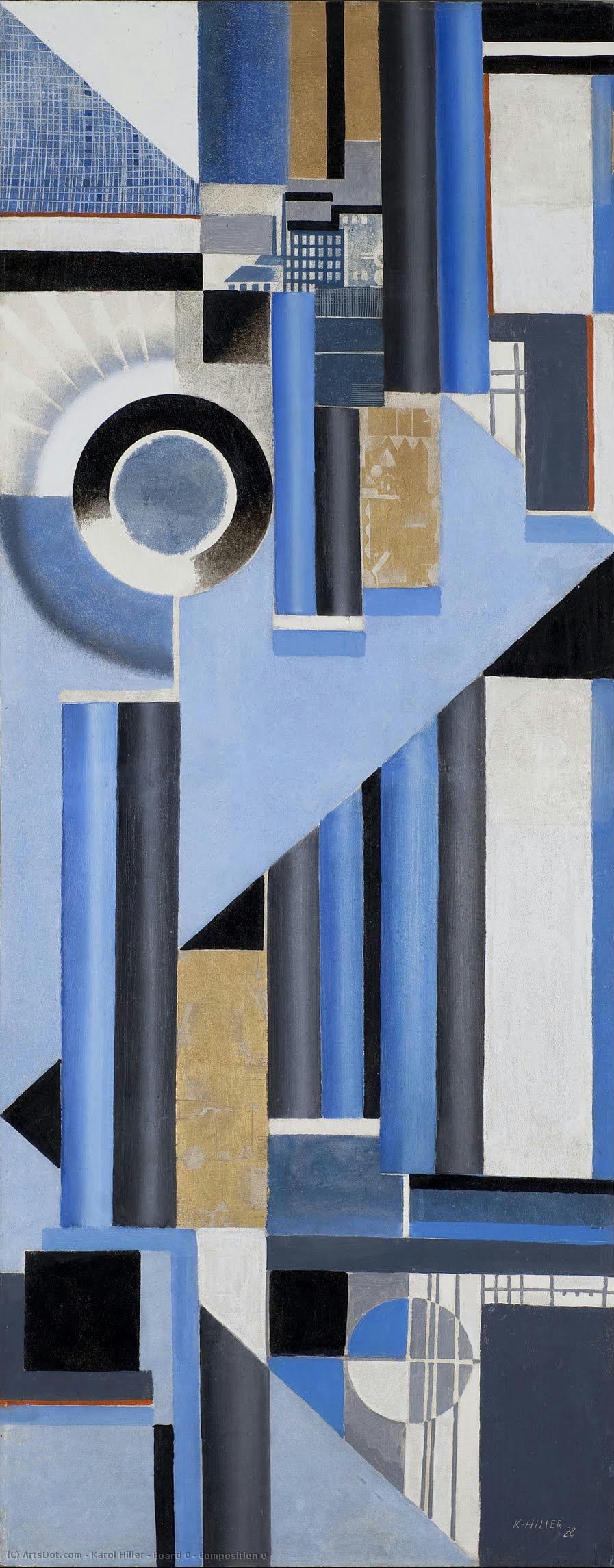
- Board 0 / Composition 0
 Preview
 Paylaş
 Paylaş
 Detayları Gör

 İndir
İndir
 Benzerlerini gör
 X-Işını
 Slayt Gösterisi
Board 0 / Composition 0
 1928
1928 120.0 x 47.0 cm
 Tümünü Gör
Çevrimiçi önizlemeden çok daha üstün, yüksek çözünürlüklü ve iyileştirilmiş bir dijital görüntü satın alın.
Her dosya, uzman ekibimiz tarafından gelişmiş araçlar ve titiz manuel rötuş teknikleri kullanılarak özenle hazırlanır. Her görüntünün olağanüstü netliğe, kusursuz renk doğruluğuna ve ince ayrıntılara sahip olduğundan emin oluruz.
Son dosya; profesyonel, editoryal ve baskı süreçlerinde anında kullanıma uygun şekilde optimize edilerek 72 saat içinde e-posta yoluyla teslim edilir. Bu, seçkin tasarım stüdyoları, yayıncılar ve galerilerin güvendiği aynı kalite standartlarındadır.
Dijital Görsel
Kişisel sergileme, baskı ve yaratıcı projeleriniz için yüksek çözünürlüklü bir dosya indirin. ( Switch to Print Switch to hand made Painting)
Her Dijital Görüntü Siparişinde Dahil Olanlar
Uzman Dijital Teslimat, Garantili
OriginalUniqueArt.com seçtiğinizde, sadece bir görsel edinmekle kalmaz; titizlikle hazırlanmış, profesyonelce iyileştirilmiş dijital bir sanat eserine sahip olur ve memnuniyet garantisiyle güvence altına alınırsınız. Siparişinizle birlikte otomatik olarak sunulan her şey şunlardır:

Hızlı E-posta ile Teslimat
Yüksek çözünürlüklü dijital görüntü dosyanız, siparişinizin üzerinden en geç 72 saat geçmeden e-posta ile size gönderilecektir; hemen kullanıma hazırdır.

Yapay Zeka İle İyileştirilmiş Dijital Dosya
Sanat eseriniz; maksimum detay, netlik ve renk doğruluğu sağlamak amacıyla gelişmiş yapay zeka araçları ve manuel düzenleme kullanılarak profesyonelce optimize edilmektedir.

Ömür Boyu Ücretsiz Yeniden Gönderim
Dosyanızı yanlışlıkla mı sildiniz yoksa kayıp mı oldu? Endişelenmeyin; dosyanızı dilediğiniz zaman size ücretsiz olarak tekrar göndereceğiz.

Hiçbir Zaman İthalat Ücreti Ödemeyin
Sanat eserinizin tadını gümrük vergisi, harç veya teslimat ücreti ödemeden anında çıkarın; dijital indirmeler her zaman vergiden muaftır.

Renk Doğruluğu Garantisi
Profesyonel araçlar ve renk yönetimi kullanarak dijital görselinizin orijinal renklere mümkün olduğunca yakın yansıtılmasını sağlıyoruz.

60 Günlük Memnuniyet Garantisi
If you're not satisfied with your digital image, we'll revise it or refund 100% within 60 days - no questions asked.

100% Para İadesi Garantisi
Memnun kalmadınız mı? Dijital dosyanızı aldıktan sonraki 60 gün içinde, hiçbir soru sorulmaksızın tam iade alın.

Toplu Sipariş İndirimleri
Buy 3 images, save 10% - Buy 5, save 15% - Buy 10+, save 20%. Great for creative projects, galleries, and agencies.
Sanatçı Özgeçmişi
A Pioneer of Polish Abstraction: The Life and Art of Karol Hiller
Karol Hiller, born in Łódź, Poland, on December 6th, 1891, stands as a pivotal figure in the development of abstract art within the interwar Polish landscape. His life, tragically cut short by the Gestapo in December 1939 near Lućmierz Forest, embodies both artistic innovation and the brutal realities of a nation consumed by conflict. Hiller’s journey was one of constant exploration, moving from early studies in chemistry and civil engineering to a passionate embrace of art, ultimately leading him to pioneer techniques and forms that would define Polish Constructivism and later evolve into uniquely organic abstract compositions. His story is not merely biographical; it's a testament to the power of artistic vision amidst political turmoil and a relentless pursuit of new modes of expression.From Scientific Roots to Artistic Awakening
Hiller’s initial academic pursuits seem far removed from the world of painting, yet they profoundly shaped his later work. He began with studies in chemistry at the Higher Technical School in Darmstadt, followed by civil engineering at the Polytechnic Institute in Warsaw. The outbreak of World War I interrupted these studies, leading to conscription into the army in 1916. Following the war, a period spent in Kiev proved transformative. There, he enrolled at the Academy of Fine Arts under the tutelage of Mikhail Boychuk, a renowned Byzantinesque painter. This exposure to traditional techniques—particularly icon painting—provided Hiller with a foundational understanding of materials and composition that would resurface later in his experimentation. It was during this time that Hiller began to develop a keen interest in the underlying principles of form and color, setting the stage for his future artistic endeavors. He remained politically engaged throughout his stay in Kiev, an early indication of his commitment to social awareness which would inform much of his work.The Rise of Constructivism and the Association of Visual Artists
Returning to Łódź in 1921 marked a turning point in Hiller’s career. He quickly became involved in the city's burgeoning art scene, co-founding the Association of Visual Artists (Zrzeszenie Artystów Plastyków) in 1931. This association served as a crucial platform for promoting avant-garde ideas and fostering collaboration among Polish artists. During the 1920s, Hiller wholeheartedly embraced Constructivism, aligning himself with a movement that sought to reflect the dynamism of modern life through geometric abstraction. His early works from this period are characterized by precise lines, bold contrasts, and a rejection of representational imagery. He participated in numerous exhibitions throughout Poland, showcasing his commitment to the principles of functionalism and industrial aesthetics. From 1930 to 1938, he actively exhibited at shows organized by the Institute of Art Propaganda in Łódź and Warsaw, further solidifying his position within the Polish art community.Heliographic Compositions: A Unique Artistic Innovation
Perhaps Hiller’s most significant contribution lies in the development of the heliographic technique—a process that involved using sunlight to create abstract compositions on photosensitive paper. This innovative method allowed him to explore chance and control simultaneously, resulting in works characterized by intricate patterns and subtle gradations of tone. The “Heliographic Compositions,” created throughout the 1930s, represent a departure from the rigid geometry of his earlier Constructivist pieces. These compositions often evoke biological forms—cells, organisms, and natural structures—reflecting a growing fascination with the organic world. This shift signaled a move towards a more abstract and intuitive approach to artmaking. He was not simply creating images; he was exploring the very nature of perception and the interplay between light, form, and space.Legacy and Historical Significance
In the late 1930s, Hiller’s work underwent another transformation, becoming increasingly abstract and focused on biological forms. This evolution reflected a broader trend within Polish art towards greater experimentation and a rejection of strict ideological constraints. Tragically, his artistic journey was abruptly halted in December 1939 when he was executed by the Gestapo. Despite his untimely death, Karol Hiller left an indelible mark on Polish art history. He is remembered as a pioneer of abstraction, a champion of Constructivism, and an innovator who fearlessly explored new techniques and forms. His work continues to inspire artists today, serving as a powerful reminder of the enduring power of artistic vision in the face of adversity. Karol Hiller’s legacy is not just about the paintings he created; it's about his unwavering commitment to pushing boundaries and challenging conventional notions of art—a spirit that continues to resonate within the Polish art world and beyond. His exploration of light, form, and biological structures remains a testament to his unique artistic sensibility.
Karol Hiller
1891 - 1939 , Poland
Kısa Bilgiler
- Artistic Movement Or Style: Constructivism
- Artists Or Movements Influenced By This Artist: ['Cubism']
- Artists Who Influenced This Artist: ['Mikhail Boychuk']
- Date Of Birth: December 6, 1891
- Date Of Death: December 1939
- Full Name: Karol Hiller
- Nationality: Polish
- Notable Artworks:
- Heliographic composition (XXIX)
- Factory outlet
- O Composition
- Place Of Birth: Łódź, Poland

