Önizle
 Gönder
 Paylaş
 Detaylar
 Rehber

 Dosyayı İndir
 Benzerleri
 X-Işını
 Slayt Gösterisi
 İstatistikler
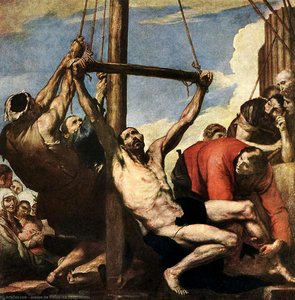
The Lamentation


 Devamını Oku
Giclée / Sanat Baskısı
Hızlı üretim ve esnek bitiş seçenekleriyle müze kalitesinde giclée veya kanvas baskı. ( El Yapımı Tablo Satın Al Dijital Görsel Satışına Geç)




P118B ₺10

P118H ₺10

P118W ₺10

P438Z ₺10

P508JH ₺12

P508YH ₺12

P805H ₺10

P805Z ₺10

P919BZ ₺10

P919G ₺10

P919XJ ₺10

P959ZH ₺10

P968JZ ₺12

W106C ₺8

W218G ₺10

W218JH ₺8

W218Y ₺10

W307PJ ₺10

W316G ₺10

W316PJ ₺8

W316Y ₺10

W398PJ ₺8

W4111J ₺10

W500HY ₺15

W500JH ₺15

W692G ₺12

W849H ₺8

W940BG ₺15

W953PJ ₺8




Eserin orijinal oranlarıyla uyumlu, önceden belirlenmiş boyutlarımız arasından seçim yapın.

Çerçevenize veya duvarınıza uygun olması için ihtiyacınız olan genişlik ve yüksekliği yazın. Bir baskı yalnızca kesilebilir, görselden daha büyük hale getirilemez; bu nedenle farklı bir formdaki boyut seçimi, görselin bir kısmının kaybına neden olur. Herhangi bir baskı yapmadan önce onaylamanız için size bir dijital taslak gönderiyoruz. Bu sayfada gösterilen resim gerçek kesimi göstermez — bunu yalnızca taslak gösterir.
Dünya Çapında Teslimat (); standart 4/5 hafta yerine 2 haftada. (21 Ekim)

Dünya Çapında Ücretsiz Ekspres Kargo

Yüksek Kaliteli Keten Tuval

Tam Nakliye Sigortası

Gümrük Vergisi İadesi Garantisi

Gerçek Renk Uyumu Garantisi

100 Günlük İade Koşulları (Sadece Üretim Hatalı Ürünler İçin)

%100 Para İade Garantisi

Toplu Alım Avantajı
 Cam seçeneği yalnızca 110 cm altındaki boyutlar için mevcuttur.

The Lamentation
Giclée / Sanat Baskısı
Baskı Boyutu
-


Toplam Fiyat
₺ 3907
A Symphony of Shadow and Sorrow
In the profound stillness of Jusepe de Ribera’s 1633 masterpiece, The Lamentation, the viewer is not merely an observer but a witness to one of humanity's most visceral moments of grief. This Baroque triumph captures the heavy, breathless aftermath of the Crucifixion, where the lifeless body of Christ is cradled by those who loved him most. Ribera, known affectionately as Lo Spagnoletto, directs our gaze through a masterful use of tenebrism—a technique of extreme chiaroscuro that plunges much of the scene into an impenetrable, velvety darkness. From this void, light emerges with surgical precision, illuminating the pale, wounded flesh of Christ and the tear-streaked faces of his mourners. It is a composition that breathes with a heavy, somber rhythm, pulling the soul into the intimate circle of mourning.
The emotional architecture of the painting relies on a deliberate pyramidal structure, a classic Renaissance and Baroque device that provides stability to an otherwise turbulent scene of despair. At the apex of this human monument lies the central figure of Christ, his vulnerability underscored by the stark contrast between his luminous skin and the deep, earthy shadows surrounding him. The figures are tightly grouped, creating a sense of claustrophobic intimacy that mirrors the overwhelming weight of loss. As your eyes move through the composition, you encounter the rugged textures of draped fabrics, the weathered skin of the disciples, and the subtle, rhythmic lines of grief-stricken gestures that guide the viewer toward the heart of the tragedy.
The Mastery of Neapolitan Realism
To understand the power of The Lamentation, one must look to the vibrant, often brutal artistic milieu of 17th-century Naples. Under Spanish rule, Naples became a crucible for a new kind of realism—one that eschewed idealized beauty in favor of anatomical truth and raw, unvarnished emotion. Ribera was the undisputed protagonist of this movement. His technique involved a meticulous study of light and shadow, often informed by his fascination with the human form in its most extreme states. In this work, every fold of the heavy cloth and every crease in the mourners' brows is rendered with breathtaking precision, achieved through the careful layering of oil pigments on canvas.
The color palette is intentionally restrained, a somber arrangement of deep browns, midnight blacks, and bruised reds. These muted tones serve to heighten the impact of the few highlights present—the brilliant white of a shroud or the sickly pallor of Christ’s torso. This limited chromatic range prevents any distraction from the central spiritual narrative, ensuring that the viewer remains anchored in the gravity of the subject matter. For the discerning collector or interior designer, such a piece offers more than mere decoration; it provides a profound focal point of intellectual and emotional depth, capable of anchoring a room with its quiet, commanding presence.
A Timeless Legacy for the Modern Collector
Beyond its technical brilliance, The Lamentation serves as a profound meditation on mortality, faith, and the universality of human suffering. The symbolism is woven into the very fabric of the paint: the light represents the divine presence even in death, while the encroaching shadows symbolize the shroud of mortality. It is an artwork that demands contemplation, inviting those who live with it to reflect on the resilience of the human spirit amidst profound darkness.
For those seeking to curate a space of distinction, a high-quality reproduction of this Ribera masterpiece offers an unparalleled opportunity to introduce historical weight and dramatic elegance into a contemporary setting. Whether placed in a quiet study, a grand gallery, or a sophisticated living space, the painting’s interplay of light and shadow creates an atmosphere of timelessness. It is an investment in art that does not merely occupy space but transforms it, offering a window into the soul of the Baroque era and a permanent connection to the enduring power of classical storytelling.
Soru ve Cevaplar
"The Lamentation" adlı eser, Jusepe De Ribera'in gelişiminin hangi aşamasını temsil ediyor?
"The Lamentation", Jusepe De Ribera sanatçısının Mature Baroque Style dönemini temsil etmektedir."
Jusepe De Ribera imzalı "The Lamentation" tanınmış bir sanat eseri mi?
Jusepe De Ribera imzalı "The Lamentation" için kaydedilen popülerlik seviyesi Iconic'dir.
"The Lamentation" eserini kim ve hangi yılda yarattı?
"The Lamentation" eserinin yazarı Jusepe De Ribera olup, yapım yılı 1633'dır.
Sanatçı Biyografisi
Hayatın Gölge ve Işıkta Şekillenmesi
Jusepe de Ribera, pek çok kişi tarafından “Lo Spagnoletto” – “Küçük İspanyol” – olarak bilinen, Barok dönemin seçkin bir figürüydü. Tuvaleri dramatik yoğunlukla ve tavizsiz gerçekçilikle doluydu. 1591 yılında Xàtiva, İspanya’da doğan Ribera’nın yolculuğu, onu Valensiya kökenlerinden uzaklaştırdı ve sonunda 17. yüzyılın Napoli şehrinde önemli ressamlardan biri olarak yerini sağlamlaştırdı. O dönemde İspanyol yönetimi altında olan bu şehir onun için hem sanatsal evi hem de eşsiz stilinin oluştuğu kazan oldu. Ribera’nın hayatı, sadece sanatsal bir gelişim kroniği değildi; zorluklar, hırs ve insan durumunu ham karmaşıklığıyla tasvir etmeye yönelik sarsılmaz bir bağlılıkla örülü bir anlatıydı. Erken biyografik detaylar hala bazı gizemler içinde kalsa da, 1607 civarında İtalya’ya geldiğini, başlangıçta Roma’ya yerleştiğini ve ardından 1616 yılında Napoli’ye yöneldiğini biliyoruz; bu şehir onun sanatsal evi olacak ve benzersiz stilinin oluşumuna zemin hazırlayacaktı. Yerel bir ressamın kızı olan Caterina Azzolino ile evliliği, Neapolitan sanat dünyasıyla bağlarını güçlendirdi ve canlı, ancak çoğu zaman çalkantılı atmosferinde gelişmesini sağladı.Tenebrizm’in Kucaklanması ve Gerçekçi Vizyon
Ribera’nın sanatsal oluşumu, İtalyan resminin hakim akımları tarafından derinden şekillendi. Caravaggio’nun etkisi yadsınamaz; Ribera, ustasının devrimci tenebrism kullanımını – ışık ve gölgenin dramatik etkileşimi – duygusal güçle dolu sahneler yaratmak için özümsedi. Ancak sadece taklit etmedi. Bu tekniği Guido Reni gibi diğer ustalardan elde ettiği öğelerle sentezledi, kompozisyonlarına klasik bir duyarlılık katarken Caravaggio’nun gerçekçiliğinin canlı etkisini korudu. Bu füzyon, kendine özgü bir stil ortaya çıkardı: keskin kontrastlar, yoğun odaklı figürler ve insan acısını ve ruhani coşkuyu neredeyse acımasız bir dürüstlükle tasvir etme ile karakterize edilen bir stil. Erken eserleri, örneğin Aziz Bartholomew’nun Şehadeti, bu yaklaşımı örnekliyor – acının tavizsiz detaylarla işlendiği tüyler ürpertici bir tasvir. Martirdomun fiziksel gerçeklerini göz ardı etmedi; bükülmüş bedenler, gergin kaslar, cilt ve kemik dokusu. Bu gerçekçiliğe olan bağlılık dini konuların ötesine uzandı; dilencilerin ve sıradan insanların portreleri, genellikle filozof veya aziz olarak tasvir edildiğinde, o zamana göre çığır açıcıydı ve daha önce sanatta nadiren görülen bir saygınlık ve önem düzeyine yükseltiliyordu.Türler Arası Bir Kariyer ve Gelişen Stiller
Ribera’nın sanatsal üretimi dikkat çekici derecede çeşitlilik gösterdi. Belki de en çok dini resimleri – şehitlik sahneleri, aziz tasvirleri ve dramatik İncil anlatıları – ile tanınır; ancak portre, natürmort ve hatta manzara resminde de ustaydı. Örneğin, Aziz Jerome ve Melek, eserinde sanatçılığının daha yumuşak, daha düşünceli bir yanını sergilerken, yine de işini tanımlayan karakteristik dramatik aydınlatmayı koruyor. Kariyeri boyunca Ribera’nın stili ince ama önemli evrimler geçirdi. Erken resimleri neredeyse çileci gerçekçilik ve tenebrism’in keskin kullanımı ile işaretlenmiştir. Napoli’de sağlam bir şekilde yerleştikten sonra, paleti zenginleşti, kompozisyonları daha karmaşık hale geldi ve aydınlatması biraz yumuşadı. Ancak Barok estetiğinin temel unsurları – duygusal yoğunluk, dramatik anlatılar ve insan deneyimini dürüstlükle tasvir etmeye yönelik sarsılmaz bağlılık – sabit kaldı. Şaşırtıcı bir hassasiyetle dokuları işleyebilen, bir dilencinin pelerinin kaba kumaşından genç bir azizin pürüzsüz cildine kadar bir zanaatkar ustasıydı.Miras ve Kalıcı Etki
Jusepe de Ribera’nın sanat dünyasına etkisi, Napoli atölyesinin ötesine uzandı. Velázquez, Zurbarán ve Murillo gibi ustalarla birlikte İspanyol Barok resminin önemli bir figürü oldu. Tenebrism’in yenilikçi kullanımı ve tavizsiz gerçekçiliği Avrupa genelindeki nesiller boyunca sanatçıları etkiledi. Eserleri, Rönesans sanatının idealize formlarından uzaklaşmak ve daha içgüdüsel, duygusal olarak yüklü bir stili benimsemek isteyenlerle yankı buldu. Daha sonraki sanatçılar bile dramatik kompozisyonlarından ve insan acısının güçlü tasvirlerinden ilham aldılar. Bugün Ribera’nın resimleri dünyanın dört bir yanındaki prestijli müzelerde sergileniyor – Madrid’deki Museo del Prado, Washington D.C.’deki Ulusal Sanat Galerisi ve Avrupa genelindeki birçok kurumda; mirasının 1652’deki ölümünden yüzyıllar sonra da ilham vermeye ve büyülemeye devam etmesini sağlıyor. Zorlu gerçeklerle yüzleşme, insan duygularının derinliklerini keşfetme ve inancın ve dayanıklılığın kalıcı ruhunu aydınlatma gücünün bir kanıtı olarak duruyor.Bir Ustanın Kalıcı Cazibesi
Ribera’nın eserlerine olan sürekli hayranlığın nedeni, zamanı ve kültürel sınırları aşma yeteneğidir. Resimleri sadece tarihi eserler değildir; insan durumuna dair güçlü ifadelerdir – acı, inanç, umut ve umutsuzluk hakkında. Tavizsiz gerçekçiliği bizi rahatsız edici gerçeklerle yüzleşmeye zorlarken, dramatik kompozisyonları ve ışık ve gölgeyi ustaca kullanımı yoğun duygusal bir atmosfer yaratır. Sevgiyle “Lo Spagnoletto” olarak bilinen Ribera, geride hem derinden dokunaklı hem de entelektüel açıdan uyarıcı bir eser bıraktı – Barok döneminin en büyük ustalarından biri olarak yerini sağlamlaştıran bir miras. Resimleri sadece hayranlık duyulacak şeyler değil; deneyimlenecek şeylerdir—kişinin derinliklerinde hissedilecek şeylerdir.
Jusepe De Ribera
1591 - 1652 , İspanya
Kısa Bilgiler
- Bu Sanatçıdan Etkilenenler:
- José de Ribera
- Avrupa ustaları
- Doğum Tarihi: 1591
- Doğum Yeri: Xativa, İspanya
- Etkilendiği Sanatçılar:
- Caravaggio
- Guido Reni
- Sanatsal Akım: Barok
- Tam Adı: Jusepe de Ribera
- Uyruğu: İspanyol
- Ölüm Tarihi: 1652
- Önemli Eserleri:
- Aziz Bartolomeus'un Şehadeti
- Aziz Jerome ve Melek
İlgili Yazılar

The Visceral Stage: Exploring Dramatic Narratives & Emotional Intensity in Baroque Art
Explore the dramatic world of Baroque art! Discover iconic masters like Caravaggio & Rembrandt, their techniques, and the movement's lasting impact. Expert insights for collectors & enthusiasts at OriginalUniqueArt.

The Dramatic Flourish: Exploring the Baroque Movement's Enduring Legacy in Art History
Explore the dramatic world of Baroque art! Discover iconic artists like Caravaggio & Rubens, defining techniques, and its lasting impact on art history. Expert insights for collectors & enthusiasts at OriginalUniqueArt.
The Golden Age Reforged: Dramatic Realism & Religious Zeal in Spanish Baroque Art
Explore the dramatic world of Spanish Baroque art! Discover masters like Zurbarán & the powerful influence of religious zeal on painting techniques – a guide for collectors and enthusiasts.
The Dramatic Flourish: Exploring Themes of Power, Faith & Emotion in Baroque Artworks
Explore the dramatic world of Baroque art! Discover masters like Zurbarán & the powerful influence of religious zeal on painting techniques. Expert insights for collectors and enthusiasts.
Jusepe de Ribera: Dramatic Realism & Spiritual Intensity in the Spanish Golden Age
Explore the powerful Baroque paintings of Jusepe de Ribera, master of tenebrism and dramatic realism. Discover his spiritual intensity, influence on Spanish art, and considerations for collectors. Expert insights at OriginalUniqueArt.