

 Önizle
 Gönder
 Paylaş
 Detaylar
 Rehber

 Dosyayı İndir
 Benzerleri
 X-Işını
 Slayt Gösterisi
 İstatistikler
Saint John the Baptist
 Devamını Oku
Giclée / Sanat Baskısı
Hızlı üretim ve esnek bitiş seçenekleriyle müze kalitesinde giclée veya kanvas baskı. ( El Yapımı Tablo Satın Al Dijital Görsel Satışına Geç)




































Eserin orijinal oranlarıyla uyumlu, önceden belirlenmiş boyutlarımız arasından seçim yapın.

Belirli bir çerçeveye veya alana uyması için kendi ölçülerinizi girebilirsiniz. Seçtiğiniz boyut orijinal görüntünün oranlarıyla eşleşmiyorsa, sanat eserini kırpacağız veya görüntüyü aynalanmış ya da düz dolgulu bir kenarlıkla genişleteceğiz. Üretim başlamadan önce onayınız için bir dijital taslak gönderilecektir.
Lütfen ekrandaki önizlemenin gerçek kırpma veya genişletmeyi yansıtmadığını unutmayın. Nihai kompozisyonu yalnızca taslak doğru bir şekilde gösterecektir.
Özel boyutlar mevcut olsa da, orijinal oranları korumak için önceden tanımlanmış listeden bir boyut seçmenizi öneririz.
Dünya Çapında Teslimat (); standart 4/5 hafta yerine 2 haftada. (25 Eylül)

Dünya Çapında Ücretsiz Ekspres Kargo

Yüksek Kaliteli Keten Tuval

Tam Nakliye Sigortası

Gümrük Vergisi İadesi Garantisi

Gerçek Renk Uyumu Garantisi

100 Günlük İade Koşulları (Sadece Üretim Hatalı Ürünler İçin)

%100 Para İade Garantisi

Toplu Alım Avantajı
 Cam seçeneği yalnızca 110 cm altındaki boyutlar için mevcuttur.

Saint John the Baptist
Giclée / Sanat Baskısı
Baskı Boyutu
-


Toplam Fiyat
$ 80
Sanatçı Biyografisi
Juan Martínez Montañés: The God of Wood
Juan Martínez Montañés (1568-1649) stands as a monumental figure in Spanish Baroque sculpture, earning the moniker “El Dios de la Madera” (“The God of Wood”) due to his unparalleled mastery of wood carving and polychromy—techniques that elevated it beyond mere craftsmanship into an art form itself. Born in Alcalá la Real, Jaén, Montañés’s formative years coincided with a period of artistic ferment in Seville, where he honed his skills under Pablo de Roxas before establishing a prolific workshop that would shape the visual landscape of Spain for decades to come. His legacy extends far beyond individual masterpieces; he fundamentally redefined Baroque aesthetics and profoundly influenced subsequent generations of sculptors.- Early Life & Training: Montañés’s artistic journey began in Granada, where he studied under Pablo de Roxas, absorbing the stylistic nuances of Mannerism while simultaneously embracing emerging Baroque principles. This dual influence would become a cornerstone of his distinctive artistic vision.
- Seville Workshop & Artistic Output: Montañés established a workshop in Seville around 1587, attracting talented assistants and producing an astonishing volume of sculptural works—estimated to be over 300 pieces—spanning altarpieces, funerary monuments, portraits, and decorative sculptures.
- Technique & Innovation: Montañés revolutionized wood sculpture through his innovative “encarnación” technique – a method of applying gesso (a plaster mixture) to wooden panels followed by meticulous polishing and gilding—creating surfaces that shimmered with gold leaf and achieved an astonishing level of realism.
Masterpieces & Notable Commissions
Montañés’s artistic reputation soared during his lifetime, fueled by commissions from prominent patrons and ecclesiastical institutions across Spain. His crowning achievement remains the Great Altar of St Jerome at San Isidoro del Campo near Seville (completed in 1613), a monumental testament to Baroque grandeur and considered one of the finest examples of polychromed wood sculpture ever created. This altar exemplifies Montañés’s meticulous attention to detail, dramatic lighting effects, and masterful use of color—characteristics that define his artistic style. Other significant commissions included altars at Santa Clara and San Miguel in Seville, as well as the Immaculate Conception and Christ Crucified for Seville Cathedral (1603), cementing his position as Seville's foremost sculptor. Notably, he undertook a portrait commission from Diego Velázquez, whose tutor had mentored him, resulting in an iconic depiction of Philip IV—a painting that captures not only royal likeness but also Montañés’s artistic sensibility and intellectual engagement.- The Great Altar of St Jerome: This masterpiece showcases Montañés's unparalleled skill in wood carving and polychromy, demonstrating his ability to convey emotion and spiritual depth through sculptural form.
- Cristo de la Clemencia: Commissioned in 1603, this sculpture exemplifies Montañés’s commitment to realism and dramatic composition—a hallmark of Baroque art.
- Philip IV Portrait by Velázquez: This portrait reflects Montañés's influence on Velázquez's artistic style and underscores the symbiotic relationship between two leading figures in Spanish Baroque culture.
Influence & Legacy
Juan Martínez Montañés’s impact extended beyond his own lifetime, shaping the artistic landscape of Spain and Latin America for centuries to come. His workshop produced a cadre of talented students who carried forward his stylistic innovations—particularly in wood carving and polychromy—establishing Seville as a center for Baroque sculpture. Furthermore, Montañés's meticulous realism and refined taste served as an inspiration for artists across Europe, influencing the development of sculptural techniques and aesthetic ideals. His enduring legacy resides not only in his monumental works but also in his contribution to the intellectual and artistic discourse of his era—a testament to his profound understanding of art history and his unwavering dedication to excellence.- Student Influence: Montañés’s workshop fostered a vibrant artistic community, nurturing the talents of Juan de Mesa y Velasco and Alonzo Martínez, who continued Montañés's stylistic traditions.
- European Impact: Montañés’s techniques and aesthetic sensibilities resonated throughout Europe, contributing to the broader evolution of Baroque sculpture across the continent.
Concluding Remarks
Juan Martínez Montañés remains an undisputed titan of Spanish Baroque art—a sculptor whose mastery of wood carving and polychromy elevated it to unparalleled heights of artistic achievement. His unwavering commitment to realism, combined with his impeccable taste and profound understanding of visual culture, secured his place as “El Dios de la Madera,” a title that encapsulates the essence of his extraordinary legacy and continues to inspire admiration for generations of art historians and enthusiasts alike.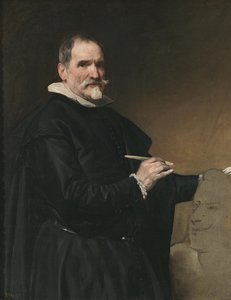
juan martínez montañés
1568 - 1649 , Spain
Kısa Bilgiler
- Artistic Movement Or Style: Baroque art
- Artists Or Movements Influenced By This Artist: ['Diego Velázquez']
- Artists Who Influenced This Artist: ['Pablo de Roxas']
- Date Of Birth: March 16, 1568
- Date Of Death: June 18, 1649
- Full Name: Juan Martínez Montañés
- Nationality: Spanish
- Notable Artworks:
- The Great Altar of St Jerome at San Isidoro del Campo
- Cristo de la Clemencia
- Portrait of the Sculptor
- Place Of Birth: Alcalá la Real, Spain
