
 Gerçek Boyutta Önizle
 Paylaş
 Paylaş
 Detayları Gör
 Rehber

 İndir
İndir
 Benzer ürünler
 X-Işını
 Slayt Gösterisi
 Soru & Cevap
 İstatistikler
Vesuvius from Posillipo

- 63.0 x 83.0 cm


 Tümünü Gör
Giclée / Sanat Baskısı
Hızlı üretim ve esnek bitiş seçenekleriyle müze kalitesinde giclée veya kanvas baskı. ( El Yapımı Tablo Satın Al Dijital Görsele Geç)




P118B ₺10

P118H ₺10

P118W ₺10

P438Z ₺10

P508JH ₺12

P508YH ₺12

P805H ₺10

P805Z ₺10

P919BZ ₺10

P919G ₺10

P919XJ ₺10

P959ZH ₺10

P968JZ ₺12

W106C ₺8

W218G ₺10

W218JH ₺8

W218Y ₺10

W307PJ ₺10

W316G ₺10

W316PJ ₺8

W316Y ₺10

W398PJ ₺8

W4111J ₺10

W500HY ₺15

W500JH ₺15

W692G ₺12

W849H ₺8

W940BG ₺15

W953PJ ₺8




Eserin orijinal oranlarıyla uyumlu, önceden belirlenmiş boyutlarımız arasından seçim yapın.

Çerçevenize veya duvarınıza uygun olması için ihtiyacınız olan genişlik ve yüksekliği yazın. Bir baskı yalnızca kesilebilir, görselden daha büyük hale getirilemez; bu nedenle farklı bir formdaki boyut seçimi, görselin bir kısmının kaybına neden olur. Herhangi bir baskı yapmadan önce onaylamanız için size bir dijital taslak gönderiyoruz. Bu sayfada gösterilen resim gerçek kesimi göstermez — bunu yalnızca taslak gösterir.
Dünya Çapında Teslimat (); standart 4/5 hafta yerine 2 haftada. (4 Kasım)

Dünya Çapında Ücretsiz Ekspres Kargo

Yüksek Kaliteli Keten Kanvas

Tam Nakliye Sigortası

Gümrük Vergisi İadesi Garantisi

Gerçek Renk Uyumu Garantisi

100 Günlük İade Politikası (Sadece Kusurlu Ürünler İçin)

%100 Para İade Garantisi

Toplu Alım İndirimi
 Cam seçeneği yalnızca 110 cm altındaki boyutlar için mevcuttur.

Vesuvius from Posillipo
Giclée / Sanat Baskısı
Reproduksiyon Boyutu
-


Toplam Tutar
₺ 3985
Vesuvius from Posillipo: A Window into Enlightenment’s Dramatic Soul
Joseph Wright of Derby's "Vesuvius from Posillipo," painted in 1788, isn’t merely a landscape; it’s a carefully orchestrated drama of light, shadow, and the sublime. This captivating work transcends simple depiction, offering a profound meditation on nature’s power, human perception, and the burgeoning spirit of scientific inquiry that defined the era. Wright, often dubbed “the painter of light,” masterfully employs his signature technique of *tenebrism* – an intense contrast between illumination and darkness – to draw the viewer into the heart of the scene, creating a palpable sense of awe and even a touch of foreboding.
The painting captures the view from Posillipo, a coastal suburb of Naples, looking out towards Mount Vesuvius. The volcano dominates the background, not as a terrifying monster, but as a majestic, almost ethereal presence. Wright doesn’t depict an eruption—he was fortunate enough to have witnessed only dormant activity during his Italian sojourn – instead, he focuses on the *potential* for destruction and the raw power simmering beneath the surface. The smoke billowing from the crater is rendered in delicate shades of grey and black, subtly hinting at the volatile forces contained within. The sea, a deep, reflective blue, mirrors the sky above, creating an illusionistic depth that pulls the viewer into the scene.
A Masterclass in Chiaroscuro and Scientific Observation
Wright’s skill lies not just in his ability to capture a landscape, but in how he uses light to shape our understanding of it. The foreground is bathed in a soft, diffused glow, suggesting moonlight reflecting off the water – a detail that adds an element of mystery and romance. The volcano itself is partially obscured by shadow, emphasizing its imposing scale and hinting at the darkness within. This careful manipulation of light and dark isn’t arbitrary; it reflects Wright's fascination with optics and his desire to represent the world as he *perceived* it, informed by his growing interest in scientific principles.
Interestingly, analysis of the painting reveals that Wright employed a unique approach to color. The ground is painted using gypsum rather than chalk, a detail that contributes to the overall sense of drama and depth. The use of subtle yellows and oranges within the smoke suggests the presence of sulfur, further grounding the scene in scientific observation. This meticulous attention to detail speaks volumes about Wright’s commitment to capturing not just the appearance of Vesuvius, but also its underlying geological reality.
Symbolism and the Age of Enlightenment
“Vesuvius from Posillipo” is deeply intertwined with the intellectual currents of the late 18th century. Wright's trip to Italy coincided with a renewed interest in classical antiquity and a growing fascination with scientific discovery. The painting can be seen as an allegory for the forces shaping Europe at the time – the potential for both creation and destruction, progress and ruin. The Lunar Society of Birmingham, a group of scientists, philosophers, and industrialists that Wright frequented, were deeply interested in understanding the natural world through observation and experimentation. This painting embodies their spirit of inquiry, prompting viewers to contemplate the relationship between humanity and nature.
Furthermore, the dramatic lighting evokes the theatricality favored by Enlightenment thinkers who sought to illuminate complex ideas through compelling narratives. Wright’s use of chiaroscuro mirrors the philosophical debates of the era, exploring themes of light and darkness, reason and intuition. The painting serves as a visual representation of this intellectual ferment, capturing the excitement and uncertainty of a world undergoing rapid transformation.
A Timeless Vision: Reproduction and Beyond
Reproductions of “Vesuvius from Posillipo” offer a remarkable opportunity to experience Wright’s masterful technique and evocative vision. Whether adorning a grand salon or a more intimate space, this painting continues to captivate viewers with its dramatic intensity and profound symbolism. It's a testament to Wright's ability to transform a natural phenomenon into a powerful meditation on the human condition – a timeless reminder of nature’s beauty, power, and inherent drama.
Soru ve Cevaplar
"Vesuvius from Posillipo" hangi teknikle yapılmıştır?
Joseph Wright, "Vesuvius from Posillipo" adlı eserinde Oil On Canvas tekniğini kullanmıştır. Bu teknik, orijinal eserin maddi doğasını tanımlar.
Joseph Wright imzalı "Vesuvius from Posillipo" eserini hangi teknik ve üslup tanımlıyor?
Joseph Wright imzalı "Vesuvius from Posillipo", Oil On Canvas tekniğini Romanticism üslubuyla birleştiriyor. Teknik ve akım, eserin yapılış biçimini ve tarzını tanımlar.
Joseph Wright imzalı "Vesuvius from Posillipo" eserinin tekniği ve yapım tarihi nedir?
"Vesuvius from Posillipo", 1788 yılında Oil On Canvas tekniği kullanılarak üretilmiştir. Malzeme ve tarih, eserin orijinalinin nasıl ve ne zaman yapıldığını tanımlar.
Sanatçı Özgeçmişi
Derby’nin Aydınlatıcısı: Joseph Wright ve Sanayi Devrimi’nin Şafağı
Joseph Wright, tarih boyunca “Wright of Derby” olarak anılan bir ressamdan çok daha fazlasıydı; insanlığın varoluşunun kritik bir anını yakalayan görsel bir filozoftu. 1734 yılında İngiltere'nin yükselen sanayi kalbinde doğan Wright, zamanını sadece tasvir etmekle kalmadı—onu hem kelimenin tam anlamıyla hem de mecazi olarak *aydınlattı*. Tuvaleri, görkemli tarihi anlatılar veya aristokrat portreleriyle dolu değildi; bilimsel keşfin enerjisiyle, aydınlanma düşüncesinin dramasıyla ve insan yeniliği tarafından geri dönülemez bir şekilde değiştirilmiş bir manzaranın çarpıcı güzelliğiyle doluydu. Kendisi, medeniyeti yeniden tanımlayacak bir çağ olan Sanayi Devrimi’nin ruhunu ilk gerçek anlamda kavrayan ve kutlayan büyük sanatçı olarak öne çıkıyor. Babasının hukuk mesleğinin pratik dünyasında geçen erken yaşamı, belki de daha sonraki hassasiyetini ve gözlem tutkusunu şekillendiren sağlam bir temel sağladı. Başlangıçta hukuka yönelmesine rağmen, genç Joseph'in sanata olan eğilimi karşı konulamazdı ve onu on yedi yaşında günün önde gelen portre ressamı Thomas Hudson’ın yanında eğitim almak için Londra’ya götürdü. Bu resmi eğitim bir temel oluşturdu, ancak Wright’ın doğuştan gelen merakı ve bağımsız ruhu nihayetinde benzersiz sanatsal yolunu çizmesine olanak sağladı.Chiaroscuro ve Sorgulama Ruhu
Wright'ın teknik ustalığı, Barok ustalarından Caravaggio'dan ödünç alınmış ancak belirgin bir şekilde modern bir duyarlılıkla kullanılan chiaroscuro’nun dramatik kullanımıyla hemen fark edilir. Sadece görsel drama yaratmakla ilgilenmiyordu; bilgiyi açığa çıkarma sembolü olarak, karanlık ve anlayış arasındaki mücadeleyi temsil etmek için ışığı ve gölgeyi kullandı. *Hava Pompası Üzerindeki Deney* (1768) gibi şaheserleri düşünün; mum ışığı bir bilimsel gösteriye tanık olan izleyicilerin yüzlerine keskin bir rahatlık yansıtır—hem merak hem de kaygı dolu bir sahne. Resim sadece deneyin kendisi hakkında değil; aynı zamanda insanlığın yükselen merakını, doğanın gizemlerini araştırma isteğini ve bu çabaların etik sonuçlarını keşfetmekle ilgilidir. Benzer şekilde, *Bir Orrery Üzerine Ders Veren Bir Filozof* (1766), büyüleyici bir sahnede minyatür bir güneş sistemi sunar; sadece seyircilerin yüzlerini aydınlatmakla kalmaz, aynı zamanda genişleyen bilimsel düşünce evrenini de aydınlatır. Bunlar izole olaylar değildi; Wright sürekli olarak bilimi, felsefeyi ve insan duygusunu keşfetmesine izin veren konular aradı. Stili, Alexander Cozens’ın kompozisyon yaklaşımlarından etkilenmiş olsa da, kendine özgü bir görsel dil oluşturarak şiddetle bağımsız kaldı.Portrelerin Ötesinde: Manzaralar ve Romantik Duyarlılık
Wright, “mum ışığı resimleri” ile kutlanırken, onu bu tek yönüyle sınırlamak büyük bir haksızlık olurdu. Aynı zamanda yetenekli bir manzara ressamıydı; Derbyshire’ın engebeli güzelliğini ve ötesini giderek artan Romantik duyarlılıkla yakaladı. *Ay Işığında Dovedale* gibi eserler, ince ışık ve gölge tonlamalarıyla atmosferi ve duyguyu uyandırma yeteneğini gösteriyor; tanıdık sahneleri etkileyici vizyonlara dönüştürüyor. Manzaraları sadece topografik temsiller değildi; doğaya karşı hayranlık ve saygı hissiyle aşılanmışlardı—Romantik hareketle derin bir şekilde yankılanan bir duygu. Ancak bu görünüşte sakin sahnelerde bile genellikle melankoli veya gizem ipuçları vardır; doğanın kırılganlığını ve değişimin kaçınılmazlığını ima eder. *Rydal Şelalesi* (1795), tek bir kompozisyonda hem güç hem de huzuru yakalama ustalığını örneklendiriyor.Işıkta ve Gölgelerde Oluşturulan Bir Miras
Wright'ın İngiliz sanatına etkisi derin oldu, ancak belki de yaşamı boyunca hemen tanınmadı. Yerleşik sanatsal çevrelerden bazı dirençlerle karşılaştı; tam üyelik teklif edildiğinde Royal Academy’ye katılmayı reddetti—bağımsız ruhunun bir kanıtı. Ancak etkisi resmi kurumlara uzandı. William Pether ve John Downman gibi sanatçılar, özellikle dramatik ışık ve gölge kullanımından doğrudan ilham aldılar. Daha geniş anlamda, Wright'ın çalışması, modern dünyanın dinamizmini ve karmaşıklığını yakalamak isteyen yeni bir nesil sanatçıların yolunu açtı. Sadece gördüklerini resmetmedi; *hissettiğini* resmetti—bir çağın heyecanını, kaygısını, merakını—dönüşümün eşiğinde. Resimleri bugün dünya çapındaki büyük müzelerde sergileniyor ve Derby’nin aydınlatıcısının sanat, bilim ve insan ruhunu aydınlatmaya devam etmesini sağlıyor.- Önemli Eserler: *Hava Pompası Üzerindeki Deney*, *Bir Orrery Üzerine Ders Veren Bir Filozof*, *Ay Işığında Dovedale*.
- Etkiler: Thomas Hudson, Alexander Cozens, Caravaggio gibi Barok ustaları.
- Temel Özellikler: Dramatik chiaroscuro, bilimsel temaların keşfi, Romantik manzaralar.

Joseph Wright
1734 - 1797 , Birleşik Krallık
Kısa Bilgiler
- Doğum Tarihi: 3 Eylül 1734
- Doğum Yeri: Derby, Birleşik Krallık
- Etkilenen Sanatçılar:
- Thomas Hudson
- Alexander Cozens
- Sanatsal Akım: Chiaroscuro, Romantizm
- Tam Adı: Joseph Wright of Derby
- Uyruğu: İngiliz
- Ölüm Tarihi: 29 Ağustos 1797
- Önemli Eserleri:
- Kuş Üzerindeki Deney
- Bir Filozof Ders Veriyor
- Dovedale Ay Işığında
Benzer Yazılar

Romantik Resmin Zirveleri: Evinizi Sanatla Süsleyen 10 Usta Manzara
Romantizm sanatının en etkileyici 10 başyapıtını keşfedin! Friedrich, Turner gibi ustaların büyüleyici manzaralarıyla evinizi dönüştürün. Sanat tarihi ve dekorasyon rehberi OriginalUniqueArt.com'da tüm koleksiyonu inceleyin.

Evocations of Place: A Historical Journey Through Landscape Art
Explore the rich history of landscape art with OriginalUniqueArt. Discover renowned artists, movements like Impressionism & Romanticism, and expert guidance for collecting timeless pieces. Find your perfect serene escape today!
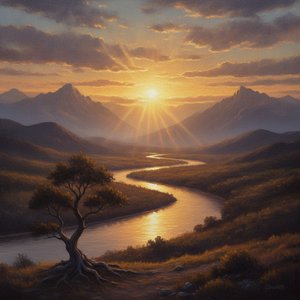
Golden Hour Magic: Capturing the Ethereal Beauty of Sunset Landscapes in Fine Art
Embark on a visual journey through the golden hour. Discover how master painters capture the ethereal glow of sunsets, from Monet's Impressionism to the Hudson River School. Explore timeless techniques and bring the magic of twilight into your home with exquisite fine art reproductions.

Evoking Atmosphere & Identity: A Journey Through Landscape Painting's History
Explore the rich history of landscape painting! Discover renowned artists, movements like Romanticism, & techniques such as atmospheric perspective. Find inspiration and quality reproductions at OriginalUniqueArt.

John Constable'ın En İyi 25 Eseri: İngiliz Manzaralarının Büyüsü OriginalUniqueArt'ta
John Constable'ın en iyi 25 eserini keşfedin! İngiliz manzara sanatının büyülü dünyasına dalın, romantizm akımını ve kırsal yaşamı yansıtan tablolarla evinizi zenginleştirin. Sanat reproduksiyonları OriginalUniqueArt'ta.
