
 Önizle
 Gönder
 Paylaş
 Detaylar
 Rehber

 Dosyayı İndir
 Benzerleri
 X-Işını
 Slayt Gösterisi
 İstatistikler
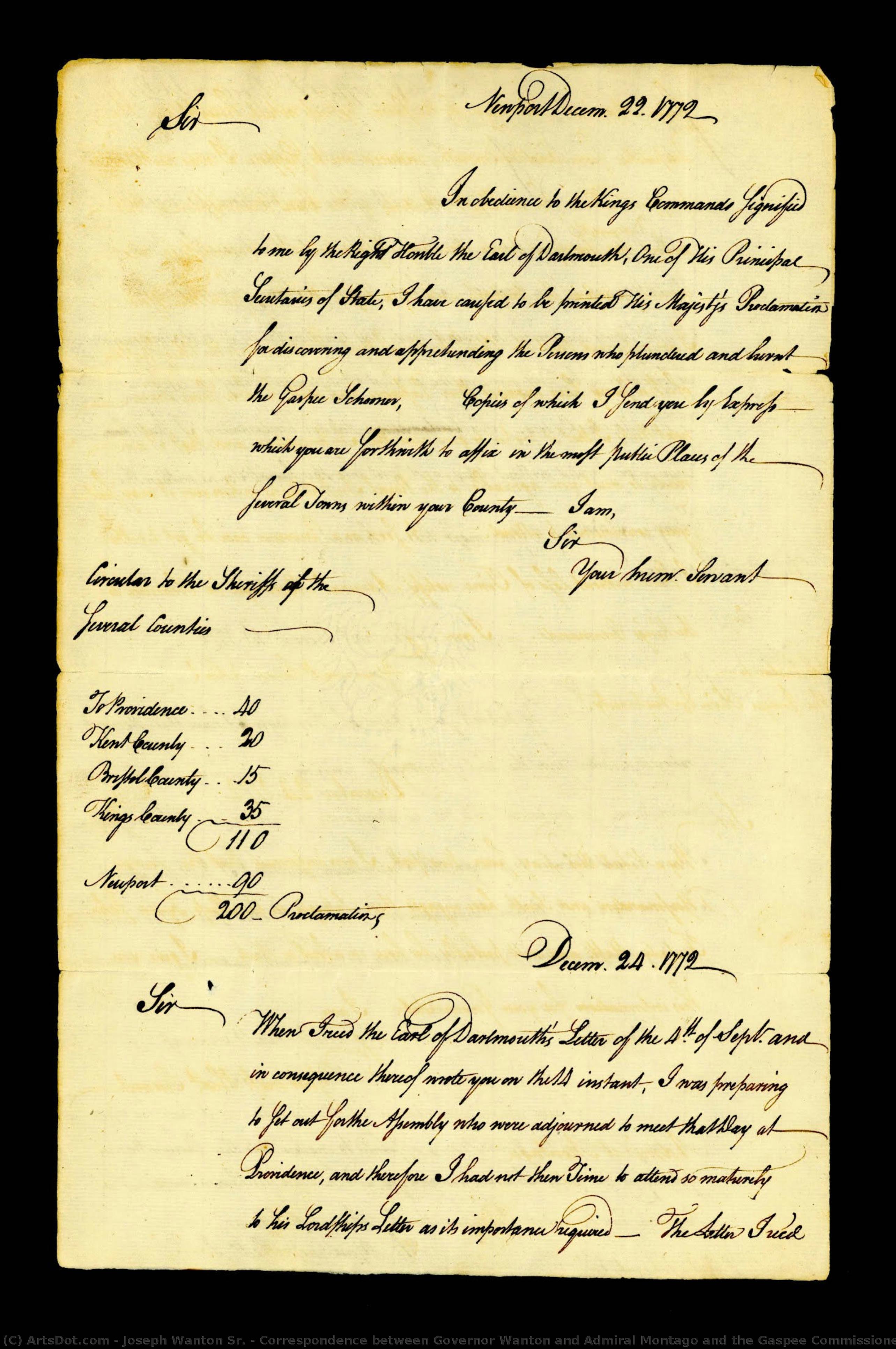
Correspondence between Governor Wanton and Admiral Montago and the Gaspee Commissioners Correspondence between Governor Wanton and Admiral Montago and the Gaspee Commissioners, page 1


 Devamını Oku
Giclée / Sanat Baskısı
Hızlı üretim ve esnek bitiş seçenekleriyle müze kalitesinde giclée veya kanvas baskı. ( El Yapımı Tablo Satın Al Dijital Görsel Satışına Geç)




































Eserin orijinal oranlarıyla uyumlu, önceden belirlenmiş boyutlarımız arasından seçim yapın.

Belirli bir çerçeveye veya alana uyması için kendi ölçülerinizi girebilirsiniz. Seçtiğiniz boyut orijinal görüntünün oranlarıyla eşleşmiyorsa, sanat eserini kırpacağız veya görüntüyü aynalanmış ya da düz dolgulu bir kenarlıkla genişleteceğiz. Üretim başlamadan önce onayınız için bir dijital taslak gönderilecektir.
Lütfen ekrandaki önizlemenin gerçek kırpma veya genişletmeyi yansıtmadığını unutmayın. Nihai kompozisyonu yalnızca taslak doğru bir şekilde gösterecektir.
Özel boyutlar mevcut olsa da, orijinal oranları korumak için önceden tanımlanmış listeden bir boyut seçmenizi öneririz.
Dünya Çapında Teslimat (); standart 4/5 hafta yerine 2 haftada. (25 Eylül)

Dünya Çapında Ücretsiz Ekspres Kargo

Yüksek Kaliteli Keten Tuval

Tam Nakliye Sigortası

Gümrük Vergisi İadesi Garantisi

Gerçek Renk Uyumu Garantisi

100 Günlük İade Koşulları (Sadece Üretim Hatalı Ürünler İçin)

%100 Para İade Garantisi

Toplu Alım Avantajı
 Cam seçeneği yalnızca 110 cm altındaki boyutlar için mevcuttur.

Correspondence between Governor Wanton and Admiral Montago and the Gaspee Commissioners Correspondence between Governor Wanton and Admiral Montago and the Gaspee Commissioners, page 1
Giclée / Sanat Baskısı
Baskı Boyutu
-


Toplam Fiyat
$ 80
Sanatçı Biyografisi
A Life Intertwined with Colonial Currents: Joseph Wanton Sr.
Joseph Wanton Sr., born in Newport, Rhode Island, in 1705, was a figure whose life epitomized the complexities of colonial America. Though not an artist in the traditional sense, his existence became interwoven with artistic representation through depictions like John Greenwood’s lively “Sea Captains Carousing,” and his extensive correspondence provides invaluable insight into the socio-political landscape of 18th-century Rhode Island. Wanton's story isn’t one of brushstrokes and canvases, but rather a narrative etched in mercantile ventures, political maneuvering, and the burgeoning tensions that would ultimately ignite the American Revolution. He emerged from a prominent Quaker family deeply rooted in the colony’s affairs, inheriting both a legacy of influence and a shrewd business acumen. This foundation propelled him into a successful merchant career, navigating the intricate web of colonial trade with skill and ambition. His rise wasn't merely economic; it was a testament to his ability to thrive within the established order while subtly challenging its constraints.From Merchant Prince to Reluctant Governor
Wanton’s ascent continued as he transitioned from successful merchant to governor of Rhode Island in 1769. This appointment placed him squarely at the center of a rapidly escalating conflict between Great Britain and its American colonies. His administration coincided with growing unrest, most notably culminating in the infamous Gaspee Affair of 1772. The burning of the British schooner *Gaspee*, aggressively enforcing trade regulations, became a potent symbol of colonial defiance. Wanton’s response was characteristically cautious yet strategically astute. He skillfully shielded those involved from prosecution by the Crown, demonstrating a commitment to colonial autonomy without necessarily advocating for outright independence. This delicate balancing act reveals a man deeply concerned with preserving stability while acknowledging the legitimate grievances of his constituents. His actions weren't born of radical fervor but rather a pragmatic assessment of the situation and a desire to avoid immediate confrontation. He understood the power dynamics at play and navigated them with a calculated restraint that would define his governorship.Navigating the Tempest: The Road to Revolution
As the specter of revolution loomed larger, Wanton’s cautious approach increasingly clashed with the more radical elements within the Rhode Island General Assembly. While he maintained communication with other colonial governors and contributed to the founding of Brown University (originally New College), his reluctance to embrace armed conflict created friction. He wasn't opposed to reform, but believed a measured response was crucial, fearing that hasty action would lead to disastrous consequences. This position, though perhaps reasonable in its intent, proved untenable as public sentiment shifted towards independence. In 1775, when asked to pledge support for raising an army and commissioning new officers, Wanton refused. This defiance of the assembly’s demands led to his removal from office, replaced by Nicholas Cooke, a figure more aligned with the growing revolutionary zeal. Despite this political setback, Wanton retired peacefully to his Newport home, spared the turmoil of war and living until 1780.A Legacy Beyond Governance: Historical Significance
Joseph Wanton Sr.’s legacy extends beyond his tenure as governor. He offers a valuable lens through which to examine the complexities of colonial governance during a period of immense change. His story highlights the diverse opinions within the colonies regarding independence, demonstrating that not all colonists were ardent revolutionaries. The Gaspee Affair, in which he played a pivotal role, underscores the escalating tensions between Britain and its American possessions. Furthermore, his contribution to the founding of Brown University cemented his place as a benefactor of education and intellectual growth. His surviving letters, meticulously preserved, provide a unique historical record, offering intimate glimpses into 18th-century colonial life. While not celebrated for artistic creation itself, Wanton’s depiction in Greenwood's “Sea Captains Carousing” serves as a visual testament to his prominence within the merchant class and offers a fascinating glimpse into the social dynamics of the era. He remains a significant figure, not as a revolutionary icon, but as a representative of a more cautious, pragmatic approach to navigating the turbulent waters leading to American independence.Artistic Echoes & Enduring Records
Though primarily known for his political and mercantile endeavors, Joseph Wanton Sr.'s connection to the artistic world is embodied in John Greenwood’s “Sea Captains Carousing in Surinam.” This painting, a vibrant snapshot of colonial life, captures Wanton amongst fellow merchants and seafarers engaged in convivial – and somewhat raucous – revelry. The artwork serves as a visual document of the era's social customs and economic pursuits, immortalizing Wanton as a key player within this world. Beyond this pictorial representation, his enduring legacy lies in the wealth of correspondence he left behind. These letters are not merely historical documents; they are windows into the mind of a man grappling with momentous decisions during a pivotal period. They reveal his anxieties, his calculations, and his unwavering commitment to what he believed was best for Rhode Island.- The Gaspee Affair correspondence offers direct insight into his diplomatic efforts.
- His letters regarding the founding of Brown University demonstrate his dedication to education.
- Personal correspondence reveals a nuanced portrait of a man navigating complex family and business relationships.

Joseph Wanton Sr.
1705 - 1780 , United States of America
Kısa Bilgiler
- Artistic Movement Or Style: Historical documents
- Date Of Birth: 1705
- Date Of Death: 1780
- Full Name: Joseph Wanton Sr.
- Nationality: American
- Notable Artworks:
- Correspondence w/ Montago
- Letter to Admiral Montagu
- Copy of a letter to Montagu
- Place Of Birth: Newport, USA
İlgili Yazılar
Joseph Kleitsch: Bridging Impressionism & California Regionalism – A Study of Light and Identity
Explore the life & work of Joseph Kleitsch, a pivotal California Impressionist painter. Discover his vibrant landscapes, portraits, and legacy within the Laguna Beach art colony. A comprehensive study for collectors & enthusiasts.
Iconic Art of the 18th & 19th Centuries: Masterpieces for Your Home | OriginalUniqueArt
Journey through 18th & 19th century art! Explore iconic masterpieces by Monet, Van Gogh & more. Discover the stories behind these timeless paintings and find museum-quality reproductions for your home at OriginalUniqueArt.com.

Reflections of an Age: Social Commentary & Artistic Representation in 18th-Century Society
Explore the social commentary & artistic representation of 18th-century society. Discover Rococo masterpieces, portraiture's power, and shifting historical perspectives. Expert insights for art lovers.

Joseph Highmore: Moral Tales & Domestic Genre in 18th-Century British Art
Explore the captivating world of Joseph Highmore, a leading British Rococo painter. Discover his elegant portraits, insightful 'Pamela' illustrations & contributions to 18th-century art history. Learn more at OriginalUniqueArt.
18th Century Masters: 10 Artworks That Define an Era | OriginalUniqueArt
Journey through 18th century art! Explore 10 iconic paintings – from Rococo elegance to Neoclassical grandeur. Discover Fragonard, David & more. Find museum-quality reproductions and elevate your home decor on OriginalUniqueArt.com.