

 Önizle
 Gönder
 Paylaş
 Detaylar
 Rehber

 Dosyayı İndir
 Benzerleri
 X-Işını
 Slayt Gösterisi
 İstatistikler
The Roman Campagna
 1864
1864 92.0 x 152.0 cm
 Devamını Oku
Giclée / Sanat Baskısı
Hızlı üretim ve esnek bitiş seçenekleriyle müze kalitesinde giclée veya kanvas baskı. ( El Yapımı Tablo Satın Al Dijital Görsel Satışına Geç)




































Eserin orijinal oranlarıyla uyumlu, önceden belirlenmiş boyutlarımız arasından seçim yapın.

Belirli bir çerçeveye veya alana uyması için kendi ölçülerinizi girebilirsiniz. Seçtiğiniz boyut orijinal görüntünün oranlarıyla eşleşmiyorsa, sanat eserini kırpacağız veya görüntüyü aynalanmış ya da düz dolgulu bir kenarlıkla genişleteceğiz. Üretim başlamadan önce onayınız için bir dijital taslak gönderilecektir.
Lütfen ekrandaki önizlemenin gerçek kırpma veya genişletmeyi yansıtmadığını unutmayın. Nihai kompozisyonu yalnızca taslak doğru bir şekilde gösterecektir.
Özel boyutlar mevcut olsa da, orijinal oranları korumak için önceden tanımlanmış listeden bir boyut seçmenizi öneririz.
Dünya Çapında Teslimat (); standart 4/5 hafta yerine 2 haftada. (25 Eylül)

Dünya Çapında Ücretsiz Ekspres Kargo

Yüksek Kaliteli Keten Tuval

Tam Nakliye Sigortası

Gümrük Vergisi İadesi Garantisi

Gerçek Renk Uyumu Garantisi

100 Günlük İade Koşulları (Sadece Üretim Hatalı Ürünler İçin)

%100 Para İade Garantisi

Toplu Alım Avantajı
 Cam seçeneği yalnızca 110 cm altındaki boyutlar için mevcuttur.

The Roman Campagna
Giclée / Sanat Baskısı
Baskı Boyutu
-


Toplam Fiyat
$ 80
Sanatçı Biyografisi
A Life Etched in History: The World of John Gadsby Chapman
John Gadsby Chapman, a name perhaps unfamiliar to many today, represents a fascinating intersection of American history painting, European artistic training, and the burgeoning print culture of the 19th century. Born December 3, 1808, in Alexandria, Virginia, into a family steeped in local prominence—his grandfather was the renowned tavern keeper John Gadsby—Chapman embarked on an artistic journey that would lead him from the studios of Philadelphia to the sun-drenched landscapes of Italy and ultimately, to immortalization within the United States Capitol. His story is one of ambition, adaptation, and a quiet struggle for recognition in a rapidly changing art world.
Chapman’s early artistic education began with two years of study in Philadelphia, laying a foundational base before he ventured across the Atlantic. Europe beckoned, specifically Italy, where he immersed himself in the classical traditions that dominated the academic style of the time. This period proved pivotal; Chapman didn't merely copy the masters but developed a distinctive approach to landscape and portraiture, infused with a romantic sensibility. Upon his return to America in 1831, he established himself as an exhibitor in major cities like Washington D.C., Richmond, and Philadelphia, slowly building a reputation for skillful execution and evocative compositions.
From Portraits to Patriotic Scenes
The mid-1830s marked a turning point with Chapman’s relocation to New York City and his acceptance into the prestigious National Academy of Design. This affiliation opened doors to new opportunities, including work as an illustrator. However, it was his foray into historical painting that truly defined his career trajectory. Works like *Landing at Jamestown* and *Crowning of Powhatan* demonstrated a growing talent for narrative storytelling and a keen interest in American themes. The National Academy consistently showcased his paintings throughout the 1830s and 40s, culminating in an extraordinary commission from Congress in 1837.
The task was monumental: to create a historical scene for the rotunda of the Capitol building. Chapman accepted the challenge, dedicating himself to *Baptism of Pocahontas*, a depiction of the Powhatan princess’s conversion to Christianity before her marriage to John Rolfe. Completed in 1840, the painting—a large-scale canvas brimming with symbolic detail and dramatic composition—was unveiled to considerable acclaim. The $10,000 commission represented not only financial success but also a validation of Chapman's artistic vision and his ability to capture moments of national significance.
The Rise of Illustration and European Sojourn
Beyond the grand scale of *Baptism of Pocahontas*, Chapman’s contributions extended into the realm of popular print culture. He became a prolific illustrator, producing wood engravings for Harper Brothers' publications and authoring *The American Drawing-Book* in 1847—a widely used instructional text that helped democratize art education. His work appeared frequently in annual gift books like *The Token* and *Atlantic Souvenir*, solidifying his position as a leading figure in the burgeoning field of illustration. While some critics dismissed this output as overly sentimental, it undeniably broadened his reach and influence.
In 1849, Chapman embarked on an extended sojourn to Rome with his family, seeking inspiration and new markets for his art. He found success selling paintings of the Italian countryside to American tourists, establishing a comfortable livelihood. However, the outbreak of the Civil War disrupted this prosperity, as the influx of visitors dwindled. The conflict also deeply affected him personally, as his son Conrad Wise Chapman returned to America to fight for the Confederacy.
A Pauper’s End and Lasting Legacy
The economic hardships brought on by the war proved devastating. Chapman faced increasing financial difficulties in Rome, relying on the generosity of fellow expatriates to survive. In 1889, he returned to America, impoverished and ailing, seeking refuge with his son John Linton Chapman in Brooklyn, New York. It was there, on November 28th, that he passed away—a stark contrast to the acclaim he had once enjoyed.
Despite a life marked by financial struggles, John Gadsby Chapman left an indelible mark on American art history. His *Baptism of Pocahontas* remains a powerful symbol within the Capitol rotunda, while his landscapes and etchings offer a glimpse into the artistic sensibilities of the 19th century. He was not only a skilled painter but also a pioneer in illustration, helping to shape the visual landscape of a nation grappling with its identity and forging a new cultural path.
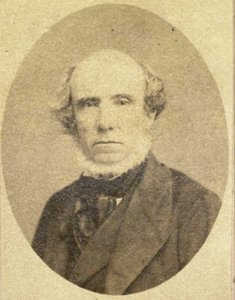
john gadsby chapman
1808 - 1889 , United States of America
Kısa Bilgiler
- Artistic Movement Or Style: Landscape, Etchings
- Date Of Birth: December 3, 1808
- Date Of Death: November 28, 1889
- Full Name: John Gadsby Chapman
- Nationality: American
- Notable Artworks:
- Baptism of Pocahontas
- Landing at Jamestown
- Crowning of Powhatan
- Place Of Birth: Alexandria, USA