

 Önizleme yap
 Paylaş
 Paylaş
 Detayları Gör

 İndir
İndir
 Benzerlerini gör
 X-Işını
 Slayt Gösterisi
 İstatistikler
The Via Mala


 Tümünü Gör
El Yapımı Yağlı Boya Reproduksiyon
Sanatçılarımız tarafından sipariş üzerine hazırlanan; istediğiniz boyut ve çerçevede, tuval üzerine el boyaması yağlı boya. ( Baskı Moduna Geç Dijital Görsele Geç)




P118B $10

P118H $10

P118W $10

P438Z $10

P508JH $12

P508YH $12

P805H $10

P805Z $10

P919BZ $10

P919G $10

P919XJ $10

P959ZH $10

P968JZ $12

W106C $8

W218G $10

W218JH $8

W218Y $10

W307PJ $10

W316G $10

W316PJ $8

W316Y $10

W398PJ $8

W4111J $10

W500HY $15

W500JH $15

W692G $12

W849H $8

W940BG $15

W953PJ $8




Eserin orijinal oranlarıyla uyumlu, önceden belirlenmiş boyutlarımız arasından seçim yapın.

Belirli bir çerçeveye veya alana uyması için kendi boyutlarınızı girebilirsiniz. Seçtiğiniz boyut orijinal görüntünün oranlarıyla eşleşmiyorsa, sanat eserini kırparak veya ek el boyaması öğelerle resmi uzatarak ayarlayacağız. Üretim başlamadan önce onayınız için dijital bir taslak gönderilecektir.
Lütfen ekrandaki önizlemenin gerçek kırpmayı veya uzatmayı yansıtmadığını unutmayın. Nihai kompozisyonu yalnızca hazırlanan taslak doğru şekilde gösterecektir.
Özel boyutlar mevcut olsa da, orijinal oranları korumak adına önceden tanımlanmış listeden bir boyut seçmenizi öneririz.
Siparişten sonra, OriginalUniqueArt.com ekibi talimatlar için müşteriye e-posta gönderecek ve bir taslak önizleme sunacaktır
Dünya Çapında Teslimat (); standart 5 hafta yerine 3/4 haftada. (13 Eylül). Kaliteden ödün verilmez.

Dünya Çapında Ücretsiz Ekspres Kargo

Yüksek Kaliteli Keten Tuval

Tam Kapsamlı Nakliye Sigortası

Gümrük Vergisi İade Garantisi

Gerçek Renk Uyumu Garantisi

100 Günlük İade Politikası (Sadece Kusurlu Ürünler İçin)

%100 Para İade Garantisi

Toplu Alım İndirimi
 Cam seçeneği yalnızca 110 cm altındaki boyutlar için mevcuttur.

The Via Mala
Reproduksiyon Tekniği
Reproduksiyon Boyutu
-


Toplam Tutar
$ 300
John Frederick Lewis’s “The Via Mala”: A Window into Ottoman Life
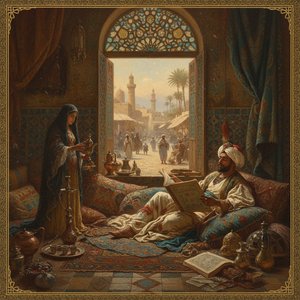
John Frederick Lewis's "The Via Mala," painted in 1827, isn’t merely a landscape; it’s a meticulously crafted portal into the world of 19th-century Orientalism. This watercolor and oil masterpiece transports us to the dramatic gorges of the Rhine Valley in Switzerland, yet its power lies not just in its topographical accuracy but in Lewis's profound understanding – and romanticized depiction – of Ottoman culture and daily life. The painting captures a pivotal moment: a group of travelers navigating a treacherous path carved into the mountainside, their figures rendered with an almost photographic realism that belies the artist’s deliberate artistic choices.
Lewis’s journey to Switzerland was part of a larger pattern – a sustained period of travel and observation across the Mediterranean and Middle East. He spent years living in Cairo, immersing himself in the sights, sounds, and customs of Ottoman society. This extended sojourn profoundly shaped his artistic vision, moving him beyond simple depictions of exotic locales towards a nuanced portrayal of human interaction within those environments. Unlike many Western artists who approached Orientalism with a sense of detached observation or even exploitation, Lewis sought to represent the people he encountered with respect and empathy, capturing their clothing, architecture, and social rituals with remarkable detail.
A Symphony of Detail: Technique and Composition
Lewis’s technical skill is immediately apparent. The painting is characterized by an extraordinary level of precision – a hallmark of his style. He meticulously rendered the rugged terrain, the weathered faces of the travelers, and the intricate details of their clothing. Notice the way he captures the play of light on the stone walls, the subtle variations in texture, and the delicate folds of fabric. This painstaking attention to detail wasn’t simply about accuracy; it was a deliberate strategy for conveying depth and realism. The composition itself is carefully balanced, drawing the eye along the winding path towards the distant horizon. The placement of figures creates a sense of movement and drama, while the use of atmospheric perspective – softening details in the distance – adds to the painting’s overall spatial coherence.
Lewis's choice of medium—watercolor and oil combined—further enhances the work’s impact. The watercolor provides a luminous quality, capturing the vibrancy of the natural landscape, while the oil lends richness and depth to the figures and architectural elements. This hybrid approach allowed him to achieve both delicate detail and bold color contrasts, creating a visually arresting effect.
Symbolism and Narrative
“The Via Mala” is rich in symbolic meaning. The treacherous path itself represents the challenges and uncertainties of life’s journey – a metaphor that resonates deeply with the travelers depicted within the scene. Their clothing—a mix of practical travel attire and elements suggestive of Ottoman influence—hints at their origins and destinations. The presence of a small, ornate tent suggests a temporary refuge amidst the harsh landscape, perhaps symbolizing the fleeting nature of encounters and the transient quality of life in foreign lands.
Interestingly, Lewis’s work connects to a contemporary novel, “Via Mala,” by John Knittel, which explored themes of guilt, betrayal, and moral ambiguity within a Swiss village. The painting can be seen as an artistic echo of this narrative, reflecting the complexities and hidden tensions that often lie beneath the surface of seemingly idyllic settings. The title itself, "The Via Mala," directly references this literary work, suggesting a shared exploration of difficult paths and shadowed secrets.
A Legacy of Orientalist Vision
John Frederick Lewis’s “The Via Mala” stands as a testament to his exceptional talent and his profound engagement with the cultures he encountered. It exemplifies the Romantic ideal of the artist as an explorer, observer, and interpreter of the world. His meticulous detail, evocative composition, and nuanced understanding of Ottoman life have secured his place as one of the most important figures in Orientalist painting. Reproductions of this captivating work offer a unique opportunity to bring this window into another era and culture into your own home, inviting contemplation on themes of travel, identity, and the enduring power of art to transcend time and distance.
Sanatçı Özgeçmişi
John Frederick Lewis: Oryantalist Resmin Hayatı ve Eserleri
John Frederick Lewis, 14 Temmuz 1804’te Londra’da doğan önde gelen İngiliz Oryantalist ressamdır. Babası Frederick Christian Lewis, bir gravürcü ve manzara ressamıydı. Bu ailevi sanatsal geçmiş, şüphesiz erken gelişimini etkilemiştir. Resmi eğitimi Sir Thomas Lawrence gözetiminde başlamış ve Edwin Landseer gibi meslektaşlarıyla birlikte becerilerini geliştirmiştir. Bu temel dönem, ona güçlü bir teknik anlayışı ve kompozisyon bilgisi kazandırmıştır.
Sanatsal Kariyeri ve Gelişimi
Lewis’in sanatsal kariyeri, evrilen stilleri ve tematik odaklarıyla karakterize edilen çeşitli aşamalardan geçmiştir:
- Oryantalist Dönem: Lewis, Akdeniz bölgesinde kapsamlı seyahatlere çıkarak özünü detaylı suluboya ve yağlı boya tablolarında titizlikle yakalamıştır. Kompozisyonları sık sık ziyaret etmiş ve bunları çeşitli ortamlarda yeniden işlemiştir.
- İspanyol ve Fas Etkileri (1832-1834): İspanya ve Fas turu dönüm noktası olmuştur. Daha sonra “Sketches and Drawings of the Alhambra” (1835) ve “Lewis’s Sketches of Spain and Spanish Character” (1836) olarak yayınlanan çok sayıda litografi üretmiştir.
- Mısır Dönemi (1841-1851): Kahire'deki konaklaması, belki de en verimli dönemini oluşturmuştur. Burada Oryantalist stilini mükemmelleştirmiş ve gerçekçi tür sahnelerini hem üst sınıf Mısır iç mekanlarının idealize edilmiş tasvirleriyle birlikte detaylı eserler yaratmıştır.
Önemli Eserleri
Lewis, titiz ayrıntıları ve etkileyici atmosferiyle kutlanan kapsamlı bir iş vücudu oluşturmuştur. En tanınmış eserlerinden bazıları şunlardır:
- A Bedouin (Yale Center for British Art, New Haven) – Oryantalist stilini örnekleyen bir suluboya çalışmasıdır.
- The Ramesseum at Thebes (Yale Center for British Art, New Haven) – Olağanüstü mimari detaylara dikkatini gösteren bir eserdir.
- A Young Turkish Woman (Yale Center for British Art, New Haven) – Oryantalist çalışmalarının çarpıcı bir başka örneğidir.
- Harem Life in Constantinople - Osmanlı ev yaşamını tasvir eden detaylı bir yağlı boya tablosu.
Etkiler ve Sanatsal Stil
Lewis’in stili, özellikle Sir Thomas Lawrence'ın portreye ve kompozisyona verdiği önem gibi çeşitli etkilerle şekillenmiştir. Ancak Orta Doğu kültürlerinin doğrudan gözlemi, ona aşağıdaki özelliklerle karakterize benzersiz bir estetik geliştirmesine olanak sağlamıştır:
- Titiz Detay: Doku, desen ve mimari unsurları doğru bir şekilde temsil etme taahhüdü.
- Zengin Renk Paleti: Karşılaştığı manzaralardan ve kostümlerden ilham alan canlı tonların kullanılması.
- Tür Sahneleri ve İç Mekan Görünümleri: Günlük hayata ve samimi ev ortamlarına odaklanma.
Mirası ve Tarihi Önemi
Lewis’in sanat dünyasına katkısı, Oryantalist resmin gelişimindeki önemli rolünde yatmaktadır. İslam mimarisinin, mobilyalarının ve kostümlerinin titiz tasvirleri, tür içindeki gerçekçilik için yeni standartlar belirlemiştir. Batı izleyicileri arasında Orta Doğu'nun romantize edilmiş ancak detaylı bir vizyonunu popülerleştirmesine yardımcı olmuştur. 1851 yılında İngiltere’ye döndükten sonra, 15 Ağustos 1876’da Walton-on-Thames’de ölümüne kadar resim yapmaya devam etmiştir.
Eserleri sanatsal değeri ve 19. yüzyılın Oryente algısına dair tarihi içgörüleri nedeniyle incelenmeye ve hayran kalınmaya devam etmektedir.

John Frederick Lewis
1804 - 1876 , Birleşik Krallık
Kısa Bilgiler
- Doğum Tarihi: 14 Temmuz 1804
- Doğum Yeri Ülke: Birleşik Krallık
- Doğum Yeri Şehir: Londra
- Etkilenen Sanatçılar: ['Sir Thomas Lawrence']
- Kendinden Etkilenenler: Yok
- Sanat Akımı: Oryantalizm
- Tam Adı: John Frederick Lewis
- Uyruk: İngiliz
- Ölüm Tarihi: 15 Ağustos 1876
- Önemli Eserler:
- A Bedouin
- The Ramesseum at Thebes
- A Young Turkish Woman
İlgili Makaleler

John Singer Sargent'ın En İyi 25 Eseri: Sanat, Stil ve Ev Dekorasyonu İlhamı
John Singer Sargent'ın en iyi 25 eserini keşfedin! Amerikan empresyonizminin ustası Sargent’ın portrelerindeki zarafeti, tekniği ve renkleri inceleyin. Ev dekorasyonunuz için lüks sanat baskıları OriginalUniqueArt.com'da. Koleksiyonu şimdi keşfedin!

Watercolor Wonders: 10 Masterpieces That Redefined Art History | OriginalUniqueArt
Journey through 10 legendary watercolor masterpieces by Sargent, Turner & Homer! Explore iconic landscapes, portraits & floral art that redefined history. Find museum-quality reproductions and curated decor ideas at OriginalUniqueArt.com.
John Frederick Lewis: Orientalism, Detail & Genre Painting in 19th-Century British Art
Explore the captivating Orientalist paintings of John Frederick Lewis! Discover his mastery of detail, genre scenes & influence on 19th-century British art. Learn about his life, techniques & legacy at OriginalUniqueArt.

John Constable'ın En İyi 25 Eseri: İngiliz Manzaralarının Büyüsü OriginalUniqueArt'ta
John Constable'ın en iyi 25 eserini keşfedin! İngiliz manzara sanatının büyülü dünyasına dalın, romantizm akımını ve kırsal yaşamı yansıtan tablolarla evinizi zenginleştirin. Sanat reproduksiyonları OriginalUniqueArt'ta.

Ephemeral Visions: Exploring the Artistic Legacy & Contemporary Practice of Watercolor Painting
Explore the captivating world of watercolor painting! Discover its rich history, essential techniques, influential artists & collecting tips. A comprehensive guide for art enthusiasts from OriginalUniqueArt.