
 Önizleme yap
 Paylaş
 Paylaş
 Detayları Gör

 İndir
İndir
 Benzerlerini gör
 X-Işını
 Slayt Gösterisi
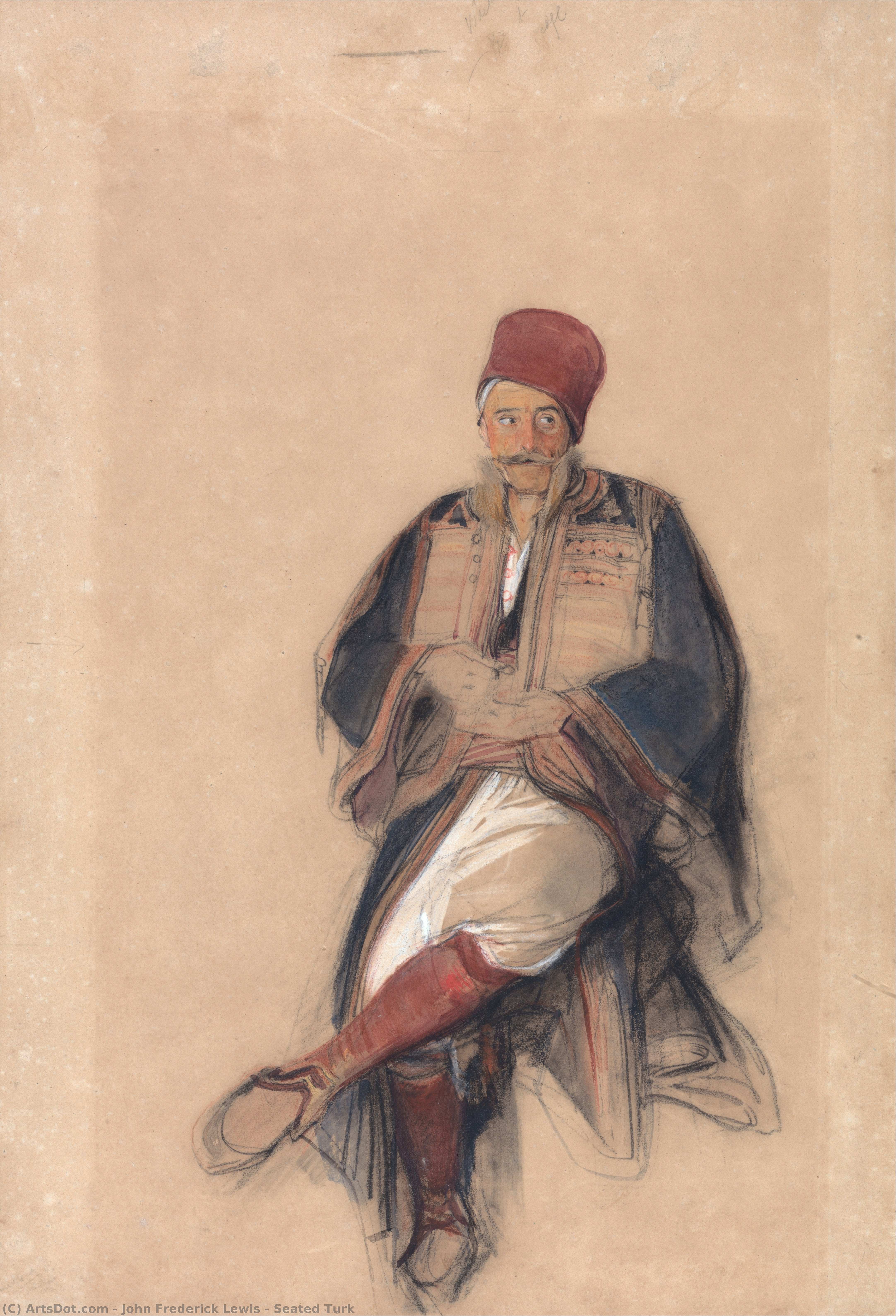
Seated Turk


 Tümünü Gör
El Yapımı Yağlı Boya Reproduksiyon
Sanatçılarımız tarafından sipariş üzerine hazırlanan; istediğiniz boyut ve çerçevede, tuval üzerine el boyaması yağlı boya. ( Baskıya Geç Görsele Geç)




P118B $10

P118H $10

P118W $10

P438Z $10

P508JH $12

P508YH $12

P805H $10

P805Z $10

P919BZ $10

P919G $10

P919XJ $10

P959ZH $10

P968JZ $12

W106C $8

W218G $10

W218JH $8

W218Y $10

W307PJ $10

W316G $10

W316PJ $8

W316Y $10

W398PJ $8

W4111J $10

W500HY $15

W500JH $15

W692G $12

W849H $8

W940BG $15

W953PJ $8




Eserin orijinal oranlarıyla uyumlu, önceden belirlenmiş boyutlarımız arasından seçim yapın.

Belirli bir çerçeveye veya alana uyması için kendi boyutlarınızı girebilirsiniz. Seçtiğiniz boyut orijinal görüntünün oranlarıyla eşleşmiyorsa, sanat eserini kırparak veya ek el boyaması öğelerle resmi uzatarak ayarlayacağız. Üretim başlamadan önce onayınız için dijital bir taslak gönderilecektir.
Lütfen ekrandaki önizlemenin gerçek kırpmayı veya uzatmayı yansıtmadığını unutmayın. Nihai kompozisyonu yalnızca hazırlanan taslak doğru şekilde gösterecektir.
Özel boyutlar mevcut olsa da, orijinal oranları korumak adına önceden tanımlanmış listeden bir boyut seçmenizi öneririz.
Siparişten sonra, OriginalUniqueArt.com ekibi talimatlar için müşteriye e-posta gönderecek ve bir taslak önizleme sunacaktır
Dünya Çapında Teslimat (); standart 5 hafta yerine 3/4 haftada. (11 Ağustos). Kaliteden ödün verilmez.

Dünya Çapında Ücretsiz Ekspres Kargo

Yüksek Kaliteli Keten Tuval

Tam Kapsamlı Nakliye Sigortası

Gümrük Vergisi İade Garantisi

Gerçek Renk Uyumu Garantisi

60 Günlük İade Politikası (Sadece Kusurlu Ürünler İçin)

%100 Para İade Garantisi

Toplu Alım İndirimi
 Cam seçeneği yalnızca 110 cm altındaki boyutlar için mevcuttur.

Seated Turk
Reproduksiyon Tekniği
Reproduksiyon Boyutu
-


Toplam Tutar
$ 300
Eser Açıklaması
A Portrait of Dignified Mystery: John Frederick Lewis’s “Seated Turk”
John Frederick Lewis's "Seated Turk," painted in 1841, is more than just a portrait; it’s a meticulously crafted tableau vivant—a frozen moment imbued with an air of quiet dignity and subtle melancholy. This watercolor study, now housed at the Yale Center for British Art, offers a captivating glimpse into the burgeoning field of Orientalism within 19th-century European art, revealing both the artist's technical mastery and his engagement with exotic cultures.
The subject himself is an enigmatic figure, a man seated in what appears to be a richly appointed interior. His attire—a vibrant red headpiece, a flowing robe adorned with intricate patterns, and a delicately embroidered vest—immediately transports the viewer to the world of the Ottoman Empire. However, Lewis doesn’t simply depict a literal representation; instead, he captures an essence, a character. The man's gaze is direct yet contemplative, hinting at a life lived beyond the confines of the canvas. The composition itself is carefully balanced, with the figure occupying a significant portion of the frame while leaving ample space around him—a deliberate choice that emphasizes his importance and isolates him within a world of quiet contemplation.
Technique and Style: A Romantic Orientalist Vision
Lewis’s technique is characterized by a remarkable blend of observation and artistic license. He was famously stationed in Cairo for several years, immersing himself in the sights and sounds of Egyptian life. This firsthand experience informed his meticulous attention to detail—the textures of fabrics, the patterns on carpets, the play of light and shadow within the room. Yet, he wasn’t simply aiming for photographic realism; rather, he employed a distinctly Romantic style, prioritizing emotional impact over strict accuracy.
The watercolor medium itself is crucial to the painting's effect. Lewis masterfully utilizes layering washes—thin, translucent applications of pigment that build up gradually to create depth and luminosity. Dry brush techniques are then applied to define form and add textural interest, particularly in the folds of the clothing and the man’s hair. The muted color palette—dominated by earthy tones and rich reds—contributes to the painting's overall atmosphere of quiet contemplation. The flattened perspective, a common feature of Orientalist paintings at the time, further enhances this sense of timelessness and distance, suggesting that the scene exists outside of conventional Western notions of space and reality.
Historical Context: The Rise of Orientalism
“Seated Turk” is a product of its time—a period marked by increasing European interest in the Ottoman Empire and the broader Middle East. The 1830s and 40s witnessed a surge in travel to these regions, fueled by scientific expeditions, diplomatic missions, and, increasingly, artistic exploration. This “Orientalist” movement sought to depict the cultures of the East with a mixture of fascination and exoticism, often romanticizing them while simultaneously perpetuating stereotypes.
Lewis’s work reflects this complex dynamic. While he undoubtedly admired the beauty and sophistication of Ottoman culture, his painting also reveals a certain degree of detachment—a sense that he is observing from a position of privileged distance. Notably, Lewis deliberately avoided depicting overtly sensual or provocative scenes, choosing instead to focus on portraying dignified figures engaged in everyday activities. This approach distinguished him from some of his contemporaries who were more interested in exploiting the perceived exoticism and sensuality associated with Eastern cultures.
Symbolism and Emotional Resonance
Beyond its technical merits, “Seated Turk” possesses a subtle but powerful emotional resonance. The man’s expression—a mixture of serenity and perhaps a hint of melancholy—suggests a life lived in contemplation, far removed from the bustle of Western society. The painting invites us to consider themes of identity, cultural difference, and the complexities of human experience.
The inclusion of details such as the long pipe—a symbol of leisure and philosophical reflection—further reinforces this sense of quiet introspection. “Seated Turk” is not merely a portrait; it’s an invitation to pause, reflect, and contemplate the mysteries of another culture and the enduring questions of human existence. It remains a testament to John Frederick Lewis's skill as an artist and his profound engagement with the world beyond Europe.
Sanatçı Özgeçmişi
John Frederick Lewis: Oryantalist Resmin Hayatı ve Eserleri
John Frederick Lewis, 14 Temmuz 1804’te Londra’da doğan önde gelen İngiliz Oryantalist ressamdır. Babası Frederick Christian Lewis, bir gravürcü ve manzara ressamıydı. Bu ailevi sanatsal geçmiş, şüphesiz erken gelişimini etkilemiştir. Resmi eğitimi Sir Thomas Lawrence gözetiminde başlamış ve Edwin Landseer gibi meslektaşlarıyla birlikte becerilerini geliştirmiştir. Bu temel dönem, ona güçlü bir teknik anlayışı ve kompozisyon bilgisi kazandırmıştır.
Sanatsal Kariyeri ve Gelişimi
Lewis’in sanatsal kariyeri, evrilen stilleri ve tematik odaklarıyla karakterize edilen çeşitli aşamalardan geçmiştir:
- Oryantalist Dönem: Lewis, Akdeniz bölgesinde kapsamlı seyahatlere çıkarak özünü detaylı suluboya ve yağlı boya tablolarında titizlikle yakalamıştır. Kompozisyonları sık sık ziyaret etmiş ve bunları çeşitli ortamlarda yeniden işlemiştir.
- İspanyol ve Fas Etkileri (1832-1834): İspanya ve Fas turu dönüm noktası olmuştur. Daha sonra “Sketches and Drawings of the Alhambra” (1835) ve “Lewis’s Sketches of Spain and Spanish Character” (1836) olarak yayınlanan çok sayıda litografi üretmiştir.
- Mısır Dönemi (1841-1851): Kahire'deki konaklaması, belki de en verimli dönemini oluşturmuştur. Burada Oryantalist stilini mükemmelleştirmiş ve gerçekçi tür sahnelerini hem üst sınıf Mısır iç mekanlarının idealize edilmiş tasvirleriyle birlikte detaylı eserler yaratmıştır.
Önemli Eserleri
Lewis, titiz ayrıntıları ve etkileyici atmosferiyle kutlanan kapsamlı bir iş vücudu oluşturmuştur. En tanınmış eserlerinden bazıları şunlardır:
- A Bedouin (Yale Center for British Art, New Haven) – Oryantalist stilini örnekleyen bir suluboya çalışmasıdır.
- The Ramesseum at Thebes (Yale Center for British Art, New Haven) – Olağanüstü mimari detaylara dikkatini gösteren bir eserdir.
- A Young Turkish Woman (Yale Center for British Art, New Haven) – Oryantalist çalışmalarının çarpıcı bir başka örneğidir.
- Harem Life in Constantinople - Osmanlı ev yaşamını tasvir eden detaylı bir yağlı boya tablosu.
Etkiler ve Sanatsal Stil
Lewis’in stili, özellikle Sir Thomas Lawrence'ın portreye ve kompozisyona verdiği önem gibi çeşitli etkilerle şekillenmiştir. Ancak Orta Doğu kültürlerinin doğrudan gözlemi, ona aşağıdaki özelliklerle karakterize benzersiz bir estetik geliştirmesine olanak sağlamıştır:
- Titiz Detay: Doku, desen ve mimari unsurları doğru bir şekilde temsil etme taahhüdü.
- Zengin Renk Paleti: Karşılaştığı manzaralardan ve kostümlerden ilham alan canlı tonların kullanılması.
- Tür Sahneleri ve İç Mekan Görünümleri: Günlük hayata ve samimi ev ortamlarına odaklanma.
Mirası ve Tarihi Önemi
Lewis’in sanat dünyasına katkısı, Oryantalist resmin gelişimindeki önemli rolünde yatmaktadır. İslam mimarisinin, mobilyalarının ve kostümlerinin titiz tasvirleri, tür içindeki gerçekçilik için yeni standartlar belirlemiştir. Batı izleyicileri arasında Orta Doğu'nun romantize edilmiş ancak detaylı bir vizyonunu popülerleştirmesine yardımcı olmuştur. 1851 yılında İngiltere’ye döndükten sonra, 15 Ağustos 1876’da Walton-on-Thames’de ölümüne kadar resim yapmaya devam etmiştir.
Eserleri sanatsal değeri ve 19. yüzyılın Oryente algısına dair tarihi içgörüleri nedeniyle incelenmeye ve hayran kalınmaya devam etmektedir.

John Frederick Lewis
1804 - 1876 , Birleşik Krallık
Kısa Bilgiler
- Doğum Tarihi: 14 Temmuz 1804
- Doğum Yeri Ülke: Birleşik Krallık
- Doğum Yeri Şehir: Londra
- Etkilenen Sanatçılar: ['Sir Thomas Lawrence']
- Kendinden Etkilenenler: Yok
- Sanat Akımı: Oryantalizm
- Tam Adı: John Frederick Lewis
- Uyruk: İngiliz
- Ölüm Tarihi: 15 Ağustos 1876
- Önemli Eserler:
- A Bedouin
- The Ramesseum at Thebes
- A Young Turkish Woman
İlgili Makaleler
Carl Haag: Orientalist Visions & Victorian Spirituality in Watercolor
Explore the captivating Orientalist paintings of Carl Haag (1820-1915). Discover his detailed watercolors, Victorian landscapes & spiritual themes. Expert insights for collectors and art enthusiasts at OriginalUniqueArt.
The Allure of Detail: Precision & Narrative Resonance in Art History
Explore the captivating history of detail in art – from Renaissance masterpieces to modern movements like Precisionism. Discover how specificity shapes narrative, value & collector appeal. Expert insights at OriginalUniqueArt.

Yapay Zekâ Destekli Suluboya Sanatı ile Kişisel Anılarınızın Huzurlu Güzelliğini Yakalayın: Eviniz İçin Duygusal Bir Dönüşüm
OriginalUniqueArt ile yapay zekâ destekli suluboya sanatıyla anılarınızı ölümsüzleştirin! El yapımı tablolar, kişisel portreler ve uzman art danışmanlığıyla evinizi dönüştürün. Şimdi keşfedin!

Evolving Portraits: Personalized Art as a Chronicle of Family Life Across Generations
Create a timeless family legacy with custom portraits! OriginalUniqueArt connects you with skilled artists for heirloom-quality paintings & prints. Explore styles, commission your unique artwork today.

Watercolor Wonders: 10 Masterpieces That Redefined Art History | OriginalUniqueArt
Journey through 10 legendary watercolor masterpieces by Sargent, Turner & Homer! Explore iconic landscapes, portraits & floral art that redefined history. Find museum-quality reproductions and curated decor ideas at OriginalUniqueArt.com.

