
 Gerçek Boyutta Önizle
 Paylaş
 Paylaş
 Detayları Gör
 Rehber

 İndir
İndir
 Benzer ürünler
 X-Işını
 Slayt Gösterisi
 Soru & Cevap
 İstatistikler
Arab School


 Tümünü Gör
Giclée / Sanat Baskısı
Hızlı üretim ve esnek bitiş seçenekleriyle müze kalitesinde giclée veya kanvas baskı. ( El Yapımı Tablo Satın Al Dijital Görsele Geç)




P118B ₺10

P118H ₺10

P118W ₺10

P438Z ₺10

P508JH ₺12

P508YH ₺12

P805H ₺10

P805Z ₺10

P919BZ ₺10

P919G ₺10

P919XJ ₺10

P959ZH ₺10

P968JZ ₺12

W106C ₺8

W218G ₺10

W218JH ₺8

W218Y ₺10

W307PJ ₺10

W316G ₺10

W316PJ ₺8

W316Y ₺10

W398PJ ₺8

W4111J ₺10

W500HY ₺15

W500JH ₺15

W692G ₺12

W849H ₺8

W940BG ₺15

W953PJ ₺8




Eserin orijinal oranlarıyla uyumlu, önceden belirlenmiş boyutlarımız arasından seçim yapın.

Çerçevenize veya duvarınıza uygun olması için ihtiyacınız olan genişlik ve yüksekliği yazın. Bir baskı yalnızca kesilebilir, görselden daha büyük hale getirilemez; bu nedenle farklı bir formdaki boyut seçimi, görselin bir kısmının kaybına neden olur. Herhangi bir baskı yapmadan önce onaylamanız için size bir dijital taslak gönderiyoruz. Bu sayfada gösterilen resim gerçek kesimi göstermez — bunu yalnızca taslak gösterir.
Dünya Çapında Teslimat (); standart 4/5 hafta yerine 2 haftada. (15 Kasım)

Dünya Çapında Ücretsiz Ekspres Kargo

Yüksek Kaliteli Keten Kanvas

Tam Nakliye Sigortası

Gümrük Vergisi İadesi Garantisi

Gerçek Renk Uyumu Garantisi

100 Günlük İade Politikası (Sadece Kusurlu Ürünler İçin)

%100 Para İade Garantisi

Toplu Alım İndirimi
 Cam seçeneği yalnızca 110 cm altındaki boyutlar için mevcuttur.

Arab School
Giclée / Sanat Baskısı
Reproduksiyon Boyutu
-


Toplam Tutar
₺ 4012
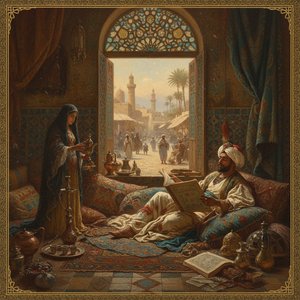
A Window Into a World of Grace: John Frederick Lewis’s “Arab School”
John Frederick Lewis's "Arab School," painted circa 1841-51, isn’t merely a depiction of a classroom; it’s a meticulously crafted portal into the heart of 19th-century Ottoman society. This watercolor and gouache masterpiece, now housed within the Metropolitan Museum of Art in New York City, offers a rare glimpse beyond the often sensationalized portrayals of the Middle East prevalent at the time, revealing instead a scene of quiet learning, dignified respect, and subtle social dynamics. Lewis, an English Orientalist painter who spent over a decade immersed in Cairo’s vibrant culture, possessed a remarkable ability to capture not just the outward appearance but also the underlying atmosphere of his subjects – a skill evident in every brushstroke of “Arab School.”
The painting immediately draws the eye toward the central figure: a man distinguished by his flowing white beard and traditional attire. He’s not a flamboyant scholar, nor is he presented as an exotic spectacle; rather, he embodies authority and wisdom – a respected teacher guiding a young student. His posture, upright and attentive, suggests a dedication to his role, while the boy's focused gaze speaks volumes about the value placed on education within this community. To his right, another individual, seated on the floor, demonstrates a profound respect for the teacher’s words, mirroring the reverence of the central figure. The composition isn’t static; it pulses with an unspoken conversation, a shared moment of intellectual engagement.
Orientalism and the Pursuit of Authenticity
Lewis's work firmly resides within the realm of Orientalist painting – a genre that flourished during the 19th century, fueled by European fascination with the East. However, unlike many of his contemporaries who often relied on stereotypes and romanticized depictions, Lewis sought to portray Middle Eastern life with a remarkable degree of accuracy and sensitivity. His extended sojourn in Cairo allowed him to observe local customs firsthand, master Arabic script, and adopt traditional dress – elements that profoundly influenced his artistic approach. He meticulously documented the architecture, furnishings, and clothing of the region, striving for an authentic representation that moved beyond superficial exoticism.
The inclusion of Arabic calligraphy on the walls of the schoolhouse is a crucial detail, underscoring the importance of literacy and religious learning within this setting. These intricate inscriptions aren’t merely decorative; they serve as a constant reminder of the cultural heritage being imparted to the students. The simple yet elegant design of the room – the worn wooden benches, the muted color palette, the single window framed by dark bars – speaks volumes about the practical realities of life in an Ottoman schoolhouse. It's a scene stripped of grandiosity, focusing instead on the quiet dignity of everyday learning.
Symbolism and Emotional Resonance
Beyond its realistic depiction of daily life, “Arab School” is rich with symbolic meaning. The window, framed by dark bars, subtly hints at the constraints imposed upon Ottoman society – a reminder of the political realities that shaped the lives of its inhabitants. Yet, within this seemingly restrictive environment, there’s an undeniable sense of hope and potential embodied in the faces of the students and teacher. The painting evokes a feeling of serenity and intellectual curiosity, suggesting a space where knowledge is valued and nurtured.
Lewis's masterful use of watercolor – its delicate washes, subtle gradations of color, and luminous effects – perfectly captures the atmosphere of the scene. The light filtering through the window creates a soft, diffused glow, illuminating the faces of the individuals within the room. This careful attention to detail, combined with Lewis’s profound understanding of his subject matter, results in a work that is both visually stunning and emotionally resonant. “Arab School” isn't just a painting; it’s a testament to the power of observation, empathy, and artistic skill – a timeless reminder of the enduring value of education and human connection.
Collecting a Legacy: Reproductions and Beyond
Reproductions of "Arab School" are available through various reputable art dealers and online platforms. When selecting a reproduction, consider the medium (canvas or print) and framing options to ensure it complements your interior design aesthetic. The original’s delicate watercolor technique is best replicated with high-quality archival materials that preserve color accuracy and prevent fading over time. Investing in a faithful reproduction allows you to bring this remarkable work of art into your home, celebrating Lewis's legacy and the rich cultural heritage he so beautifully captured.
Soru ve Cevaplar
John Frederick Lewis imzalı "Arab School" eserinin bir baskısını nasıl temin edebilirim?
John Frederick Lewis imzalı "Arab School" eserinin bir baskısını doğrudan ilgili Sanat Baskısı sayfasından sipariş edebilirsiniz: pamuklu kanvas veya arşivlik kanvas kağıt üzerine yüksek kaliteli sanat baskısı.
John Frederick Lewis imzalı "Arab School" eserinde hangi teknik kullanıldı?
John Frederick Lewis, "Arab School" adlı eserinde Acrylic On Canvas tekniğini kullanmıştır. Bu teknik, orijinal eserin maddi doğasını tanımlar.
John Frederick Lewis imzalı "Arab School" eserinin dijital görüntüsünü nereden satın alabilirim?
"Arab School", doğrudan Yüksek Çözünürlüklü Dijital Görsel sayfası üzerinden satın alınabilecek şekilde yüksek çözünürlüklü dijital görsel indirme olarak sunulmaktadır.
Sanatçı Özgeçmişi
John Frederick Lewis: Oryantalist Resmin Hayatı ve Eserleri
John Frederick Lewis, 14 Temmuz 1804’te Londra’da doğan önde gelen İngiliz Oryantalist ressamdır. Babası Frederick Christian Lewis, bir gravürcü ve manzara ressamıydı. Bu ailevi sanatsal geçmiş, şüphesiz erken gelişimini etkilemiştir. Resmi eğitimi Sir Thomas Lawrence gözetiminde başlamış ve Edwin Landseer gibi meslektaşlarıyla birlikte becerilerini geliştirmiştir. Bu temel dönem, ona güçlü bir teknik anlayışı ve kompozisyon bilgisi kazandırmıştır.
Sanatsal Kariyeri ve Gelişimi
Lewis’in sanatsal kariyeri, evrilen stilleri ve tematik odaklarıyla karakterize edilen çeşitli aşamalardan geçmiştir:
- Oryantalist Dönem: Lewis, Akdeniz bölgesinde kapsamlı seyahatlere çıkarak özünü detaylı suluboya ve yağlı boya tablolarında titizlikle yakalamıştır. Kompozisyonları sık sık ziyaret etmiş ve bunları çeşitli ortamlarda yeniden işlemiştir.
- İspanyol ve Fas Etkileri (1832-1834): İspanya ve Fas turu dönüm noktası olmuştur. Daha sonra “Sketches and Drawings of the Alhambra” (1835) ve “Lewis’s Sketches of Spain and Spanish Character” (1836) olarak yayınlanan çok sayıda litografi üretmiştir.
- Mısır Dönemi (1841-1851): Kahire'deki konaklaması, belki de en verimli dönemini oluşturmuştur. Burada Oryantalist stilini mükemmelleştirmiş ve gerçekçi tür sahnelerini hem üst sınıf Mısır iç mekanlarının idealize edilmiş tasvirleriyle birlikte detaylı eserler yaratmıştır.
Önemli Eserleri
Lewis, titiz ayrıntıları ve etkileyici atmosferiyle kutlanan kapsamlı bir iş vücudu oluşturmuştur. En tanınmış eserlerinden bazıları şunlardır:
- A Bedouin (Yale Center for British Art, New Haven) – Oryantalist stilini örnekleyen bir suluboya çalışmasıdır.
- The Ramesseum at Thebes (Yale Center for British Art, New Haven) – Olağanüstü mimari detaylara dikkatini gösteren bir eserdir.
- A Young Turkish Woman (Yale Center for British Art, New Haven) – Oryantalist çalışmalarının çarpıcı bir başka örneğidir.
- Harem Life in Constantinople - Osmanlı ev yaşamını tasvir eden detaylı bir yağlı boya tablosu.
Etkiler ve Sanatsal Stil
Lewis’in stili, özellikle Sir Thomas Lawrence'ın portreye ve kompozisyona verdiği önem gibi çeşitli etkilerle şekillenmiştir. Ancak Orta Doğu kültürlerinin doğrudan gözlemi, ona aşağıdaki özelliklerle karakterize benzersiz bir estetik geliştirmesine olanak sağlamıştır:
- Titiz Detay: Doku, desen ve mimari unsurları doğru bir şekilde temsil etme taahhüdü.
- Zengin Renk Paleti: Karşılaştığı manzaralardan ve kostümlerden ilham alan canlı tonların kullanılması.
- Tür Sahneleri ve İç Mekan Görünümleri: Günlük hayata ve samimi ev ortamlarına odaklanma.
Mirası ve Tarihi Önemi
Lewis’in sanat dünyasına katkısı, Oryantalist resmin gelişimindeki önemli rolünde yatmaktadır. İslam mimarisinin, mobilyalarının ve kostümlerinin titiz tasvirleri, tür içindeki gerçekçilik için yeni standartlar belirlemiştir. Batı izleyicileri arasında Orta Doğu'nun romantize edilmiş ancak detaylı bir vizyonunu popülerleştirmesine yardımcı olmuştur. 1851 yılında İngiltere’ye döndükten sonra, 15 Ağustos 1876’da Walton-on-Thames’de ölümüne kadar resim yapmaya devam etmiştir.
Eserleri sanatsal değeri ve 19. yüzyılın Oryente algısına dair tarihi içgörüleri nedeniyle incelenmeye ve hayran kalınmaya devam etmektedir.

John Frederick Lewis
1805 - 1876 , Birleşik Krallık
Kısa Bilgiler
- Doğum Tarihi: 14 Temmuz 1804
- Doğum Yeri Ülke: Birleşik Krallık
- Doğum Yeri Şehir: Londra
- Etkilenen Sanatçılar: ['Sir Thomas Lawrence']
- Kendinden Etkilenenler: Yok
- Sanat Akımı: Oryantalizm
- Tam Adı: John Frederick Lewis
- Uyruk: İngiliz
- Ölüm Tarihi: 15 Ağustos 1876
- Önemli Eserler:
- A Bedouin
- The Ramesseum at Thebes
- A Young Turkish Woman
Benzer Yazılar
John Frederick Lewis: Orientalism, Detail & Genre Painting in 19th-Century British Art
Explore the captivating Orientalist paintings of John Frederick Lewis! Discover his mastery of detail, genre scenes & influence on 19th-century British art. Learn about his life, techniques & legacy at OriginalUniqueArt.

Ephemeral Visions: Exploring the Artistic Legacy & Contemporary Practice of Watercolor Painting
Explore the captivating world of watercolor painting! Discover its rich history, essential techniques, influential artists & collecting tips. A comprehensive guide for art enthusiasts from OriginalUniqueArt.

Ephemeral Visions: Exploring the History & Emotional Resonance of Watercolor Painting
Explore the captivating history of watercolor painting, from ancient techniques to modern masters like Kandinsky & Blake. Discover essential artists, collecting tips & the emotional power of this luminous medium. Expert insights for art enthusiasts.

John Singer Sargent'ın En İyi 25 Eseri: Sanat, Stil ve Ev Dekorasyonu İlhamı
John Singer Sargent'ın en iyi 25 eserini keşfedin! Amerikan empresyonizminin ustası Sargent’ın portrelerindeki zarafeti, tekniği ve renkleri inceleyin. Ev dekorasyonunuz için lüks sanat baskıları OriginalUniqueArt.com'da. Koleksiyonu şimdi keşfedin!

Watercolor Wonders: 10 Masterpieces That Redefined Art History | OriginalUniqueArt
Journey through 10 legendary watercolor masterpieces by Sargent, Turner & Homer! Explore iconic landscapes, portraits & floral art that redefined history. Find museum-quality reproductions and curated decor ideas at OriginalUniqueArt.com.