Romantic Landscape · 1835
Stonehenge (John Constable, 1835)
Stonehenge, John Constable (1776–1837) tarafından yapıldı. 1835 yılına aittir. Romantic Landscape akımına aittir. Watercolor ile yapılmıştır. Londra, Birleşik Krallıkdaki Victoria and Albert Museum bünyesinde korunmaktadır. Boyutları 387 × 591 cm'dir.
- 1835
- Watercolor
- 387 × 591 cm
- Victoria and Albert Museum, Londra

 Gerçek Boyutta Önizle

 El Yapımı Yağlı Boya Tablo
 Paylaş
 Paylaş
 Bilgi Formu


 İndir
 Benzer ürünler
 X-Işını
 Slayt Gösterisi
 Soru & Cevap

 İstatistikler
Stonehenge hakkında kısa bilgi
- Başlık
- Stonehenge
- Sanatçı
- John Constable (1776–1837)
- Sanatçının doğum yeri
- East Bergholt, Birleşik Krallık
- Tarih
- 1835
- Teknik
- Watercolor
- Boyutlar
- 387 × 591 cm
- Sergilendiği yerler
- Victoria and Albert Museum, Londra, Birleşik Krallık
- Dönem
- 19th Century
- Konu
- stonehenge ruins, english landscape, rural scene, constable painting, ancient monument, dramatic sky
Stonehenge neyi betimliyor?
The Depiction of Stonehenge by John Constable
In this watercolor, John Constable captures the heavy presence of Stonehenge. Large rocks dominate the foreground, their forms fractured by time. Some stones remain upright, reaching toward the sky, while others have fallen, lying on their sides amidst the earth. A cloudy sky hangs above the monument, casting a diffused light over the weathered surfaces of the megaliths.
Human presence is small against the weight of the stones. Two figures inhabit the landscape. One person stands near the center of the scene, a quiet point of scale against the ancient rock. Another figure is positioned further to the right, moving through the periphery of the composition. The figures appear dwarfed by the immensity of the stones and the vast, overcast atmosphere.
The scene is a study of stillness. The arrangement of the rocks and the muted light create a moment of quietude. The stones rest in a landscape that feels both permanent and remote. A pale light settles upon the ground.
Technique and Materials of the Artwork
The artist worked upon paper, a surface that accepts the soft touch of black chalk. These dark, skeletal lines provide a structural foundation, mapping the heavy presence of the stones before the color arrives. It is a drawn work, where the precision of the hand meets the fluid nature of the medium.
Watercolor washes layer over the chalk, creating a sense of atmosphere through translucent pigment. The medium moves across the paper in delicate dances of grey and pale blue. These washes build a sense of depth, mimicking the way light filters through a misty sky to touch the weathered surfaces of the rocks. The interaction between the dry, dark lines and the wet, light pigments captures a specific, fleeting moment of light.
Where to See This Artwork Today
The watercolor rests within the Victoria and Albert Museum in London. This institution, often called the V&A, holds the work in its permanent collection. It is situated in South Kensington, United Kingdom.
Visitors find the piece among the vast holdings of the museum. The halls of the V&A house many objects, but this specific depiction of the stone circle remains a quiet presence in the London landscape. The museum's location in South Kensington provides a steady anchor for the work's continued preservation.
The museum's collection includes various other works by the artist, such as:
- Wivenhoe Park, Essex
- Maria Bicknell (Mrs. John Constable), 1816
The stones remain held in this place. A stillness lingers in the museum air.
Related Works by John Constable
The river and the sky define much of his vision. In 1821, he captured the movement of the water in The Hay Wain. He turned his gaze toward the meadows in 1831 with Salisbury Cathedral from the Meadows. These scenes reflect a life spent observing the shifting light over the English landscape.
The earth and its textures appear in other studies. He painted The Cornfield in 1826 and The Lock in 1824. His brush also moved across the grounds of Wivenhoe Park, Essex. Even in more personal subjects, such as the 1816 work featuring Maria Bicknell, the artist sought to record the truth of what he saw. The light settles quietly on the grass.
Stonehenge adlı eseri hangi müze bünyesinde barındırmaktadır?
Victoria and Albert Museum
Londra, Birleşik Krallık
Victoria and Albert Museum'un Kökenleri ve Tarihçesi Victoria and Albert Museum'un kökenleri, Viktorya dönemini tanımlayan o sarsılmaz yenilikçilik ruhuna sıkı sıkıya bağlıdır. Kurumun temelleri, İngiliz tarihi için dönüm noktası niteliğindeki 1851 Büyük Sergisi'ne kadar uzanır. Bu görkemli etkinlik, pratik beceri ile estetik beğeni arasındaki o büyüleyici kesişim noktasına odaklanan bir vizyon için gerekli olan ilk ivmeyi sağlamıştır.


Stonehenge için yüksek çözünürlüklü görseller

Kamu malı: sanatçı 1837 yılında vefat etmiştir.
Diğer boyutlar, kırpma seçenekleri ve alıntı bilgisi →John Constable, Stonehenge (1835).
John Constable (1776–1837), Stonehenge, 1835, watercolor, Victoria and Albert Museum, Londra, Birleşik Krallık. Kamu malı. Görsel: OriginalUniqueArt.com.
Stonehenge hakkında sorular ve cevaplar
Orijinal John Constable imzalı "Stonehenge" eserini nerede görebilirim?
"Stonehenge" eserinin orijinalini Victoria and Albert Museum, Londra, Birleşik Krallık bünyesinde görebilirsiniz.
John Constable imzalı "Stonehenge" hangi tarihte yapılmıştır?
John Constable imzalı "Stonehenge" eserinin yapım tarihi 1835 olarak kaydedilmiştir.
John Constable imzalı "Stonehenge" eserinde hangi teknik kullanıldı?
"Stonehenge", Watercolor kullanılarak icra edilmiştir.
Orijinal John Constable imzalı "Stonehenge" eserinin boyutları nedir?
John Constable imzalı "Stonehenge" eserinin kayıtlı boyutları 387 x 591 cm şeklindedir. Reproduksiyonlar, aynı oranlar korunarak diğer boyutlarda sipariş edilebilir.
John Constable imzalı "Stonehenge" eserinde hangi konular işleniyor?
John Constable imzalı "Stonehenge" eserinde yer alan temalar stonehenge ruins, english landscape, rural scene, constable painting, ancient monument, dramatic sky, landscape art unsurlarını içermektedir. Bunlar birlikte, eserin konu içeriğini özetlemektedir.
John Constable imzalı "Stonehenge" eserinin görüntüsü serbestçe çoğaltılabilir mi?
John Constable imzalı "Stonehenge" için telif hakkı durumu: eser kamu malıdır - telif hakkı süresi dolmuştur kapsamındadır. Bu durum, görüntünün çoğaltmalarının serbestçe yapılıp yapılamayacağını belirler.
"Stonehenge" eserinin yaratıcısı kim?
"Stonehenge" eserinin sanatçısı John Constable'tir. Eser, John Constable adına kataloglanmıştır.
John Constable imzalı "Stonehenge" hangi sanat akımına dahildir?
John Constable imzalı "Stonehenge" adlı eserin dahil olduğu akım Romantic Landscape akımıdır. Bu sınıflandırma, çalışmayı ilgili sanatçılar ve sanat eserleri arasında konumlandırır.
"Stonehenge" adlı eser, John Constable'in sanat kariyerinin hangi dönemini temsil ediyor?
"Stonehenge", John Constable kariyerinin Mature Landscape dönemine aittir. Bu sınıflandırma, eseri sanatçının gelişim süreciyle ilişkilendirir.
Sanatçı hakkında, John Constable
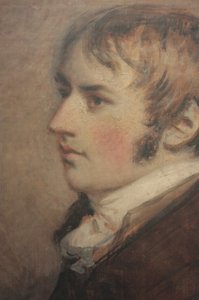
1776–1837, Birleşik Krallık
John Constable
Erken Yaşam, Aile ve Eğitim John Constable, 1776 yılında Suffolk'un East Bergholt köyünde dünyaya geldiğinde, kaderinin fırça darbeleriyle şekilleneceğinden henüz habersizdi. Golding ve Ann (Watts) Constable'ın ikinci oğlu olarak dünyaya gelen sanatçının babası, Flatford Mill'in sahibi olan varlıklı bir tahıl ve kömür tüccarıydı. Nehirle olan bu derin bağ ve yerel ticaretin dinamizmi, suyun ritmi ile malların hareketinin evin günlük yaşamının ayrılmaz bir parçası olması anlamına geliyordu. Yaklaşık 1792 yıllarında aile işinde çalışmaya başlayan Constable, yolu tuvale dönmeden önce tahıl ticaretinin pratik inceliklerini öğrenerek hayatın gerçek yüzüyle tanıştı.
John Constable Hakkında John Constable tarafından yapılmış öne çıkan eserler
John Constable tarafından yapılan diğer eserler
 Saman Arabası1821
 Piskopos Bahçeleri'nden Salisbury Katedrali Manzarası1823
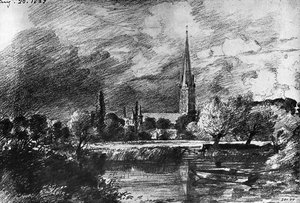 Salisbury Katedrali
 Flatford Değirmeni (Navigasyonel Bir Nehir Üzerindeki Sahne)1817
Stonehenge üzerine denemeler
 Mastering the English Landscape: The Top 25 John Constable Artworks25 works including The Hay Wain from 1821 and The Cornfield from 1826, detailing Constable's depictions of the River Stour and Dedham Vale.
 The Art of Chalk: Mastering Texture, Softness, and Depth in Fine ArtDiscover the exquisite mastery of pastel and chalk in fine art. Explore how texture, light, and softness create depth in Impressionist mast…
 British artworks of the 1820sJohn Constable's 1821 Hay Wain captures the River Stour through textured impasto. Compare his pastoral views with Turner's 1828 Chichester …