Romanticism · 1810
East Bergholt Rectory (John Constable, 1810)
East Bergholt Rectory, John Constable (1776–1837) tarafından yapıldı. 1810 yılına aittir. Romanticism akımına aittir. Oil On Canvas ile yapılmıştır. Philadelphia, Amerika Birleşik Devletleridaki Philadelphia Museum of Art bünyesinde korunmaktadır. Boyutları 15 × 24 cm'dir.
- 1810
- Oil On Canvas
- 15 × 24 cm
- Philadelphia Museum of Art

 Gerçek Boyutta Önizle

 El Yapımı Yağlı Boya Tablo
 Paylaş
 Paylaş
 Bilgi formu


 İndir
 Benzer ürünler
 X-Işını
 Slayt Gösterisi
 Soru & Cevap

 İstatistikler
East Bergholt Rectory hakkında kısa bilgi
- Başlık
- East Bergholt Rectory
- Sanatçı
- John Constable (1776–1837)
- Sanatçının doğum yeri
- East Bergholt, Birleşik Krallık
- Tarih
- 1810
- Teknik
- Oil On Canvas
- Boyutlar
- 15 × 24 cm
- Nerede görülebilir
- Philadelphia Museum of Art, Philadelphia, Amerika Birleşik Devletleri
- Akım
- Romanticism
- Konu
- landscape, sunset, trees, figures, rural, suffolk
East Bergholt Rectory neyi betimliyor?
A Sunset’s Embrace: John Constable's *East Bergholt Rectory*
John Constable’s 1810 painting, *East Bergholt Rectory*, isn’t merely a depiction of a rural landscape; it’s a profound meditation on light, atmosphere, and the quiet beauty of the English countryside. This intimate canvas, measuring just 15 x 24 centimeters, captures a fleeting moment – a sunset over the fields surrounding Constable's beloved home in East Bergholt, Suffolk. More than a simple record of a scene, it’s an embodiment of the Romantic sensibility, revealing Constable’s extraordinary ability to translate feeling onto canvas and his deep connection with the land that shaped his artistic vision.
The painting immediately draws the eye to the dramatic sky, rendered in a masterful blend of warm ochres, fiery oranges, and delicate pinks. These aren't simply colors; they’re imbued with an almost palpable sense of warmth and tranquility. Constable skillfully employs broken brushstrokes – tiny, individual marks of paint – to create a shimmering effect, mimicking the way light dances across the clouds. This technique, characteristic of his mature style, lends the sky an incredible luminosity and depth, suggesting both the vastness of the heavens and the intimate scale of the scene below.
Composition and Human Presence
The composition is remarkably balanced, anchored by the central sunset but subtly enlivened by the presence of two figures standing in the foreground. These individuals – their identities lost to time – are not grand heroes or dramatic subjects; they’re ordinary people, seemingly absorbed in a simple moment of contemplation. Their placement isn't haphazard; they serve as a vital counterpoint to the grandeur of nature, reminding us of humanity’s place within this vast landscape. They invite the viewer to share in their quiet appreciation, fostering a sense of connection and shared experience.
The trees scattered throughout the scene are depicted with meticulous detail – each branch, leaf, and shadow rendered with remarkable precision. Constable wasn't simply copying what he saw; he was actively interpreting it, imbuing the landscape with his own emotional response. The varying distances of the trees create a powerful sense of depth, drawing the eye into the distance and suggesting an endless expanse of countryside. The use of light and shadow is particularly noteworthy, enhancing the three-dimensionality of the trees and creating a truly immersive experience for the viewer.
Romanticism and Suffolk’s Influence
*East Bergholt Rectory* stands as a quintessential example of John Constable's Romantic style. Born in East Bergholt, Constable’s artistic identity was inextricably linked to his native Suffolk. The rolling hills, meandering rivers, and ever-changing light of the region provided an endless source of inspiration for his work. He wasn’t interested in grand historical narratives or heroic figures; instead, he focused on capturing the intimate details of everyday life and the profound beauty of the natural world.
Constable's approach was revolutionary for its time. He rejected the idealized landscapes favored by earlier generations of artists, opting instead to portray nature as it truly appeared – with all its imperfections and subtle nuances. This commitment to realism, combined with his intense emotional response, helped to establish him as one of the most important landscape painters in British history. His work profoundly influenced artists like De Witt Clinton Boutelle, a key figure in the Hudson River School movement, demonstrating Constable’s lasting impact on the development of landscape painting.
A Timeless Reflection
*East Bergholt Rectory* is more than just a beautiful painting; it's a testament to the power of observation and the enduring appeal of nature. The serene atmosphere, the evocative light, and the subtle presence of humanity combine to create an image that continues to resonate with viewers today. Reproductions of this iconic work offer a unique opportunity to bring Constable’s vision into your home, allowing you to experience the tranquility and beauty of the Suffolk countryside whenever you desire. It's a piece that speaks to our deepest connection with the natural world – a reminder to slow down, appreciate the simple things, and find solace in the embrace of a perfect sunset.
East Bergholt Rectory adlı eseri hangi müze bünyesinde barındırmaktadır?
Philadelphia Museum of Art
Philadelphia, Amerika Birleşik Devletleri
Philadelphia Museum of Art Tarihçesi Philadelphia Museum of Art, Amerika Birleşik Devletleri'nin en köklü sanat müzesi yapılarından biri olarak tarihin derinliklerinden günümüze uzanmaktadır. Müzenin kökenleri, 1876 Centennial Exposition'ın o görkemli vizyonuna sıkı sıkıya bağlıdır. Kuruluş aşamasında uygulamalı sanatlar ve bilimler için bir merkez olarak işlev gören bu kurum, zamanla sanayi ve inovasyonun bir kutlaması olmaktan çıkıp, dünyanın dört bir yanından gelen sanat eserlerini korumaya adanmış kapsamlı bir enstitüye dönüşmüştür.
 Henri-Robert-Marcel Duchamp (UK: , US: ; French: [maʁsɛl dyʃɑ̃]; 28 July 1887 – 2 October 1968) was a French American artist, chess player, and inventor who played a key role in the development of the avant-garde in the United States and in New York City,Marcel Duchamp, 1912
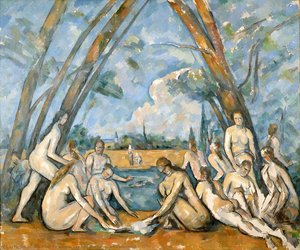 Büyük Çeşmeler (Philadelphia)Paul Cézanne, 1905
 The Gross ClinicThomas Eakins, 1875
East Bergholt Rectory için yüksek çözünürlüklü görseller

Kamu malı: sanatçı 1837 yılında vefat etmiştir.
Diğer boyutlar, kırpma seçenekleri ve alıntı bilgisi →John Constable, East Bergholt Rectory (1810), Philadelphia Museum of Art. Kamu malı.
Renkleri dijital bir uzman tarafından orijinaline uygun hale getirilmiş, sanatçının fırça darbelerine sadık kalınarak titizlikle rötuşlanmış dosya.
Yüksek çözünürlüklü dosyayı satın alınEast Bergholt Rectory hakkında sorular ve cevaplar
John Constable imzalı "East Bergholt Rectory" eseri bugün nerede sergileniyor?
"East Bergholt Rectory" eserinin orijinalini Philadelphia Museum of Art, Philadelphia, Amerika Birleşik Devletleri bünyesinde görebilirsiniz.
"East Bergholt Rectory" hangi yıl yapıldı?
"East Bergholt Rectory", 1810 yılına tarihlenmektedir. Bu tarih, eseri John Constable kariyerinin ve dönemin içerisine yerleştirmektedir.
"East Bergholt Rectory" hangi teknikle yapılmıştır?
John Constable imzalı "East Bergholt Rectory" eserinin tekniği Oil On Canvas kullanılarak uygulanmıştır. Çoğaltımlar, bu tekniğin görünümünü yansıtmayı amaçlamaktadır.
Orijinal John Constable imzalı "East Bergholt Rectory" eserinin boyutları nedir?
John Constable imzalı "East Bergholt Rectory" eserinin kayıtlı boyutları 15 x 24 cm şeklindedir. Reproduksiyonlar, aynı oranlar korunarak diğer boyutlarda sipariş edilebilir.
"East Bergholt Rectory" neyi betimliyor?
John Constable imzalı "East Bergholt Rectory" eserinde yer alan temalar landscape, sunset, trees, figures, rural, suffolk, constable, harmony unsurlarını içermektedir. Bunlar birlikte, eserin konu içeriğini özetlemektedir.
John Constable imzalı "East Bergholt Rectory" kamu malı mı?
John Constable imzalı "East Bergholt Rectory" için telif hakkı durumu: eser kamu malıdır - telif hakkı süresi dolmuştur kapsamındadır. Bu durum, görüntünün çoğaltmalarının serbestçe yapılıp yapılamayacağını belirler.
"East Bergholt Rectory" eserinin yaratıcısı kim?
"East Bergholt Rectory" eserinin sanatçısı John Constable'tir. Eser, John Constable adına kataloglanmıştır.
"East Bergholt Rectory" hangi sanat akımına aittir?
"East Bergholt Rectory", Romanticism akımına ait bir eserdir. Bu akım, eserin dahil olduğu sanatsal geleneği ifade eder.
"East Bergholt Rectory" adlı eser, John Constable kariyerinin hangi dönemine ait?
"East Bergholt Rectory", John Constable sanatçısının Early Maturity dönemini temsil etmektedir."
Sanatçı hakkında, John Constable
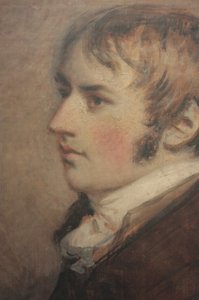
1776–1837, Birleşik Krallık
John Constable
Erken Yaşam, Aile ve Eğitim John Constable, 1776 yılında Suffolk'un East Bergholt köyünde dünyaya geldiğinde, kaderinin fırça darbeleriyle şekilleneceğinden henüz habersizdi. Golding ve Ann (Watts) Constable'ın ikinci oğlu olarak dünyaya gelen sanatçının babası, Flatford Mill'in sahibi olan varlıklı bir tahıl ve kömür tüccarıydı. Nehirle olan bu derin bağ ve yerel ticaretin dinamizmi, suyun ritmi ile malların hareketinin evin günlük yaşamının ayrılmaz bir parçası olması anlamına geliyordu. Yaklaşık 1792 yıllarında aile işinde çalışmaya başlayan Constable, yolu tuvale dönmeden önce tahıl ticaretinin pratik inceliklerini öğrenerek hayatın gerçek yüzüyle tanıştı.
John Constable Hakkında John Constable tarafından yapılmış öne çıkan eserler
John Constable tarafından yapılan diğer eserler
 Saman Yığını1821
 Piskopos Bahçeleri'nden Salisbury Katedrali Manzarası1823
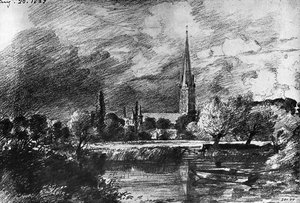 Salisbury Katedrali
 Saman Arabası (detay)1821

East Bergholt Rectory üzerine denemeler
 25 Must-See Masterpieces at the Yale Center for British ArtExplore 25 iconic works from Turner to Hogarth at Yale Center for British Art. Discover the full collection online at OriginalUniqueArt.com.
 The Sublime and the Picturesque: Exploring Emotion & Nature in Romantic Landscape PaintingExplore the emotional power of Romantic landscape painting! Discover the sublime & picturesque traditions, key artists like Friedrich & Col…
 Mastering the English Landscape: The Top 25 Artworks by John ConstableImmerse yourself in the soul of the English countryside with our curated guide to John Constable's top 25 masterpieces. Explore the emotive…