

 Önizle
 Gönder
 Paylaş
 Detaylar
 Rehber

 Dosyayı İndir
 Benzerleri
 X-Işını
 Slayt Gösterisi
 İstatistikler
Anıt Tasarımı
 Tuval Üzerine Akrilik Boya
- Duvar Sanatı
- Neoclassical Sculpture
 17.0 x 10.0 cm
 Yale Center for British Art
 Devamını Oku
Giclée / Sanat Baskısı
Hızlı üretim ve esnek bitiş seçenekleriyle müze kalitesinde giclée veya kanvas baskı. ( El Yapımı Tablo Satın Al Dijital Görsel Satışına Geç)




P118B ₺10

P118H ₺10

P118W ₺10

P438Z ₺10

P508JH ₺12

P508YH ₺12

P805H ₺10

P805Z ₺10

P919BZ ₺10

P919G ₺10

P919XJ ₺10

P959ZH ₺10

P968JZ ₺12

W106C ₺8

W218G ₺10

W218JH ₺8

W218Y ₺10

W307PJ ₺10

W316G ₺10

W316PJ ₺8

W316Y ₺10

W398PJ ₺8

W4111J ₺10

W500HY ₺15

W500JH ₺15

W692G ₺12

W849H ₺8

W940BG ₺15

W953PJ ₺8




Eserin orijinal oranlarıyla uyumlu, önceden belirlenmiş boyutlarımız arasından seçim yapın.

Çerçevenize veya duvarınıza uygun olması için ihtiyacınız olan genişlik ve yüksekliği yazın. Bir baskı yalnızca kesilebilir, görselden daha büyük hale getirilemez; bu nedenle farklı bir formdaki boyut seçimi, görselin bir kısmının kaybına neden olur. Herhangi bir baskı yapmadan önce onaylamanız için size bir dijital taslak gönderiyoruz. Bu sayfada gösterilen resim gerçek kesimi göstermez — bunu yalnızca taslak gösterir.
Dünya Çapında Teslimat (); standart 4/5 hafta yerine 2 haftada. (27 Ekim)

Dünya Çapında Ücretsiz Ekspres Kargo

Yüksek Kaliteli Keten Tuval

Tam Nakliye Sigortası

Gümrük Vergisi İadesi Garantisi

Gerçek Renk Uyumu Garantisi

100 Günlük İade Koşulları (Sadece Üretim Hatalı Ürünler İçin)

%100 Para İade Garantisi

Toplu Alım Avantajı
 Cam seçeneği yalnızca 110 cm altındaki boyutlar için mevcuttur.

Anıt Tasarımı
Giclée / Sanat Baskısı
Baskı Boyutu
-


Toplam Fiyat
₺ 3916
Johann Eckstein’ın Ölüm Büstü Tasarımı
Johann Eckstein (1735-1818), Alman sanatçıydı ve özellikle İngiltere ve Amerika Birleşik Devletleri'nde faaliyet gösteren bir heykeltıraş ve gravür ustası olarak tanınıyordu. Nancy doğumlu olan Eckstein, ailelerinin sanatsal geleneğini taşıyan bir aileden geliyordu. Babasının da aynı zamanda bir ressam olmasıyla genç yaşta sanat dünyasına adım atmış ve Maurice Quentin de La Tour gibi ünlü bir pastelistin rehberliğinde önemli bir eğitim görmüştü. Bu erken mentorluk, teknik becerilerini geliştirmesine ve özellikle detayları yakalama konusundaki hassasiyetini kazandırmıştı; bu beceri tarzının temel özelliklerinden biri oldu. Paris’e 1760 yılında yerleşmesi ise sanat ortamında yükselişinin başlangıcı olmuştu ve burada kendini İngiliz sanat dünyasına adamış, önemli eserler yaratmıştı.- Sanatçı Hakkında Kısa Bilgi: Johann Eckstein, Klasik dönemde Almanya’da yaşamış ve özellikle İngiltere’deki bilimsel ve kültürel hayata katkılarıyla bilinir. Özellikle ölüm büstüleri ve gravürleriyle tanınır.
- Eserin Özeti: Bu eser, ölüm büstü tasarımlarına ait bir çizimdir. Çizimde uzun elbisesiyle uzanan bir adam görülmektedir; üzerinde şapka vardır ve ciddi bir ifadeye sahiptir. Adamın yanında çantalar bulunmaktadır ve arka planda daha küçük figürler yer alır. Tasarımda ana odak noktası olan adamın kişiliği vurgulanmaktadır.
- Boyutlar: Çizimin ölçüleri 17 x 10 cm’dir. Küçük boyutları, özellikle dekoratif amaçlarla kullanıma uygundur.
Eserin Teknik Özellikleri ve Stil İncelemesi
Eckstein’ın ölüm büstü tasarımları genellikle detaylara gösterdiği özen ile bilinir. Çizimde kullanılan kalem ve gri tonlar, yüz ifadelerini ve kumaş dokusunu canlı bir şekilde yakalamayı amaçlamaktadır. Bu teknik beceri, Eckstein’ın eserlerinde Klasik dönem estetiğini yansıtır.
- Materyal: Çizim, krem renginde kağıda kalem ve siyah mürekkeple uygulanmıştır. Kullanılan malzeme seçimi, uzun ömürlü bir baskı yapmaya olanak sağlamaktadır.
- Renk Paleti: Çalışmanın renk paleti sade ve duygusal olarak etkileyicidir; gri tonlar ölümün ağırlığını ve düşünceliği vurgulayarak izleyiciye huzur verir.
Histörik Bağlam ve Sembolizm
Eckstein’ın eserleri, Aydınlanma Çağı’nın sanat anlayışını temsil eder. Ölüm büstü tasarımları, dönemin önemli düşünürlerini ve bilim insanlarını hatırlatan figürlerle dolu olup, ölümün kaçınılmazlığını kabul eden bir ruh halini yansıtır.
- Sembolizm: Çizimde kullanılan uzun elbise ve şapka gibi detaylar, dönemin aristokrat kültürü ile uyumlu bir görünüme katkıda bulunur. Ayrıca çantalar ise ölümün hazırlıklarını simgeleyebilir.
Eserin Duygusal Etkisi ve Dekoratif Kullanımı
Johann Eckstein’ın Ölüm Büstü Tasarımı, hem sanatseverlere hem de iç tasarımcılarına ilham kaynağı olabilir. Klasik dönem estetiğini benimseyen bu eser, özel bir atmosfere sahip olup, herhangi bir dekoratif projeye mükemmel bir katkı sağlayabilir.
Soru ve Cevaplar
Johann Eckstein imzalı "Anıt Tasarımı" eserinin dijital görüntüsünü nereden satın alabilirim?
Johann Eckstein imzalı "Anıt Tasarımı" eserinin dijital görüntüsünü Dijital Görsel sayfasından satın alabilirsiniz: yüksek çözünürlüklü dijital görüntü indirme.
"Anıt Tasarımı" eserinin arkasındaki sanatçı kim?
"Anıt Tasarımı" eserinin arkasındaki sanatçı Johann Eckstein'tir. Eser, Johann Eckstein adına kataloglanmıştır.
Johann Eckstein imzalı "Anıt Tasarımı" eserindeki kontrast ne kadar güçlü?
Johann Eckstein imzalı "Anıt Tasarımı" eserinin kontrast seviyesi Huzurlu'dır.
Sanatçı Biyografisi
A Life of Artistic Versatility
Johann Eckstein stands as a remarkable testament to the boundless versatility required of a master craftsman during the late 18th century. Born in Poppenroth, Germany, he was the son of Conrad Eckstein, a skilled woodcarver and cabinet-maker, an upbringing that likely laid the foundation for his profound technical dexterity. His artistic journey was one of constant movement and adaptation, spanning the grand courts of Europe and the burgeoning landscape of America. A true polymath of the visual arts, Eckstein’s talent was not confined to a single medium; his oeuvre encompassed the delicate precision of engraving, the emotive power of portraiture, the tactile grace of pastel artistry, and the monumental presence of sculpture.
His formal training began at the Nuremberg Academy of Arts under the guidance of Preissler, providing him with the classical grounding necessary to navigate the prestigious artistic circles of his era. This education prepared him for a career that would see him move from the vibrant art scene of London to the royal splendor of Prussia, and eventually to the shores of the United States. Whether working in wax, marble, or ink, Eckstein possessed an intellectual curiosity that allowed him to master diverse techniques, making him a rare figure capable of addressing both the intimate scale of a portrait and the architectural demands of a public monument.
From European Courts to the New World
The trajectory of Eckstein’s career was marked by significant royal patronage and international transitions. During his time in London between 1758 and 1765, he established himself through notable achievements, such as working on the relief for the monument to Roger Townshend in Westminster Abbey and receiving prestigious premiums from the Society of Arts for his Portland stone reliefs. His reputation soon caught the attention of Frederick the Great, whose invitation led Eckstein to the Prussian court. As the principal sculptor at Potsdam and Sans Souci, he executed works that defined the neoclassical aesthetic of the era, later continuing his service under Frederick William.
Eckstein’s influence extended into the realm of fine porcelain and commemorative art, as seen in his modeling for the Berlin porcelain factory and his creation of death masks and wax busts. However, his life took a dramatic turn when he sought a new beginning in America. Arriving in Philadelphia by November 1793, he brought with him a wealth of European tradition, becoming a founder member of the Philadelphia Academy. Despite the challenges of settling in a new country—a struggle he lamented in his later years—he continued to exhibit works ranging from equestrian figures of George Washington to instructional texts like The American Drawing Magazine. His final chapter took him to Havana, where he passed away after a life defined by an unrelenting pursuit of artistic excellence across continents.
Technical Mastery and Artistic Legacy
The essence of Eckstein’s work lies in his ability to blend meticulous detail with profound emotional resonance. In his drawings and engravings, such as the Design for Funerary Monument, one observes a signature style characterized by restrained emotion and a somber reflection on the human condition. His use of techniques like precise hatching and cross-hatching allowed him to render textures with exceptional skill, creating a sense of gravitas that invited quiet introspection from the viewer. This technical precision was equally evident in his sculptural endeavors, where he could transition seamlessly from the delicate modeling of wax portraits to the heavy, enduring medium of marble.
Eckstein’s legacy is not merely found in individual masterpieces but in his role as a bridge between the established traditions of Europe and the developing artistic identity of America. His ability to master various disciplines—sculpture, engraving, painting, and even instructional writing—demonstrates a breadth of talent that few of his contemporaries could match. Through his work, he captured the neoclassical preoccupation with idealized form and dignified emotion, leaving behind a body of work that reflects both the Enlightenment ideals of his time and the personal resilience of a wandering master.

Johann Eckstein
1735 - 1818 , Germany
Kısa Bilgiler
- Artistic Movement Or Style: Neoclassical Sculpture
- Artists Who Influenced This Artist: ['Preissler']
- Full Name: Johann Eckstein
- Nationality: German
- Notable Artworks: ['Design for Funerary Monument']
- Place Of Birth: Poppenroth, Germany
- Date Of Birth: 1735
- Date Of Death: 1818
İlgili Yazılar

The Enduring Form: Sculpture Across History, Technique & Emotional Resonance
Explore the rich history of sculpture with OriginalUniqueArt. Discover key techniques, influential artists & investment potential for discerning collectors. Expert insights into valuing and collecting timeless masterpieces.

The Enduring Form: Exploring Themes & Techniques in Sculpture Across Historical Periods
Explore the rich history of sculpture from ancient masterpieces to contemporary innovations. Discover key techniques, influential artists & investment potential for discerning art collectors.

Bronze Age to Modern Masters: 10 Sculptures That Redefined Art | OriginalUniqueArt
Journey through art history with 10 legendary bronze sculptures – from Michelangelo's David to Rodin’s Thinker. Explore the stories, techniques & timeless beauty of these masterpieces. Find museum-quality reproductions & elevate your home decor on OriginalUniqueArt.com.

Bronze Sculptures That Defined Art History | OriginalUniqueArt
Journey through art history with our Top 10 bronze sculptures! Explore masterpieces by Rodin, Michelangelo & more. Discover stories behind iconic statues and find museum-quality reproductions for your home decor at OriginalUniqueArt.com.
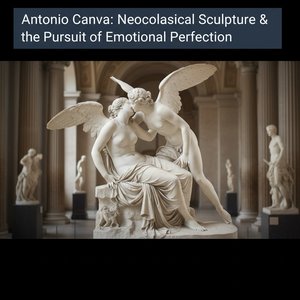
Antonio Canova: Neoclassical Sculpture & the Pursuit of Emotional Perfection
Explore the life & art of Antonio Canova, the greatest Neoclassical sculptor. Discover his masterpieces, innovative techniques, and lasting influence on fine art collecting. Expert insights for discerning investors.
