
 Önizleme yap
 Paylaş
 Paylaş
 Detayları Gör

 İndir
İndir
 Benzerlerini gör
 X-Işını
 Slayt Gösterisi
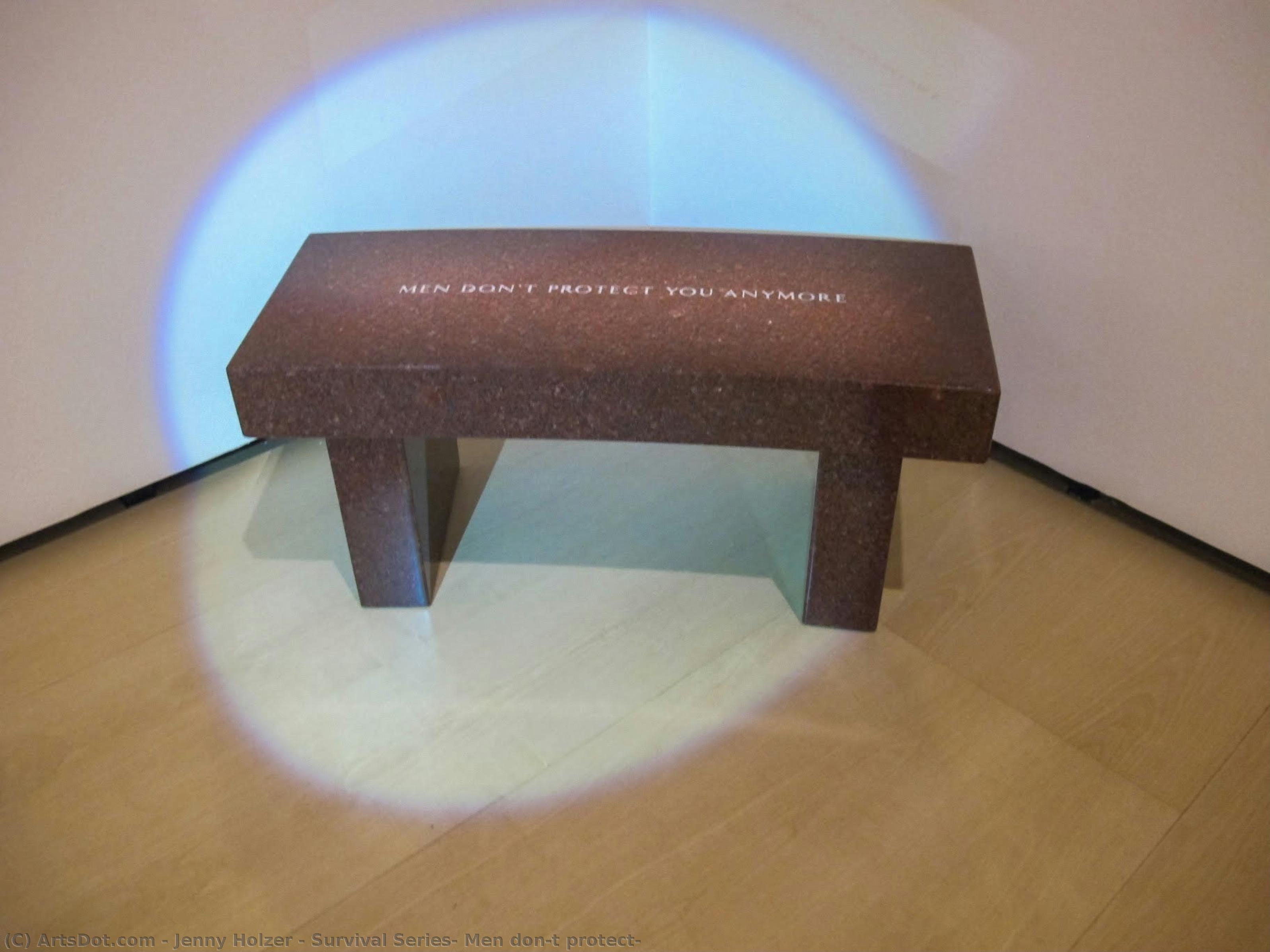
Survival Series: Men don’t protect…
 Mixed Media
- WallArt
- Neo-conceptualism
 1989
1989 43.0 x 106.0 cm
 Guggenheim Müzesi Bilbao
 Tümünü Gör
Çevrimiçi önizlemeden çok daha üstün, yüksek çözünürlüklü ve iyileştirilmiş bir dijital görüntü satın alın.
Her dosya, uzman ekibimiz tarafından gelişmiş araçlar ve titiz manuel rötuş teknikleri kullanılarak özenle hazırlanır. Her görüntünün olağanüstü netliğe, kusursuz renk doğruluğuna ve ince ayrıntılara sahip olduğundan emin oluruz.
Son dosya; profesyonel, editoryal ve baskı süreçlerinde anında kullanıma uygun şekilde optimize edilerek 72 saat içinde e-posta yoluyla teslim edilir. Bu, seçkin tasarım stüdyoları, yayıncılar ve galerilerin güvendiği aynı kalite standartlarındadır.
Dijital Görsel
Kişisel sergileme, baskı ve yaratıcı projeleriniz için yüksek çözünürlüklü bir dosya indirin. ( Baskı satın al El yapımı tablo satın al)
Her Dijital Görüntü Siparişinde Dahil Olanlar
Uzman Dijital Teslimat, Garantili
OriginalUniqueArt.com seçtiğinizde, sadece bir görsel edinmekle kalmaz; titizlikle hazırlanmış, profesyonelce iyileştirilmiş dijital bir sanat eserine sahip olur ve memnuniyet garantisiyle güvence altına alınırsınız. Siparişinizle birlikte otomatik olarak sunulan her şey şunlardır:

Hızlı E-posta ile Teslimat
Yüksek çözünürlüklü dijital görüntü dosyanız, siparişinizin üzerinden en geç 72 saat geçmeden e-posta ile size gönderilecektir; hemen kullanıma hazırdır.

Yapay Zeka İle İyileştirilmiş Dijital Dosya
Sanat eseriniz; maksimum detay, netlik ve renk doğruluğu sağlamak amacıyla gelişmiş yapay zeka araçları ve manuel düzenleme kullanılarak profesyonelce optimize edilmektedir.

Ömür Boyu Ücretsiz Yeniden Gönderim
Dosyanızı yanlışlıkla mı sildiniz yoksa kayıp mı oldu? Endişelenmeyin; dosyanızı dilediğiniz zaman size ücretsiz olarak tekrar göndereceğiz.

Hiçbir Zaman İthalat Ücreti Ödemeyin
Sanat eserinizin tadını gümrük vergisi, harç veya teslimat ücreti ödemeden anında çıkarın; dijital indirmeler her zaman vergiden muaftır.

Renk Doğruluğu Garantisi
Profesyonel araçlar ve renk yönetimi kullanarak dijital görselinizin orijinal renklere mümkün olduğunca yakın yansıtılmasını sağlıyoruz.

60 Günlük Memnuniyet Garantisi
If you're not satisfied with your digital image, we'll revise it or refund 100% within 60 days - no questions asked.

100% Para İadesi Garantisi
Memnun kalmadınız mı? Dijital dosyanızı aldıktan sonraki 60 gün içinde, hiçbir soru sorulmaksızın tam iade alın.

Toplu Sipariş İndirimleri
Buy 3 images, save 10% - Buy 5, save 15% - Buy 10+, save 20%. Great for creative projects, galleries, and agencies.
Koleksiyon Detayları
The Unvarnished Truth on Granite
Jenny Holzer’s work possesses an undeniable immediacy, transforming mundane architectural elements into potent canvases for philosophical discourse. This piece, Survival Series: Men don’t protect…, is a striking meditation rendered upon the cool, enduring surface of granite. It captures the ephemeral nature of spoken promises against the permanence of stone. The very act of inscribing words—a declaration, a warning, a lament—onto such a solid material creates an inherent tension that defines the viewing experience. One cannot help but wonder about the hands that wrote it and the moment when those words were deemed worthy of this public stage.
A Dialogue Between Language and Material
Holzer’s signature style is one of linguistic interventionism. She does not paint scenes; she paints thoughts. Here, the stark white lettering against the dark, polished granite commands attention with brutal clarity. The material itself—granite—speaks of history, weight, and endurance, contrasting sharply with the fragility of human relationships suggested by the inscription. This juxtaposition is key to understanding the piece’s power. It suggests that while emotions ebb and flow like tides, certain truths, once articulated, become etched into the public consciousness, much like this message remains visible on the bench.
Context and Conceptual Weight
Emerging from a period of intense social questioning in the late 20th century, this work situates itself within the lineage of conceptual art. Holzer uses language not as decoration, but as an operative force—a tool to dismantle assumptions about societal structures and personal vulnerability. The piece invites the viewer into a deeply personal reckoning, forcing them to confront narratives of protection, abandonment, and self-reliance. It is less a statement *about* men, and more a catalyst for every individual viewing it to examine their own definitions of support and survival.
Bringing the Statement Home
For collectors and designers seeking art that transcends mere ornamentation, this reproduction offers profound intellectual depth. Imagine this piece integrated into a sophisticated interior space—perhaps in a gallery lounge or a modern entryway. The cool texture of the granite facsimile grounds the room, while the stark white text acts as an unexpected focal point, sparking conversation long after the initial viewing. It is art that demands to be read, contemplated, and ultimately, felt.
Sanatçı Özgeçmişi
Jenny Holzer: Architect of Public Thought
Jenny Holzer, a name synonymous with provocative public art and the potent deployment of language, stands as a pivotal figure in neo-conceptualism. Born in Gallipolis, Ohio, in 1950, her journey from aspiring painter to globally recognized artist is marked by a relentless interrogation of power, society, and the very nature of communication. Holzer’s work isn't merely visual; it’s an immersive experience designed to challenge viewers, sparking reflection and demanding engagement with complex ideas. Her career, spanning decades and encompassing diverse media – from billboards and LED projections to stone benches and painted signs – has cemented her legacy as a vital voice in contemporary art.
Early Influences and Artistic Beginnings
Holzer’s artistic roots were initially planted in the traditional world of painting. She began formal training at Duke University, Durham, North Carolina, followed by studies at the University of Chicago and Ohio University, where she honed her skills in drawing, printmaking, and painting. However, a pivotal shift occurred during her time at the Rhode Island School of Design (RISD) in 1974-75. It was here that she began to experiment with language as a primary artistic medium, moving beyond representational imagery and embracing the directness of text. This nascent interest coincided with her relocation to New York City in 1976, where she joined the Whitney Museum’s Independent Study Program – a crucible for experimental art practices. Crucially, Holzer found work as a typesetter for Laundry News, a laundromat-industry trade newspaper, providing a grounding in typography and printmaking that would later inform her distinctive visual style.
The Rise of “Truisms” and Public Intervention
Holzer’s breakthrough arrived with the creation of *Truisms* (1977-79), a series of nearly 300 aphoristic statements printed on white paper in black italic script and wheat-pasted onto buildings, walls, and fences throughout Manhattan. These deceptively simple pronouncements – often drawn from her extensive reading list at the Whitney Independent Study Program – served as a radical intervention into the urban landscape. *Truisms* weren’t intended to be aesthetically pleasing; their power lay in their bluntness, challenging viewers to question assumptions about truth, knowledge, and societal norms. The anonymity of the project further amplified its impact, fostering a sense of collective engagement and critical dialogue. This early work established Holzer's core methodology: deploying concise, often unsettling statements within public spaces to provoke thought and challenge conventional perspectives.
Expanding the Medium: LED Projections and Beyond
Following *Truisms*, Holzer continued to explore the possibilities of language in public space. The *Living* series (1980-82), presented on aluminum and bronze plaques, addressed the mundane necessities of daily life – eating, breathing, sleeping, and human relationships – with a stark, matter-of-fact tone. This period also saw Holzer’s first foray into electronic signage, culminating in her iconic display at Times Square in 1982. From this point forward, LED projections became a central element of her practice, allowing for dynamic, site-specific installations that responded to the architecture and context of their surroundings. Holzer's work has since diversified dramatically, incorporating traditional media such as painting, stone benches, and even a race car for BMW, demonstrating an ongoing commitment to experimentation and pushing the boundaries of artistic expression.
Legacy and Critical Significance
Jenny Holzer’s impact on contemporary art is undeniable. She belongs to a generation of artists who sought new ways to integrate narrative and commentary into visual objects, challenging traditional notions of representation. Her work has been exhibited worldwide, including at major institutions such as the Guggenheim Museum in New York and the Neue Nationalgalerie in Berlin. Holzer’s exploration of themes like power, gender, war, and surveillance continues to resonate deeply with audiences today, prompting critical reflection on the social and political forces shaping our world. Her legacy extends beyond individual artworks; she has fundamentally altered the way public space is perceived and utilized as a site for artistic intervention, solidifying her position as a pioneering voice in neo-conceptualism and a vital commentator on the complexities of modern society.

Jenny Holzer
1950 - , United States of America
Kısa Bilgiler
- Artistic Movement Or Style: Neo-conceptual art
- Artists Or Movements Influenced By This Artist:
- Cindy Sherman
- Sarah Charlesworth
- Artists Who Influenced This Artist:
- Louise Lawler
- Barbara Kruger
- Date Of Birth: July 29, 1950
- Full Name: Jenny Holzer
- Nationality: American
- Notable Artworks:
- Truisms
- DODDOACID
- Survival Series
- Place Of Birth: Gallipolis, Ohio

