

 Gönder
 Paylaş
 Detaylar
 Rehber

 Dosyayı İndir
 Benzerleri
 Slayt Gösterisi
 İstatistikler
Nymph


 Devamını Oku
Giclée / Sanat Baskısı
Hızlı üretim ve esnek bitiş seçenekleriyle müze kalitesinde giclée veya kanvas baskı. ( El Yapımı Tablo Satın Al Dijital Görsel Satışına Geç)




































Eserin orijinal oranlarıyla uyumlu, önceden belirlenmiş boyutlarımız arasından seçim yapın.

Çerçevenize veya duvarınıza uygun olması için ihtiyacınız olan genişlik ve yüksekliği yazın. Bir baskı yalnızca kesilebilir, görselden daha büyük hale getirilemez; bu nedenle farklı bir formdaki boyut seçimi, görselin bir kısmının kaybına neden olur. Herhangi bir baskı yapmadan önce onaylamanız için size bir dijital taslak gönderiyoruz. Bu sayfada gösterilen resim gerçek kesimi göstermez — bunu yalnızca taslak gösterir.
Dünya Çapında Teslimat (); standart 4/5 hafta yerine 2 haftada. (28 Ekim)

Dünya Çapında Ücretsiz Ekspres Kargo

Yüksek Kaliteli Keten Tuval

Tam Nakliye Sigortası

Gümrük Vergisi İadesi Garantisi

Gerçek Renk Uyumu Garantisi

100 Günlük İade Koşulları (Sadece Üretim Hatalı Ürünler İçin)

%100 Para İade Garantisi

Toplu Alım Avantajı
 Cam seçeneği yalnızca 110 cm altındaki boyutlar için mevcuttur.

Nymph
Giclée / Sanat Baskısı
Baskı Boyutu
-


Toplam Fiyat
₺ 3920
The Enigmatic Nymph: A Renaissance Reverie
Jean Goujon’s “Nymph,” a marble sculpture dating back to 1548, is more than just a depiction of a mythological figure; it's a distilled essence of the High Renaissance, a moment captured in cool, luminous stone. The image before us—a meticulously documented photograph from the Walters Art Museum—offers a rare glimpse into the artist’s profound understanding of both classical form and the sensual grace that defined this pivotal era. The sculpture immediately draws the eye with its poised elegance, a testament to Goujon's mastery of capturing movement within static material. The figure isn’t merely posed; she seems to be caught in an eternal gesture—a reaching, a contemplation—imbued with a quiet dignity that transcends the limitations of marble.
The choice of marble itself is crucial. It lends the sculpture an inherent luminosity, reflecting light and creating subtle gradations of tone that bring the drapery to life. Goujon’s technique demonstrates a remarkable command of texture; you can almost feel the cool smoothness of the stone against the delicate folds of her garment. The artist doesn't simply carve; he sculpts, coaxing form from the unyielding material with an intuitive understanding of how light interacts with surface. Notice particularly the way the drapery clings to the body, suggesting both weight and fluidity—a masterful balance achieved through careful observation and painstaking execution.
A Symphony of Classical Influence
Goujon’s work is deeply rooted in the classical ideals that were being revived during the Renaissance. The sculpture echoes the elegant proportions and idealized forms of ancient Greek sculpture, particularly those found on monuments like the Erechtheum at Athens. However, Goujon doesn't simply replicate; he adapts these principles to his own unique style, imbuing them with a distinctly Mannerist sensibility. This is evident in the elongated figures, the subtle distortions of form, and the heightened emotional expression—elements that were characteristic of the period.
The influence of Italian Renaissance sculpture, particularly the work of artists like Rosso Fiorentino, is also palpable. Goujon embraced the dynamism and sensuality of Mannerism, moving away from the rigid formality of earlier styles. The Nymph’s pose, with its upward reach and slightly tilted head, conveys a sense of yearning or perhaps even playful mischief—a far cry from the stoic composure often found in classical sculpture. The composition itself is carefully balanced, creating a harmonious visual experience that delights the eye.
Symbolism and Mythological Resonance
As a depiction of a nymph – a spirit of nature closely associated with springs, rivers, and forests – the figure embodies themes of fertility, beauty, and mystery. Nymphs were often depicted as attendants to goddesses like Artemis or Dionysus, representing the wildness and untamed aspects of the natural world. The sculpture’s serene expression suggests a connection to this deeper realm, inviting contemplation and perhaps even a sense of wonder.
The specific gesture—the raised arm reaching towards an unseen object—is open to interpretation. It could represent a desire for connection, a longing for something beyond the immediate world, or simply a moment of quiet reflection. Regardless of its precise meaning, this gesture adds a layer of emotional depth to the sculpture, transforming it from a mere representation of a mythological figure into a powerful symbol of human experience.
A Legacy in Stone
Jean Goujon’s “Nymph” stands as a testament to his exceptional talent and his profound understanding of art history. Created during a period of intense artistic innovation, the sculpture embodies the spirit of the Renaissance—a celebration of beauty, knowledge, and human potential. Its enduring appeal lies not only in its technical brilliance but also in its ability to evoke a sense of timeless grace and mystery. Reproductions of this exquisite piece offer a remarkable opportunity to bring this masterpiece into any setting, allowing its elegance and symbolism to enrich our lives.
The presence of the “© Walters Art Museum” watermark reminds us that this image is part of a rich artistic heritage, carefully preserved for future generations. It’s an invitation to delve deeper into the world of Renaissance sculpture and to appreciate the enduring legacy of Jean Goujon—a sculptor who shaped Parisian elegance and left an indelible mark on the history of art.
Soru ve Cevaplar
Jean Goujon imzalı "Nymph" hangi duyguyu yansıtıyor?
"Nymph", Reflective bir duyguyla ilişkilendirilir. Duygusal ton, eserin uyandırdığı izlenimi tanımlar.
"Nymph" adlı eser, Jean Goujon kariyerinin hangi dönemine ait?
Jean Goujon'in kariyeri içerisinde "Nymph", Late Renaissance dönemine ait bir eserdir. Bu evre, eserin sanatçının diğer çalışmalarıyla karşılaştırılmasına yardımcı olur.
"Nymph" adlı eserin French Renaissance akımının arkasındaki ulusal köken nedir?
"Nymph", yaratıcısının doğum yeri aracılığıyla French Renaissance akımını Fransa ile ilişkilendiriyor.
Sanatçı Biyografisi
Paris Zarafetine Şekil Veren Heykeltıraş
Jean Goujon (yaklaşık 1510 – 1565), bir yandan Maniyerizm'in üslup ateşini bünyesinde barındırırken diğer yandan kendisini klasik ideallere dayandıran, Fransız Rönesans heykel ve mimarisinin temel taşlarından biri olarak durmaktadır. Normandiya'da doğan sanatçının ilk yılları gizem perdesi arkasında kalsa da, ortaya koyduğu bereketli eserler onu kısa sürede dönemin en önde gelen sanatsal seslerinden biri haline getirmiştir; bu durum, onun olağanüstü yeteneğinin ve zanaatına olan sarsılmaz bağlılığının bir kanıtıdır. Goujon'un yolculuğu, İtalya'daki biçimlendirici deneyimlerle başlamış, burada Roma heykel sanatının görkemini özümseyerek bu ilkeleri kendi kendine özgü üslubuna entegre etmiştir. Bu etki, tüm eserlerinde hissedilir düzeydedir, özellikle kumaş kıvrımlarındaki ustalıklı dokunuşlarında ve anatomik hassasiyetinde açıkça görülür.
Sanatsal yükselişi, Rouen Katedrali'nde (1541-42) Anet beyi Louis de Brézé için üstlendiği anıtsal mezar anıtı çalışmasıyla başladı; bu görev, onun gelişmekte olan yeteneğini ve hırsını sergileyen bir sipariş oldu. Bu iddialı proje, Fransız heykel dünyasında yükselen bir yıldız olarak ününü pekiştirdi. Eş zamanlı olarak, Saint-Maclou Kilisesi'nde mimari becerilerini geliştirdi ve sanatsal vizyonu yapısal mühendislikle harmanlama konusundaki doğuştan gelen yeteneğini kanıtladı. Ortaya çıkan yapı, estetik güzelliğe ve işlevsel bütünlüğe olan bağlılığı yansıtan, Rönesans dini mimarisinin muhteşem bir örneği olarak ayakta durmaktadır.
Vizyoner Bir Görkem Ortaklığı
1544 yılında Paris'e taşınan Goujon, Saint-Germain-l'Auxerrois katedralinin iddialı yeniden inşasını yöneten mimar Pierre Lescot ile çok önemli bir ortaklığa adım attı. Birlikte, nefes kesici heykel dekorasyonları —en dikkat çekicisi ise vaaz kürsüsü— tasarlayıp hayata geçirdiler; bu eser, Lescot'nun neoklasik duyarlılığını ve Goujon'un usta işi kumaş kıvrımı tekniğini örnekleyen bir şaheserdir. Bu iş birliği dönemi, Goujon'un taşa akışkan bir hareket ve ruhani bir zarafet katmaya başlamasıyla Fransız Rönesansı'nın görsel dilini tanımladı.
Etkisinin zirvesi belki de en belirgin şekilde Louvre'daki katkılarında görülür. Cour Carrée Cephesi (Lescot kanadı) üzerindeki çalışmaları, Fransız sanatsal dehasını yansıtan karmaşık oymalar aracılığıyla klasik zarafeti sergileyen ikonik bir başarı olarak kalmaya devam etmektedir. Bu eserlerde, soğuk mermere hayat verme yeteneğinin bir simgesi olan, yontulmuş figürler üzerindeki ışık ve gölgenin hassas etkileşimi gözlemlenebilir. Ustalığı Louvre Cephesi (detay) kısmına da uzanmıştır; burada detaylara gösterdiği eşsiz özen, klasik zarafeti karmaşık oymalarla harmanlayarak Maniyerist tarzın bir şaheserini yaratmış ve yüzyıllar sonra bile izleyicileri büyülemeye devam etmiştir.
Zarafet ve Klasik Formun Mirası
Goujon'un mirası, Maniyerizm'in gerilimini Klasisizm'in dinginliğiyle uyumlu hale getirmedeki eşsiz yeteneğiyle tanımlanır. Heykelleri genellikle mimari ortamları içinde süzülüyormuş gibi görünen nimfler ve alegorik figürler içerir; bu teknik en ünlü şekilde Karyatidler eserinde vücut bulmuştur. Bu on usta işi figür, 16th yüzyıl Fransız Rönesans heykel sanatının doruk noktasını temsil ederek izleyiciye klasik bir görkem ve sofistike bir zarafet duygusu sunar. Goujon bu eserlerle binaları süslemekten daha fazlasını yaptı; Fransız estetik inceliğinin asıl kimliğini yonttu.
Anatomi ve kumaş kıvrımlarına olan yaklaşımı nesiller boyu Avrupalı sanatçıları etkilediği için, çalışmalarının tarihsel önemi göz ardı edilemez. Ağır taşı akışkan, ritmik formlara dönüştürme yeteneği, ölümünden çok sonra da varlığını sürdürecek bir Fransız Klasisizmi standardı belirledi. Bugün, Louvre kanatlarının karmaşık detaylarından mimari süslemeler üzerindeki derin etkisine kadar, dehasının kalıntıları, Paris'in zarafetine gerçekten şekil veren bir adamın kalıcı bir kanıtı olarak hizmet etmektedir.

Jean Goujon
1510 - 1567 , Fransa
Kısa Bilgiler
- Artistic Movement Or Style: Maniyerizm
- Artists Or Movements Influenced By This Artist: ['Fransız Klasisizmi']
- Artists Who Influenced This Artist: ['Michelangelo']
- Date Of Birth: M.S. 1510 civarı Normandiya Fransa
- Date Of Death: M.S. 1567 civarı
- Full Name: Jean Goujon
- Nationality: Fransız
- Notable Artworks:
- Nymphs (detay)
- Pietà
- Savaş ve Barış
- Fontaine des Innocents
- Louvre Heykelleri
- Place Of Birth: Normandiya Fransa
İlgili Yazılar

The Enduring Form: Exploring Themes & Techniques in Sculpture Across Historical Periods
Explore the rich history of sculpture from ancient masterpieces to contemporary innovations. Discover key techniques, influential artists & investment potential for discerning art collectors.
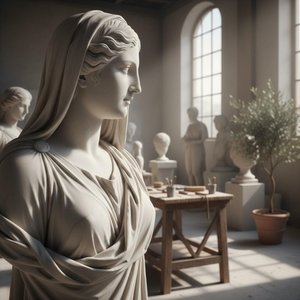
Timeless Elegance: A Complete Guide to the Sublime Beauty and Artistry of Marble Sculpture
Discover the sublime beauty of marble art through an expert exploration of Renaissance and Neoclassical masterpieces. From the delicate textures of Carpeaux to the grandeur of Sansovino, immerse yourself in a guide to timeless elegance and sculptural perfection.

Bronze Sculptures That Defined Art History | OriginalUniqueArt
Journey through art history with our Top 10 bronze sculptures! Explore masterpieces by Rodin, Michelangelo & more. Discover stories behind iconic statues and find museum-quality reproductions for your home decor at OriginalUniqueArt.com.

Bronze Age to Modern Masters: 10 Sculptures That Redefined Art | OriginalUniqueArt
Journey through art history with 10 legendary bronze sculptures – from Michelangelo's David to Rodin’s Thinker. Explore the stories, techniques & timeless beauty of these masterpieces. Find museum-quality reproductions & elevate your home decor on OriginalUniqueArt.com.

The Enduring Allure of Marble in Art History: From Classical Sculpture to Modern Abstraction
Explore the captivating history of marble sculpture from ancient Greece to modern art. Discover renowned artists like Canova & Michelangelo, carving techniques, and investment insights at OriginalUniqueArt.