Metin boyutu

() ·

Sizin için, elle yapılmış bir tablo

God the Father

El Yapımı Yağlı Boya Reproduksiyon

Sanatçılarımız tarafından sipariş üzerine hazırlanan; istediğiniz boyut ve çerçevede, tuval üzerine el boyaması yağlı boya. ( Baskı Satışına Geç Dijital Görsele Geç)

Eser Açıklaması

Sanatçı Biyografisi

Jan van Eyck (r. 1390-1441): Erken Netheri̇liler resminde öncü, yağlı boya tekniğindeki ustalığı ve gerçekçiliğiyle tanınır! 'Ghent Altarpiece' ve 'Arnolfini Portresi' gibi eserlerini keşfedin!

...den/dan ·

Bölüm 1

Boyutu ne kadar olmalı?

Boyutu değiştirmek için kaydırın; soldaki resim çerçevenin gerçek genişliğini göstermektedir. Orijinal oranlar korunmuştur.

Standart
özel boyutlu
CM
INCH

Eserin orijinal oranlarıyla uyumlu, önceden belirlenmiş boyutlarımız arasından seçim yapın.

genişlik
yükseklik

Çerçevenize veya duvarınıza uygun olması için ihtiyacınız olan genişlik ve yüksekliği yazın. Bu eser el boyamasıdır; bu nedenle farklı bir formdaki boyutlar için sanatçı, resmin etrafına biraz daha fazla boya ekleyebilir veya kenarlardan biraz kırpabilir — seçim sizin. Boyama işlemi başlamadan önce onaylamanız için size bir dijital taslak gönderiyoruz. Bu sayfada gösterilen resim gerçek sonucu yansıtmamaktadır; gerçek sonucu yalnızca taslak göstermektedir.

Bölüm 2

Nasıl teslim edilmeli?

Gergin kanvasın kenarlarını seçin

Çerçevenizi seçin

Corner sample of the WhiteWrap canvas edge finish, stretched on masif ahşap bars
Beyaz kenar bitişi ₺1
Corner sample of the BlurSideWrap canvas edge finish, stretched on masif ahşap bars
Bulanık kenar bitişi ₺1
Corner sample of the ExtendedWrap canvas edge finish, stretched on masif ahşap bars
Kenar boyalı ₺1
Corner sample of the P118B picture frame: kalıplanmış polistiren, 5 cm wide and 3 cm thick
P118B ₺10
Corner sample of the P118H picture frame: kalıplanmış polistiren, 5 cm wide and 3 cm thick
P118H ₺10
Corner sample of the P118W picture frame: kalıplanmış polistiren, 5 cm wide and 3 cm thick
P118W ₺10
Corner sample of the P438Z picture frame: kalıplanmış polistiren, 5.5 cm wide and 3.5 cm thick
P438Z ₺10
Corner sample of the P508JH picture frame: kalıplanmış polistiren, 7 cm wide and 3.5 cm thick
P508JH ₺12
Corner sample of the P508YH picture frame: kalıplanmış polistiren, 7 cm wide and 3.5 cm thick
P508YH ₺12
Corner sample of the P805H picture frame: kalıplanmış polistiren, 5 cm wide and 3.5 cm thick
P805H ₺10
Corner sample of the P805Z picture frame: kalıplanmış polistiren, 5 cm wide and 3.5 cm thick
P805Z ₺10
Corner sample of the P919BZ picture frame: kalıplanmış polistiren, 7 cm wide and 3.5 cm thick
P919BZ ₺10
Corner sample of the P919G picture frame: kalıplanmış polistiren, 7 cm wide and 3.5 cm thick
P919G ₺10
Corner sample of the P919XJ picture frame: kalıplanmış polistiren, 7 cm wide and 3.5 cm thick
P919XJ ₺10
Corner sample of the P959ZH picture frame: kalıplanmış polistiren, 5 cm wide and 3 cm thick
P959ZH ₺10
Corner sample of the P968JZ picture frame: kalıplanmış polistiren, 6 cm wide and 4 cm thick
P968JZ ₺12
Corner sample of the W106C picture frame: masif ahşap, 5 cm wide and 3 cm thick
W106C ₺8
Corner sample of the W218G picture frame: masif ahşap, 5 cm wide and 3 cm thick
W218G ₺10
Corner sample of the W218JH picture frame: masif ahşap, 5 cm wide and 3 cm thick
W218JH ₺8
Corner sample of the W218Y picture frame: masif ahşap, 5 cm wide and 3 cm thick
W218Y ₺10
Corner sample of the W307PJ picture frame: masif ahşap, 6 cm wide and 3 cm thick
W307PJ ₺10
Corner sample of the W316G picture frame: masif ahşap, 6 cm wide and 3 cm thick
W316G ₺10
Corner sample of the W316PJ picture frame: masif ahşap, 6 cm wide and 3 cm thick
W316PJ ₺8
Corner sample of the W316Y picture frame: masif ahşap, 6 cm wide and 3 cm thick
W316Y ₺10
Corner sample of the W398PJ picture frame: masif ahşap, 5 cm wide and 3 cm thick
W398PJ ₺8
Corner sample of the W4111J picture frame: masif ahşap, 6.5 cm wide and 3.5 cm thick
W4111J ₺10
Corner sample of the W500HY picture frame: masif ahşap, 7 cm wide and 5 cm thick
W500HY ₺15
Corner sample of the W500JH picture frame: masif ahşap, 7 cm wide and 5 cm thick
W500JH ₺15
Corner sample of the W692G picture frame: masif ahşap, 8 cm wide and 4 cm thick
W692G ₺12
Corner sample of the W849H picture frame: masif ahşap, 5 cm wide and 3 cm thick
W849H ₺8
Corner sample of the W940BG picture frame: masif ahşap, 7.5 cm wide and 4.5 cm thick
W940BG ₺15
Corner sample of the W953PJ picture frame: masif ahşap, 6 cm wide and 3.5 cm thick
W953PJ ₺8
Corner sample of the H24-GOLD picture frame: alçıyla işlenmiş oyma ahşap, 10 cm wide and 6 cm thick
H24-GOLD ₺30
Corner sample of the H24-SILVER picture frame: alçıyla işlenmiş oyma ahşap, 10 cm wide and 6 cm thick
H24-SILVER ₺30
Corner sample of the H36-GOLD picture frame: alçıyla işlenmiş oyma ahşap, 15 cm wide and 6.5 cm thick
H36-GOLD ₺45
Corner sample of the H36-SILVER picture frame: alçıyla işlenmiş oyma ahşap, 15 cm wide and 6.5 cm thick
H36-SILVER ₺45

Çerçeve Kenarlığı: . Çerçeve dahil toplam boyut: .

Bölüm 3

Bunu kim boyuyor ve herhangi bir şey değişmeli mi?

Değiştirilebilecek örneklere göz atın: Yüzü müşteri fotoğrafıyla değiştirme; Evcil hayvan ekleme (örneğin, kediyi köpek ile değiştirme); Arka plana gizli bir mesaj dahil etme; Arka plan manzarasını veya öğelerini değiştirme.
Siparişten sonra, OriginalUniqueArt.com ekibi talimatlar için müşteriye e-posta gönderecek ve bir taslak önizleme sunacaktır

Dünya Çapında Teslimat (); standart 5 hafta yerine 3/4 haftada. (5 Kasım). Kaliteden ödün verilmez.

Bölüm 4

Son dokunuşlar

Müzedekiler gibi bir isimlik mi?

İşlemeli Bronz Plaka Detayları

This elegant plaque features the artist's name and the title of the artwork, finely engraved for a timeless presentation.

It is made from bronze with a refined, elegant finish. The text is precisely laser-engraved for a sharp and permanent result. Measuring 9x2 cm, the plaque is compact yet easy to read. It's built to be durable and scratch-resistant, offering a professional, museum-quality look. Mounting is simple thanks to the included adhesive backing.

Şeffaf Akrilik Plaka Detayları

The plaque includes essential engraved details such as the artist's name, the title of the artwork, the date it was created, the type of media used-like oil on canvas or watercolor-a brief description of the piece, and a QR code that links to the complete artwork information.

It is crafted from clear acrylic, offering a sleek, modern appearance. The text is UV-engraved in black to ensure strong visual contrast. With a size of 10x15 cm, it ensures optimal readability. It comes equipped with two metal hooks for secure wall mounting. The plaque is designed to be weather-resistant, making it suitable for various environments, and it includes interactive features that work seamlessly with smartphone scanning.

Siyah Akrilik Plaka Detayları

This elegant plaque includes engraved information such as the artist's name, the title of the artwork, the date it was created, the type of media used (like oil on canvas or watercolor), a short description of the artwork, and a QR code for quick access to more information.

The plaque itself is made from refined black acrylic with a premium finish. The text is laser-engraved in white for high contrast and readability. Its size is 10x15 cm, designed to be easy to read. It comes with two metal hooks for professional mounting. The design is sleek and fits any interior style. It is also weather-resistant and durable, with built-in digital integration for mobile compatibility.

Koruyucu vernik mi?

Ne zaman ihtiyacınız var?

Bölüm 5

Sipariş ettiğiniz şekilde, tablonuz

God the Father

Reproduksiyon Tekniği

Reproduksiyon Boyutu

-

Seçkin Kıdemli Sanatçı

Daha fazla detay, incelik ve ek üretim süresi

-

Reproduksiyon Çerçevesi

-

-

Herhangi bir kenarı 105 cm'den (yaklaşık 41 inç) büyük olan sanat eserleri veya reprodüksiyonlar için çerçeve, demonte edilmiş bir kit halinde gönderilecektir. Bu yöntem, güvenli teslimat sağlar ve taşıma sırasında oluşabilecek hasarları önler.

Profesyonel montaj gereklidir; bu ürün kendin yap (DIY) tarzı bir ürün değildir.
Kit; ahşap tutkalı (pakete dahil değildir), kanvas germe pensi ve tutkal kururken çıtaların dik durmasını sağlayacak işkenceler kullanılarak, deneyimli bir profesyonel çerçeveci tarafından monte edilmeli ve kanvas gerilmelidir. Hatalı montaj veya dengesiz kanvas gerginliği sanat eserine kalıcı zarar verebilir ve bu durum garantimiz kapsamında değildir.

  • Tüm masif ahşap çıtalar dahildir, montaj için hassas bir şekilde ölçülmüştür.

  • Paket içeriğinde bulunan vidalar ve köşe birleşimleri için ustanız tarafından temin edilmesi gereken, ancak pakete dahil olmayan ahşap tutkalı ile monte edilir.

  • Profesyonel araçlar gereklidir ve pakete dahil değildir: bir tuval germe aparatı (gerdirici) ve yapıştırıcı kururken çıtaların dik durmasını sağlayacak kıskaçlar.

Önemli:
Köşe bağlantıları için ahşap tutkalı gereklidir; tutkal tamamen kuruyana kadar çıtalar işkenceler ile sabitlenmelidir ve monte edilmiş çerçeve üzerindeki kanvasın gerilmesi için bir kanvas germe pensine ihtiyaç duyulur. Bunların hiçbiri kit içerisinde yer almamaktadır. Lütfen bu boyutu sipariş etmeden önce deneyimli bir profesyonel çerçeve ustası ile anlaşın.

Eser Etiketi

-

-

Koruyucu Vernik Katmanı

Parlak Vernik (renkleri canlandırır; ışığa ve neme karşı koruma sağlar)

-

Eserimi Özelleştir

Değiştirilebilecek örneklere göz atın: Yüzü müşteri fotoğrafıyla değiştirin; Evcil hayvan ekleyin (örneğin, kediyi köpek ile değiştirin); Arka plana gizli bir mesaj dahil edin; Arka plan manzarasını veya öğelerini değiştirin.

-

Hızlı Teslimat

Dünya Çapında Teslimat (); standart 5 hafta yerine 3/4 hafta içinde. (5 Kasım). Kaliteden ödün verilmez.

-

Hızlı Gönderim

için dünya çapında 5 haftalık teslimat süresi. (12 Kasım).

Dahil

Toplam Tutar

₺ 14758

Toplam Tutar ₺ 14758

Cam seçeneği yalnızca 110 cm altındaki boyutlar için mevcuttur.

Her siparişle birlikte gelir

  • Dünya Çapında Ücretsiz Ekspres Kargo
  • Yüksek Kaliteli Keten Kanvas
  • Tam Nakliye Sigortası
  • Gümrük Vergisi İadesi Garantisi
  • Gerçek Renk Uyumu Garantisi
  • 100 Günlük İade Politikası (Sadece Kusurlu Ürünler İçin)
  • %100 Para İade Garantisi
  • Toplu Alım İndirimi

God the Father: A Testament to Renaissance Faith

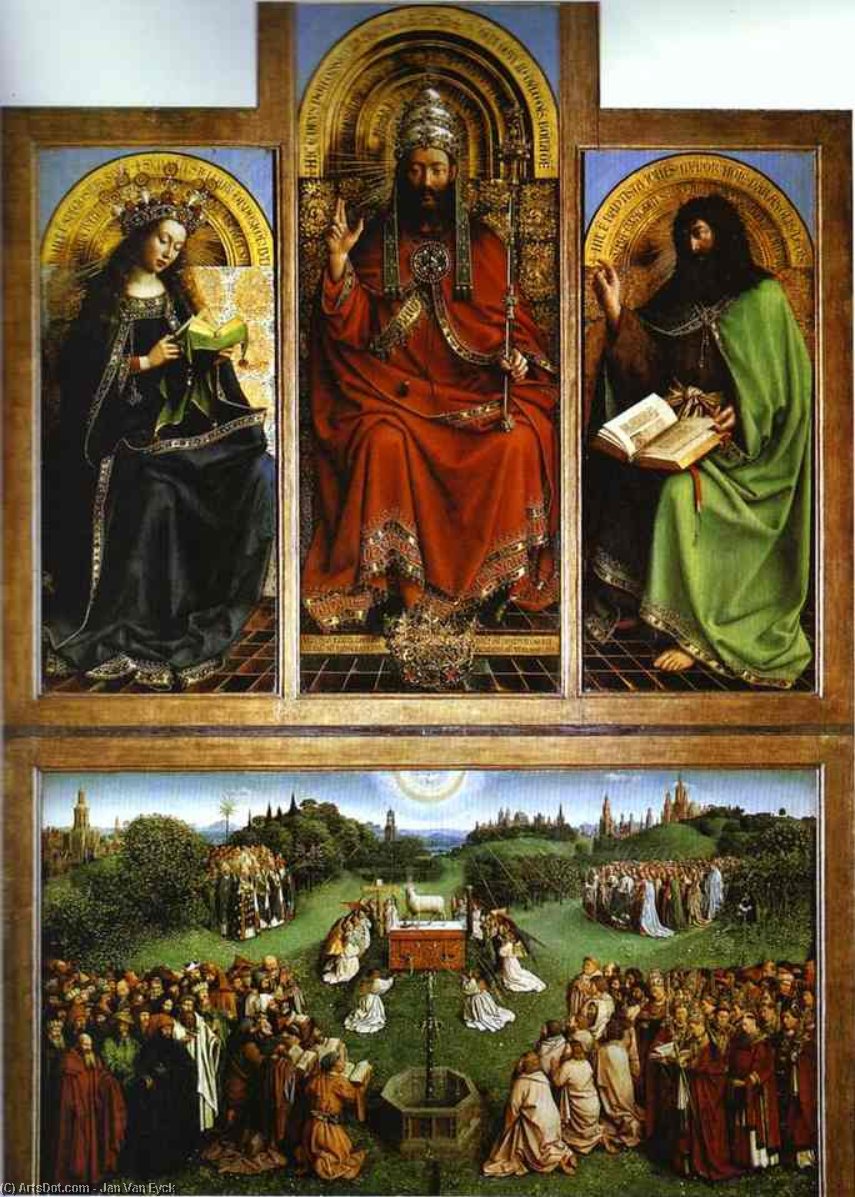
Jan van Eyck’s “God the Father,” completed in 1432, stands as an unparalleled achievement of Early Netherlandish painting and embodies the spiritual fervor that characterized the burgeoning Northern Renaissance. More than just a depiction of religious iconography, this monumental panel—measuring 212 x 83 cm—represents a pivotal moment in artistic history, marking the decisive adoption of oil paint on wood and establishing Van Eyck as a pioneer whose influence reverberates through subsequent generations of artists. Its location within St Bavo’s Cathedral in Ghent serves as a constant reminder of its enduring significance within Flemish religious culture.

Composition and Symbolism: The Trinity Embodied

The painting's composition is deliberately structured to convey profound theological concepts. At its core lies a triad—three figures representing Jesus Christ seated upon thrones, each holding a book—a visual representation of the Holy Trinity. This deliberate arrangement transcends mere artistic convention; it speaks directly to Christian doctrine, emphasizing God’s unity and divine majesty. The central figure is crowned with laurel wreaths, symbolizing his regal authority as King of Heaven, while the flanking figures lack crowns, signifying their roles as the Son and Holy Spirit—figures subordinate yet equally vital in God's plan. Surrounding these central saints are attendants – kneeling figures expressing reverence – further reinforcing the solemn atmosphere and inviting contemplation. An angel positioned prominently on the upper right corner adds to the celestial grandeur of the scene, anchoring it within a realm beyond earthly comprehension.

Technique: The Revolutionary Brilliance of Oil Paint

What distinguishes “God the Father” from its contemporaries is undeniably Van Eyck’s masterful manipulation of oil paint—a technique that had begun to gain traction in Northern Europe but was still considered experimental at the time. Unlike tempera, which relies on pigment bound with egg yolk and dries quickly, oil paint allows for gradual layering and blending, resulting in astonishing luminosity and depth. This meticulous attention to detail is evident throughout the painting: observe the subtle gradations of color, capturing the textures of drapery and skin with breathtaking accuracy. The artist’s painstaking rendering of light and shadow creates a palpable sense of realism—a characteristic hallmark of Early Netherlandish art that distinguishes it from the more stylized approaches favored in Italy during the Renaissance.

Historical Context: Shaping the Northern Renaissance Aesthetic

“God the Father” emerged against the backdrop of a transformative period for European culture – the Early Netherlandish Art Movement. This movement, fueled by humanist ideals and driven by independent artistic exploration, diverged significantly from the dominant Italian Renaissance style. Artists like Van Eyck prioritized meticulous observation and realistic representation, rejecting idealized forms in favor of capturing the nuances of human anatomy and naturalistic landscapes. The painting’s influence extended far beyond Ghent; it served as a model for subsequent artists across Europe, establishing a distinctive visual language that would define the Northern Renaissance aesthetic for decades to come.

Emotional Impact: Reverence and Spiritual Reflection

Ultimately, “God the Father” transcends mere artistic skill; it communicates profound spiritual emotion. The painting’s serene stillness invites viewers into a meditative state—a space for contemplation on faith, humility, and divine grace. Its luminous colors and intricate detail evoke a sense of wonder and reverence, transporting the observer to a realm of celestial beauty. As a testament to Van Eyck's genius and the enduring power of religious art, “God the Father” continues to inspire awe and admiration centuries after its creation—a timeless masterpiece that embodies the very essence of Renaissance spirituality.

Soru ve Cevaplar

Jan Van Eyck imzalı "God the Father" ne düzeyde bir kontrast sunuyor?

Jan Van Eyck imzalı "God the Father" eserinin kontrast seviyesi Statement'dır.

Jan Van Eyck imzalı "God the Father" aydınlık bir eser mi yoksa karanlık mı?

Jan Van Eyck imzalı "God the Father" eserinin algılanan parlaklığı shadow düzeyindedir. Bu değer, kullanılacağı mekanın ışığıyla uyumlu hale getirilebilir.

"God the Father" eserinin renkleri ne kadar belirgin?

Jan Van Eyck imzalı "God the Father", Balanced Soft doygunluk ve Balanced yoğunlukla kaydedilmiştir.

Bu tablo hakkında daha fazla bilgi

Gerçek Boyutta Önizle AR ile önizle Baskı Satışına Geç Dijital Görsele Geç Paylaş
Detayları Gör Rehber Favorilere ekle İndir Benzer ürünler X-Işını Slayt Gösterisi Soru & Cevap İstatistikler

Rakamlarla

  • 1432boyandığı yıl
  • 29seçilebilecek çerçeveler
  • kendi oranlarında, standart boyutlar
  • 5boyamak ve teslim etmek için gereken haftalar
Jan Van Eyck

Jan Van Eyck

1390 - 1441, Hollanda

Jan Van Eyck hakkında kısa bilgiler

  • Artistic Movement Or Style: Erken Netheri̇lancĭ Resim
  • Artists Or Movements Influenced By This Artist: ['Erken Netheri̇lancĭ ressamlar']
  • Date Of Birth: c. 1390
  • Date Of Death: 1441
  • Full Name: Jan van Eyck
  • Nationality: Flaman
  • Notable Artworks:
    • Ghent Altarpiece
    • Arnolfini Portresi
    • Dresden Triptych
    • Mavi Tübanlı Adam
  • Place Of Birth: Maastricht, Netherlands

Sanatçı Özgeçmişi

Jan van Eyck: Erken Netheriçeli Resminin Işığı

Jan van Eyck, adı erken dönem Flaman resminin şafağını ve yağlı boya tekniğinin devrimci kullanımını çağrıştıran bir isimdir. 1390’ların başında Maastricht'te doğan Van Eyck, sanat tarihine yaptığı muazzam etkiye rağmen gizemli bir figür olarak kalmıştır. Ailesi sanatsal geleneğin içinde büyümüş ve ağabeyi Hubert de ressamlık yapmıştır; ancak Hubert'in çalışmaları hakkında detaylar oldukça sınırlıdır. Kesin biyografik bilgiler az olmasına rağmen, Jan’ın doğuştan gelen yeteneği açıkça görülmekteydi ve kısa sürede kendi döneminin sanat çevrelerinde öne çıkmıştır. 1422 yılına gelindiğinde, Lahey'de bir atölye kurmuş, yardımçılar çalıştırmış ve becerikliliğini gösteren komisyonları tamamlamıştır. Bu erken başarısı sadece sanatsal yeteneğe dayanmamaktaydı; Van Eyck zeki ve güvenilir bir adamdı ve bu nitelikler onu güçlü patronların dikkatini çekmeye yöneltmiştir.

Burgonya Sarayı'na Hizmet: Diplomasi ve Sanatsal Yükseliş

Van Eyck’in kariyerindeki dönüm noktası, önce John III the Pitiless, ardından Philip the Good hükümdarlıkları altında Burgonya sarayına atanmasıyla gelmiştir. Bu sadece bir himaye düzenlemesi değildi; Van Eyck, onun ayrıntılara gösterdiği güveni ve zekasını kanıtlayarak diplomatik görevlerle de görevlendirilmiştir. Portugal ve İspanya da dahil olmak üzere Avrupa’daki bu geziler, onu çeşitli kültürlere ve sanatsal etkilere maruz bırakmış ve stilinin gelişimini şekillendirmiştir. Saray, sadece finansal güvenlik sağlamakla kalmamış, aynı zamanda Van Eyck'in iddialı projeleri takip edebilmesi için kaynaklara erişim imkanı sunmuş, böylece sanat olarak başarılabilen sınırları zorlamıştır. O, Burgonya elitleri *için* bir ressam olmanın ötesinde, onların dünyasının ayrılmaz bir parçası haline gelmiş ve sanatıyla itibarını yansıtarak yükseltmiştir. Bu eşsiz konum, çağının ressamlarının nadiren elde ettiği sanatsal özgürlük derecesini sağlamış, denemeler yapmasına ve sanatı kökten değiştirecek yenilikler getirmesine olanak tanımıştır.

Yağlı Boyanın Kimyası: Bir Teknik Devrimi

Van Eyck yağlı boyayı icat etmemiş olsa da – kullanımı ondan önce de mevcuttu – onu kusursuz bir şekilde mükemmelleştiren kişidir. Onun yeniliklerinden önce tempera baskındı ve sınırlı karıştırma yetenekleri ile nispeten mat bir yüzey sunuyordu. Van Eyck, saydam sırların dikkatli katmanları aracılığıyla yağlı boyanın tüm potansiyelini ortaya çıkarmış, eşi görülmemiş bir detay, parlaklık ve gerçekçilik düzeyi elde etmiştir. Bu teknik, tonlarda ince geçişlere, daha zengin renklere ve kendisini yaşamı taklit eden dokular yaratan bir şeye izin vermiştir. Etki dönüştürücüydü; yüzeyler içten parlıyormuş gibi görünüyordu, kumaşlar dokunsal bir kaliteye sahipti ve portreler sadece benzerliği değil, aynı zamanda psikolojik derinliği de yakalamıştır. Onun ustalığı sadece teknik değildi – pigmentleri yaşayan gerçekliğe benzeyen bir şeye dönüştüren kimyasal bir süreçti. Bu yenilik göz ardı edilmedi; takip eden nesiller boyunca ressamlar için temel oluşturdu ve Batı sanatının manzarasını kökten değiştirdi.

Başyapıtlar ve Kalıcı Miras

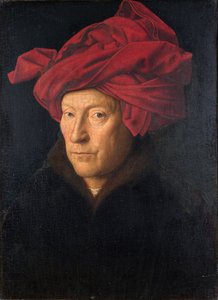
Van Eyck’in sanatsal mirası, nispeten küçük ama derin bir etki yaratan eserleriyle pekiştirilmiştir. 1432 yılında tamamladığı devasa çoklu panel resim olan Ghent Altarpiece (Gent Katedrali'ndeki Değişimin Şafağı), en iddialı girişimidir – dini sembolizm ve teknik parlaklığın karmaşık bir dokusu. Aynı şekilde ünlü olan Giovanni Arnolfini ve Karısı Portresi (1434), gerçekçiliği, ayrıntılı detayları ve gizemli sembolizmiyle portre sanatında çığır açan bir eserdir. Dresden Üçlemesi gibi diğer önemli çalışmalar, olağanüstü açıklıkla dini sahneleri tasvir etme becerisini sergilerken, çarpıcı Mavi Turbanlı Adam, bireysel karakteri yakalama yeteneğinin kanıtıdır. Bu resimler sadece görsel temsiller değildir; başka bir dünyaya açılan pencerelerdir – neredeyse takıntılı bir detaycılıkla titizlikle işlenmiş bir dünya. Van Eyck’in etkisi bu ikonik eserlerin çok ötesine uzanır, Erken Netheriçeli resminin gelişimini şekillendirir ve yüzyıllar boyunca sayısız sanatçıya ilham verir. 1441 yılında Brugge'de hayatını kaybetmiş, günümüze kadar yankılanmaya devam eden bir miras bırakmıştır; bu miras bize sanatin insan deneyimini aydınlatma gücünü hatırlatır.

Hızlı Bilgiler

  • Artistic style: Realistic; Detailed shading
  • Movement: Early Netherlandish Art
  • Artist: Jan van Eyck
  • Influences: Medieval art
  • Location: Private Collection
  • Medium: Oil on panel

Sanat Bilgisi Testi

Her soru için yalnızca bir doğru cevap bulunmaktadır.

Soru 1:
What artistic movement is Jan Van Eyck considered a pivotal figure in?
Soru 2:
The Ghent Altarpiece depicts which religious symbol?
Soru 3:
What technique did Jan Van Eyck employ that distinguished him from artists of his time?
Soru 4:
Approximately when was the Ghent Altarpiece created?
Soru 5:
The central figure in God the Father wears a crown, symbolizing what role?