
 Gerçek Boyutta Önizle
 Paylaş
 Paylaş
 Detayları Gör
 Rehber

 İndir
İndir
 Benzer ürünler
 X-Işını
 Slayt Gösterisi
 Soru & Cevap
 İstatistikler
LE MENDIANT


 Tümünü Gör
Giclée / Sanat Baskısı
Hızlı üretim ve esnek bitiş seçenekleriyle müze kalitesinde giclée veya kanvas baskı. ( El Yapımı Tablo Satın Al Dijital Görsele Geç)




P118B ₺10

P118H ₺10

P118W ₺10

P438Z ₺10

P508JH ₺12

P508YH ₺12

P805H ₺10

P805Z ₺10

P919BZ ₺10

P919G ₺10

P919XJ ₺10

P959ZH ₺10

P968JZ ₺12

W106C ₺8

W218G ₺10

W218JH ₺8

W218Y ₺10

W307PJ ₺10

W316G ₺10

W316PJ ₺8

W316Y ₺10

W398PJ ₺8

W4111J ₺10

W500HY ₺15

W500JH ₺15

W692G ₺12

W849H ₺8

W940BG ₺15

W953PJ ₺8




Eserin orijinal oranlarıyla uyumlu, önceden belirlenmiş boyutlarımız arasından seçim yapın.

Çerçevenize veya duvarınıza uygun olması için ihtiyacınız olan genişlik ve yüksekliği yazın. Bir baskı yalnızca kesilebilir, görselden daha büyük hale getirilemez; bu nedenle farklı bir formdaki boyut seçimi, görselin bir kısmının kaybına neden olur. Herhangi bir baskı yapmadan önce onaylamanız için size bir dijital taslak gönderiyoruz. Bu sayfada gösterilen resim gerçek kesimi göstermez — bunu yalnızca taslak gösterir.
Dünya Çapında Teslimat (); standart 4/5 hafta yerine 2 haftada. (10 Kasım)

Dünya Çapında Ücretsiz Ekspres Kargo

Yüksek Kaliteli Keten Kanvas

Tam Nakliye Sigortası

Gümrük Vergisi İadesi Garantisi

Gerçek Renk Uyumu Garantisi

100 Günlük İade Politikası (Sadece Kusurlu Ürünler İçin)

%100 Para İade Garantisi

Toplu Alım İndirimi
 Cam seçeneği yalnızca 110 cm altındaki boyutlar için mevcuttur.

LE MENDIANT
Giclée / Sanat Baskısı
Reproduksiyon Boyutu
-


Toplam Tutar
₺ 3998
Jan Miel’s “Le Mendiant”: A Window Into Baroque Dignity Amidst Poverty
The artwork "Le Mendiant," attributed to Jan Miel (1599 – 1663), stands as a poignant testament to the artistic spirit of the Dutch Golden Age and its engagement with broader humanist concerns. Painted circa 1630, this genre scene—a hallmark of Miel’s oeuvre during his formative years in Rome—captures a moment of quiet contemplation within a bustling tavern interior, offering viewers an arresting glimpse into both social realities and artistic sophistication.Composition and Style: Baroque Restraint Within Classical Framework
Miel's stylistic approach skillfully blends influences from Flemish masters like Anthony van Dyck with the burgeoning grandeur of Italian Baroque aesthetics. The horizontal orientation of the canvas immediately establishes a sense of stability, mirroring the formal balance characteristic of Baroque compositions. However, unlike the opulent theatricality often associated with Rome at the time, Miel employs subtle tonal gradations and muted colors—primarily grayscale—to convey an atmosphere of understated dignity. This deliberate restraint serves to heighten the emotional impact of the depicted scene: a beggar humbly requesting alms amidst a group of patrons engaged in conversation. The artist’s meticulous attention to detail—evident in the rendering of textures, particularly on the tavern table and the livestock visible in the background—underscores Miel's commitment to realism while simultaneously grounding the image within a broader artistic tradition.Detailed Examination: Technique and Materials
The painting utilizes oil paint on canvas with considerable skill. Brushstrokes are perceptible but carefully blended, creating a smooth surface that enhances the illusion of depth and luminosity despite the absence of vibrant hues. Layers of tonal variation—a technique favored by Miel—are skillfully applied to sculpt form and delineate contours, capturing the nuances of light and shadow within the tavern setting. The artist’s meticulous observation of natural forms—reflected in the depiction of the cows and sheep—demonstrates a profound understanding of classical principles of perspective and anatomical accuracy.Historical Context: Rome and Beyond – Miel's Artistic Journey
Jan Miel’s artistic development unfolded primarily in Rome during the 1630s, where he honed his craft under the patronage of Charles Emanuel II, Duke of Savoy—a connection that cemented his reputation as a court artist. This period witnessed a significant shift towards classicizing tendencies within Miel's oeuvre, mirroring the broader cultural revival occurring across Europe. The artwork’s subject matter – depicting poverty alongside social interaction – speaks to the humanist ideals prevalent during the Baroque era, reflecting an interest in portraying human experience with compassion and intellectual rigor.Symbolism: Dignity Amidst Adversity
“Le Mendiant” transcends mere visual representation; it embodies a deeper symbolic resonance. The beggar’s posture—characterized by humility and supplication—serves as a poignant reminder of the vulnerability inherent within the human condition. Simultaneously, the gathering of people around the table symbolizes communal life and social responsibility. The inclusion of livestock reinforces the artwork's connection to rural existence and underscores its engagement with themes of moral contemplation. Ultimately, Miel’s masterpiece invites viewers to consider not only the aesthetic beauty of the scene but also its profound ethical implications—a testament to the enduring power of art to illuminate both the grandeur and fragility of human experience.- Artist: Jan Miel
- Birth Year: 1599
- Death Year: 1663
- Birth City: Beveren
- Birth Country: Belgium
Additional Resources:
LE MENDIANT – Louvre site des collections 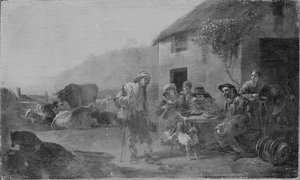
jan josef horemans the elder – Belgian painter (1682-1759) known for detailed interiors & anatomical precision.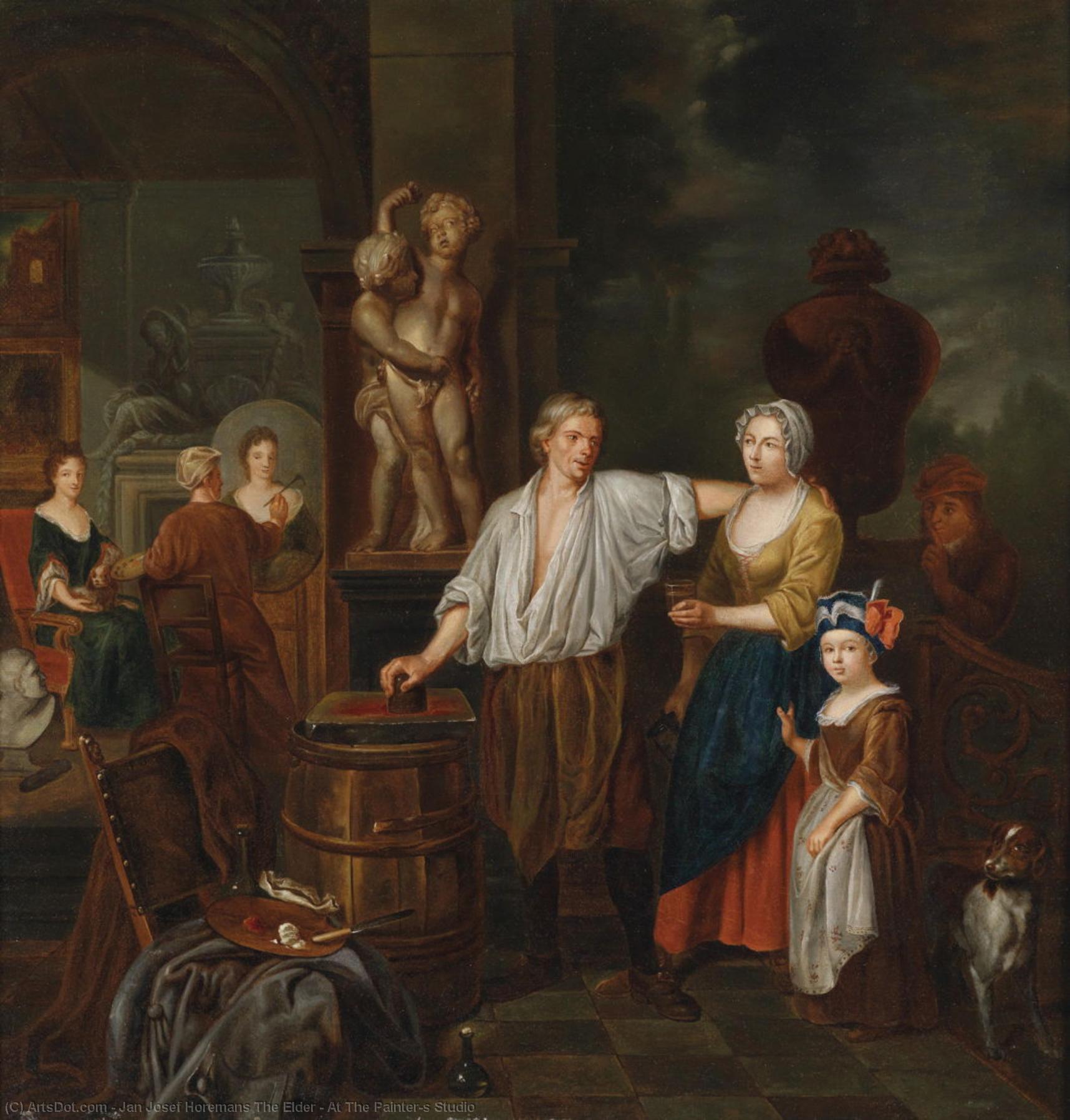
jan le ducq – Explore the captivating landscapes & animal paintings of Jan Le Ducq, a Dutch master known for his dog portraits.
Jan Miel – Cavaliere della Vita, (Anvers, 1599 - Turin, 1663) Court artist to Charles Emanuel II, Duke of Savoy.
Louvre, Paris, France – INV 1447 and MR 816 ( )
)

File:Jan Miel - The beggar.JPG – Wikimedia Commons 
Louvre Cartel – Foucart, Jacques, Catalogue des peintures flamandes et hollandaises du musée du Louvre, Gallimard / Louvre éditions, 2009, p. 182, ill. n&bCatalogue des peintures flamandes et hollandaises
Soru ve Cevaplar
"LE MENDIANT" eserinin üslubu, yaratıcısının yaşadığı dönemle nasıl bir ilişki içindedir?
Jan Miel imzalı "LE MENDIANT", yaratıcısının Erken Modern Dönem dönemine ait Dutch Golden Age Painting akımı içerisinde yer almaktadır.
"LE MENDIANT" eserinin telif hakkı durumu neden bu şekildedir?
"LE MENDIANT" eserinin telif hakkı durumu - kamu malıdır - telif hakkı süresi dolmuştur - sanatçının 1663 yılındaki ölümünden kaynaklanmaktadır.
Jan Miel imzalı "LE MENDIANT" hangi doygunluk ve yoğunluğu sergiliyor?
Jan Miel imzalı "LE MENDIANT", Muted doygunluk ve Monochromatic yoğunlukla kaydedilmiştir.
Sanatçı Özgeçmişi
Jan Miel: Holland Gerçekçiliği ile Barok Görkem Arasında Bir Köprü
Jan Miel (1599–1663), Flaman geleneği ile İtalyan yenilikçiliğinin büyüleyici buluşmasını bünyesinde barındıran, on yedinci yüzyıl sanat manzarasının en kilit figürlerinden biri olarak durmaktadır. Doğum yeri olarak Anvers veya 's-Hertogenbosch ihtimalleri sürse de Belçika'nın Beveren kentinde dünyaya gelen Miel’in erken yaşamı, biyografik detayların azlığı nedeniyle nispeten bir gizem perdesiyle örtülüdür. Ancak bilimsel araştırmalar sonucunda ortaya çıkan tablo; stilistik evrim ve Roma ile Torino'nun canlı kültürel ortamında yerini sağlamlaştıran ortak girişimlerle damgalanmış, olağanüstü bir sanatsal yolculuğu gözler önüne sermektedir.
Sanatçının yetişme yılları, Anthony van Dyck gibi önde gelen Flaman ustaların etkilerini özümlediği temel olarak Anvers'te geçmiştir. Eğitiminin kesin kapsamı tam olarak bilinmese de, bu sürecin ona titiz bir gözlem yeteneği ve rafine bir teknik kazandırdığı kuşkusuzdur; zira bu nitelikler sonraki eserlerinin çoğuna damga vuracaktır. Klasik çizim ve portre sanatındaki bu sağlam temel, nihayetinde bölgesel sınırları aşacak olan kariyeri için gerekli olan sanatsız araç setini ona sağlamıştır.
Roma Dönüşümü ve Bamboccianti Ruhu
Miel’in 1636 civarında Roma'ya varışı, sanatsal rotasında dönüştürücü bir anın habercisi olmuştur. Ebedi Şehir'de yaşayan Hollandalı ve Flaman sanatçılardan oluşan etkili bir topluluk olan Bentvueghels grubuna hızla katılmıştır. Bu kardeşlik içinde, kendine has şaşı bakışlarını yansıtan ve sanatsal kimliğiyle özdeşleşecek olan ‘bieco’ lakabını benimsemiştir. Bu aidiyet, Pieter van Laer’ın Bamboccianti stilinden derinden etkilenen daha geniş bir sanat topluluğu içinde derin bağlar kurmasını sağlamıştır.
Bu akım, Yüksek Rönesans sanatının idealize edilmiş görkeminden kaçınarak, Roma ve çevresindeki alt sınıfların günlük yaşam sahnelerini çok daha içsel ve doğrudan bir biçimde betimlemeye odaklanmıştı. Miel bu eğilimi tüm kalbiyle benimsemiş; kentsel varoluşun ruhunu olağanüstü bir gerçekçilik ve hassasiyetle yakalayan büyüleyici tür sahneleri üretmiştir. Sanatçının eserleri genellikle şu unsurları barındırıyordu:
- Gezginler, tüccarlar ve işçilerle dolu canlı sokak sahneleri.
- Roma sokaklarının tozlu ve güneşle yıkanmış atmosferini canlandırmak için ustaca kullanılmış ışık.
- Kalabalık ve kaotik ortamlar içindeki insani duyguların ince etkileşimi.
- Kumaş, taş ve toprak dokularına gösterilen titiz dikkat.
Klasisizme ve Saray Görkemine Doğru Evrim
Kariyeri ilerledikçe, Miel’in sanatsal vizyonu önemli bir metamorfoza uğradı. Tür sahnelerinin ustası kalmaya devam etse de, Bamboccianti tarzının ham gerçekçiliğinden uzaklaşarak daha klasikleşmiş tarihsel resimlere yönelmeye başladı. Bu değişim, Barok'un saf enerjisinin düzen, asalet ve klasik alegori arzusuyla giderek dengelendiği Avrupa sanatındaki daha geniş bir eğilimi yansıtıyordu.
Bu evrim onu nihayetinde prestijli görevlere, en önemlisi de Savoy Dükü II. Charles Emanuel'in saray sanatçısı olarak hizmet etmeye kadar götürdü. Torino sarayının hizmetinde Miel’in çalışmaları daha resmi ve görkemli bir karakter kazandı. Erken dönem Roma sahnelerinin samimiyeti, yerini kraliyet hamisinin gücünü ve prestijini yansıtmak için tasarlanmış, daha büyük ölçekli ve karmaşık kompozisyonlara bıraktı. Bu dönem, Flaman köklerindeki detay ustalığının, Avrupa aristokrasisinin talep ettiği görkemli ve geniş anlatılarla buluştuğu profesyonel başarısının zirvesini temsil eder.
Jan Miel'in tarihsel önemi, bu birbirinden farklı dünyalar arasında yolunu bulabilme yeteneğinde yatar. O, bir Roma sokak çocuğunun mütevazı mücadelelerinde güzelliği, antik çağın destansı hikayelerinde ise asaleti bulabilen bir sanatçıydı. Kuzeyin titiz gerçekçiliği ile Güneyin dramatik klasisizmi arasında bir köprü kurarak, Miel on yedinci yüzyıl sanat kanonunda silinmez bir iz bırakmış ve Barok döneminin gerçek bir kozmopoliti olarak mirasını güvence altına almıştır.
Jan Miel
1599 - 1663 , Belçika
Kısa Bilgiler
- Artistic Movement Or Style: Bamboccianti, Klasikleşen
- Artists Or Movements Influenced By This Artist: ['Pieter van Laer']
- Artists Who Influenced This Artist: ['Anthony van Dyck']
- Date Of Birth: 1599 Beveren Belçika
- Date Of Death: 1663
- Full Name: Jan Miel
- Nationality: Flaman
- Notable Artworks:
- İki Koç Arasındaki Savaşın Manzarası
- Köylülerin Kumar Oynadığı Roma Kireç Ocağı
- Place Of Birth: Beveren Belçika
Benzer Yazılar

Chiaroscuro and Character: A Definitive Guide to Light and Shadow in the Dutch Baroque Era
Explore the dramatic mastery of the Dutch Baroque era. Discover how masters like Rembrandt used chiaroscuro to transform everyday life into timeless art. An expert guide for collectors and enthusiasts seeking to understand the profound interplay of light and shadow.

Dutch Baroque Masters: 10 Paintings That Shaped an Era | OriginalUniqueArt
Journey through the Golden Age with our guide to the Top 10 Dutch Baroque masterpieces! Explore iconic paintings by Rembrandt, Vermeer & Frans Hals. Find museum-quality art reproductions and elevate your home decor at OriginalUniqueArt.com.

Giclée Prints: Archival Quality & Aesthetic Nuances for the Discerning Collector
Explore the world of giclée prints with OriginalUniqueArt. Learn about archival quality, aesthetic nuances & investment potential. Expert guidance for discerning art collectors seeking museum-quality reproductions and lasting value.

Golden Age Reflections: Dutch Baroque Painting & Cultural Innovation
Explore the Dutch Golden Age of painting! Discover key artists like Vermeer & ter Borch, their innovative techniques, and the rich cultural context behind these Baroque masterpieces. Learn about collecting & appreciating this iconic art period.
Genre Painting: A Window into Daily Life & Societal Values of the Dutch Golden Age
Explore the captivating world of Dutch Golden Age genre painting! Discover realistic depictions of daily life, masterful artists like Ostade & Metsu, and hidden symbolism. Learn about this influential art movement with OriginalUniqueArt.