
 Önizleme yap
 Paylaş
 Paylaş
 Detayları Gör

 İndir
İndir
 Benzerlerini gör
 X-Işını
 Slayt Gösterisi
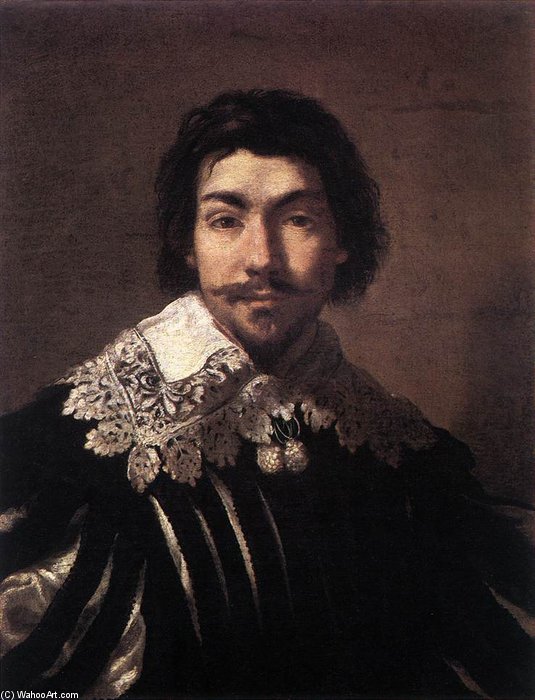
Self-portrait
 Tümünü Gör
Çevrimiçi önizlemeden çok daha üstün, yüksek çözünürlüklü ve iyileştirilmiş bir dijital görüntü satın alın.
Her dosya, uzman ekibimiz tarafından gelişmiş araçlar ve titiz manuel rötuş teknikleri kullanılarak özenle hazırlanır. Her görüntünün olağanüstü netliğe, kusursuz renk doğruluğuna ve ince ayrıntılara sahip olduğundan emin oluruz.
Son dosya; profesyonel, editoryal ve baskı süreçlerinde anında kullanıma uygun şekilde optimize edilerek 72 saat içinde e-posta yoluyla teslim edilir. Bu, seçkin tasarım stüdyoları, yayıncılar ve galerilerin güvendiği aynı kalite standartlarındadır.
Dijital Görsel
Kişisel sergileme, baskı ve yaratıcı projeleriniz için yüksek çözünürlüklü bir dosya indirin. ( Baskıya Geç El boyaması versiyona geç)
Her Dijital Görüntü Siparişinde Dahil Olanlar
Uzman Dijital Teslimat, Garantili
OriginalUniqueArt.com seçtiğinizde, sadece bir görsel edinmekle kalmaz; titizlikle hazırlanmış, profesyonelce iyileştirilmiş dijital bir sanat eserine sahip olur ve memnuniyet garantisiyle güvence altına alınırsınız. Siparişinizle birlikte otomatik olarak sunulan her şey şunlardır:

Hızlı E-posta ile Teslimat
Yüksek çözünürlüklü dijital görüntü dosyanız, siparişinizin üzerinden en geç 72 saat geçmeden e-posta ile size gönderilecektir; hemen kullanıma hazırdır.

Yapay Zeka İle İyileştirilmiş Dijital Dosya
Sanat eseriniz; maksimum detay, netlik ve renk doğruluğu sağlamak amacıyla gelişmiş yapay zeka araçları ve manuel düzenleme kullanılarak profesyonelce optimize edilmektedir.

Ömür Boyu Ücretsiz Yeniden Gönderim
Dosyanızı yanlışlıkla mı sildiniz yoksa kayıp mı oldu? Endişelenmeyin; dosyanızı dilediğiniz zaman size ücretsiz olarak tekrar göndereceğiz.

Hiçbir Zaman İthalat Ücreti Ödemeyin
Sanat eserinizin tadını gümrük vergisi, harç veya teslimat ücreti ödemeden anında çıkarın; dijital indirmeler her zaman vergiden muaftır.

Renk Doğruluğu Garantisi
Profesyonel araçlar ve renk yönetimi kullanarak dijital görselinizin orijinal renklere mümkün olduğunca yakın yansıtılmasını sağlıyoruz.

60 Günlük Memnuniyet Garantisi
If you're not satisfied with your digital image, we'll revise it or refund 100% within 60 days - no questions asked.

100% Para İadesi Garantisi
Memnun kalmadınız mı? Dijital dosyanızı aldıktan sonraki 60 gün içinde, hiçbir soru sorulmaksızın tam iade alın.

Toplu Sipariş İndirimleri
Buy 3 images, save 10% - Buy 5, save 15% - Buy 10+, save 20%. Great for creative projects, galleries, and agencies.
Sanatçı Özgeçmişi
Jacques de Létin (1597 - 1661): A Forgotten Master of Baroque Portraiture
Jacques de Létin, or Jacques Ninet de Lestin, or Jacques de L'Estin (1597, Troyes – October, 1661, Troyes) remains a curiously elusive figure in the annals of French art history. Despite producing a substantial body of work—primarily religious paintings and portraits—he faded into obscurity after his lifetime, largely due to the destructive forces unleashed by the French Revolution and subsequent conflicts. However, recent scholarship has begun to illuminate his life and artistic contributions, revealing him as a significant practitioner of Baroque painting and a student of Carvaggio’s dramatic style.- Early Life & Training: Born into a modest family in Troyes, Jacques de Létin received an education that encompassed both goldsmithing and painting. His father, Jehan, operated a hotel—L'Image de Saint-Christophe—providing him with early exposure to the artistic milieu of his hometown. Crucially, he apprenticed under Edme Doué (?-1626), a fellow artist who had married Simonne, his sister, in 1613. Doué’s influence instilled in Létin a fascination for Carvaggio’s expressive technique and theatrical compositions—a stylistic hallmark that would permeate much of his oeuvre.
- Rome & Artistic Influences: By 1622, Létin embarked on a transformative journey to Rome, where he resided alongside Charles Mellin and Jacques Sarrazin. This period proved pivotal in shaping his artistic sensibilities; he actively engaged with the vibrant Roman art scene and cultivated friendships with prominent artists like Simon Vouet—a connection that would solidify Vouet’s reputation as Létin's mentor.
- Return to Troyes & Patronage: Returning to Troyes in 1626, Létin established a studio and married shortly thereafter. His workshop flourished under the patronage of influential figures, producing numerous portraits and religious paintings that showcased his mastery of technique and stylistic innovation. Notably, he undertook the monumental commission for Notre-Dame de Paris—creating Saint Paul Preaching on the Areopagus—a work tragically destroyed during the Franco-Prussian War.
- Mature Style & Legacy: After 1645, Létin settled permanently in Troyes and pursued a quieter artistic life, focusing primarily on landscape painting and decorative commissions. Despite this relative inactivity, his paintings continue to resonate with scholars today, who recognize the enduring influence of Carvaggio’s dramatic chiaroscuro—the interplay of light and shadow—and Vouet's refined elegance. Recent research has attributed several previously unattributed works to Létin, bolstering his reputation as a skilled artist and furthering our understanding of Baroque painting in France.
- Rediscovery & Recognition: The Musée des Beaux-Arts de Troyes played a crucial role in reviving interest in Jacques de Létin’s work. In 2011, the museum acquired personifications of Grammar and Geometry—previously thought to be unattributed—demonstrating the growing appreciation for his artistic achievements. Furthermore, Albert Babeau's meticulous investigation into Létin’s life revealed a previously unknown typographical error—Ninet de Lestin—correcting a longstanding misattribution that had obscured his legacy. Today, Jacques de Létin is remembered as a talented artist whose work deserves renewed attention and scholarly study.
Maurice Quentin de La Tour: Light, Shadow & the Rococo Portrait
Maurice Quentin de La Tour (1694 – 1770) was a French painter who emerged during the Rococo period, marking a significant shift from the dramatic Baroque style that dominated earlier decades. His distinctive approach to portraiture—characterized by soft pastel hues and an emphasis on psychological nuance—established him as one of the foremost artists of his time. Quentin de La Tour’s artistic vision was profoundly influenced by Caravaggio's revolutionary use of chiaroscuro, which he skillfully adapted to create luminous canvases that captured the essence of human emotion and aristocratic grandeur. His paintings exemplify the Rococo aesthetic's preoccupation with beauty, delicacy, and sensual pleasure—a stylistic hallmark that cemented his place in art history.- Early Influences & Training: Quentin de La Tour’s artistic education began under Nicolas Frémiet, a renowned sculptor who instilled in him a meticulous attention to detail and an appreciation for classical ideals.
- Rome & Artistic Development: Like Jacques de Létin before him, Quentin de La Tour traveled to Rome—a pilgrimage undertaken by many aspiring artists of the era—where he honed his skills and absorbed the stylistic innovations of Caravaggio and Gian Lorenzo Bernini.
- Notable Works & Patronage: Quentin de La Tour achieved considerable fame during his lifetime thanks to commissions from prominent aristocratic families—including Louis XV—who recognized his talent for portraying subjects with sensitivity and elegance. His paintings adorn numerous palaces and museums throughout France, showcasing the enduring appeal of his artistic vision.
- Legacy & Artistic Significance: Quentin de La Tour’s influence extended beyond his own generation, shaping the aesthetic sensibilities of subsequent artists and contributing to the development of French Rococo painting. His masterful technique—particularly his innovative use of pastel—continues to inspire admiration among art historians and collectors alike.
jacques de l'estin
1597 - 1661 , France
Kısa Bilgiler
- Artistic Movement Or Style: Baroque
- Artists Or Movements Influenced By This Artist: ['Simon Vouet']
- Artists Who Influenced This Artist: ['Caravaggio']
- Date Of Birth: 1597, Troyes
- Date Of Death: October, 1661, Troyes
- Full Name: Jacques de Létin
- Nationality: French
- Notable Artworks: ['Saint Paul Preaching on the Areopagus']
- Place Of Birth: Troyes, France

