

 Önizleme yap
 Paylaş
 Paylaş
 Detayları Gör

 İndir
İndir
 Benzerlerini gör
 X-Işını
 Slayt Gösterisi
Flagellation
 Acrylic On Canvas
- WallArt
- Early Renaissance Italian
 1450
1450 426.0 x 286.0 cm
 Louvre Müzesi
 Tümünü Gör
Giclée / Sanat Baskısı
Hızlı üretim ve esnek bitiş seçenekleriyle müze kalitesinde giclée veya kanvas baskı. ( El yapımı tablo satın al Görsel satın al)




P118B $10

P118H $10

P118W $10

P438Z $10

P508JH $12

P508YH $12

P805H $10

P805Z $10

P919BZ $10

P919G $10

P919XJ $10

P959ZH $10

P968JZ $12

W106C $8

W218G $10

W218JH $8

W218Y $10

W307PJ $10

W316G $10

W316PJ $8

W316Y $10

W398PJ $8

W4111J $10

W500HY $15

W500JH $15

W692G $12

W849H $8

W940BG $15

W953PJ $8




Eserin orijinal oranlarıyla uyumlu, önceden belirlenmiş boyutlarımız arasından seçim yapın.

Belirli bir çerçeveye veya alana uyması için kendi ölçülerinizi girebilirsiniz. Seçtiğiniz boyut orijinal görüntünün oranlarıyla eşleşmiyorsa, sanat eserini kırpacağız veya görüntüyü aynalanmış ya da düz dolgulu bir kenarlıkla genişleteceğiz. Üretim başlamadan önce onayınız için bir dijital taslak gönderilecektir.
Lütfen ekrandaki önizlemenin gerçek kırpma veya genişletmeyi yansıtmadığını unutmayın. Nihai kompozisyonu yalnızca taslak doğru bir şekilde gösterecektir.
Özel boyutlar mevcut olsa da, orijinal oranları korumak için önceden tanımlanmış listeden bir boyut seçmenizi öneririz.
Dünya Çapında Teslimat (); standart 4/5 hafta yerine 2 haftada. (14 Ağustos)

Dünya Çapında Ücretsiz Ekspres Kargo

Yüksek Kaliteli Keten Tuval

Tam Kapsamlı Nakliye Sigortası

Gümrük Vergisi İade Garantisi

Gerçek Renk Uyumu Garantisi

60 Günlük İade Politikası (Sadece Kusurlu Ürünler İçin)

%100 Para İade Garantisi

Toplu Alım İndirimi
 Cam seçeneği yalnızca 110 cm altındaki boyutlar için mevcuttur.

Flagellation
Giclée / Sanat Baskısı
Reproduksiyon Boyutu
-


Toplam Tutar
$ 80
Eser Açıklaması
A Study in Divine Order: Jacopo Bellini’s Flagellation
Jacopo Bellini's "Flagellation," painted circa 1450, isn’t merely a depiction of a biblical scene; it’s a profound meditation on human suffering, civic duty, and the nascent principles of Renaissance perspective. This remarkable drawing, now residing within the British Museum’s collection, offers a tantalizing glimpse into the mind of one of Venice's most influential artists – a man who was quietly revolutionizing how images were conceived and rendered in his time. Far removed from the grand, opulent frescoes that dominated Venetian art, Bellini’s preparatory sketch possesses an intimate quality, inviting us to witness the genesis of a masterpiece and contemplate the artist’s meticulous process.
The scene itself is both dramatic and restrained. A vast architectural complex dominates the composition – a towering structure of arches, balconies, and intricate detailing that speaks to the power and order of the Venetian Republic. Within this meticulously constructed space, figures are engaged in a brutal act: the scourging of Christ. The arrangement isn’t chaotic; rather, it adheres to a strict geometric logic, reflecting Bellini's deep understanding and application of linear perspective. The receding lines of the building create an illusion of depth, drawing the viewer into the scene while simultaneously emphasizing the figures’ vulnerability within this imposing framework. This careful orchestration of space is a hallmark of Renaissance art, signaling a shift away from the flattened perspectives of earlier periods.
Early Renaissance Innovation and Venetian Sensibility
Bellini's work stands as a crucial bridge between the Gothic traditions of his predecessors and the groundbreaking innovations of the High Renaissance. He inherited the rich color palettes and decorative tendencies of Venetian painting, but he also embraced the emerging principles of linear perspective championed by artists like Brunelleschi and Masaccio. Unlike many of his contemporaries who focused on grand narratives or religious iconography, Bellini’s preparatory sketches reveal a fascination with architectural studies – a testament to his belief that understanding form and structure was essential for creating compelling images. The drawing's focus isn’t on the emotional impact of Christ’s suffering, but rather on the precise rendering of the building itself, suggesting an underlying concern with civic order and the representation of power.
The monochrome palette – a carefully calibrated range of grays – contributes significantly to the artwork’s solemn mood. Bellini masterfully employs hatching and cross-hatching techniques to create subtle variations in tone and texture, lending a remarkable sense of volume and depth to the architectural elements. The delicate lines delineate every archway, column, and window frame with painstaking detail, demonstrating Bellini's exceptional draftsmanship. This meticulous approach reflects not only his artistic skill but also his deep respect for the subject matter – a reverence that is palpable in every stroke of the pen.
Symbolism and Historical Context
While the immediate narrative of "Flagellation" is rooted in the Passion of Christ, it’s important to consider the broader historical context within which Bellini was working. Venice during the mid-15th century was a thriving center of commerce, art, and political intrigue. The city's wealth and power were reflected in its magnificent architecture, and its citizens took great pride in their civic identity. Bellini’s drawing can be interpreted as an allegory for this civic ethos – a visual representation of the Republic’s strength, order, and commitment to justice. The act of scourging, though undeniably painful, is presented within a framework of architectural grandeur, suggesting that suffering is an inevitable part of the human experience but one that must be endured with dignity and fortitude.
Furthermore, the drawing's scale – measuring 426 x 286 cm – suggests its intended role as a preparatory study for a larger work, possibly a monumental fresco or tapestry. The level of detail evident in this sketch indicates Bellini’s meticulous planning and his commitment to achieving a truly immersive visual experience. It is a testament to the artist's vision that he could translate such complex ideas into a single drawing, demonstrating both technical mastery and artistic insight.
A Legacy of Precision and Vision
Jacopo Bellini’s “Flagellation” stands as a pivotal work in the development of Renaissance art. It exemplifies his innovative approach to perspective, his meticulous draftsmanship, and his deep understanding of Venetian culture. More than just a depiction of a biblical scene, it is a profound meditation on human suffering, civic duty, and the enduring power of artistic vision. Reproductions of this drawing offer a unique opportunity to appreciate Bellini’s genius and to connect with one of the most influential artists of the Renaissance.
Sanatçı Özgeçmişi
Rönesans Perspektifinin Venedik Öncüsü
Jacopo Bellini, Venedik ve Kuzey İtalya'da filizlenen Rönesans resim üslubunun en kilit figürlerinden biri olarak tarihteki yerini alır. O, yalnızca bir ressam değil; doğayı titizlikle gözlemleyerek ve daha önce Venedik sanatında büyük ölçüde eksik olan lineer perspektif tekniğini ustalıkla eserlerine dahil ederek sanatsayı duyarlılıkları şekillendiren temel yenilikçilerden biriydi. Bellini'nin orijinal tuvallerinden günümüze çok azı ulaşabilmiş olsa da, onun asıl mirası başta British Museum ve Louvre Müzesi'nde bulunan o eşsiz eskiz defterlerinde yaşamaktadır. Bu çizimler, uçsuz bucaksız manzara manzaralarına ve karmaşık mimari tasarımlara duyulan derin bir tutkuyu gözler önüne sererken, sonraki yüzyılların üslup devrimlerinin habercisi niteliğindeki sanatsal sürece dair paha biçilemez ipuçları sunmaktadır.
Yaklaşık 1396 yılında Venedik'te doğan Jacopo'nun yetişme yılları, geç Gotik dönemin zengin ve dekoratif gelenekleriyle yoğrulmuştu. Erken dönem eğitimi, onun dönemin en iddialı ve süslü fresklerini üreten ünlü Gentile da Fabriano'nun bir öğrencisi olduğunu göstermektedir. Bu prestijli bağın, Bellini'nin ruhuna karmaşık detaylara, renk uyumuna ve belirli bir dekoratif derinliğe duyulan ömür boyu sürecek bir hayranlık aşıladığı kuşkusuzdur. Sanatçının kariyerinin ilk yıllarında, 1411 ile 1412 yılları arasında Foligno'da aktif olduğu ve Palazzo Trinci'nin anıtsal fresklerinde uluslararası Gotik üslubu tanımlayan ustalarla birlikte çalıştığı bilinmektedir.
Rönesans'ın Kalbine Bir Yolculuk
Bellini için dönüm noktası, 1423 civarında Floransa'ya yaptığı yolculukla geldi. Bu seyahat onu; Brunelleschi, Donatello ve Masaccio gibi dehaların öncülük ettiği yoğun bir sanatsal deneyim döneminin tam merkezine yerleştirdi. Floransa'da, gelişmekte olan lineer perspektif bilimiyle tanıştı; bu keşif, onun uzay ve derinlik algısını kökten değiştirecekti. Venedik köklerinden gelen lirik ve dekoratif zarafeti, Floransalı yenilikçilerin yapısal disiplini ve mekânsal netliğiyle harmanlayan Bellini, eşsiz bir görsel dil inşa etmeye başladı. Bu sentez, onun Orta Çağ'ın düz ve sembolik düzlemlerinden sıyrılıp, dünyaya daha sürükleyici, adeta bir pencereden bakıyormuş hissi veren bir anlatımla yaklaşmasını sağladı.
Kariyeri ilerledikçe Bellini, nesiller boyu Venedik sanatına hükmedecek bir aile hanedanlığının kurucu figürü haline geldi. Onun etkisi sadece kişisel değil, aynı zamanda öğreticiydi; zira yeniliklerini oğulları Gentile ve Giovanni'ye aktardı. Işık, manzara ve perspektif üzerine yaptığı deneylerin tohumları, onun aracılığıyla Bellini ismiyle özdeşleşen Yüksek Rönesans ihtişamına dönüştü. Sanatçının eserleri, geçmişin süslemeci gelenekleri ile geleceğin hümanist realizmi arasında bir köprü görevi görerek, İtalyan sanatının evriminde vazgeçilmez bir halka olmuştur.
Miras ve Tarihi Önem
Jacopo Bellini'nin tarihi önemi, bir değişim katalizörü olarak üstlendiği rolde yatar. Eserlerinin büyük bir kısmı mürekkep ve kalem gibi daha mahrem bir ortamda saklı kalmış olsa da, bu eskizler Venedik Rönesansı için bir yol haritası niteliğindedü. Karmaşık, çok katmanlı manzaralar ve matematiksel olarak tutarlı mimariler hayal etme yeteneği, haleflerine Venedik lagününün atmosferik güzelliğini keşfetmeleri için gerekli temeli sağlamıştır. Bellini'yi incelemek, sanatçının gözünün derinlik illüzyonuna gerçek anlamda hükmetmeye başladığı o anı tanıklık etmek ve insanlığın boyalı dünyayı algılayış biçiminin sonsuza dek değişmesine şahit olmaktır.
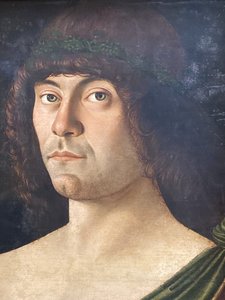
Jacopo Bellini
1396 - 1470 , İtalya
Kısa Bilgiler
- Artistic Movement Or Style: Rönesans
- Artists Or Movements Influenced By This Artist: ['Masaccio']
- Artists Who Influenced This Artist: ['Gentile da Fabriano']
- Date Of Birth: Venedik, İtalya (1396)
- Date Of Death: m. 1470
- Full Name: Jacopo Bellini
- Nationality: İtalyan
- Notable Artworks:
- Verona Katedrali'ndeki Çarmıha Gerilme
- Madonna ve Çocuk
- Place Of Birth: Venedik
İlgili Makaleler

The Enduring Legacy of Architecture in Art: A Historical Survey of Representation & Meaning
Explore the rich history of architecture in art, from Renaissance theory to 19th-century reconstructions. Discover key artists & movements shaping visual representation – a guide for discerning collectors.
The Enduring Legacy of Architecture in Art: A Historical Survey of Representation & Aesthetic Influence
Explore the rich history of architecture's influence on art! Discover Renaissance perspective techniques, symbolism, & iconic masterpieces. Enhance your understanding with our expert analysis.
Piero della Francesca: Renaissance Perspective, Divine Proportion & the Pursuit of Ideal Form
Explore the revolutionary art of Piero della Francesca – master of perspective, divine proportion & Renaissance humanism. Discover his iconic paintings & lasting influence on art history.

The Flourishing of Humanism: A Comprehensive Exploration of the Italian Renaissance Art Movement
Explore the Italian Renaissance! Discover humanist ideals, iconic masterpieces by Leonardo, Michelangelo & Raphael, and lasting artistic innovations. A comprehensive guide for art enthusiasts.
Acrylic Canvas Masters: 10 Paintings That Redefined Modern Art |
Explore 10 legendary 'Acrylic On Canvas' masterpieces by artists like Rothko, Warhol & Frankenthaler. Discover the stories behind these iconic paintings and their impact on modern art. Find museum-quality reproductions at – elevate your home with timeless beauty.

