
 Gerçek Boyutta Önizle
 Paylaş
 Paylaş
 Detayları Gör
 Rehber

 İndir
İndir
 Benzer ürünler
 X-Işını
 Slayt Gösterisi
 Soru & Cevap
 İstatistikler
Pan playing the flute


 Tümünü Gör
Giclée / Sanat Baskısı
Hızlı üretim ve esnek bitiş seçenekleriyle müze kalitesinde giclée veya kanvas baskı. ( El Yapımı Tablo Satın Al Dijital Görsele Geç)




P118B ₺10

P118H ₺10

P118W ₺10

P438Z ₺10

P508JH ₺12

P508YH ₺12

P805H ₺10

P805Z ₺10

P919BZ ₺10

P919G ₺10

P919XJ ₺10

P959ZH ₺10

P968JZ ₺12

W106C ₺8

W218G ₺10

W218JH ₺8

W218Y ₺10

W307PJ ₺10

W316G ₺10

W316PJ ₺8

W316Y ₺10

W398PJ ₺8

W4111J ₺10

W500HY ₺15

W500JH ₺15

W692G ₺12

W849H ₺8

W940BG ₺15

W953PJ ₺8




Eserin orijinal oranlarıyla uyumlu, önceden belirlenmiş boyutlarımız arasından seçim yapın.

Çerçevenize veya duvarınıza uygun olması için ihtiyacınız olan genişlik ve yüksekliği yazın. Bir baskı yalnızca kesilebilir, görselden daha büyük hale getirilemez; bu nedenle farklı bir formdaki boyut seçimi, görselin bir kısmının kaybına neden olur. Herhangi bir baskı yapmadan önce onaylamanız için size bir dijital taslak gönderiyoruz. Bu sayfada gösterilen resim gerçek kesimi göstermez — bunu yalnızca taslak gösterir.
Dünya Çapında Teslimat (); standart 4/5 hafta yerine 2 haftada. (9 Kasım)

Dünya Çapında Ücretsiz Ekspres Kargo

Yüksek Kaliteli Keten Kanvas

Tam Nakliye Sigortası

Gümrük Vergisi İadesi Garantisi

Gerçek Renk Uyumu Garantisi

100 Günlük İade Politikası (Sadece Kusurlu Ürünler İçin)

%100 Para İade Garantisi

Toplu Alım İndirimi
 Cam seçeneği yalnızca 110 cm altındaki boyutlar için mevcuttur.

Pan playing the flute
Giclée / Sanat Baskısı
Reproduksiyon Boyutu
-


Toplam Tutar
₺ 3996
A Celebration of Rustic Joy: Jacob Jordaens’ “Pan Playing the Flute”
Jacob Jordaens' "Pan Playing the Flute," painted in 1678, is more than just a depiction of a man playing an instrument; it’s a vibrant snapshot of Flemish life during the late Baroque period. This captivating work, brimming with earthy realism and a palpable sense of merriment, offers a rare glimpse into the world as seen through the eyes of one of Flanders' most significant artists. Jordaens, deeply rooted in his Antwerp surroundings, eschewed the fashionable Italianate trends of his time, instead choosing to celebrate the simple pleasures and unvarnished truths of everyday existence – a decision that cemented his reputation as “The Painter of Peasant Revelry.” The painting’s immediate appeal lies in its subject: a naked Pan, the Greek god of the wild, lost in the joyous act of playing his flute. This figure, rendered with remarkable detail and a touch of mischievous humor, immediately draws the viewer into a scene of uninhibited delight.
A Masterclass in Baroque Realism
Jordaens’ technical skill is immediately apparent in the meticulous rendering of textures – the rough linen of Pan's loincloth, the smooth curve of his flute, and the subtle variations in skin tone. His brushwork is loose yet controlled, creating a sense of movement and spontaneity that contributes significantly to the painting’s lively atmosphere. The artist employs a technique known as *alla prima*, or ‘at first sight,’ which means he applied paint directly to the canvas with minimal layering, resulting in a rich, vibrant surface. This approach, favored by Rubens himself – Jordaens' former master – is evident in the luminous quality of the light and the dynamic interplay of shadows. The composition itself is carefully constructed, utilizing diagonal lines to guide the eye across the scene and creating a sense of depth and perspective that was highly valued during the Baroque period.
Symbolism and Context: A Flemish Feast
“Pan Playing the Flute” isn’t simply a portrait; it's imbued with symbolic meaning rooted in classical mythology and Flemish social customs. Pan, representing nature and rustic joy, embodies a rejection of courtly refinement in favor of a more primal connection to the earth. The presence of two additional figures – one on the left and another on the right – adds layers of complexity. These individuals, likely friends or companions, further amplify the sense of communal revelry. The painting’s creation in 1678, at the very end of Jordaens' life, is particularly poignant. It reflects a desire to capture a fleeting moment of happiness and connection before his own passing, aligning with the Baroque fascination with mortality and the transience of earthly pleasures. The work speaks to the values of the Antwerp art world – a celebration of human experience in all its forms.
Emotional Impact and Artistic Legacy
The enduring appeal of “Pan Playing the Flute” lies not only in Jordaens’ masterful technique but also in its ability to evoke a powerful emotional response. The painting's inherent joy, combined with the figure of Pan’s carefree expression, invites viewers to share in his moment of blissful abandon. Jordaens’ work has had a lasting impact on art history, influencing generations of artists who sought to capture the essence of human experience with honesty and passion. Today, this reproduction offers an opportunity to own a piece of this artistic legacy – a testament to Jordaens' genius and a celebration of the simple joys of life.
Soru ve Cevaplar
"Pan playing the flute" eserinin Portrait formatı sergilemek için nerede önerilir?
Portrait formundaki "Pan playing the flute" reprodüksiyonunun bir Living Room için uygun olduğu önerilmektedir.
Jacob Jordaens imzalı "Pan playing the flute" ziyaretçileri hangi bölgelerden geliyor?
Jacob Jordaens imzalı "Pan playing the flute" eserinin İstatistikler sayfası; eserin aylık ziyaret sayılarını, sanatçının en çok görüntülenen eserleriyle olan karşılaştırmasını ve ziyaretçilerin hangi bölgelerden geldiğini içeren halka açık ziyaret istatistiklerini sunar.
"Pan playing the flute" hangi malzemeden yapılmıştır ve hangi stildedir?
"Pan playing the flute" adlı eserde, Oil tekniği Baroque akımıyla buluşuyor.
Sanatçı Özgeçmişi
Flemishanın Yaşam Dolu Ustası: Jacob Jordaens
1593 yılında Antwerp’te varlıklı bir aileye doğan Jacob Jordaens, Flaman Barok sanatının en önemli ve canlı seslerinden biri olarak ortaya çıkmıştır. Çağdaşlarının çoğunun eğitim için İtalya'yı tercih etmesinin aksine, Jordaens köklerini Flanders’ta tutmuş, günlük yaşamın zevklerini ve gerçekliklerini kutlayan eşsiz bir şekilde sağlam ve dünyevi bir üslup geliştirmiştir. Başarılı bir keten tüccarı olan babası, ona sanatsal yolculuğuna başlamadan önce sosyal statüsüne yakışır bir eğitim sağlayarak rahat bir yetiştirme ortamı sunmuştur. Adam van Noort – aynı zamanda Peter Paul Rubens’in de ustası – altında aldığı biçimsel eğitim, Jordaens'e titiz bir teknik temeli ve kompozisyon anlayışı kazımıştır; ancak o hızla kendi özgün yolunu çizmeye başlamıştır. 1616 yılında, Antwerp sanat dünyasına olan bağını güçlendirerek Van Noort’un kızı Katharina ile evlenmiştir.Köylü Şenliklerinin ve Barok Görkeminin Ressamı
Jordaens'in sanatsal üretimi dikkat çekici bir çeşitlilik göstermiştir; dini anlatılar, mitolojik sahneler, alegorik kompozisyonlar, hayat dolu tür resimleri ve hatta portreler içermektedir. Ancak, belki de en çok köylü festivallerini ve taverna sahnelerini tasvir eden coşkulu eserleriyle hatırlanır – eserleri somut bir enerji yayar ve dünyevi zevklere sınırsız bir sevinç katar. *Kral İçiyor* (Fasulye Kralı Şöleni olarak da bilinir) gibi tablolar, bu karakteristik üslubu örneklendirir: canlı eğlenceyle meşgul, sağlam figürlerle dolu kalabalık kompozisyonlar, sıcak parlayan renkler ve dramatik chiaroscuro ile işlenmiştir. Bu sahneler sadece neşe kutlamaları değildi; genellikle 17. yüzyıl toplumunda yaygın olan ölçülülük ve aşırılık arasındaki karmaşık ilişkiyi yansıtan ince ahlaki alt metinlerle doluydu. Bununla birlikte, Jordaens daha büyük, daha resmi görevleri yerine getirme konusunda da eşit derecede yetenekliydi. Lahey yakınlarındaki Huis ten Bosch sarayını dekore etme konusundaki katılımı – Rubens ile yaptığı işbirlikleriyle birlikte – resim ve mimariyi kusursuz bir şekilde entegre eden anıtsal alegorik eserler yaratma becerisini göstermiştir.Etkiler ve Özgün Sanatsal Ses
Jordaens İtalya'ya hiç seyahat etmemiş olsa da, Jacopo Bassano, Paolo Veronese ve Caravaggio gibi İtalyan ustalarından derinden etkilenmiştir – eserleri diğer sanatçılar tarafından getirilmiş gravürler ve tablolar aracılığıyla Flanders’a ulaşmıştır. Caravaggio'nun etkisi özellikle ışığın dramatik kullanımı olan tenebrism tekniğinde belirgindir; bu teknik, sahnelerinin duygusal yoğunluğunu artırır. Ancak Jordaens bu etkileri taklit etmekle yetinmedi; onları kendi Flaman duyarlılıklarıyla sentezleyerek benzersiz bir üslup yaratmıştır. Rubens ve Van Dyck'ten idealizm yerine gerçekçiliği tercih ederek insan formunu daha doğrudan ve rafine olmayan bir şekilde tasvir etmiştir. Figürleri genellikle sağlam, hatta obezdir, yüzleri sağlıkla ve canlılıkla doludur. Doğalcılığa olan bu bağlılık, renk ve kompozisyondaki ustalık becerisiyle birleştiğinde onu çağdaşlarından ayırmış ve Flaman Barok resminde önde gelen bir figür olarak yerini sağlamlaştırmıştır.Mirası ve Kalıcı Etkisi
Uzun ve üretken kariyeri boyunca Jordaens, on beşinin St. Luke Loncası tarafından 1621 ile 1667 yılları arasında resmen kaydedildiği çok sayıda öğrenci yetiştirmiştir – bu da sanatsal mirasının devamlılığını sağlamıştır. Etkisi, canlı tür sahnelerini tasvir etme eğilimini paylaşan Jan Steen gibi sonraki sanatçıların eserlerinde görülebilir. Doğrudan diğer ressamlar üzerindeki etkisinin ötesinde, Jordaens’in klasik temelli köylü temaları sanat dünyasında kalıcı bir etki yaratmış, geleneksel hiyerarşileri sorgulamış ve günlük yaşamın onurunu kutlamıştır. Günümüzde bile tabloları enerjisi, canlılığı ve insan deneyiminin dürüst portresiyle izleyicileri büyülemeye devam etmektedir. Gerçekçiliği alegoriyle, şehveti ahlakla ve ihtişamı samimiyetle harmanlama becerisi onu Barok döneminin en etkileyici ve kalıcı figürlerinden biri yapmaktadır. Jordaens’in şaheserlerini daha fazla keşfedebilir ve çevrimiçi olarak bulunan ayrıntılı eser veritabanları ve hayatı ve sanatının içgörülü analizleri aracılığıyla Barok dönemin zengin sanatsal manzarasını keşfedebilirsiniz.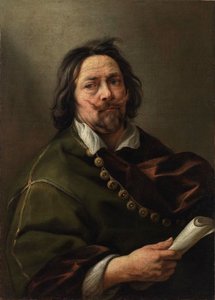
Jacob Jordaens
1593 - 1678 , Belçika
Kısa Bilgiler
- Doğum Tarihi: 19 Mayıs 1593
- Doğum Yeri: Antwerp, Belçika
- Etkilediği Sanatçılar: ['Jan Steen']
- Kendisini Etkileyenler:
- Jacopo Bassano
- Paolo Veronese
- Caravaggio
- Sanatsal Akım: Barok
- Tam Adı: Jacob Jordaens
- Uyruğu: Flaman
- Ölüm Tarihi: 1678
- Önemli Eserleri:
- Çobanların Tapınması
- Argus ve Merkür
Benzer Yazılar

The Enduring Legacy of Fine Art Prints: Technique, History & Aesthetic Impact
Explore the rich history & techniques of fine art prints. Discover investment potential, assess authenticity, and learn how to preserve your collection with expert guidance. Trusted insights for discerning collectors.

Giclée Prints: Archival Quality & Aesthetic Nuances for the Discerning Collector
Explore the world of giclée prints with OriginalUniqueArt. Learn about archival quality, aesthetic nuances & investment potential. Expert guidance for discerning art collectors seeking museum-quality reproductions and lasting value.

Mastering Drama and Light: A Definitive Guide to the Flemish Baroque Art Movement
Explore the dramatic brilliance of the Flemish Baroque movement. Discover how masters like Peter Paul Rubens utilized chiaroscuro and dynamic composition to redefine art history through light, shadow, and unparalleled emotion.
Playful Masterpieces: Top 10 Artworks for a Joyful Home | OriginalUniqueArt
Find joy & inspiration! Explore 10 playful masterpieces by Monet, Matisse & more. Discover art history, vibrant colors & uplifting stories behind these iconic paintings. Museum-quality reproductions at OriginalUniqueArt.com – explore the full collection online!
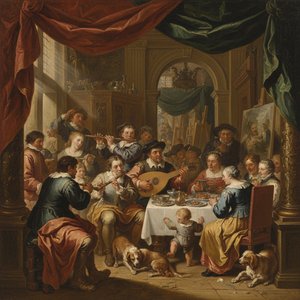
Jacob Jordaens: Baroque Dynamism & Genre Innovation of the Antwerp School
Discover Jacob Jordaens, a leading Flemish Baroque painter renowned for his dynamic compositions & realistic genre scenes. Explore his life, art, and lasting influence with OriginalUniqueArt.


