

 Önizle
 Gönder
 Paylaş
 Detaylar
 Rehber

 Dosyayı İndir
 Benzerleri
 X-Işını
 Slayt Gösterisi
 İstatistikler
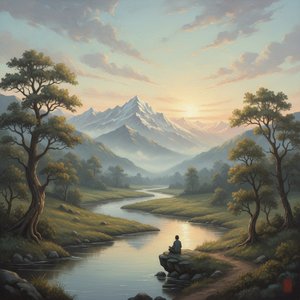
Valley of a River. Study


 Devamını Oku
Giclée / Sanat Baskısı
Hızlı üretim ve esnek bitiş seçenekleriyle müze kalitesinde giclée veya kanvas baskı. ( El Yapımı Tablo Satın Al Dijital Görsel Satışına Geç)




P118B $10

P118H $10

P118W $10

P438Z $10

P508JH $12

P508YH $12

P805H $10

P805Z $10

P919BZ $10

P919G $10

P919XJ $10

P959ZH $10

P968JZ $12

W106C $8

W218G $10

W218JH $8

W218Y $10

W307PJ $10

W316G $10

W316PJ $8

W316Y $10

W398PJ $8

W4111J $10

W500HY $15

W500JH $15

W692G $12

W849H $8

W940BG $15

W953PJ $8




Eserin orijinal oranlarıyla uyumlu, önceden belirlenmiş boyutlarımız arasından seçim yapın.

Belirli bir çerçeveye veya alana uyması için kendi ölçülerinizi girebilirsiniz. Seçtiğiniz boyut orijinal görüntünün oranlarıyla eşleşmiyorsa, sanat eserini kırpacağız veya görüntüyü aynalanmış ya da düz dolgulu bir kenarlıkla genişleteceğiz. Üretim başlamadan önce onayınız için bir dijital taslak gönderilecektir.
Lütfen ekrandaki önizlemenin gerçek kırpma veya genişletmeyi yansıtmadığını unutmayın. Nihai kompozisyonu yalnızca taslak doğru bir şekilde gösterecektir.
Özel boyutlar mevcut olsa da, orijinal oranları korumak için önceden tanımlanmış listeden bir boyut seçmenizi öneririz.
Dünya Çapında Teslimat (); standart 4/5 hafta yerine 2 haftada. (25 Eylül)

Dünya Çapında Ücretsiz Ekspres Kargo

Yüksek Kaliteli Keten Tuval

Tam Nakliye Sigortası

Gümrük Vergisi İadesi Garantisi

Gerçek Renk Uyumu Garantisi

100 Günlük İade Koşulları (Sadece Üretim Hatalı Ürünler İçin)

%100 Para İade Garantisi

Toplu Alım Avantajı
 Cam seçeneği yalnızca 110 cm altındaki boyutlar için mevcuttur.

Valley of a River. Study
Giclée / Sanat Baskısı
Baskı Boyutu
-


Toplam Fiyat
$ 80
A Symphony of Sorrowful Beauty: The Soul of the Russian Landscape
In the quietude of the late nineteenth century, a profound shift occurred in the way the natural world was perceived through the lens of Russian art. Isaak Ilyich Levitan, a master of what would become known as the "mood landscape," possessed an unparalleled ability to distill the very essence of the Russian soul onto canvas. His work, particularly the evocative Valley of a River. Study (1890), transcends mere topographical representation to offer a window into a deeply felt emotional reality. To gaze upon this piece is to enter a realm where the boundaries between the external environment and the internal psyche begin to blur, inviting the viewer into a contemplative dialogue with nature.
The painting captures a serene yet melancholic valley, where a river winds its way through a lush, undulating landscape. The scene is far from a static portrait; it is a living, breathing moment of atmospheric tension. Levitan utilizes a muted, sophisticated palette dominated by earthy greens, deep browns, and soft, ethereal blues that mirror the subdued hues of an approaching autumn. Through the meticulous layering of thin glazes, the artist achieves a luminous quality, as if a diffused, gentle light is filtering through the dense foliage to illuminate the hidden corners of the valley. This technique creates a sense of depth and realism that draws the eye inward, following the winding path that serves as a visual metaphor for life’s own unpredictable journey.
Symbolism and the Weight of History
Beyond its aesthetic brilliance, Valley of a River. Study is steeped in the historical anxieties of its era. Created during the twilight years of Tsarist rule, a period marked by the tremors of modernization and industrialization, the painting reflects a longing for the untouched, spiritual purity of the rural landscape. Levitan’s focus on the solitary path and the quiet grandeur of the hills speaks to a sense of solitude that was deeply resonant in the Russian consciousness of the 1890s. The subtle interplay of light and shadow does more than define form; it evokes feelings of tranquility, nostalgia, and even a quiet, dignified despair.
For the discerning collector or interior designer, this artwork offers much more than visual decoration. It provides an emotional anchor for a space, bringing a sense of timelessness and intellectual depth to any room. The painting’s ability to evoke "mood"—that elusive quality of atmosphere—makes it a versatile masterpiece capable of transforming a modern gallery into a sanctuary of reflection. Whether placed in a sunlit study or a more somber, formal salon, the Valley of a River. Study serves as a profound reminder of the enduring beauty found in the quietest moments of existence, making it an incomparable acquisition for those who seek art that speaks to the heart as much as the eye.
Sanatçı Biyografisi
A Symphony of the Russian Soul: The Life and Art of Isaak Ilyich Levitan
Isaak Ilyich Levitan, a name synonymous with the evocative power of Russian landscape painting, was more than just a chronicler of nature; he was a poet of the land, a translator of its moods into visual form. Born in 1860 in Kibarty (present-day Lithuania) to a Jewish family who later settled in Moscow, Levitan’s life was marked by both profound hardship and an unwavering dedication to his art. The early loss of his mother and father instilled within him a sensitivity that would permeate his canvases with a melancholic beauty—a beauty born from sorrow but illuminated by an enduring love for the Russian wilderness. He entered the Moscow School of Painting, Sculpture and Architecture in 1873, where he came under the tutelage of Alexei Savrasov, whose influence would prove pivotal in shaping Levitan’s artistic vision. It was Savrasov who nurtured his student's innate ability to capture not merely the appearance of nature, but its very essence—its atmosphere, its emotional resonance.The Birth of a ‘Mood Landscape’
Levitan swiftly distinguished himself as an artist capable of conveying profound emotion through landscape. He wasn’t interested in topographical accuracy for its own sake; rather, he sought to imbue his paintings with a sense of *mood*, a feeling that resonated deep within the viewer's soul. This approach earned him the title of pioneer of the “mood landscape,” a genre that moved beyond simple representation to explore the spiritual connection between humanity and nature. His palette was often subdued, favoring naturalistic colors and poetic elements over vibrant displays—colors chosen with meticulous care to convey subtle shades of emotion. He masterfully employed light and shadow, creating atmospheric effects that evoked feelings of tranquility, solitude, or even quiet despair. Consider *Autumn Day. Sokolniki* (1879), painted when he was just nineteen years old; the painting’s muted tones—ochres, browns, yellows—are skillfully blended to create a sense of wistful nostalgia, hinting at the transience of beauty and the inevitability of change. The delicate rendering of light captures the fleeting moments of autumn sunlight filtering through the trees, conveying a profound awareness of time's passage.Influences and Artistic Kinships
While deeply indebted to Savrasov’s influence, Levitan was also receptive to other artistic currents. He collaborated with fellow artists like Konstantin Korovin, Mikhail Nesterov, and Nikolai Chekhov—the brother of the renowned playwright Anton Chekhov, who became a lifelong friend. This circle fostered an environment of creative exchange and mutual support; they debated ideas, critiqued each other’s work, and shared a common passion for exploring the expressive potential of Russian landscape painting. He admired Vasily Polenov's meticulous observation of detail and his ability to convey both beauty and solemnity—qualities that Levitan himself sought to emulate in his own paintings. Furthermore, he was profoundly moved by the music of Frédéric Chopin, whose melodies inspired him to capture similar feelings of melancholy and longing on canvas. The influence of these collaborations and experiences can be seen in works like *The Vladimirka Road* (1892) and *Eternal Rest* (1894)—paintings that exemplify Levitan’s distinctive style and his deepening understanding of the emotional landscape.Major Achievements and Recognition
In 1897, Levitan achieved a significant milestone in his artistic career when he was elected to the Imperial Academy of Arts—a testament to his growing stature within the Russian art world and a recognition of his unwavering commitment to his craft. This honor solidified his position as one of Russia’s foremost landscape painters and ensured that his legacy would endure for generations to come. He subsequently became head of the landscape studio at his alma mater in 1898, dedicating himself to nurturing the talent of aspiring artists and shaping the future direction of Russian landscape painting. His tireless efforts to educate and inspire contributed significantly to the preservation and dissemination of Levitan’s artistic vision—a vision that continues to captivate audiences today.Legacy and Enduring Resonance
Levitan's paintings remain a poignant reminder of Russia’s spiritual heritage, capturing the sublime beauty of its landscapes with unparalleled sensitivity and grace. His ability to convey profound emotion through simple forms and muted colors established him as a pioneer of the “mood landscape,” influencing countless artists who followed in his footsteps. As a symbol of melancholy and contemplation—a reflection of the Russian soul—Levitan’s work continues to resonate deeply with viewers across cultures and generations. In 1941, a solemn ceremony honored his memory when his remains were moved to the Novodevichy Cemetery in Moscow—a poignant gesture of remembrance alongside Anton Chekhov—two artistic kindred spirits who captured the essence of their time and place with extraordinary eloquence. Isaak Ilyich Levitan’s contribution to Russian art is undeniable; he transformed landscape painting into a vehicle for spiritual expression, securing his place as one of Russia's most beloved and influential artists.
İsaak İlyiş Levitan
1860 - 1900 , Rusya
Kısa Bilgiler
- Artistic Movement Or Style: Mood Lanskapesi
- Artists Or Movements Influenced By This Artist: ['Rusya Lanskapisti']
- Artists Who Influenced This Artist:
- Alexei Savrasov
- Vasily Polenov
- Date Of Birth: August 30, 1860
- Date Of Death: July 22, 1900
- Full Name: Isaak Ilyich Levitan
- Nationality: Rusya
- Notable Artworks:
- Autumn Günü. Sokolniki
- Vladimirka Yolu
- Ebedi Din
- İlkbahar Çölü
- Şimşek Günü
- Place Of Birth: Kibarty, Lithuania
İlgili Yazılar

Evocations of Place: A Historical Journey Through Landscape Art
Explore the rich history of landscape art with OriginalUniqueArt. Discover renowned artists, movements like Impressionism & Romanticism, and expert guidance for collecting timeless pieces. Find your perfect serene escape today!

Paul Cézanne'ın En İyi 25 Eseri: Sanat Tarihinin İkonik Yapıtları ve Ev Dekorasyonu İçin İlham Veren Seçkiler
Paul Cézanne'ın en iyi 25 eserini keşfedin! Modern sanatın öncüsü Cézanne'ın post empresyonist tabloları, natürmortları ve renkli manzaralarıyla evinizi sanatsal bir atmosfere taşıyın. OriginalUniqueArt.com'da yüksek kaliteli sanat baskıları ve dekor fikirleri sizi bekliyor.

John Constable'ın En İyi 25 Eseri: İngiliz Manzaralarının Büyüsü OriginalUniqueArt'ta
John Constable'ın en iyi 25 eserini keşfedin! İngiliz manzara sanatının büyülü dünyasına dalın, romantizm akımını ve kırsal yaşamı yansıtan tablolarla evinizi zenginleştirin. Sanat reproduksiyonları OriginalUniqueArt'ta.

Cultivating Visions: A Historical Journey Through Rural Landscapes in Art
Explore the rich history of rural landscape painting with OriginalUniqueArt. Discover Impressionist masterpieces, key artists & movements. Find your perfect serene artwork and bring nature's beauty home.
Evoking Tranquility: A Comprehensive Exploration of Serene Landscapes in Art History
Explore the history of serene landscapes in art! Discover renowned artists like Monet & Munch, movements from Impressionism to Tonalism, and find the perfect piece to bring tranquility to your home. Expert insights at OriginalUniqueArt.
