- Ana Sayfa

- Dijital Görsel Listesi
- İsaak İlyiş Levitan
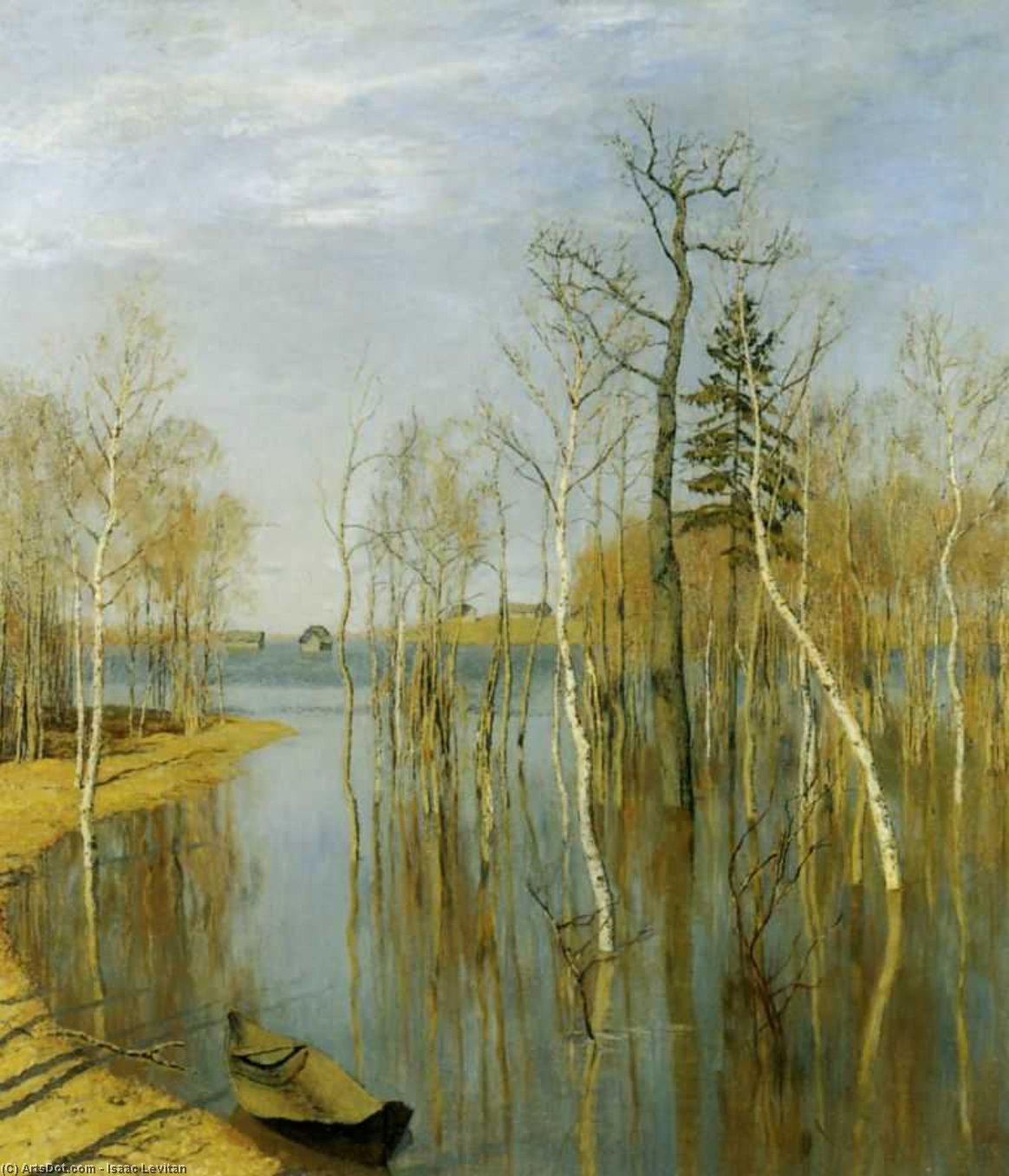
- Spring Flood
 Önizleme yap
 Paylaş
 Paylaş
 Detayları Gör

 İndir
İndir
 Benzerlerini gör
 X-Işını
 Slayt Gösterisi
Spring Flood
 Oil On Canvas
- WallArt
- Impressionism
 1897
1897- 19th Century
 64.0 x 57.0 cm
 Третьяковская галерея
 Tümünü Gör
Çevrimiçi önizlemeden çok daha üstün, yüksek çözünürlüklü ve iyileştirilmiş bir dijital görüntü satın alın.
Her dosya, uzman ekibimiz tarafından gelişmiş araçlar ve titiz manuel rötuş teknikleri kullanılarak özenle hazırlanır. Her görüntünün olağanüstü netliğe, kusursuz renk doğruluğuna ve ince ayrıntılara sahip olduğundan emin oluruz.
Son dosya; profesyonel, editoryal ve baskı süreçlerinde anında kullanıma uygun şekilde optimize edilerek 72 saat içinde e-posta yoluyla teslim edilir. Bu, seçkin tasarım stüdyoları, yayıncılar ve galerilerin güvendiği aynı kalite standartlarındadır.
Dijital Görsel
Kişisel sergileme, baskı ve yaratıcı projeleriniz için yüksek çözünürlüklü bir dosya indirin. ( Baskıya Geç El boyaması versiyona geç)
Her Dijital Görüntü Siparişinde Dahil Olanlar
Uzman Dijital Teslimat, Garantili
OriginalUniqueArt.com seçtiğinizde, sadece bir görsel edinmekle kalmaz; titizlikle hazırlanmış, profesyonelce iyileştirilmiş dijital bir sanat eserine sahip olur ve memnuniyet garantisiyle güvence altına alınırsınız. Siparişinizle birlikte otomatik olarak sunulan her şey şunlardır:

Hızlı E-posta ile Teslimat
Yüksek çözünürlüklü dijital görüntü dosyanız, siparişinizin üzerinden en geç 72 saat geçmeden e-posta ile size gönderilecektir; hemen kullanıma hazırdır.

Yapay Zeka İle İyileştirilmiş Dijital Dosya
Sanat eseriniz; maksimum detay, netlik ve renk doğruluğu sağlamak amacıyla gelişmiş yapay zeka araçları ve manuel düzenleme kullanılarak profesyonelce optimize edilmektedir.

Ömür Boyu Ücretsiz Yeniden Gönderim
Dosyanızı yanlışlıkla mı sildiniz yoksa kayıp mı oldu? Endişelenmeyin; dosyanızı dilediğiniz zaman size ücretsiz olarak tekrar göndereceğiz.

Hiçbir Zaman İthalat Ücreti Ödemeyin
Sanat eserinizin tadını gümrük vergisi, harç veya teslimat ücreti ödemeden anında çıkarın; dijital indirmeler her zaman vergiden muaftır.

Renk Doğruluğu Garantisi
Profesyonel araçlar ve renk yönetimi kullanarak dijital görselinizin orijinal renklere mümkün olduğunca yakın yansıtılmasını sağlıyoruz.

60 Günlük Memnuniyet Garantisi
If you're not satisfied with your digital image, we'll revise it or refund 100% within 60 days - no questions asked.

100% Para İadesi Garantisi
Memnun kalmadınız mı? Dijital dosyanızı aldıktan sonraki 60 gün içinde, hiçbir soru sorulmaksızın tam iade alın.

Toplu Sipariş İndirimleri
Buy 3 images, save 10% - Buy 5, save 15% - Buy 10+, save 20%. Great for creative projects, galleries, and agencies.
Koleksiyon Detayları
Spring Flood by Isaak Ilyich Levitan: A Serene Reflection of Nature
Isaak Ilyich Levitan's "Spring Flood," painted in 1897, is a captivating landscape that embodies the artist’s signature style – a poignant and evocative portrayal of the Russian countryside. This oil on canvas masterpiece, measuring 64 x 57 cm, resides within the esteemed collection of the Tretyakov Gallery in Moscow, Russia, serving as a testament to Levitan's profound connection with nature and his ability to translate its essence onto canvas.
Artistic Style and Technique
"Spring Flood" exemplifies Levitan’s mastery of mood landscape painting. Unlike earlier landscape artists who focused on topographical accuracy, Levitan sought to capture the emotional atmosphere and spiritual resonance of a scene. The artwork is rendered in an Impressionistic style, characterized by loose brushstrokes and a focus on capturing fleeting moments of light and color. The technique involves layering paint to build up texture and create atmospheric effects. Notice how the artist uses muted yellows, browns, and blues to evoke a sense of serenity and quietude. The delicate play of light on the water creates a sense of movement and energy, while the reflections in the water add depth and complexity to the composition. The flattened perspective is typical of Impressionism, emphasizing the surface qualities of the paint.
Subject Matter and Composition
The painting depicts a tranquil riverbank scene during what appears to be late autumn or early spring. The dominant feature is the reflection of trees and shoreline in the water, creating a symmetrical effect that draws the viewer into the heart of the landscape. A small boat rests gently on the shore, adding a subtle human element to the otherwise natural setting. The composition is carefully balanced, with the horizon line positioned slightly above the midpoint to emphasize the vastness of the sky and the surrounding environment. The inclusion of two people in the scene adds a touch of human connection to the peaceful landscape.
Historical Context and Symbolism
Levitan painted "Spring Flood" during a period of significant artistic change in Russia, as artists began to move away from traditional academic styles towards more modern approaches. The painting reflects this shift, embracing Impressionistic techniques while retaining a distinctly Russian sensibility. The flood itself can be interpreted symbolically – representing renewal and the cyclical nature of life. The muted color palette and tranquil atmosphere evoke a sense of melancholy and introspection, characteristic of Levitan’s work. It is believed that Levitan was deeply affected by personal loss during this time, which may have contributed to the painting's poignant emotional tone.
Emotional Impact and Legacy
"Spring Flood" continues to resonate with viewers today due to its ability to evoke a profound sense of peace and contemplation. The artwork’s beauty lies not only in its technical skill but also in its capacity to transport the viewer to a tranquil natural setting, inviting them to reflect on the beauty and fragility of life. As a masterpiece of Russian art, "Spring Flood" stands as a testament to Levitan's enduring legacy as one of Russia's most beloved landscape painters.
Sanatçı Özgeçmişi
A Symphony of the Russian Soul: The Life and Art of Isaak Ilyich Levitan
Isaak Ilyich Levitan, a name synonymous with the evocative power of Russian landscape painting, was more than just a chronicler of nature; he was a poet of the land, a translator of its moods into visual form. Born in 1860 in Kibarty (present-day Lithuania) to a Jewish family who later settled in Moscow, Levitan’s life was marked by both profound hardship and an unwavering dedication to his art. The early loss of his mother and father instilled within him a sensitivity that would permeate his canvases with a melancholic beauty—a beauty born from sorrow but illuminated by an enduring love for the Russian wilderness. He entered the Moscow School of Painting, Sculpture and Architecture in 1873, where he came under the tutelage of Alexei Savrasov, whose influence would prove pivotal in shaping Levitan’s artistic vision. It was Savrasov who nurtured his student's innate ability to capture not merely the appearance of nature, but its very essence—its atmosphere, its emotional resonance.The Birth of a ‘Mood Landscape’
Levitan swiftly distinguished himself as an artist capable of conveying profound emotion through landscape. He wasn’t interested in topographical accuracy for its own sake; rather, he sought to imbue his paintings with a sense of *mood*, a feeling that resonated deep within the viewer's soul. This approach earned him the title of pioneer of the “mood landscape,” a genre that moved beyond simple representation to explore the spiritual connection between humanity and nature. His palette was often subdued, favoring naturalistic colors and poetic elements over vibrant displays—colors chosen with meticulous care to convey subtle shades of emotion. He masterfully employed light and shadow, creating atmospheric effects that evoked feelings of tranquility, solitude, or even quiet despair. Consider *Autumn Day. Sokolniki* (1879), painted when he was just nineteen years old; the painting’s muted tones—ochres, browns, yellows—are skillfully blended to create a sense of wistful nostalgia, hinting at the transience of beauty and the inevitability of change. The delicate rendering of light captures the fleeting moments of autumn sunlight filtering through the trees, conveying a profound awareness of time's passage.Influences and Artistic Kinships
While deeply indebted to Savrasov’s influence, Levitan was also receptive to other artistic currents. He collaborated with fellow artists like Konstantin Korovin, Mikhail Nesterov, and Nikolai Chekhov—the brother of the renowned playwright Anton Chekhov, who became a lifelong friend. This circle fostered an environment of creative exchange and mutual support; they debated ideas, critiqued each other’s work, and shared a common passion for exploring the expressive potential of Russian landscape painting. He admired Vasily Polenov's meticulous observation of detail and his ability to convey both beauty and solemnity—qualities that Levitan himself sought to emulate in his own paintings. Furthermore, he was profoundly moved by the music of Frédéric Chopin, whose melodies inspired him to capture similar feelings of melancholy and longing on canvas. The influence of these collaborations and experiences can be seen in works like *The Vladimirka Road* (1892) and *Eternal Rest* (1894)—paintings that exemplify Levitan’s distinctive style and his deepening understanding of the emotional landscape.Major Achievements and Recognition
In 1897, Levitan achieved a significant milestone in his artistic career when he was elected to the Imperial Academy of Arts—a testament to his growing stature within the Russian art world and a recognition of his unwavering commitment to his craft. This honor solidified his position as one of Russia’s foremost landscape painters and ensured that his legacy would endure for generations to come. He subsequently became head of the landscape studio at his alma mater in 1898, dedicating himself to nurturing the talent of aspiring artists and shaping the future direction of Russian landscape painting. His tireless efforts to educate and inspire contributed significantly to the preservation and dissemination of Levitan’s artistic vision—a vision that continues to captivate audiences today.Legacy and Enduring Resonance
Levitan's paintings remain a poignant reminder of Russia’s spiritual heritage, capturing the sublime beauty of its landscapes with unparalleled sensitivity and grace. His ability to convey profound emotion through simple forms and muted colors established him as a pioneer of the “mood landscape,” influencing countless artists who followed in his footsteps. As a symbol of melancholy and contemplation—a reflection of the Russian soul—Levitan’s work continues to resonate deeply with viewers across cultures and generations. In 1941, a solemn ceremony honored his memory when his remains were moved to the Novodevichy Cemetery in Moscow—a poignant gesture of remembrance alongside Anton Chekhov—two artistic kindred spirits who captured the essence of their time and place with extraordinary eloquence. Isaak Ilyich Levitan’s contribution to Russian art is undeniable; he transformed landscape painting into a vehicle for spiritual expression, securing his place as one of Russia's most beloved and influential artists.
İsaak İlyiş Levitan
1860 - 1900 , Rusya
Kısa Bilgiler
- Artistic Movement Or Style: Mood Lanskapesi
- Artists Or Movements Influenced By This Artist: ['Rusya Lanskapisti']
- Artists Who Influenced This Artist:
- Alexei Savrasov
- Vasily Polenov
- Date Of Birth: August 30, 1860
- Date Of Death: July 22, 1900
- Full Name: Isaak Ilyich Levitan
- Nationality: Rusya
- Notable Artworks:
- Autumn Günü. Sokolniki
- Vladimirka Yolu
- Ebedi Din
- İlkbahar Çölü
- Şimşek Günü
- Place Of Birth: Kibarty, Lithuania

