

 Önizle
 Gönder
 Paylaş
 Detaylar
 Rehber

 Dosyayı İndir
 Benzerleri
 X-Işını
 Slayt Gösterisi
 İstatistikler
Oak


 Devamını Oku
Giclée / Sanat Baskısı
Hızlı üretim ve esnek bitiş seçenekleriyle müze kalitesinde giclée veya kanvas baskı. ( El Yapımı Tablo Satın Al Dijital Görsel Satışına Geç)




P118B ₺10

P118H ₺10

P118W ₺10

P438Z ₺10

P508JH ₺12

P508YH ₺12

P805H ₺10

P805Z ₺10

P919BZ ₺10

P919G ₺10

P919XJ ₺10

P959ZH ₺10

P968JZ ₺12

W106C ₺8

W218G ₺10

W218JH ₺8

W218Y ₺10

W307PJ ₺10

W316G ₺10

W316PJ ₺8

W316Y ₺10

W398PJ ₺8

W4111J ₺10

W500HY ₺15

W500JH ₺15

W692G ₺12

W849H ₺8

W940BG ₺15

W953PJ ₺8




Eserin orijinal oranlarıyla uyumlu, önceden belirlenmiş boyutlarımız arasından seçim yapın.

Çerçevenize veya duvarınıza uygun olması için ihtiyacınız olan genişlik ve yüksekliği yazın. Bir baskı yalnızca kesilebilir, görselden daha büyük hale getirilemez; bu nedenle farklı bir formdaki boyut seçimi, görselin bir kısmının kaybına neden olur. Herhangi bir baskı yapmadan önce onaylamanız için size bir dijital taslak gönderiyoruz. Bu sayfada gösterilen resim gerçek kesimi göstermez — bunu yalnızca taslak gösterir.
Dünya Çapında Teslimat (); standart 4/5 hafta yerine 2 haftada. (26 Ekim)

Dünya Çapında Ücretsiz Ekspres Kargo

Yüksek Kaliteli Keten Tuval

Tam Nakliye Sigortası

Gümrük Vergisi İadesi Garantisi

Gerçek Renk Uyumu Garantisi

100 Günlük İade Koşulları (Sadece Üretim Hatalı Ürünler İçin)

%100 Para İade Garantisi

Toplu Alım Avantajı
 Cam seçeneği yalnızca 110 cm altındaki boyutlar için mevcuttur.

Oak
Giclée / Sanat Baskısı
Baskı Boyutu
-


Toplam Fiyat
₺ 3913
A Meditation on Tranquility: Exploring Isaak Levitan’s “Oak”
Isaak Ilyich Levitan's "Oak," painted in 1880, transcends mere depiction; it embodies a profound connection to the Russian soul—a yearning for solace and beauty found within the immutable rhythms of nature. This oil on canvas masterpiece resides at the Tretyakov Gallery in Moscow, cementing its place as a cornerstone of Russian landscape art and attracting visitors eager to immerse themselves in Levitan’s masterful vision.
- Subject Matter: The painting centers around a solitary oak tree dominating a serene meadow. Its sprawling branches reach upwards, conveying resilience and strength against the backdrop of muted greens and browns—a deliberate choice reflecting the artist's preoccupation with themes of solitude and contemplation.
- Style & Technique: Levitan’s style is characterized by Impressionistic tendencies tempered with Symbolist sensibilities. He employs loose brushstrokes to capture fleeting atmospheric conditions, prioritizing tonal harmony over precise detail. The subtle gradations of color create an illusion of depth, drawing the viewer into a contemplative space reminiscent of Russian Romanticism.
- Historical Context: Created during the late 19th century, “Oak” speaks to the anxieties and aspirations of its time—a period marked by rapid industrialization yet deeply rooted in traditions of rural life and spiritual reflection. Levitan’s work aligns with a broader artistic movement seeking to express inner emotions through external landscapes, mirroring the philosophical currents of his era.
Symbolism Within the Frame
Beyond its aesthetic beauty, “Oak” is laden with symbolic significance. The oak tree itself represents endurance, nobility, and connection to ancestral roots—powerful emblems resonating within Russian culture. Its placement in a tranquil meadow symbolizes harmony between humanity and nature, suggesting an ideal state of equilibrium often pursued by artists and intellectuals alike. The solitary figure adds another layer of interpretation, representing introspection and the individual’s quest for spiritual understanding.
The Tretyakov Gallery Legacy
The Tretyakov Gallery's commitment to preserving Levitan’s legacy underscores the painting’s enduring importance. Established in 1856, this institution has become synonymous with Russian art history, showcasing an unparalleled collection spanning centuries of artistic innovation. Visitors can experience firsthand the profound impact of Levitan’s work—a testament to his ability to capture not just what he saw but also what he felt—inspiring generations of artists and admirers.
Reproductions: Bringing Levitan's Vision Home
High-quality reproductions of “Oak” are available on OriginalUniqueArt.com, allowing art enthusiasts to appreciate Levitan’s artistry in their own homes. These meticulously crafted prints capture the painting's luminous palette and textural nuances, ensuring that its evocative atmosphere persists beyond the gallery walls. Explore more about Isaak Levitan and his artistic journey at Wikipedia.
Soru ve Cevaplar
"Oak" adlı eser hangi sanatçıya atfediliyor?
"Oak" eserinin arkasındaki sanatçı İsaak İlyiş Levitan'tir. Eser, İsaak İlyiş Levitan adına kataloglanmıştır.
İsaak İlyiş Levitan imzalı "Oak" için hangi baskı boyutu öneriliyor?
İsaak İlyiş Levitan imzalı "Oak" için Large boyutunda bir reprodüksiyon önerilir. Boyut, oranlar korunarak ayarlanabilir.
"Oak" eserinin Square formatı sergilemek için nerede önerilir?
İsaak İlyiş Levitan imzalı "Oak" için kaydedilen iki yerleşim bilgisi; format (Square) ve önerilen alandır (Living Room).
Sanatçı Biyografisi
A Symphony of the Russian Soul: The Life and Art of Isaak Ilyich Levitan
Isaak Ilyich Levitan, a name synonymous with the evocative power of Russian landscape painting, was more than just a chronicler of nature; he was a poet of the land, a translator of its moods into visual form. Born in 1860 in Kibarty (present-day Lithuania) to a Jewish family who later settled in Moscow, Levitan’s life was marked by both profound hardship and an unwavering dedication to his art. The early loss of his mother and father instilled within him a sensitivity that would permeate his canvases with a melancholic beauty—a beauty born from sorrow but illuminated by an enduring love for the Russian wilderness. He entered the Moscow School of Painting, Sculpture and Architecture in 1873, where he came under the tutelage of Alexei Savrasov, whose influence would prove pivotal in shaping Levitan’s artistic vision. It was Savrasov who nurtured his student's innate ability to capture not merely the appearance of nature, but its very essence—its atmosphere, its emotional resonance.The Birth of a ‘Mood Landscape’
Levitan swiftly distinguished himself as an artist capable of conveying profound emotion through landscape. He wasn’t interested in topographical accuracy for its own sake; rather, he sought to imbue his paintings with a sense of *mood*, a feeling that resonated deep within the viewer's soul. This approach earned him the title of pioneer of the “mood landscape,” a genre that moved beyond simple representation to explore the spiritual connection between humanity and nature. His palette was often subdued, favoring naturalistic colors and poetic elements over vibrant displays—colors chosen with meticulous care to convey subtle shades of emotion. He masterfully employed light and shadow, creating atmospheric effects that evoked feelings of tranquility, solitude, or even quiet despair. Consider *Autumn Day. Sokolniki* (1879), painted when he was just nineteen years old; the painting’s muted tones—ochres, browns, yellows—are skillfully blended to create a sense of wistful nostalgia, hinting at the transience of beauty and the inevitability of change. The delicate rendering of light captures the fleeting moments of autumn sunlight filtering through the trees, conveying a profound awareness of time's passage.Influences and Artistic Kinships
While deeply indebted to Savrasov’s influence, Levitan was also receptive to other artistic currents. He collaborated with fellow artists like Konstantin Korovin, Mikhail Nesterov, and Nikolai Chekhov—the brother of the renowned playwright Anton Chekhov, who became a lifelong friend. This circle fostered an environment of creative exchange and mutual support; they debated ideas, critiqued each other’s work, and shared a common passion for exploring the expressive potential of Russian landscape painting. He admired Vasily Polenov's meticulous observation of detail and his ability to convey both beauty and solemnity—qualities that Levitan himself sought to emulate in his own paintings. Furthermore, he was profoundly moved by the music of Frédéric Chopin, whose melodies inspired him to capture similar feelings of melancholy and longing on canvas. The influence of these collaborations and experiences can be seen in works like *The Vladimirka Road* (1892) and *Eternal Rest* (1894)—paintings that exemplify Levitan’s distinctive style and his deepening understanding of the emotional landscape.Major Achievements and Recognition
In 1897, Levitan achieved a significant milestone in his artistic career when he was elected to the Imperial Academy of Arts—a testament to his growing stature within the Russian art world and a recognition of his unwavering commitment to his craft. This honor solidified his position as one of Russia’s foremost landscape painters and ensured that his legacy would endure for generations to come. He subsequently became head of the landscape studio at his alma mater in 1898, dedicating himself to nurturing the talent of aspiring artists and shaping the future direction of Russian landscape painting. His tireless efforts to educate and inspire contributed significantly to the preservation and dissemination of Levitan’s artistic vision—a vision that continues to captivate audiences today.Legacy and Enduring Resonance
Levitan's paintings remain a poignant reminder of Russia’s spiritual heritage, capturing the sublime beauty of its landscapes with unparalleled sensitivity and grace. His ability to convey profound emotion through simple forms and muted colors established him as a pioneer of the “mood landscape,” influencing countless artists who followed in his footsteps. As a symbol of melancholy and contemplation—a reflection of the Russian soul—Levitan’s work continues to resonate deeply with viewers across cultures and generations. In 1941, a solemn ceremony honored his memory when his remains were moved to the Novodevichy Cemetery in Moscow—a poignant gesture of remembrance alongside Anton Chekhov—two artistic kindred spirits who captured the essence of their time and place with extraordinary eloquence. Isaak Ilyich Levitan’s contribution to Russian art is undeniable; he transformed landscape painting into a vehicle for spiritual expression, securing his place as one of Russia's most beloved and influential artists.
İsaak İlyiş Levitan
1860 - 1900 , Rusya
Kısa Bilgiler
- Artistic Movement Or Style: Mood Lanskapesi
- Artists Or Movements Influenced By This Artist: ['Rusya Lanskapisti']
- Artists Who Influenced This Artist:
- Alexei Savrasov
- Vasily Polenov
- Date Of Birth: August 30, 1860
- Date Of Death: July 22, 1900
- Full Name: Isaak Ilyich Levitan
- Nationality: Rusya
- Notable Artworks:
- Autumn Günü. Sokolniki
- Vladimirka Yolu
- Ebedi Din
- İlkbahar Çölü
- Şimşek Günü
- Place Of Birth: Kibarty, Lithuania
İlgili Yazılar

Evocations of Place: A Historical Journey Through Landscape Art
Explore the rich history of landscape art with OriginalUniqueArt. Discover renowned artists, movements like Impressionism & Romanticism, and expert guidance for collecting timeless pieces. Find your perfect serene escape today!
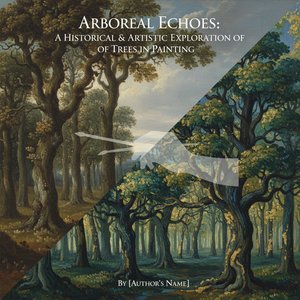
Arboreal Echoes: A Historical & Artistic Exploration of Trees in Painting
Explore the rich history of trees in painting! Discover symbolism, Romantic masterpieces by Caspar David Friedrich & beyond. A curated journey for art enthusiasts.

John Constable'ın En İyi 25 Eseri: İngiliz Manzaralarının Büyüsü OriginalUniqueArt'ta
John Constable'ın en iyi 25 eserini keşfedin! İngiliz manzara sanatının büyülü dünyasına dalın, romantizm akımını ve kırsal yaşamı yansıtan tablolarla evinizi zenginleştirin. Sanat reproduksiyonları OriginalUniqueArt'ta.

Romantik Resmin Zirveleri: Evinizi Sanatla Süsleyen 10 Usta Manzara
Romantizm sanatının en etkileyici 10 başyapıtını keşfedin! Friedrich, Turner gibi ustaların büyüleyici manzaralarıyla evinizi dönüştürün. Sanat tarihi ve dekorasyon rehberi OriginalUniqueArt.com'da tüm koleksiyonu inceleyin.

Arboreal Echoes: A Historical & Artistic Exploration of Trees in Painting
Explore the rich history of trees in painting! Discover symbolism, Romantic masterpieces by Caspar David Friedrich & beyond. A curated journey for art enthusiasts.
