

 Önizle
 Gönder
 Paylaş
 Detaylar
 Rehber

 Dosyayı İndir
 Benzerleri
 X-Işını
 Slayt Gösterisi
 İstatistikler
Inhabited Ruins
 Acrylic On Canvas
- WallArt
- Romanticism
 1790
1790 40.0 x 30.0 cm
 Hermitage Müzesi
 Devamını Oku
Giclée / Sanat Baskısı
Hızlı üretim ve esnek bitiş seçenekleriyle müze kalitesinde giclée veya kanvas baskı. ( El Yapımı Tablo Satın Al Dijital Görsel Satışına Geç)




P118B ₺10

P118H ₺10

P118W ₺10

P438Z ₺10

P508JH ₺12

P508YH ₺12

P805H ₺10

P805Z ₺10

P919BZ ₺10

P919G ₺10

P919XJ ₺10

P959ZH ₺10

P968JZ ₺12

W106C ₺8

W218G ₺10

W218JH ₺8

W218Y ₺10

W307PJ ₺10

W316G ₺10

W316PJ ₺8

W316Y ₺10

W398PJ ₺8

W4111J ₺10

W500HY ₺15

W500JH ₺15

W692G ₺12

W849H ₺8

W940BG ₺15

W953PJ ₺8




Eserin orijinal oranlarıyla uyumlu, önceden belirlenmiş boyutlarımız arasından seçim yapın.

Çerçevenize veya duvarınıza uygun olması için ihtiyacınız olan genişlik ve yüksekliği yazın. Bir baskı yalnızca kesilebilir, görselden daha büyük hale getirilemez; bu nedenle farklı bir formdaki boyut seçimi, görselin bir kısmının kaybına neden olur. Herhangi bir baskı yapmadan önce onaylamanız için size bir dijital taslak gönderiyoruz. Bu sayfada gösterilen resim gerçek kesimi göstermez — bunu yalnızca taslak gösterir.
Dünya Çapında Teslimat (); standart 4/5 hafta yerine 2 haftada. (21 Ekim)

Dünya Çapında Ücretsiz Ekspres Kargo

Yüksek Kaliteli Keten Tuval

Tam Nakliye Sigortası

Gümrük Vergisi İadesi Garantisi

Gerçek Renk Uyumu Garantisi

100 Günlük İade Koşulları (Sadece Üretim Hatalı Ürünler İçin)

%100 Para İade Garantisi

Toplu Alım Avantajı
 Cam seçeneği yalnızca 110 cm altındaki boyutlar için mevcuttur.

Inhabited Ruins
Giclée / Sanat Baskısı
Baskı Boyutu
-


Toplam Fiyat
₺ 3907
Hubert Robert’s “Inhabited Ruins”: A Symphony of Decay and Nostalgia
Hubert Robert's "Inhabited Ruins," painted in 1790, is more than just a picturesque landscape; it’s a poignant meditation on time, memory, and the enduring allure of vanished grandeur. Executed during a period of profound social and political upheaval in France – the twilight years of the Ancien Régime and the dawn of the Revolution – Robert's work captures a melancholic beauty, reflecting both the decay of ancient structures and the wistful longing for a lost past. The painting depicts a crumbling Roman ruin, partially overgrown with vegetation, yet teeming with life: figures wander amongst the fallen columns and weathered arches, suggesting an ongoing human connection to these remnants of antiquity.
A Painter of Ruin and Vision
Hubert Robert (1733-1808) was a pivotal figure in 18th-century French art, renowned for his mastery of the “capriccio,” a genre that blended realistic landscape with fantastical elements and imaginative narratives. Unlike traditional topographical paintings focused on accurate representation, Robert’s capricci prioritized atmosphere, mood, and the evocative power of suggestion. He wasn't merely documenting ruins; he was crafting visions—a skill honed during his extensive travels through Italy, where he became deeply fascinated by the remnants of Roman civilization. His early training with sculptor Michel-Ange Slodtz instilled in him a strong foundation in perspective and design, while his time in Rome under Giovanni Paolo Panini further refined his understanding of architectural detail and atmospheric effects.
Technique and Composition: A Delicate Balance
"Inhabited Ruins" exemplifies Robert’s signature style—a masterful blend of observation and imagination. The painting is rendered with a delicate, almost ethereal quality, achieved through the use of soft brushstrokes and subtle gradations of light and shadow. Robert expertly employs atmospheric perspective, creating a sense of depth and distance by diminishing the clarity and intensity of colors in the background. Notice how he uses dappled sunlight filtering through the foliage to illuminate key elements within the ruin, drawing the viewer’s eye towards the figures and highlighting the textures of the crumbling stone. The composition is carefully balanced, with the ruins acting as a central focal point while the surrounding landscape provides a sense of scale and context. The inclusion of human figures—a small group gathered near an archway—adds a vital element of narrative and invites the viewer to contemplate their relationship to this ancient space.
Symbolism and Emotional Resonance
Beyond its aesthetic beauty, “Inhabited Ruins” is rich in symbolic meaning. The ruins themselves represent the transience of power, the inevitable decay of all things, and the cyclical nature of history. The figures within the scene are not simply observers; they embody humanity’s enduring fascination with the past and our attempts to find meaning and connection amidst the ruins of bygone eras. Robert's choice of a Roman setting—a civilization renowned for its architectural achievements and philosophical legacy—underscores this theme, suggesting that even in decline, these remnants hold profound significance. The painting evokes a sense of melancholy and nostalgia, prompting viewers to reflect on their own mortality and the fleeting nature of human existence. It’s a powerful reminder that beauty can be found not only in pristine monuments but also in the weathered stones of forgotten places.
A Legacy of Romantic Vision
Hubert Robert's work profoundly influenced subsequent generations of artists, particularly those associated with the Romantic movement. His emphasis on atmosphere, emotion, and the sublime—the awe-inspiring power of nature—laid the groundwork for later painters like Caspar David Friedrich and J.M.W. Turner. “Inhabited Ruins” stands as a testament to Robert’s artistic genius and his ability to capture the enduring spirit of a bygone era, inviting us to contemplate the beauty and melancholy inherent in the passage of time.
Soru ve Cevaplar
"Inhabited Ruins" eserindeki renkler ne kadar ışık yansıtıyor gibi görünüyor?
Hubert Robert imzalı "Inhabited Ruins" için kaydedilen parlaklık değeri Dark'dir.
"Inhabited Ruins" hangi malzemeden yapılmıştır ve hangi stildedir?
Hubert Robert imzalı "Inhabited Ruins", Acrylic On Canvas tekniğini Romanticism üslubuyla birleştiriyor. Teknik ve akım, eserin yapılış biçimini ve tarzını tanımlar.
"Inhabited Ruins", Hubert Robert’in sıkça işlediği konular arasında nerede duruyor?
"Inhabited Ruins", ruins, architecture, figures, landscape, atmosphere, light, italy, 18th century konularını betimlerken; Hubert Robert tarafından kaydedilen temalar roman ruins, romantic vision, french landscape, historical scene, capturing light, atmosphere beauty, hubert’s signature capricci style, reflecting revolution's impact şeklindedir. İkisini karşılaştırmak, eserin sanatçının alışılagelmiş konularıyla nasıl bir ilişki içinde olduğunu göstermektedir.
Sanatçı Biyografisi
Rüya ve Harabelerin Ressamı: Hubert Robert’in Dünyası
Hubert Robert, 18. yüzyıl Fransız sanatında yankı uyandıran manzaralar ve harabelerin romantik cazibesiyle özdeşleşmiş bir isimdir. 1733 yılında Paris'te doğan hayatı, Rococo’nun neşeli zarafetinden Neoklasisizmin şafağına ve nihayetinde Fransız Devrimi’nin çalkantılı yıllarına uzanan değişen sanatsal üsluplar ve tarihi olaylar arasında şekillenmiştir. O sadece yıkımı belgelemekle kalmamış, gözlemi hayalle birleştirerek geçmişe duyulan özlem ve geleceğe yönelik beklentiyle rezonansa giren vizyonlar yaratmıştır. Sanat eğitiminin yapılandırılmış dünyasında başlayan yolculuğu, heykeltıraş Michel-Ange Slodtz’un yeteneğini fark etmesiyle birlikte resme yönelerek ışığı, atmosferi ve formların ince şiirini yakalamadaki gerçek çağrısını anlamasıyla şekillenmiştir.Roma Düşleri: Sanatsal Kimliğin Şekillendirilmesi
Robert’in sanatsal gelişimindeki dönüm noktası, 1754 yılında Étienne-François de Choiseul eşliğinde Roma'ya yaptığı uzun yolculuk oldu. Antik şehrin tarihi ve mimari ihtişamla dolu dünyasına kendini kaptırdı. On bir yıl boyunca antik şehir onun açık hava stüdyosu haline geldi; yıkılan tapınakları, görkemli kemerleri ve bakımsız bahçeleri hayal gücünü besledi. Bu sadece gördüklerini kopyalamak değildi; yorumlamak, yeniden tasarlamak ve melankolik bir güzellikle aşılamakla ilgiliydi. Giovanni Paolo Panini ile birlikte çalıştı ve etkisi Robert’in erken *capriccio* kompozisyonlarında görülebilir—klasik harabeleri çağdaş yaşamla yan yana getiren fantastik manzaralar. Ancak Robert, taklitten hızla uzaklaştı ve ayrıntılı detaylar, atmosfer perspektifi ve ışık ve gölge oyununa derin bir duyarlılık ile karakterize edilen kendine özgü bir stil geliştirdi. O sadece harabeleri resmetmiyordu; zamanın kendisini resmediyordu, geçiciliğin dokunaklı güzelliğini ve hafızanın kalıcı gücünü yakalıyordu. Bu dönemden kalan eskiz defterleri, Villa d'Este ve Caprarola gibi Roma simgelerinin ayrıntılı çalışmalarıyla dolu paha biçilmez kayıtlarıdır; mimari nüanslara ve manzara kompozisyonuna dair keskin bir gözü ortaya koymaktadır.Paris’te Takdir ve Kraliyet Himayesi
Robert’in 1765 yılında Paris'e dönüşü, kariyerinde bir dönüm noktası oldu. Sanat çevrelerinde hızla tanındı ve “Mimari Anıtlarla Süslenmiş Roma Limanı, Antik ve Modern” eseriyle Académie Royale de Peinture et de Sculpture’a kabul edildi. Salonda yaptığı sonraki sergiler geniş beğeni topladı; harabelerin ve pastoral manzaraların etkileyici tasvirleriyle izleyicileri büyüledi. Aydınlanmanın önde gelen figürü Denis Diderot, Robert’in tablolarında uyandırılan ihtişamı ünlü bir şekilde övdü ve onu başka bir zamana ve mekana seyahat ettirme yeteneğini takdir etti. Bu başarı kraliyet himayesine yol açtı; dekoratif projeler için görevlendirmeler ve daha sonra “Kralın Bahçelerinin Tasarımcısı” ve ardından “Kralın Tablolarının Koruyucusu” atamaları yapıldı. Sadece tuval üzerine yaptığı resimler için değil, aynı zamanda bahçeler ve saray iç mekanları için yenilikçi tasarımları için de aranan bir sanatçı oldu. Eseri, tarih, arkeoloji ve pastoral güzelliğe ilgi duyan koleksiyonculara hitap eden *capriccio* resmine olan yaygın ilgiden etkilenmişti; ancak Robert ona benzersiz bir duyarlılık aşılayarak onu sadece dekoratif sanattan yükseltti.Devrim, Dayanıklılık ve Kalıcı Miras
Fransız Devrimi, Robert için benzeri görülmemiş bir zorluk teşkil etti. Birçok sanatçı çalkantılı siyasi iklimde yolunu bulmakta zorlanırken, kendisini değişimin akıntılarında yakalanmış buldu. Hatta Terör Dönemi sırasında kısa süreliğine hapsedildi; bu ürkütücü deneyim yine de hapishanedeki zamanını belgeleyen bir dizi çizime ilham verdi. Dikkat çekici bir şekilde, bu dönem boyunca da üretken bir şekilde resmetmeye devam etti ve sanatına sarsılmaz bağlılığını gösterdi. Devrim’den sonra Robert, gelecekteki Louvre Müzesi olan yeni kurulan Muséum Central des Arts müdürü olarak atandı; uzmanlığına ve kültürel mirası koruma özverisine tanıklık etti. Fransa'nın sanatsal hazinelerinin gelecek nesiller için güvence altına alınmasını sağlayarak müzenin koleksiyonunu düzenlemede ve kataloglamada önemli bir rol oynadı. Hubert Robert, 1808 yılında Paris’te hayatını kaybetti ve geride hayranlık uyandıran bir eser bıraktı. Mirası sadece teknik ustalığında değil, aynı zamanda tarihi doğruluğu hayali vizyonla harmanlama benzersiz yeteneğinde yatmaktadır. Rococo ve Neoklasik dönemleri birbirine bağlayan ve geçmişe olan tutkusu ve hayal gücüyle Romantizmin bazı yönlerini öngören bir tür resmin öncüsü oldu.- Temel Etkiler: Giovanni Paolo Panini, Piranesi, Roma'nın mimari manzarası.
- Ana Temalar: Harabeler, manzaralar, *capriccio* resimleri, tarihi hafıza, zamanın geçişi.
- Sanatsal Stil: Ayrıntılı detaylar, atmosfer perspektifi, etkileyici aydınlatma, gözlemi hayalle birleştirme.
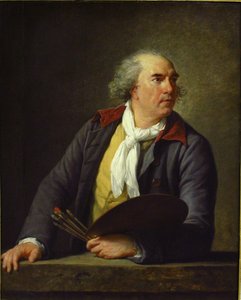
Hubert Robert
1733 - 1808 , Fransa
Kısa Bilgiler
- Bu Sanatçıdan Etkilenenler: ['Romantizm']
- Doğum Tarihi: 22 Mayıs 1733
- Doğum Yeri: Paris, Fransa
- Etkilendiği Sanatçılar:
- Giovanni Panini
- Piranesi
- Sanatsal Akım: Romantizm, Neoklasisizm
- Tam Adı: Hubert Robert
- Uyruğu: Fransız
- Ölüm Tarihi: 15 Nisan 1808
- Önemli Eserleri:
- Roma Limanı
- Galatea'nın Uçuşu
- Louvre Galerisi
İlgili Yazılar
St. Petersburg Hermitage Müzesi'nin En İkonik 25 Eseri: Sanatın Kalbinde Bir Yolculuk
St. Petersburg Hermitage Müzesi'nin en ikonik 25 eserini keşfedin! Leonardo da Vinci, Rembrandt ve Vermeer gibi ustaların hikayelerini öğrenin. Ev dekorasyonunuz için ilham alın ve sanatın büyülü dünyasına OriginalUniqueArt.com ile adım atın.

Romantik Resmin Zirveleri: Evinizi Sanatla Süsleyen 10 Usta Manzara
Romantizm sanatının en etkileyici 10 başyapıtını keşfedin! Friedrich, Turner gibi ustaların büyüleyici manzaralarıyla evinizi dönüştürün. Sanat tarihi ve dekorasyon rehberi OriginalUniqueArt.com'da tüm koleksiyonu inceleyin.

Evocations of Place: A Historical Journey Through Landscape Art
Explore the rich history of landscape art with OriginalUniqueArt. Discover renowned artists, movements like Impressionism & Romanticism, and expert guidance for collecting timeless pieces. Find your perfect serene escape today!

Hubert Robert: Picturing Ruins, Preserving Memory – A Study of Romantic Antiquarianism & Artistic Innovation
Explore the captivating world of Hubert Robert, master of Romantic landscape painting & 'capriccio' ruins. Discover his historical context, artistic innovations, and collecting insights with OriginalUniqueArt.

John Constable'ın En İyi 25 Eseri: İngiliz Manzaralarının Büyüsü OriginalUniqueArt'ta
John Constable'ın en iyi 25 eserini keşfedin! İngiliz manzara sanatının büyülü dünyasına dalın, romantizm akımını ve kırsal yaşamı yansıtan tablolarla evinizi zenginleştirin. Sanat reproduksiyonları OriginalUniqueArt'ta.