Önizle
 Gönder
 Paylaş
 Detaylar
 Rehber

 Dosyayı İndir
 Benzerleri
 X-Işını
 Slayt Gösterisi
 İstatistikler
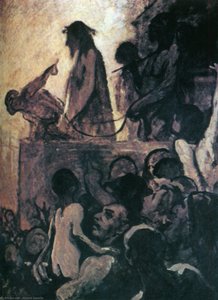
Ratapoil


 Devamını Oku
El Yapımı Yağlı Boya Reproduksiyon
Sanatçılarımız tarafından sipariş üzerine hazırlanan; istediğiniz boyut ve çerçevede, tuval üzerine el boyaması yağlı boya. ( Baskı Satışına Geç Dijital Görsel Satışına Geç)




P118B ₺10

P118H ₺10

P118W ₺10

P438Z ₺10

P508JH ₺12

P508YH ₺12

P805H ₺10

P805Z ₺10

P919BZ ₺10

P919G ₺10

P919XJ ₺10

P959ZH ₺10

P968JZ ₺12

W106C ₺8

W218G ₺10

W218JH ₺8

W218Y ₺10

W307PJ ₺10

W316G ₺10

W316PJ ₺8

W316Y ₺10

W398PJ ₺8

W4111J ₺10

W500HY ₺15

W500JH ₺15

W692G ₺12

W849H ₺8

W940BG ₺15

W953PJ ₺8




Eserin orijinal oranlarıyla uyumlu, önceden belirlenmiş boyutlarımız arasından seçim yapın.

Çerçevenize veya duvarınıza uygun olması için ihtiyacınız olan genişliği ve yüksekliği yazın. Bu eser el boyamasıdır; bu nedenle farklı bir formdaki boyutlar için sanatçı, resmin etrafına biraz daha fazla boya ekleyebilir veya biraz daha kırpabilir — seçim sizin. Boyama işlemi başlamadan önce onaylamanız için size bir dijital taslak gönderiyoruz. Bu sayfada gösterilen resim gerçek sonucu yansıtmamaktadır — gerçek sonucu yalnızca taslak göstermektedir.
Siparişten sonra, OriginalUniqueArt.com ekibi talimatlar için müşteriye e-posta gönderecek ve bir taslak önizleme sunacaktır
Dünya Çapında Teslimat (); standart 5 hafta yerine 3/4 haftada. (25 Ekim). Kaliteden ödün verilmez.

Dünya Çapında Ücretsiz Ekspres Kargo

Yüksek Kaliteli Keten Tuval

Tam Nakliye Sigortası

Gümrük Vergisi İadesi Garantisi

Gerçek Renk Uyumu Garantisi

100 Günlük İade Koşulları (Sadece Üretim Hatalı Ürünler İçin)

%100 Para İade Garantisi

Toplu Alım Avantajı
 Cam seçeneği yalnızca 110 cm altındaki boyutlar için mevcuttur.

Ratapoil
Baskı Tekniği
Baskı Boyutu
-


Toplam Fiyat
₺ 14673
The Weight of Satire: Honoré Daumier’s “Ratapoil”
Honoré Daumier's "Ratapoil," created in 1850, isn’t merely a sculpture; it’s a distilled embodiment of the anxieties and frustrations simmering beneath the surface of mid-19th century France. This arresting figure, rendered in cast iron with a deliberate roughness that mirrors its subject matter, captures a moment of profound disillusionment – a silent indictment of societal hypocrisy and the precariousness of human existence. The sculpture’s power lies not just in its visual impact but in the potent historical context from which it emerged, reflecting the political unrest and social commentary prevalent during Daumier's prolific career.
A Portrait of Discontent: Form and Technique
Daumier’s technique is immediately striking. The figure stands with a pronounced limpness, leaning heavily on his cane – a visual metaphor for the burden of societal expectations and the limitations imposed upon him. The pose itself, a studied awkwardness, suggests a man weary of pretense and burdened by unseen struggles. Notice the deliberate imperfections in the cast iron; these aren’t flaws but rather integral to the sculpture's character, mirroring the rough edges of reality. The artist masterfully employed a technique known as "lost wax casting," allowing for intricate detail while maintaining a robust physicality. The surface is deliberately left unpolished, emphasizing the material’s inherent texture and adding to the sense of weathered resilience.
Symbolism in the Details: The Man and His Cane
“Ratapoil” derives its name from a popular Parisian slang term for a “grumble-head,” someone prone to complaining. The figure’s expression is ambiguous, neither overtly angry nor mournful, but rather filled with a quiet resignation – a weary acceptance of his fate. The cane isn't simply a walking aid; it represents the tools he uses to navigate a world that seems determined to trip him up. It’s a symbol of both support and limitation, highlighting the complex relationship between individual agency and societal constraints. The man’s attire, simple and unadorned, further underscores his lack of privilege and reinforces the sculpture's message about social inequality.
Daumier’s Social Critique: A Voice for the Voiceless
Honoré Daumier was a pivotal figure in the development of French Realism. He used caricature, satire, and unflinching observation to expose the injustices and absurdities of his time. “Ratapoil” is part of a larger body of work that challenged the established order – depicting the lives of laborers, the plight of the poor, and the corruption within the political elite. Daumier’s art wasn't intended as mere entertainment; it was a deliberate act of social critique, offering a voice to those marginalized by society. His ability to capture the essence of human experience with such raw honesty cemented his legacy as one of France’s most important artists.
Bringing “Ratapoil” Home: Reproduction and Artistic Impact
Reproductions of "Ratapoil" offer a remarkable opportunity to bring this powerful work into any interior space. The sculpture's inherent drama and symbolic weight make it an ideal addition to collections focused on social commentary, 19th-century art, or simply those seeking pieces that evoke contemplation and provoke thought. When displayed, “Ratapoil” serves as a potent reminder of the enduring relevance of Daumier’s message – a timeless exploration of human resilience in the face of adversity. Consider pairing it with other works that address themes of social justice or personal struggle to create a conversation within your collection.
Soru ve Cevaplar
Honoré Daumier imzalı "Ratapoil" eserinin baskısı için hangi boyut ve yönlendirme önerilir?
"Ratapoil" için önerilen baskı düzeni, Medium boyutunda ve Portrait yönlendirmesindedir.
Honoré Daumier imzalı "Ratapoil" eserinin formatına hangi yerleşim uygundur?
Honoré Daumier imzalı "Ratapoil" için kaydedilen iki yerleşim bilgisi; format (Portrait) ve önerilen alandır (Living Room).
Honoré Daumier imzalı "Ratapoil" eserinin renkleri ne kadar uyumlu?
"Ratapoil" eserinin renk uyumu Strong Color Unity olarak kaydedilmiştir.
Sanatçı Biyografisi
Onur Daumier’nin Hayatı ve Sanatsal Yolculuğu: Hicivle İşlenmiş Bir Yaşam
1808 yılında Marsilya'da doğan Honoré-Victorin Daumier, 19. yüzyıl Fransa'sının çalkantılı akımlarıyla derinden iç içe bir yaşam sürmüştür. Babasının şiirsel tutkuları ve ardından 1814’te Paris’e taşınmasıyla erken çocukluğu, sanatsal enerjiyle dolu bir şehirde geçmiştir. Başlangıçta hukuk kariyerine yönlendirilse de genç Daumier'nin eğilimi kaçınılmaz olarak sanata doğru kaymıştır. Alexandre Lenoir’in atölyesinde çıraklık yapmış, klasik etkilerin yanı sıra Rubens’in dramatik ışık-gölge oyunlarına olan takdirini geliştirmiş ve Académie Suisse’de becerilerini daha da keskinleştirmiştir. Bu temel eğitim, gerçekçilik ve dışavurumcu çizim yeteneğinin güçlü bir karışımını şekillendirecek belirleyici bir rol oynamıştır. Ancak Daumier'ı tanımlayan yalnızca sanatsal teknik değildi; çevresindeki sosyal adaletsizliklere ve politik absürtlüklerine karşı derin bir duyarlılıktı.Keskin Kalem: Karikatür ve Toplumsal Eleştiri
Daumier’nin kariyeri, Fransız tarihinin seyrini değiştiren 1830 Devrimi'nden sonra gerçek anlamda ivme kazanmıştır. Bu olay, hem Fransız tarihinde bir dönüm noktası olmuş hem de onun gelişen hiciv yeteneği için verimli bir zemin hazırlamıştır. Kısa sürede usta bir litograf olarak tanınmış, başlangıçta çeşitli yayınlara anonim olarak katkıda bulunmuş, ardından Charles Philipon tarafından kurulan bağımsız çizgi roman dergisi *Le Charivari* ile ün kazanmıştır. Daumier’nin dehası tam da burada filizlenmiştir. Karikatürleri sadece eğlenceli tasvirler değildi; burjuvaziye, hukuk sistemine ve siyasi çevreye yönelik sert eleştirilerdi. Kral Louis-Philippe'i korkusuzca hicvetmiş ve özellikle keskin bir karikatürü nedeniyle 1832’de altı aylık hapis cezası almıştır. Bu deneyim onu susturmak yerine, sanatı aracılığıyla ikiyüzlülüğü açığa çıkarma ve otoriteye meydan okuma konusundaki kararlılığını daha da pekiştirmiştir. Litografileri birer görsel manifesto haline gelmiş, zamanının toplumsal sorunlarına yönelik eleştirel yorumları yansıtmıştır. Bu dönemdeki üretkenliği hayret vericidir; hem popüler eğlence hem de güçlü politik beyanlar olarak hizmet veren binlerce litografi yapmıştır.Karikatürün Ötesinde: Resim ve Heykel Vizyonları
Daumier genellikle litografisiyle anılsa da, onu yalnızca karikatürist olarak tanımlamak büyük bir eksiklik olurdu. Hayatının ilerleyen dönemlerinde ressam ve heykeltıraş olarak da kendini adamış, ancak bu eserleri için tanınması daha sonra gelmiştir. Paris yaşamının sıradan sahnelerini tasvir eden tabloları—üçüncü sınıf vagonlar, çamaşırcılar, avukatlar—derin bir gerçekçilik ve empati duygusuyla doludur. İdealize edilmiş tasvirler değil, aksine zorlukların ve mücadelelerin acımasızca yansıtılmasıdır. Gevşek fırça darbeleri ve dramatik ışık kullanımıyla duygu ve atmosferi ustalıkla aktarmış, İzlenimcilerin daha sonra benimsediği bazı teknikleri önceden sezmiştir. Hayatının büyük bir bölümünde pişmemiş halde kalan kil heykelleri ise insan formunu dürüstlükle yakalama ve fiziksel hareket yoluyla psikolojik karmaşıklığı ifade etme konusundaki olağanüstü yeteneğini ortaya koymaktadır. Ölümünden sonra keşfedilen bu heykeller, modelleme konusunda dikkate değer bir yetenek ve duygusal derinliği yansıtma becerisini göstermektedir.Kalıcı Miras: Etkisi ve Tarihi Önemi
Honoré Daumier’nin sanat tarihine etkisi tartışılmazdır. Romantizm ile Gerçekçilik arasındaki boşluğu kapatmış, dünyayı olduğu gibi—kusurlarıyla birlikte—tasvir etmeye çalışan gelecek nesil sanatçılar için yolu açmıştır. Acımasız toplumsal eleştirisi Gustave Courbet ve Édouard Manet gibi sanatçıları etkilemiş, yenilikçi litografi kullanımı ise baskı sanatında devrim yaratmıştır. Eserleri bugün de yankılanmaya devam ediyor; sanata otoriteye meydan okuma, adaletsizliği açığa çıkarma ve insan durumuna tanıklık etme gücünü hatırlatıyor. Paris’teki Musée d'Orsay, tablolarının ve heykellerinin önemli bir koleksiyonunu barındırarak ziyaretçilere canlı bir şekilde tasvir ettiği dünyaya bir bakış sunuyor. Litografileri ise OriginalUniqueArt gibi koleksiyonlar aracılığıyla geniş kitlelere ulaşılabilir hale getirilerek hicivsel dehasının düşünce uyandırmaya ve diyaloğu teşvik etmeye devam etmesini sağlıyor. Daumier sadece bir sanatçı değil, aynı zamanda zamanının kronikeriydi—sesi olmayanlara ses veren ve gücü hesaba çeken görsel bir şairdi. Mirası, sanatın toplumsal değişim için kalıcı gücünün bir kanıtı olarak duruyor.
Honoré Daumier
1808 - 1879 , Fransa
Kısa Bilgiler
- Bu Sanatı Etkileyenler:
- Alexandre Lenoir
- Jacques-Louis David
- Doğum Tarihi: 26 Şubat 1808
- Doğum Yeri: Marseille, Fransa
- Etkilediği Sanatçılar:
- Empresyonizm
- Modern Sanat
- Sanatsal Akım: Realizm, Satir
- Tam Adı: Honoré-Victorin Daumier
- Uyruğu: Fransız
- Ölüm Tarihi: 10 Şubat 1879
- Önemli Eserleri:
- Rue Transnonain
- Les gens de justice
- Ecce Homo
İlgili Yazılar
Honoré Daumier: Social Commentary & Artistic Innovation in 19th-Century France
Explore the life & work of Honoré Daumier, a master of 19th-century French realism and satire. Discover his powerful lithographs, paintings, and sculptures critiquing society – and his lasting influence on modern art.

The Enduring Form: Sculpture Across History, Technique & Emotional Resonance
Explore the rich history of sculpture with OriginalUniqueArt. Discover key techniques, influential artists & investment potential for discerning collectors. Expert insights into valuing and collecting timeless masterpieces.

The Enduring Form: Exploring Themes & Techniques in Sculpture Across Historical Periods
Explore the rich history of sculpture from ancient masterpieces to contemporary innovations. Discover key techniques, influential artists & investment potential for discerning art collectors.

Bronze Sculptures That Defined Art History | OriginalUniqueArt
Journey through art history with our Top 10 bronze sculptures! Explore masterpieces by Rodin, Michelangelo & more. Discover stories behind iconic statues and find museum-quality reproductions for your home decor at OriginalUniqueArt.com.

Bronze Age to Modern Masters: 10 Sculptures That Redefined Art | OriginalUniqueArt
Journey through art history with 10 legendary bronze sculptures – from Michelangelo's David to Rodin’s Thinker. Explore the stories, techniques & timeless beauty of these masterpieces. Find museum-quality reproductions & elevate your home decor on OriginalUniqueArt.com.