Önizle
 Gönder
 Paylaş
 Detaylar
 Rehber

 Dosyayı İndir
 Benzerleri
 X-Işını
 Slayt Gösterisi
 İstatistikler
Ölüm ve Cimdi
 Panel Üzerine Yağlı Boya
- Early Netherlandish Painting
 1490
1490- Rönesans
 31.0 x 93.0 cm
 National Gallery of Art
 Devamını Oku
Giclée / Sanat Baskısı
Hızlı üretim ve esnek bitiş seçenekleriyle müze kalitesinde giclée veya kanvas baskı. ( El Yapımı Tablo Satın Al Dijital Görsel Satışına Geç)




P118B ₺10

P118H ₺10

P118W ₺10

P438Z ₺10

P508JH ₺12

P508YH ₺12

P805H ₺10

P805Z ₺10

P919BZ ₺10

P919G ₺10

P919XJ ₺10

P959ZH ₺10

P968JZ ₺12

W106C ₺8

W218G ₺10

W218JH ₺8

W218Y ₺10

W307PJ ₺10

W316G ₺10

W316PJ ₺8

W316Y ₺10

W398PJ ₺8

W4111J ₺10

W500HY ₺15

W500JH ₺15

W692G ₺12

W849H ₺8

W940BG ₺15

W953PJ ₺8




Eserin orijinal oranlarıyla uyumlu, önceden belirlenmiş boyutlarımız arasından seçim yapın.

Çerçevenize veya duvarınıza uygun olması için ihtiyacınız olan genişlik ve yüksekliği yazın. Bir baskı yalnızca kesilebilir, görselden daha büyük hale getirilemez; bu nedenle farklı bir formdaki boyut seçimi, görselin bir kısmının kaybına neden olur. Herhangi bir baskı yapmadan önce onaylamanız için size bir dijital taslak gönderiyoruz. Bu sayfada gösterilen resim gerçek kesimi göstermez — bunu yalnızca taslak gösterir.
Dünya Çapında Teslimat (); standart 4/5 hafta yerine 2 haftada. (22 Ekim)

Dünya Çapında Ücretsiz Ekspres Kargo

Yüksek Kaliteli Keten Tuval

Tam Nakliye Sigortası

Gümrük Vergisi İadesi Garantisi

Gerçek Renk Uyumu Garantisi

100 Günlük İade Koşulları (Sadece Üretim Hatalı Ürünler İçin)

%100 Para İade Garantisi

Toplu Alım Avantajı
 Cam seçeneği yalnızca 110 cm altındaki boyutlar için mevcuttur.

Ölüm ve Cimdi
Giclée / Sanat Baskısı
Baskı Boyutu
-


Toplam Fiyat
₺ 3909
Hieronymus Bosch’ın ‘Ölüm ve Tüccar’ı: Ölümün Derin Bir Yansıması
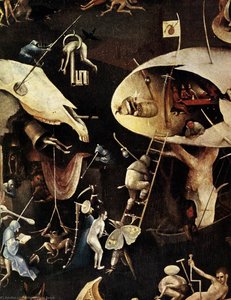
Hieronymus Bosch, Kuzey İspanya Rönesansının en gizemli ve etkileyici figürlerinden biri olarak kabul edilir. ‘Ölüm ve Tüccar’ (Part) adlı bu eser, onun eşsiz sanatsal dünyasının bir kanıtıdır ve günümüzde National Gallery of Art’ta sergilenmektedir. 31 x 93 cm boyutlarındaki yağlı boya panoya bakıldığında, Bosch’un sadece bir ressam değil, aynı zamanda derin felsefi ve dini düşünceleri yansıtan bir vizyoner olduğu anlaşılır.
Eser, ölümün kaçınılmazlığını ve dünyevi zenginliklerin geçiciliğini vurgulayan güçlü sembollerle dolu bir sahne sunar. Ölüm, kemikli bir figür olarak, tüccarın yatağının yanından çıkarak üzerine oklar saplanmıştır. Yükselen bir melek, ona Hristiyan işareti yapan çapı görmeye davet ederken, şeytan ise büyük bir kese altın teklif ederek dünyevi hazların cazibesini temsil eder. Yatakta uzanan tüccar, yeşil renkli kıyafetleri içinde, bastonu ve haç duasını elinde tutarak son nefeslerini verirken tasvir edilir. Sahnenin zemininde, bıçak, para, zırh ve mektuplar gibi tüccarın sahip olduğu eşyalar yer alır; bunlar, dünyevi malvarlığının anlamsızlığını simgeler.
Erken Rönesans’ın Ruhunu Yansıtan Bir Eser
‘Ölüm ve Tüccar’, 15. yüzyılın popüler ‘Ölüme İyi Ölme Sanatı’ (Ars moriendi) el kitaplarından ilham alınarak yaratılmıştır. Bu kitaplar, Hristiyanların nasıl yaşamaları ve ölmemeleri gerektiğini öğretir. Bosch’un eseri, bu gelenekselin bir yansımasıdır ve ölümün kaçınılmazlığını ve maddi zenginliklerin boşluğunu hatırlatır. Eser, aynı zamanda Early Netherlandish resminin karakteristik özelliklerini de barındırır: detaycılık, gerçekçilik ve sembolik anlatım.
Eserin teknik açıdan incelenmesi, Bosch’un ustalık derecesini gözler önüne serer. Yağlı boya tekniği sayesinde renklerin akıcı bir şekilde harmanlandığı, dokuların hassas bir şekilde modellenmiş olduğu görülür. Bu detaycılık, o dönemde Netherlandish resminin en önemli özelliklerinden biriydi ve Bosch’un eserlerine benzersiz bir değer katmıştır.
Duygusal Etki ve Sembolik Anlam
'Ölüm ve Tüccar', izleyicisine derin duygusal bir etki bırakır. Eser, ölümün korkutucu gerçekliğini ve dünyevi hazların geçici olduğunu hatırlatır. Aynı zamanda, tüccarın çaresizliği ve umutsuzluğu, insan doğasının karanlık yönlerini yansıtır. Bosch’un eseri, sadece bir resim değil, aynı zamanda bir uyarı niteliğindedir; bizi dünyevi şeylerden uzaklaşmaya ve ruhsal değerlere odaklanmaya teşvik eder.
Bu çarpıcı eser, hem sanatseverler hem de koleksiyonerler için büyük bir ilgi odağıdır. Yüksek kaliteli bir baskısı, herhangi bir dekoratif alanın atmosferini değiştirecek ve izleyicisine Bosch’un sanatsal vizyonunu taşıyacaktır.
Eser Hakkında Bilgiler
- Sanatçı: Hieronymus Bosch
- Eser Adı: Ölüm ve Tüccar (Part)
- Müze: National Gallery of Art
- Teknik: Yağlı Boya Panoya Uygulama
- Boyutlar: 31 x 93 cm
- Yıl: 1490
Daha Fazla Keşif
Bosch’un diğer eserlerini keşfetmek isteyenler için Hieronymus Bosch: Ölüm ve Tüccar (Part) OriginalUniqueArt'da bulunmaktadır. Ayrıca, National Gallery of Art’ın bu eseri hakkında daha fazla bilgi sağladığı yayınları inceleyebilirsiniz.
Soru ve Cevaplar
"Ölüm ve Cimdi" genel olarak daha mı açık yoksa daha mı koyu tonlarda?
Jheronimus Bosch imzalı "Ölüm ve Cimdi" için kaydedilen değerler şöyledir: dengeli parlaklık, Yumuşak Gölgeler aydınlık.
"Ölüm ve Cimdi", Jheronimus Bosch’in sıkça işlediği konular arasında nerede duruyor?
Jheronimus Bosch'in yinelenen temaları ars moriendi, memento mori, religious symbolism, moral instruction, bosch’s unique style içerir; "Ölüm ve Cimdi" ise mortality, greed, symbolism, death, miser, redemption, netherlandish üzerine odaklanır.
"Ölüm ve Cimdi" baskısının kullanım alanı için ne önerilir?
"Ölüm ve Cimdi" baskısının önerilen kullanım alanı Beyan şeklindedir.
Sanatçı Biyografisi
A Netherlandish Enigma: The Life and Art of Hieronymus Bosch
Hieronymus Bosch, born around 1450 in ’s-Hertogenbosch, Netherlands—then part of Brabant—remains one of art history’s most perplexing figures. His world pulsed with late medieval religious fervor, folklore, and a creeping unease about societal change – forces that fueled his extraordinary artistic imagination. Descended from a family steeped in painting tradition—his grandfather, Jan van Aken, and father, Anthonius van Aken—Bosch likely honed his skills within the family workshop, absorbing the conventions of Netherlandish art while simultaneously forging his own distinctive path. Biographical details are frustratingly sparse; records offer tantalizing glimpses but leave much to speculation, enhancing the artist’s aura of mystery. He married Aleyt Goyaerts van den Meerveen sometime before 1481, securing a degree of financial stability through her family's holdings—though little else is known about his personal life.Fantastical Visions and Symbolic Depth
Bosch’s artistic style captivated audiences with its jarring juxtaposition of meticulous detail and hallucinatory imagery. Primarily working on oak panels using oil paint, he achieved luminous colors and intricate textures, surpassing the stylistic norms of his time. While early works mirrored traditional Netherlandish painting's realism, Bosch swiftly moved beyond mere imitation, developing a profoundly original vision rooted in medieval folklore and apocalyptic anxieties. His canvases aren’t simply representations; they are allegorical landscapes populated by bizarre creatures—grotesque demons, fantastical animals—and unsettling scenes that seem ripped from dreams. Religious themes dominate much of his oeuvre, but these are rarely straightforward depictions of biblical narratives. Instead, Bosch employed symbolism to explore complex moral and theological concepts, confronting viewers with the perils of sin, the allure of earthly pleasures, and the inevitability of divine judgment. His figures—human and monstrous alike—embodied vice, temptation, and spiritual corruption, creating a disconcerting effect that continues to resonate centuries later.Masterpieces of Moral Allegory
Bosch’s most celebrated achievement is undoubtedly *The Garden of Earthly Delights* (c. 1490-1510)—a triptych that remains one of art history's most debated works. When unfolded, it presents a panoramic vision of paradise, earthly life, and hell—a complex allegorical representation of humanity’s fall from grace. The left panel depicts Eden, brimming with fantastical flora and fauna; the central panel portrays a hedonistic world consumed by sensual desire; and the right panel offers a terrifying glimpse into infernal torment. Alongside *The Garden*, *The Last Judgement Triptych* (c. 1480-1490) powerfully conveys both heavenly bliss and divine retribution, while *Ascent of the Blessed* (c. 1480-1490) captures ethereal beauty—a testament to Bosch’s mastery of oil paint and his ability to evoke profound psychological states. Smaller works like *Epiphany* (c. 1495) showcase his innovative technique and intricate symbolism, revealing a mind perpetually wrestling with existential questions about faith, morality, and human nature.Influence and Legacy
Identifying Bosch’s direct influences is challenging due to the originality of his vision—though scholars suggest connections to medieval folklore, religious texts emphasizing apocalyptic themes, and societal anxieties surrounding heresy. Nevertheless, Bosch decisively surpassed stylistic conventions, establishing himself as a pioneer of Netherlandish painting and forging an artistic legacy that transcends time. His impact on subsequent artists is undeniable: Pieter Bruegel the Elder adopted similar thematic concerns and compositional approaches; Surrealist painters like Salvador Dalí and Max Ernst drew inspiration from Bosch’s dreamlike imagery and exploration of the subconscious. Even today, Bosch's unsettling visions continue to fascinate and provoke discussion—solidifying his place as a singular artist whose influence persists across artistic movements and generations. His paintings serve as invaluable windows into the intellectual and spiritual landscape of the late fifteenth and early sixteenth centuries, questioning established norms and paving the way for groundbreaking artistic expression. He died in 1516, leaving behind a body of work that continues to haunt and inspire—ensuring Bosch’s enduring status as one of art history's most unforgettable voices.
Jheronimus Bosch
1450 - 1516 , Hollanda
Kısa Bilgiler
- Artistic Movement Or Style: Surrealizm ve Sembolizm
- Artists Or Movements Influenced By This Artist: ['Pieter Bruegel']
- Date Of Birth: c. 1450
- Date Of Death: 1516
- Full Name: Hieronymus Bosch
- Nationality: Hollandalı
- Notable Artworks:
- Dünyanın Bahçesi
- Son Yargı Triptiği
- Tanrısal Çıkış
- Place Of Birth: Den Bosch, Netherlands
İlgili Yazılar
Hieronymus Bosch: Decoding the Visions of a Netherlandish Master
Explore the captivating world of Hieronymus Bosch! Delve into the symbolism, religious context, and artistic innovation of this Netherlandish master with OriginalUniqueArt's expert analysis. Discover his iconic paintings & lasting influence.
Kuzey Rönesansı'nın Zirveleri: Sanat Tarihini Şekillendiren 10 Başyapıt
Kuzey Rönesansı'nın en etkileyici 10 başyapıtını keşfedin! Van Eyck, Dürer gibi ustaların eserleriyle sanat tarihine yolculuk edin. Evinizi benzersiz sanatla süsleyin. OriginalUniqueArt.com'da tüm koleksiyonu inceleyin.
Hieronymus Bosch'un En İyi 25 Eseri: Sanat Tarihinin Gizemli Dehası | OriginalUniqueArt
Hieronymus Bosch'un en iyi 25 eserini keşfedin! Ortaçağ ve Rönesans sanatının gizemli dehası, dini sembolizm ve fantastik dünyalarıyla evinizi sanatsal bir şölene dönüştürün. Yüksek kaliteli tablolar OriginalUniqueArt’ta. Koleksiyonu inceleyin!
Museo del Prado'nun En İkonik 25 Eseri: Sanat Tarihine Yolculuk | OriginalUniqueArt
Museo del Prado'nun en ikonik 25 eserini keşfedin! Velázquez, Goya ve El Greco gibi İspanyol ressamlarının başyapıtları ile sanat tarihine yolculuk yapın. Ev dekorasyonunuz için lüks sanat baskıları OriginalUniqueArt.com'da sizi bekliyor.
Northern Mannerism: The Dramatic Evolution of Renaissance Art and the Mastery of Elegant Distortion
Explore the dramatic evolution of Northern Mannerism. Discover how masters like Bosch and Grünewald transitioned from Renaissance harmony to profound, elegant distortion through an expert analysis of symbolism, emotional intensity, and artistic innovation.