
 Önizle
 Gönder
 Paylaş
 Detaylar
 Rehber

 Dosyayı İndir
 Benzerleri
 X-Işını
 Slayt Gösterisi
 İstatistikler
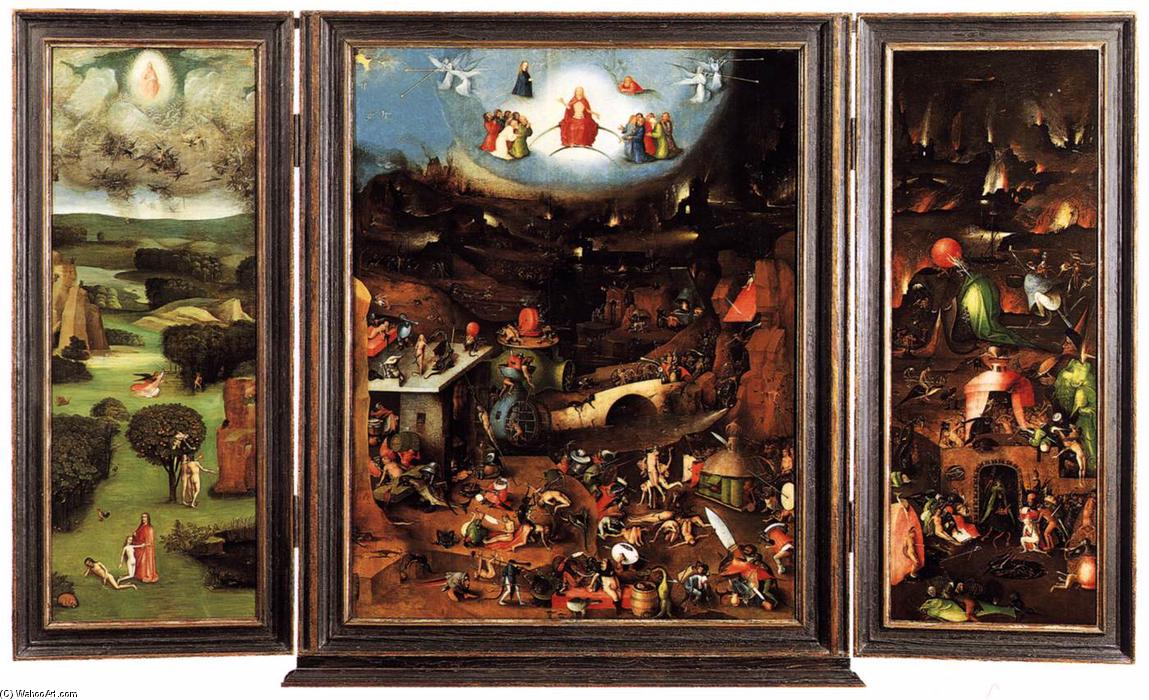
Last Judgement Triptych
 Tuval Üzerine Akrilik Boya
- Duvar Sanatı
- Early Netherlandish Painting
 1504
1504 163.0 x 128.0 cm
 Academy of Fine Arts Vienna
 Devamını Oku
Web önizlemesinin çok ötesinde, baskıya hazır bir dosya edinin. Sattığımız her dijital görüntü, stok veri tabanımızdaki yüksek çözünürlüklü bir ana dosyadan —genellikle 5.000 ila 15.000 piksel genişliğinde— gelir; böylece büyük boyutlarda baskı alabilir, dar kırpmalar yapabilir veya ince detayları güvenle yeniden üretebilirsiniz.
Stüdyomuzdan çıkan hiçbir dosya dokunulmadan çıkmaz. Bir dijital uzman, renkleri orijinal tabloyla karşılaştırarak kontrol eder ve gerekirse düzeltir; ardından profesyonel rötuş araçlarıyla netliği ve detayları artırır — bunu yaparken her zaman sanatçının fırça darbelerine ve üslubuna sadık kalır. Sonuç, filtrelenmiş bir tarama gibi değil, bizzat tablonun kendisi gibi görünen bir görüntüdür.
İşlem tamamlanmadan önce onay verirsiniz: Uzmanımız, incelemeniz için görseli 72 saat içinde e-posta yoluyla gönderir. Memnun kalmadınız mı? İyileştirme veya düzeltme talep edebilir ya da kalite beklentinizin altında kalırsa iade isteyebilirsiniz.
Yayıncıların, tasarım stüdyolarının, galerilerin ve matbaaların güvendiği kalite budur.
Dijital Görsel
Kişisel kullanım, baskı ve yaratıcı projeleriniz için yüksek çözünürlüklü bir dosya indirin. ( Baskı Satışına Geç El Yapımı Tablo Satın Al)
Her Dijital Görüntü Siparişine Dahil Olanlar
Profesyonel Dijital Teslimat Garantisi
OriginalUniqueArt.com seçtiğinizde, sadece bir görsel edinmekle kalmaz; titizlikle hazırlanmış, profesyonelce iyileştirilmiş dijital bir sanat eserine sahip olur ve memnuniyet garantisiyle güvence altına alınırsınız. Siparişinizle birlikte otomatik olarak sunulan her şey şunlardır:

Hızlı E-posta ile Teslimat
Yüksek çözünürlüklü dijital görüntü dosyanız, siparişinizin ardından en geç 72 saat içinde e-posta ile size gönderilecek ve hemen kullanıma hazır olacaktır.

Yapay Zeka Destekli Dijital Dosya
Sanat eseriniz; maksimum detay, netlik ve renk doğruluğu sağlamak amacıyla gelişmiş yapay zeka araçları ve manuel düzenleme kullanılarak profesyonelce optimize edilmektedir.

Ömür Boyu Ücretsiz Yeniden Gönderim
Dosyanızı yanlışlıkla mı sildiniz yoksa kayıp mı oldu? Endişelenmeyin; dosyanızı dilediğiniz zaman size ücretsiz olarak tekrar göndereceğiz.

Asla İthalat Ücreti Ödemeyin
Sanat eserinizin tadını gümrük vergisi, harç veya teslimat ücreti ödemeden anında çıkarın; dijital indirmeler her zaman vergiden muaftır.

Renk Doğruluğu Garantisi
Profesyonel araçlar ve renk yönetimi kullanarak dijital görselinizin orijinal renklere mümkün olduğunca yakın yansıtılmasını sağlıyoruz.

100 Günlük Memnuniyet Garantisi
If you're not satisfied with your digital image, we'll revise it or refund 100% within 100 days - no questions asked.

100% Para İadesi Garantisi
Memnun kalmadınız mı? Dijital dosyanızı teslim aldıktan sonraki 100 gün içinde, hiçbir soru sorulmaksızın tam para iadesi alabilirsiniz.

Toplu Sipariş İndirimleri
Buy 3 images, save 10% - Buy 5, save 15% - Buy 10+, save 20%. Great for creative projects, galleries, and agencies.
A Symphony of Suffering and Divine Justice
Hieronymus Bosch’s “Last Judgement Triptych,” completed around 1504, stands as one of the most unsettling and profoundly symbolic masterpieces of the Early Netherlandish Renaissance. More than just a depiction of biblical prophecy, it's an immersive experience into a realm of grotesque imagination—a visual distillation of Bosch’s preoccupation with mortality, sin, and God’s inescapable judgment.
The Anatomy of Hell
Painted on oak panels in oil tempera and gold leaf, the triptych assaults the senses with its sheer scale and disturbing imagery. Bosch abandons traditional religious iconography for a visceral portrayal of hell—a landscape populated by monstrous creatures, tormented souls, and grotesque distortions of human form. The central panel dominates the composition, presenting an infernal panorama teeming with demons, tortured figures, and symbolic representations of damnation.
Genesis Revisited: A Tale of Temptation and Expulsion
The left wing recounts the biblical narrative of Adam and Eve’s fall from grace. Bosch meticulously recreates the Garden of Eden, populated by exquisitely rendered angels battling for dominion over souls. The depiction of Eve succumbing to Lucifer's temptation is fraught with psychological tension—a moment of profound moral transgression captured in breathtaking detail. Above all, Bosch portrays God extracting Eve from Adam’s rib, symbolizing the divine creation and the subsequent corruption of humanity.
The Triumph of Faith Amidst Chaos
Moving to the right wing, Bosch presents a vision of Heaven—a serene tableau dominated by angelic figures and saints. The upper archway showcases Jesus Christ enthroned in majesty, surrounded by Mary and John the Baptist, embodying divine compassion and righteousness. Below this celestial scene is Noah carrying the ark over his head, symbolizing salvation from impending catastrophe. The panel’s meticulous execution underscores Bosch's belief in the ultimate triumph of faith over darkness.
Symbolism Unleashed: Decoding Bosch’s Vision
Beyond its visual spectacle, “Last Judgement” is laden with symbolism—a language of grotesque imagery designed to provoke contemplation and instill fear. Bosch employs recurring motifs—such as serpents, skulls, and tormented faces—to convey the pervasive influence of sin and death. The artist’s masterful use of color—particularly the vibrant reds and yellows of hell contrasted against the muted tones of heaven—amplifies the emotional impact of the scene.
A Legacy of Horror
“Last Judgement” cemented Bosch's reputation as a visionary artist who dared to confront the darkest aspects of human experience. Its influence extended far beyond its time, inspiring artists and writers for centuries to come—a testament to Bosch’s enduring power to unsettle and inspire.
Soru ve Cevaplar
Jheronimus Bosch imzalı "Last Judgement Triptych" eserini odamda görmek için artırılmış gerçekliği kullanabilir miyim?
"Last Judgement Triptych" için bir artırılmış gerçeklik önizlemesi mevcut: eserin AR Önizleme sayfası, uyumlu bir cihazda eseri kendi alanınızda görmenizi sağlar.
Jheronimus Bosch imzalı "Last Judgement Triptych" için bir slayt gösterisi mevcut mu?
Jheronimus Bosch imzalı "Last Judgement Triptych", eserin Slayt Gösterisi sayfasında bir slayt gösterisi olarak görüntülenebilir.
Jheronimus Bosch imzalı "Last Judgement Triptych" adlı eser aydınlık mı yoksa karanlık bir sanat eseri mi?
Jheronimus Bosch imzalı "Last Judgement Triptych" eserinin algılanan parlaklığı gölge düzeyindedir. Bu değer, kullanılacağı mekanın ışığıyla uyumlu hale getirilebilir.
Sanatçı Biyografisi
A Netherlandish Enigma: The Life and Art of Hieronymus Bosch
Hieronymus Bosch, born around 1450 in ’s-Hertogenbosch, Netherlands—then part of Brabant—remains one of art history’s most perplexing figures. His world pulsed with late medieval religious fervor, folklore, and a creeping unease about societal change – forces that fueled his extraordinary artistic imagination. Descended from a family steeped in painting tradition—his grandfather, Jan van Aken, and father, Anthonius van Aken—Bosch likely honed his skills within the family workshop, absorbing the conventions of Netherlandish art while simultaneously forging his own distinctive path. Biographical details are frustratingly sparse; records offer tantalizing glimpses but leave much to speculation, enhancing the artist’s aura of mystery. He married Aleyt Goyaerts van den Meerveen sometime before 1481, securing a degree of financial stability through her family's holdings—though little else is known about his personal life.Fantastical Visions and Symbolic Depth
Bosch’s artistic style captivated audiences with its jarring juxtaposition of meticulous detail and hallucinatory imagery. Primarily working on oak panels using oil paint, he achieved luminous colors and intricate textures, surpassing the stylistic norms of his time. While early works mirrored traditional Netherlandish painting's realism, Bosch swiftly moved beyond mere imitation, developing a profoundly original vision rooted in medieval folklore and apocalyptic anxieties. His canvases aren’t simply representations; they are allegorical landscapes populated by bizarre creatures—grotesque demons, fantastical animals—and unsettling scenes that seem ripped from dreams. Religious themes dominate much of his oeuvre, but these are rarely straightforward depictions of biblical narratives. Instead, Bosch employed symbolism to explore complex moral and theological concepts, confronting viewers with the perils of sin, the allure of earthly pleasures, and the inevitability of divine judgment. His figures—human and monstrous alike—embodied vice, temptation, and spiritual corruption, creating a disconcerting effect that continues to resonate centuries later.Masterpieces of Moral Allegory
Bosch’s most celebrated achievement is undoubtedly *The Garden of Earthly Delights* (c. 1490-1510)—a triptych that remains one of art history's most debated works. When unfolded, it presents a panoramic vision of paradise, earthly life, and hell—a complex allegorical representation of humanity’s fall from grace. The left panel depicts Eden, brimming with fantastical flora and fauna; the central panel portrays a hedonistic world consumed by sensual desire; and the right panel offers a terrifying glimpse into infernal torment. Alongside *The Garden*, *The Last Judgement Triptych* (c. 1480-1490) powerfully conveys both heavenly bliss and divine retribution, while *Ascent of the Blessed* (c. 1480-1490) captures ethereal beauty—a testament to Bosch’s mastery of oil paint and his ability to evoke profound psychological states. Smaller works like *Epiphany* (c. 1495) showcase his innovative technique and intricate symbolism, revealing a mind perpetually wrestling with existential questions about faith, morality, and human nature.Influence and Legacy
Identifying Bosch’s direct influences is challenging due to the originality of his vision—though scholars suggest connections to medieval folklore, religious texts emphasizing apocalyptic themes, and societal anxieties surrounding heresy. Nevertheless, Bosch decisively surpassed stylistic conventions, establishing himself as a pioneer of Netherlandish painting and forging an artistic legacy that transcends time. His impact on subsequent artists is undeniable: Pieter Bruegel the Elder adopted similar thematic concerns and compositional approaches; Surrealist painters like Salvador Dalí and Max Ernst drew inspiration from Bosch’s dreamlike imagery and exploration of the subconscious. Even today, Bosch's unsettling visions continue to fascinate and provoke discussion—solidifying his place as a singular artist whose influence persists across artistic movements and generations. His paintings serve as invaluable windows into the intellectual and spiritual landscape of the late fifteenth and early sixteenth centuries, questioning established norms and paving the way for groundbreaking artistic expression. He died in 1516, leaving behind a body of work that continues to haunt and inspire—ensuring Bosch’s enduring status as one of art history's most unforgettable voices.
Jheronimus Bosch
1450 - 1516 , Hollanda
Kısa Bilgiler
- Artistic Movement Or Style: Surrealizm ve Sembolizm
- Artists Or Movements Influenced By This Artist: ['Pieter Bruegel']
- Date Of Birth: c. 1450
- Date Of Death: 1516
- Full Name: Hieronymus Bosch
- Nationality: Hollandalı
- Notable Artworks:
- Dünyanın Bahçesi
- Son Yargı Triptiği
- Tanrısal Çıkış
- Place Of Birth: Den Bosch, Netherlands