Önizle
 Gönder
 Paylaş
 Detaylar
 Rehber

 Dosyayı İndir
 Benzerleri
 X-Işını
 Slayt Gösterisi
 İstatistikler
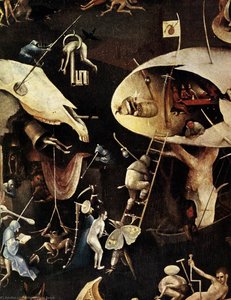
Hermit Saints Triptych (left panel)
 Oil On Panel
- WallArt
- Surrealist Movement
 1505
1505- Renaissance
 86.0 x 29.0 cm
 Palazzo Ducale
 Devamını Oku
Giclée / Sanat Baskısı
Hızlı üretim ve esnek bitiş seçenekleriyle müze kalitesinde giclée veya kanvas baskı. ( El Yapımı Tablo Satın Al Dijital Görsel Satışına Geç)




P118B ₺10

P118H ₺10

P118W ₺10

P438Z ₺10

P508JH ₺12

P508YH ₺12

P805H ₺10

P805Z ₺10

P919BZ ₺10

P919G ₺10

P919XJ ₺10

P959ZH ₺10

P968JZ ₺12

W106C ₺8

W218G ₺10

W218JH ₺8

W218Y ₺10

W307PJ ₺10

W316G ₺10

W316PJ ₺8

W316Y ₺10

W398PJ ₺8

W4111J ₺10

W500HY ₺15

W500JH ₺15

W692G ₺12

W849H ₺8

W940BG ₺15

W953PJ ₺8




Eserin orijinal oranlarıyla uyumlu, önceden belirlenmiş boyutlarımız arasından seçim yapın.

Çerçevenize veya duvarınıza uygun olması için ihtiyacınız olan genişlik ve yüksekliği yazın. Bir baskı yalnızca kesilebilir, görselden daha büyük hale getirilemez; bu nedenle farklı bir formdaki boyut seçimi, görselin bir kısmının kaybına neden olur. Herhangi bir baskı yapmadan önce onaylamanız için size bir dijital taslak gönderiyoruz. Bu sayfada gösterilen resim gerçek kesimi göstermez — bunu yalnızca taslak gösterir.
Dünya Çapında Teslimat (); standart 4/5 hafta yerine 2 haftada. (24 Ekim)

Dünya Çapında Ücretsiz Ekspres Kargo

Yüksek Kaliteli Keten Tuval

Tam Nakliye Sigortası

Gümrük Vergisi İadesi Garantisi

Gerçek Renk Uyumu Garantisi

100 Günlük İade Koşulları (Sadece Üretim Hatalı Ürünler İçin)

%100 Para İade Garantisi

Toplu Alım Avantajı
 Cam seçeneği yalnızca 110 cm altındaki boyutlar için mevcuttur.

Hermit Saints Triptych (left panel)
Giclée / Sanat Baskısı
Baskı Boyutu
-


Toplam Fiyat
₺ 3914
A Descent into Surreal Reflection
In the hauntingly beautiful left panel of Hieronymus Bosch’s Hermit Saints Triptych, viewers are invited to step into a dreamlike realm where the boundaries between reality and nightmare dissolve. Painted around 1505, this work serves as a profound testament to the artist's ability to distill the deep-seated anxieties of the High Renaissance into a single, visceral visual experience. The scene presents a desolate, rocky landscape that feels both ancient and otherworldly, teeming with a chaotic tableau of grotesque figures. As one gazes upon the panel, the eye is immediately drawn to the unsettling movement of animalistic creatures—birds with human faces and bizarre hybrids—that crawl across a terrain littered with decaying bones. This deliberate disregard for conventional perspective creates a pervasive sense of disorientation, pulling the observer into a world where the familiar has been irrevocably transformed by spiritual and psychological unrest.
The emotional impact of the piece is amplified by Bosch’s masterful use of light and shadow. Through a dramatic application of chiaroscuro, the artist creates an atmosphere of palpable dread, where deep blacks and earthy browns dominate the composition. Yet, amidst this oppressive darkness, sudden splashes of orange and red emanate from distant fires, acting as flickering reminders of chaos. A pale white highlight on a central figure serves as an unsettling beacon, emphasizing a sense of profound isolation and vulnerability against the encroaching gloom. For the collector or admirer, this interplay of light does more than just illuminate the scene; it breathes life into the very concept of spiritual struggle, making the artwork feel as though it is pulsing with a quiet, restless energy.
Symbolism and the Mastery of Technique
Beyond its surface-level strangeness, the panel is a rich tapestry of medieval Christian iconography. Bosch utilizes every element of the landscape to weave a narrative of moral consequence. The hermit figure, captured in a moment of deep contemplation or perhaps penitence, stands as a symbol of the soul's attempt to find solace amidst worldly corruption. Surrounding him, the grotesque creatures are not merely decorative oddities but are carefully crafted embodiments of temptation and vice. Even the presence of scattered bones serves as a poignant memento mori, prompting the viewer to reflect on the ephemeral nature of earthly existence and the inevitability of mortality. This layer of symbolic depth ensures that the artwork remains an intellectual journey as much as a visual one.
The technical execution of this panel reveals the meticulous craftsmanship characteristic of the Netherlandish tradition. Working with oil paints on a wooden panel, Bosch employed sophisticated layering and glazing techniques to achieve a remarkable tonal richness. This painstaking process allows for subtle gradations in color that capture the gritty textures of stone and the unsettling softness of flesh with astonishing accuracy. The intricate lines used to delineate each small, bizarre creature demonstrate a level of detail that rewards prolonged study. For those seeking to incorporate such a masterpiece into a curated space, a high-quality reproduction offers more than just decoration; it provides a window into the complex psyche of a visionary artist, bringing a sense of historical gravity and profound mystery to any interior setting.
Soru ve Cevaplar
Jheronimus Bosch imzalı "Hermit Saints Triptych (left panel)" eserinin renk kimliği nedir?
Jheronimus Bosch imzalı "Hermit Saints Triptych (left panel)", baskın rengin Black (#130b0c) olduğu Earthy bir palet kullanıyor.
"Hermit Saints Triptych (left panel)" adlı eser, Surrealist Movement akımının ünlü bir eseri mi?
Surrealist Movement akımı içerisinde, "Hermit Saints Triptych (left panel)" eseri Iconic düzeyinde bir popülerliğe sahiptir.
"Hermit Saints Triptych (left panel)" için hangi teknik kullanıldı ve ne zaman yapıldı?
"Hermit Saints Triptych (left panel)", 1505 yılında Oil On Panel tekniği kullanılarak üretilmiştir. Malzeme ve tarih, eserin orijinalinin nasıl ve ne zaman yapıldığını tanımlar.
Sanatçı Biyografisi
A Netherlandish Enigma: The Life and Art of Hieronymus Bosch
Hieronymus Bosch, born around 1450 in ’s-Hertogenbosch, Netherlands—then part of Brabant—remains one of art history’s most perplexing figures. His world pulsed with late medieval religious fervor, folklore, and a creeping unease about societal change – forces that fueled his extraordinary artistic imagination. Descended from a family steeped in painting tradition—his grandfather, Jan van Aken, and father, Anthonius van Aken—Bosch likely honed his skills within the family workshop, absorbing the conventions of Netherlandish art while simultaneously forging his own distinctive path. Biographical details are frustratingly sparse; records offer tantalizing glimpses but leave much to speculation, enhancing the artist’s aura of mystery. He married Aleyt Goyaerts van den Meerveen sometime before 1481, securing a degree of financial stability through her family's holdings—though little else is known about his personal life.Fantastical Visions and Symbolic Depth
Bosch’s artistic style captivated audiences with its jarring juxtaposition of meticulous detail and hallucinatory imagery. Primarily working on oak panels using oil paint, he achieved luminous colors and intricate textures, surpassing the stylistic norms of his time. While early works mirrored traditional Netherlandish painting's realism, Bosch swiftly moved beyond mere imitation, developing a profoundly original vision rooted in medieval folklore and apocalyptic anxieties. His canvases aren’t simply representations; they are allegorical landscapes populated by bizarre creatures—grotesque demons, fantastical animals—and unsettling scenes that seem ripped from dreams. Religious themes dominate much of his oeuvre, but these are rarely straightforward depictions of biblical narratives. Instead, Bosch employed symbolism to explore complex moral and theological concepts, confronting viewers with the perils of sin, the allure of earthly pleasures, and the inevitability of divine judgment. His figures—human and monstrous alike—embodied vice, temptation, and spiritual corruption, creating a disconcerting effect that continues to resonate centuries later.Masterpieces of Moral Allegory
Bosch’s most celebrated achievement is undoubtedly *The Garden of Earthly Delights* (c. 1490-1510)—a triptych that remains one of art history's most debated works. When unfolded, it presents a panoramic vision of paradise, earthly life, and hell—a complex allegorical representation of humanity’s fall from grace. The left panel depicts Eden, brimming with fantastical flora and fauna; the central panel portrays a hedonistic world consumed by sensual desire; and the right panel offers a terrifying glimpse into infernal torment. Alongside *The Garden*, *The Last Judgement Triptych* (c. 1480-1490) powerfully conveys both heavenly bliss and divine retribution, while *Ascent of the Blessed* (c. 1480-1490) captures ethereal beauty—a testament to Bosch’s mastery of oil paint and his ability to evoke profound psychological states. Smaller works like *Epiphany* (c. 1495) showcase his innovative technique and intricate symbolism, revealing a mind perpetually wrestling with existential questions about faith, morality, and human nature.Influence and Legacy
Identifying Bosch’s direct influences is challenging due to the originality of his vision—though scholars suggest connections to medieval folklore, religious texts emphasizing apocalyptic themes, and societal anxieties surrounding heresy. Nevertheless, Bosch decisively surpassed stylistic conventions, establishing himself as a pioneer of Netherlandish painting and forging an artistic legacy that transcends time. His impact on subsequent artists is undeniable: Pieter Bruegel the Elder adopted similar thematic concerns and compositional approaches; Surrealist painters like Salvador Dalí and Max Ernst drew inspiration from Bosch’s dreamlike imagery and exploration of the subconscious. Even today, Bosch's unsettling visions continue to fascinate and provoke discussion—solidifying his place as a singular artist whose influence persists across artistic movements and generations. His paintings serve as invaluable windows into the intellectual and spiritual landscape of the late fifteenth and early sixteenth centuries, questioning established norms and paving the way for groundbreaking artistic expression. He died in 1516, leaving behind a body of work that continues to haunt and inspire—ensuring Bosch’s enduring status as one of art history's most unforgettable voices.
Jheronimus Bosch
1450 - 1516 , Hollanda
Kısa Bilgiler
- Artistic Movement Or Style: Surrealizm ve Sembolizm
- Artists Or Movements Influenced By This Artist: ['Pieter Bruegel']
- Date Of Birth: c. 1450
- Date Of Death: 1516
- Full Name: Hieronymus Bosch
- Nationality: Hollandalı
- Notable Artworks:
- Dünyanın Bahçesi
- Son Yargı Triptiği
- Tanrısal Çıkış
- Place Of Birth: Den Bosch, Netherlands
İlgili Yazılar

Evocations of Place: A Historical Journey Through Landscape Art
Explore the rich history of landscape art with OriginalUniqueArt. Discover renowned artists, movements like Impressionism & Romanticism, and expert guidance for collecting timeless pieces. Find your perfect serene escape today!

Romantik Resmin Zirveleri: Evinizi Sanatla Süsleyen 10 Usta Manzara
Romantizm sanatının en etkileyici 10 başyapıtını keşfedin! Friedrich, Turner gibi ustaların büyüleyici manzaralarıyla evinizi dönüştürün. Sanat tarihi ve dekorasyon rehberi OriginalUniqueArt.com'da tüm koleksiyonu inceleyin.
Hieronymus Bosch: Decoding the Visions of a Netherlandish Master
Explore the captivating world of Hieronymus Bosch! Delve into the symbolism, religious context, and artistic innovation of this Netherlandish master with OriginalUniqueArt's expert analysis. Discover his iconic paintings & lasting influence.

John Constable'ın En İyi 25 Eseri: İngiliz Manzaralarının Büyüsü OriginalUniqueArt'ta
John Constable'ın en iyi 25 eserini keşfedin! İngiliz manzara sanatının büyülü dünyasına dalın, romantizm akımını ve kırsal yaşamı yansıtan tablolarla evinizi zenginleştirin. Sanat reproduksiyonları OriginalUniqueArt'ta.
Hieronymus Bosch'un En İyi 25 Eseri: Sanat Tarihinin Gizemli Dehası | OriginalUniqueArt
Hieronymus Bosch'un en iyi 25 eserini keşfedin! Ortaçağ ve Rönesans sanatının gizemli dehası, dini sembolizm ve fantastik dünyalarıyla evinizi sanatsal bir şölene dönüştürün. Yüksek kaliteli tablolar OriginalUniqueArt’ta. Koleksiyonu inceleyin!