Baskı Satışına Geç
 Devamını Oku







































 Herhangi bir kenarı 105 cm'den (yaklaşık 41 inç) büyük olan sanat eserleri veya reprodüksiyonlar için çerçeve, demonte edilmiş bir kit halinde gönderilecektir. Bu yöntem, güvenli teslimat sağlar ve taşıma sırasında oluşabilecek hasarları önler.


Paradise, Ascent of the Blessed
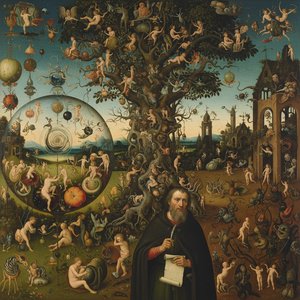
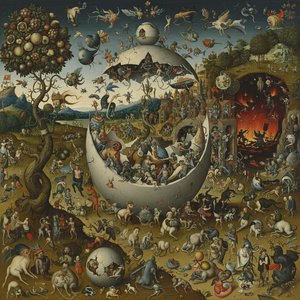
Hieronymus Bosch’s “Paradise, Ascent of the Blessed,” painted sometime after 1490, stands as an unparalleled achievement in Renaissance art and a haunting testament to the artist's singular vision. Housed within the Palazzo Ducale in Venice, Italy—a repository of Venetian artistic grandeur—this monumental polyptych offers viewers a journey into realms of theological contemplation and unsettling psychological exploration. Bosch’s masterpiece is not merely a depiction of biblical paradise; it’s an elaborate allegory grappling with fundamental questions about human morality and divine judgment.The Composition: A Journey Through Eternity
At its core lies a colossal tunnel—a gateway to the afterlife—dominated by radiant angels ascending towards celestial bliss. These figures, numbering at least thirteen, are interwoven into a complex tapestry of movement and gesture, creating an immersive experience for the eye. Bosch meticulously crafted this composition to mirror the biblical narrative of Genesis 2:8-14, where Adam and Eve ascend toward God’s throne after the Fall. However, unlike idealized depictions of paradise prevalent in Renaissance art, Bosch presents a scene fraught with tension—a battlefield of souls striving towards salvation amidst demonic interference. The tunnel's upward trajectory symbolizes aspiration and divine grace, while the surrounding figures embody both angelic benevolence and human vulnerability.Symbolism and Interpretation
Bosch’s genius resided in his masterful deployment of symbolism, reflecting the pervasive influence of medieval mysticism within his artistic milieu. Each element—from the grotesque flora and fauna adorning the tunnel walls to the tormented faces of ascending souls—holds profound significance. Demons lurk beneath the surface, representing temptation and despair, constantly attempting to pull individuals back from God’s embrace. The tunnel itself is interpreted as a metaphor for purgatory, where souls undergo purification before entering heaven. Bosch's meticulous attention to detail underscores his belief that earthly existence is perpetually shadowed by sin and mortality—a conviction powerfully conveyed through the painting’s unsettling imagery.Artistic Style: A Blend of Renaissance and Netherlandish Influence
“Paradise, Ascent of the Blessed” exemplifies Bosch’s distinctive artistic style—a fusion of Renaissance idealism with the expressive realism characteristic of the Dutch tradition. Executed in oil on panel, the painting showcases exceptional technical skill, particularly in capturing nuanced textures and conveying atmospheric depth. Bosch's training in Haarlem instilled him with a profound understanding of perspective and anatomical accuracy, yet he rejected conventional artistic conventions in favor of portraying disturbing visions imbued with psychological complexity. This stylistic hybridity distinguishes Bosch from many of his contemporaries and contributes to the painting’s enduring fascination—a testament to its ability to provoke contemplation and inspire awe.Reproductions at OriginalUniqueArt.com
For those seeking to immerse themselves in Bosch's visionary aesthetic, OriginalUniqueArt.com offers exquisite handmade oil painting reproductions crafted by skilled artisans. These faithful recreations capture the essence of Bosch’s original masterpiece, ensuring that each print embodies his artistic legacy—a captivating addition to any discerning collection. Explore Terrestrial Paradise for another glimpse into Bosch's profound exploration of the afterlife.- Artist: Hieronymus Bosch
- Painting Title: Paradise, Ascent of the Blessed
- Museum: Palazzo Ducale, Venice, Italy
- Style: Renaissance, Oil on panel
Soru ve Cevaplar
Jheronimus Bosch imzalı "Bağdat'ın Yükselişi" eserinin baskın rengi nedir?
Jheronimus Bosch imzalı "Bağdat'ın Yükselişi" eserinin baskın rengi Altın Sarısı Tonlar'dir. Bu renk, paletin temel tonunu oluşturur.
Jheronimus Bosch imzalı "Bağdat'ın Yükselişi" eserini farklı ışıklar altında görebilir miyim?
Jheronimus Bosch imzalı "Bağdat'ın Yükselişi" eserinin X-Ray görünümü, eserin X-Işını sayfasında yer almaktadır: on bir optik katman aracılığıyla görüntünün interaktif bir incelemesi.
"Bağdat'ın Yükselişi" eserinde teknik ve üslup nasıl birleşiyor?
Jheronimus Bosch imzalı "Bağdat'ın Yükselişi", Tuval Üzerine Yağlı Boya tekniğini Rönesans üslubuyla birleştiriyor. Teknik ve akım, eserin yapılış biçimini ve tarzını tanımlar.
 Önizle
 Gönder
 Paylaş
 Detaylar
 Rehber

 Dosyayı İndir
 Benzerleri
 X-Işını
 Slayt Gösterisi
 Q&A
Q&A İstatistikler