
 Gerçek Boyutta Önizle
 Paylaş
 Paylaş
 Detayları Gör
 Rehber

 İndir
İndir
 Benzer ürünler
 X-Işını
 Slayt Gösterisi
 Soru & Cevap
 İstatistikler
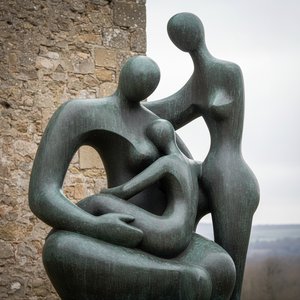
Gözcü Kız; ve Oturduğu Figür

 Tümünü Gör
Bu sayfada sergilenen eser telif hakkı yasasıyla korunmaktadır; bu da yasal olarak eserin birebir kopyasını oluşturamayacağımız veya satamayacağımız anlamına gelir. Bu koruma, aşağıdakiler gibi uluslararası anlaşmalar kapsamında uygulanmaktadır: Bern Sözleşmesi ve aşağıdakiler de dahil olmak üzere ulusal yasalarca belirlenen ABD Telif Hakkı Kanunu - 17. Başlık.
Bu yöntem, koruma altındaki sanat eserinin kopyalanmasını veya çoğaltılmasını içermediği için telif hakkı düzenlemelerine tam uyum sağlar. Bunun yerine, yaratıcı bir yeniden yorumlamadır; orijinalinden etkilenen ancak onunla aynı olmayan yeni bir tablodur.
Giclée / Sanat Baskısı
Hızlı üretim ve esnek bitiş seçenekleriyle müze kalitesinde giclée veya kanvas baskı. ( El Yapımı Tablo Satın Al Dijital Görsele Geç)




P118B ₺10

P118H ₺10

P118W ₺10

P438Z ₺10

P508JH ₺12

P508YH ₺12

P805H ₺10

P805Z ₺10

P919BZ ₺10

P919G ₺10

P919XJ ₺10

P959ZH ₺10

P968JZ ₺12

W106C ₺8

W218G ₺10

W218JH ₺8

W218Y ₺10

W307PJ ₺10

W316G ₺10

W316PJ ₺8

W316Y ₺10

W398PJ ₺8

W4111J ₺10

W500HY ₺15

W500JH ₺15

W692G ₺12

W849H ₺8

W940BG ₺15

W953PJ ₺8




Eserin orijinal oranlarıyla uyumlu, önceden belirlenmiş boyutlarımız arasından seçim yapın.

Çerçevenize veya duvarınıza uygun olması için ihtiyacınız olan genişlik ve yüksekliği yazın. Bir baskı yalnızca kesilebilir, görselden daha büyük hale getirilemez; bu nedenle farklı bir formdaki boyut seçimi, görselin bir kısmının kaybına neden olur. Herhangi bir baskı yapmadan önce onaylamanız için size bir dijital taslak gönderiyoruz. Bu sayfada gösterilen resim gerçek kesimi göstermez — bunu yalnızca taslak gösterir.
Dünya Çapında Teslimat (); standart 4/5 hafta yerine 2 haftada. (4 Kasım)

Dünya Çapında Ücretsiz Ekspres Kargo

Yüksek Kaliteli Keten Kanvas

Tam Nakliye Sigortası

Gümrük Vergisi İadesi Garantisi

Gerçek Renk Uyumu Garantisi

100 Günlük İade Politikası (Sadece Kusurlu Ürünler İçin)

%100 Para İade Garantisi

Toplu Alım İndirimi
 Cam seçeneği yalnızca 110 cm altındaki boyutlar için mevcuttur.

Gözcü Kız; ve Oturduğu Figür
Giclée / Sanat Baskısı
Reproduksiyon Boyutu
-


Toplam Tutar
₺ 3985
Henry Moore’s Quiet Contemplation: An Exploration of ‘Girl Seated at Desk V’; and Seated Figure
Henry Moore (1898-1986), arguably Britain's most influential sculptor of the twentieth century, achieved global renown through his distinctive approach to form—a radical departure from traditional representational art that prioritized abstraction and emotional resonance. ‘Girl Seated at Desk V’; and Seated Figure’, created in 1974, exemplifies this artistic philosophy perfectly. This lithograph offers a glimpse into Moore’s profound engagement with the human figure and its relationship to the surrounding environment.
- Subject Matter: The artwork depicts a solitary young girl seated at a desk, bathed in diffused light from above left. This simple yet evocative scene speaks volumes about themes of education, introspection, and domestic tranquility – core concerns within Moore’s oeuvre.
- Style & Influences: Moore's style is undeniably rooted in Expressionism and early Modernist principles. He eschewed meticulous detail, favoring instead the simplification of form to convey essential qualities and emotional depth. The piece embodies a spirit of understated elegance characteristic of his artistic vision.
- Technique – Lithography: Produced using lithographic stone (or metal), ‘Girl Seated at Desk V’; showcases Moore’s mastery of printmaking. The process involves transferring ink onto paper through pressure, allowing for nuanced tonal variations and textural effects achieved through hatching and cross-hatching techniques. These meticulous marks contribute to the artwork's palpable materiality.
- Composition & Form: The composition centers around a rectangular desk and chair, rendered in geometric forms that prioritize structural elements over realistic depiction. Bold lines define these shapes, conveying movement and dynamism despite the overall stillness of the scene. The flattened perspective reinforces the two-dimensional nature of the artwork, focusing attention on the central figure’s posture and gaze.
- Symbolism & Emotional Impact: The monochromatic palette—primarily shades of gray and black—underscores a mood of melancholy and contemplation. Moore deliberately avoids overtly expressive gestures, instead inviting viewers to contemplate the quiet dignity of human presence within a carefully constructed space. It's a piece that encourages reflection on inner life and connection with one’s surroundings – themes central to Moore’s artistic exploration.
As evidenced by Tate’s catalog entry (‘Seated Girl’; and Seated Figure), this lithograph represents a cornerstone of Henry Moore’s artistic legacy, demonstrating his unwavering commitment to distilling form into its purest essence. Its enduring appeal lies in its ability to capture a moment of profound stillness—a testament to Moore's genius as a sculptor and printmaker.
Consider commissioning a high-quality reproduction of ‘Girl Seated at Desk V’; and Seated Figure’ to infuse your interior space with the contemplative spirit of Henry Moore.
Soru ve Cevaplar
"Gözcü Kız; ve Oturduğu Figür" eserindeki renkler ne kadar ışık yansıtıyor gibi görünüyor?
"Gözcü Kız; ve Oturduğu Figür" eserinin renkleri Aydınlık Denge düzeyinde bir parlaklık sergiliyor.
Abstract Expressionism akımına ait olan "Gözcü Kız; ve Oturduğu Figür" adlı eser hangi ülkeye aittir?
"Gözcü Kız; ve Oturduğu Figür", yaratıcısının doğum yeri üzerinden Abstract Expressionism akımını İngiltere ile ilişkilendiriyor.
"Gözcü Kız; ve Oturduğu Figür" için önerilen baskı formatı nedir; hangi boyut ve hangi yönlendirme ile basılmalıdır?
Büyük boyut ve Kare yönlendirme: Henry Moore imzalı "Gözcü Kız; ve Oturduğu Figür" için önerilen baskı düzeni budur.
Sanatçı Özgeçmişi
A Life Sculpted in Form: The World of Henry Moore
Henry Spencer Moore OM CH FBA (30 July 1898 – 31 August 1986) was an English visual artist. He is best known for his semi-abstract monumental bronze sculptures—particularly the reclining figure—which revolutionized modern British sculpture and established him as one of the most influential artists of the twentieth century. His journey from humble beginnings in Castleford, Yorkshire, to international acclaim exemplifies unwavering dedication to artistic exploration and a profound connection to both human form and the natural world.Early Life and Artistic Beginnings
Henry Spencer Moore was born in Castleford, West Yorkshire, England, on July 30, 1898, the son of Raymond Spencer Moore (1848–1922) and Mary Baker. Growing up amidst the rolling hills of Yorkshire profoundly shaped his aesthetic sensibility, imbuing his work with a sense of organic fluidity reminiscent of his birthplace. His father, a self-taught man with a passion for learning, instilled in him a belief in the transformative power of education, steering him away from the traditional path of a miner towards formal schooling. From an early age, Moore demonstrated an innate talent for modeling clay and carving wood—activities that foreshadowed his lifelong pursuit of sculptural form. Despite facing considerable hardship during his formative years, Moore’s determination to pursue artistic endeavors remained unshaken. He attended Leeds School of Art and subsequently enrolled at the Royal College of Art in London, immersing himself in the study of classical sculpture alongside pioneering movements like Cubism. This exposure to diverse artistic traditions fueled his creative vision and solidified his commitment to pushing boundaries within the realm of visual art.Influences and Artistic Style
Moore’s artistic education was significantly impacted by encounters with groundbreaking artistic ideas—most notably, pre-Columbian sculptures during a visit to Mexico in 1925. The simplicity and abstraction inherent in these ancient artworks liberated him from representational constraints, inspiring him to explore forms that prioritized gesture and volume over precise anatomical accuracy. This pivotal experience catalyzed the development of his signature sculptural style: semi-abstract monumental bronzes characterized by rounded, organic shapes—often punctuated by voids or apertures—that captured light and space with remarkable subtlety. He drew inspiration from classical sculpture, particularly Michelangelo’s sculptures of David and Pietà, recognizing their mastery of form and expressive power. However, Moore wasn't merely replicating established conventions; he synthesized these influences into something uniquely his own—a style that reflected both the grandeur of antiquity and the dynamism of modernism. His artistic explorations extended beyond sculptural technique to encompass broader philosophical considerations concerning the relationship between art and human experience.Major Sculptural Achievements
Henry Moore’s prolific output spanned decades, resulting in hundreds of sculptures ranging from intimate maquettes to colossal monumental works that transformed urban landscapes. Among his most celebrated achievements are *Reclining Figure: 1951*, a seminal sculpture embodying the essence of his artistic vision; *Family Group*, a poignant depiction of familial bonds rendered in bronze; and *Shelter Drawings*, a series of evocative sketches documenting Londoners’ resilience during the Blitz—demonstrating Moore's ability to translate sculptural principles into two-dimensional form. His monumental bronzes, notably *Large Torso*, *Drummond Tower*, and *Saint Patrick’s Cathedral*, stand as enduring symbols of artistic innovation and civic pride. These sculptures captivated audiences worldwide, cementing Moore’s legacy as one of the foremost sculptors of his era—a figure whose work continues to inspire artists and viewers alike. His unwavering dedication to exploring form, volume, and spatial relationships ensured that he would remain at the forefront of sculptural discourse throughout his lifetime.Legacy and Enduring Influence
Henry Moore's impact on twentieth-century art is undeniable. He challenged conventional notions of representation, advocating for abstraction as a means of conveying emotion and capturing the essence of human experience. His sculptures served as catalysts for artistic experimentation and fostered dialogue about the role of art in society—inspiring subsequent generations of sculptors to embrace bold new approaches. Moore’s work continues to resonate with audiences today, prompting contemplation on themes of vulnerability, resilience, and connection to the natural world. He established the Henry Moore Foundation in 1977, ensuring that his artistic legacy would endure through education and the promotion of creativity—a testament to his belief in the transformative power of art and its capacity to enrich human lives. His sculptures stand as enduring monuments to human ingenuity and a profound reminder of the beauty inherent in confronting adversity—solidifying his place among the most revered artists of the twentieth century.
Henry Moore
1898 - 1986 , İngiltere
Kısa Bilgiler
- Artistic Movement Or Style: Modernizm, Soyut heykeltıraşlık
- Artists Or Movements Influenced By This Artist: ['Cubizm']
- Artists Who Influenced This Artist: ['Michelangelo']
- Date Of Birth: 30 Temmuz 1898
- Date Of Death: 31 Ağustos 1986
- Full Name: Henry Spencer Moore
- Nationality: İngiliz
- Notable Artworks:
- Reclining Figure
- Aile Grubu
- Korunaklu Çizimleri
- Place Of Birth: Castleford, İngiltere
Benzer Yazılar

The Enduring Form: Exploring Themes & Techniques in Sculpture Across Historical Periods
Explore the rich history of sculpture from ancient masterpieces to contemporary innovations. Discover key techniques, influential artists & investment potential for discerning art collectors.

Henri Matisse'ın En İyi 25 Eseri: Renklerin Büyülü Dünyası | OriginalUniqueArt
Henri Matisse'ın en ikonik 25 eserini keşfedin! Fauvism akımının öncüsü olan bu modern sanat dehasının renkli dünyasına yolculuk yapın. Sanat baskıları ve ev dekorasyonu için OriginalUniqueArt.com'da ilham alın. Koleksiyonu şimdi keşfedin!

Bronze Sculptures That Defined Art History | OriginalUniqueArt
Journey through art history with our Top 10 bronze sculptures! Explore masterpieces by Rodin, Michelangelo & more. Discover stories behind iconic statues and find museum-quality reproductions for your home decor at OriginalUniqueArt.com.

The Enduring Form: Sculpture Across History, Technique & Emotional Resonance
Explore the rich history of sculpture with OriginalUniqueArt. Discover key techniques, influential artists & investment potential for discerning collectors. Expert insights into valuing and collecting timeless masterpieces.
Henry Moore: Sculpting Modernity – Form, Emotion & the Human Condition
Explore the revolutionary sculptures of Henry Moore – abstract forms, reclining figures & powerful expressions of the human condition. Discover his legacy & artistic process with OriginalUniqueArt.


