
 Önizleme yap
 Paylaş
 Paylaş
 Detayları Gör

 İndir
İndir
 Benzerlerini gör
 X-Işını
 Slayt Gösterisi
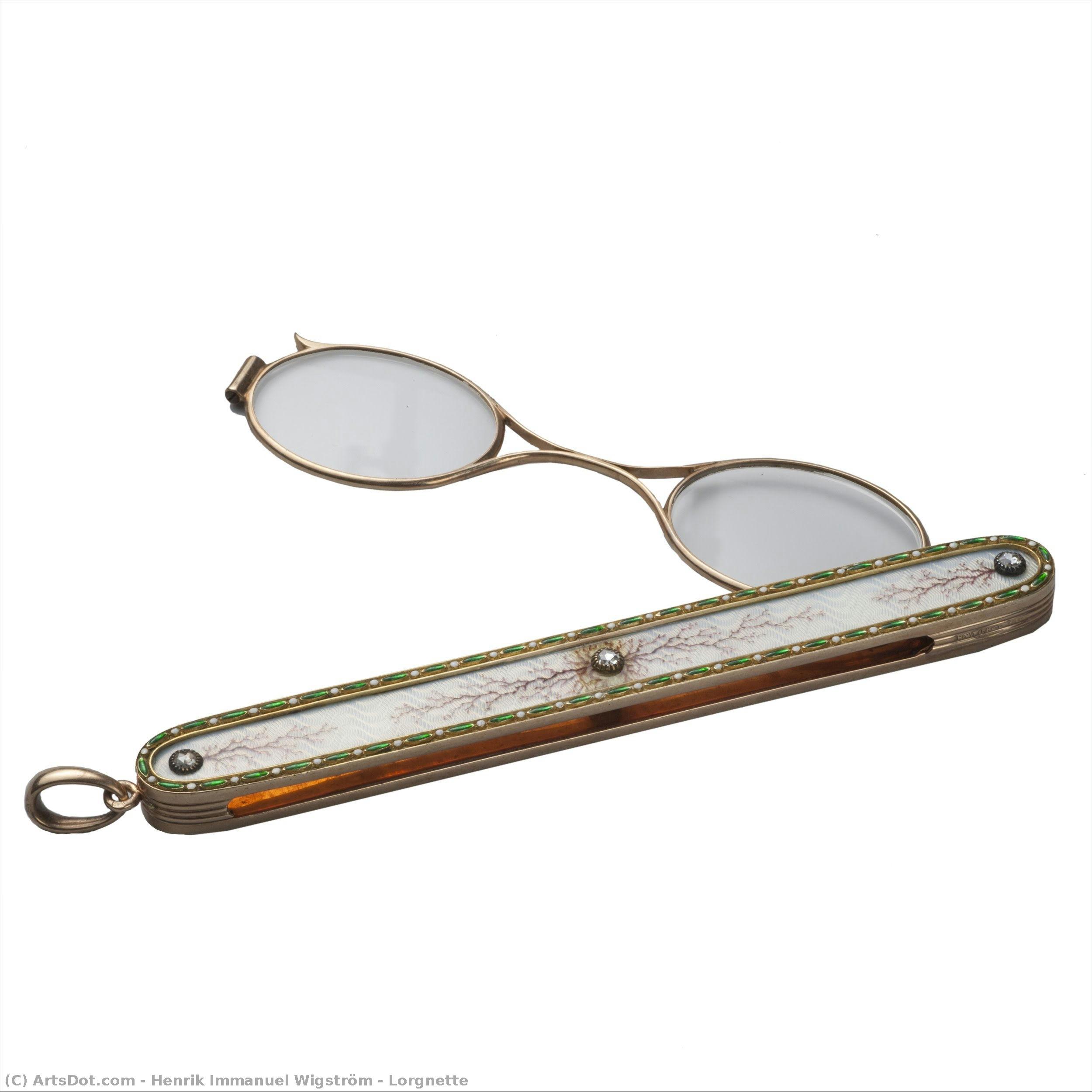
Lorgnette


 Tümünü Gör
Giclée / Sanat Baskısı
Hızlı üretim ve esnek bitiş seçenekleriyle müze kalitesinde giclée veya kanvas baskı. ( El yapımı tablo satın al Görsel satın al)




P118B $10

P118H $10

P118W $10

P438Z $10

P508JH $12

P508YH $12

P805H $10

P805Z $10

P919BZ $10

P919G $10

P919XJ $10

P959ZH $10

P968JZ $12

W106C $8

W218G $10

W218JH $8

W218Y $10

W307PJ $10

W316G $10

W316PJ $8

W316Y $10

W398PJ $8

W4111J $10

W500HY $15

W500JH $15

W692G $12

W849H $8

W940BG $15

W953PJ $8




Eserin orijinal oranlarıyla uyumlu, önceden belirlenmiş boyutlarımız arasından seçim yapın.

Belirli bir çerçeveye veya alana uyması için kendi ölçülerinizi girebilirsiniz. Seçtiğiniz boyut orijinal görüntünün oranlarıyla eşleşmiyorsa, sanat eserini kırpacağız veya görüntüyü aynalanmış ya da düz dolgulu bir kenarlıkla genişleteceğiz. Üretim başlamadan önce onayınız için bir dijital taslak gönderilecektir.
Lütfen ekrandaki önizlemenin gerçek kırpma veya genişletmeyi yansıtmadığını unutmayın. Nihai kompozisyonu yalnızca taslak doğru bir şekilde gösterecektir.
Özel boyutlar mevcut olsa da, orijinal oranları korumak için önceden tanımlanmış listeden bir boyut seçmenizi öneririz.
Dünya Çapında Teslimat (); standart 4/5 hafta yerine 2 haftada. (18 Ağustos)

Dünya Çapında Ücretsiz Ekspres Kargo

Yüksek Kaliteli Keten Tuval

Tam Kapsamlı Nakliye Sigortası

Gümrük Vergisi İade Garantisi

Gerçek Renk Uyumu Garantisi

60 Günlük İade Politikası (Sadece Kusurlu Ürünler İçin)

%100 Para İade Garantisi

Toplu Alım İndirimi
 Cam seçeneği yalnızca 110 cm altındaki boyutlar için mevcuttur.

Lorgnette
Giclée / Sanat Baskısı
Reproduksiyon Boyutu
-


Toplam Tutar
$ 80
Eser Açıklaması
Henrik Immanuel Wigström: The Silent Maestro of Fabergé Elegance
Henrik Immanuel Wigström (1862-1923) stands as a pivotal figure in the history of Russian goldsmithing and, crucially, the opulent world of Fabergé. Born in Ekenäs, Finland, Wigström’s artistic journey began amidst the burgeoning Art Nouveau movement but swiftly cemented itself within the exacting standards of the Imperial Court, shaping the aesthetic landscape of his era. While overshadowed by his more flamboyant colleague Michael Perchin, Wigström possessed an unparalleled dedication to craftsmanship and a profound understanding of Louis XVI, Empire, and neoclassical styles—qualities that ensured he became Fabergé’s most prolific workmaster after Perchin's untimely demise in 1903. His legacy endures not merely as a skilled artisan but as the custodian of a singular vision – one that elevated Fabergé’s artistry to unparalleled heights.- Early Life & Training: Wigström received his formative artistic education at Helsingfors Konstakademi (Finnish Art Academy), honing his skills in silver and goldsmithing alongside a fascination for decorative arts. This grounding in traditional techniques would prove invaluable as he navigated the complexities of the Fabergé workshop. He mastered the intricacies of guilloche engraving, a technique perfected over decades of experience, transforming surfaces into mesmerizing textures that mirrored the grandeur of imperial Russia.
- Fabergé Partnership & Artistic Output: Wigström joined Fabergé’s atelier in 1903, inheriting Perchin's responsibilities and immediately elevating the workshop's artistic caliber. Under his leadership, Fabergé produced an astonishing array of decorative objects—including breathtaking lorgnette, exquisite ink sets, and magnificent moon’s face table clocks—each demonstrating meticulous attention to detail and embodying the splendor of the Russian monarchy. His designs were characterized by a refined neoclassical aesthetic, prioritizing symmetry and elegance while subtly referencing classical motifs.
- Fabergé Style & Technique: Wigström's artistic style mirrored Perchin’s but leaned towards a more subdued sophistication. He excelled in crafting hardstone animals, figures, and flowers with remarkable precision, utilizing techniques honed over years of experience. His meticulous attention to detail—particularly his mastery of enamelwork—transformed ordinary materials into extraordinary expressions of beauty and artistry. The vibrant hues achieved through layering translucent enamels created luminous surfaces that captivated the eye and conveyed a sense of timeless elegance.
- The Turbulent Years & Legacy: The outbreak of World War I dealt a devastating blow to Fabergé’s fortunes, forcing Wigström to confront the dismantling of his workshop and the upheaval of Russian society. Despite facing considerable hardship, Wigström persevered in his craft until 1923, retreating to his summer house in Terijoki where he succumbed to illness. Though largely unrecognized during his lifetime, Wigström's contribution to Fabergé’s artistic legacy remains undeniable—he is remembered as the silent maestro who ensured that Fabergé’s golden age continued to inspire awe and admiration for generations to come.
Sanatçı Özgeçmişi
The Silent Maestro of Fabergé Elegance
Henrik Immanuel Wigström stands as a pivotal figure in the history of Russian goldsmithing and, crucially, the opulent world of Fabergé. Born in Ekenäs, Finland, in 1862, Wigström’s artistic journey began amidst the burgeoning Art Nouveau movement but swiftly cemented itself within the exacting standards of the Imperial Court, shaping the aesthetic landscape of his era. While often overshadowed by his more flamboyant colleague Michael Perchin, Wigström possessed an unparalleled dedication to craftsmanship and a profound understanding of Louis XVI, Empire, and neoclassical styles—qualities that ensured he became Fabergé’s most prolific workmaster after Perchin's untimely demise in 1903.
His formative years were defined by rigorous discipline and a deep-seated fascination for the decorative arts. Wigström received his early artistic education at the Helsingfors Konstakademi (Finnish Art Academy), where he honed his skills in silver and goldsmithing. This grounding in traditional techniques would prove invaluable as he navigated the complexities of the Fabergé workshop, allowing him to master the delicate balance between structural integrity and ornamental splendor.
A Legacy of Imperial Splendor
When Wigström joined the Fabergé atelier in 1903, he inherited a monumental responsibility: maintaining the prestige of the House of Fabergé following the loss of Perchin. He did not merely maintain this standard; he elevated it. Under his leadership, the workshop produced an astonishing array of decorative objects that embodied the grandeur of Imperial Russia. His work is characterized by a refined neoclassical aesthetic, leaning into the elegance of the Louis XVI and Empire styles to create pieces that felt both timeless and profoundly luxurious.
Wigström's artistic output was remarkably diverse, ranging from functional objects of high utility to purely ornamental treasures. His mastery is evident in several key areas:
- Exquisite Timepieces: He was renowned for creating magnificent table clocks, such as the Moon’s Face Table Clock and the breathtaking Table Clock in the Shape of a Carriage, which showcased his ability to blend mechanical precision with artistic storytelling.
- Decorative Objects: His repertoire included stunning lorgnettes, intricate ink sets, and delicate silverwork that served as the pinnacle of high-society luxury.
- Hardstone Artistry: He excelled in crafting hardstone animals, figures, and flowers with remarkable precision, utilizing his deep knowledge of mineral textures to breathe life into inanimate stone.
Technique and Historical Significance
The true genius of Wigström lay in his technical perfectionism. His work is defined by flawless enamelwork, intricate guilloche engraving, and the masterful manipulation of precious metals. Every piece he touched reflected a meticulous attention to detail that satisfied even the most discerning members of the Romanov dynasty. By blending the delicate textures of fine enamel with the structural strength of gold and silver, he created objects that were as much feats of engineering as they were works of art.
As the era of Imperial Russia drew to a close, Wigström’s contributions remained a testament to a vanished world of unparalleled opulence. His ability to interpret historical styles through a modern, refined lens ensured that his work would remain iconic long after the workshops of St. Petersburg fell silent. Today, his legacy lives on through the rare and precious artifacts that continue to captivate collectors, serving as enduring symbols of the height of Fabergé's artistic achievement.
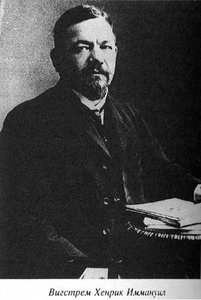
henrik immanuel wigström
1862 - 1923 , Finland
Kısa Bilgiler
- Artistic Movement Or Style: Louis XVI, Empire, Neoclassical
- Artists Who Influenced This Artist: ['Michael Evlampievich Perchin']
- Date Of Birth: October 2, 1862
- Date Of Death: March 14, 1923
- Full Name: Henrik Immanuel Wigström
- Nationality: Finnish
- Notable Artworks:
- Miniature Perfume Bottle
- Ink set
- Moon’s Face Table Clock
- Place Of Birth: Ekenäs, Finland
İlgili Makaleler
Luminous Masterpieces: The Captivating Beauty and Timeless Elegance of Stained Glass Artworks
Embark on a visual journey through the luminous world of stained glass art. Discover the exquisite craftsmanship, historical significance, and captivating beauty of masterworks from Art Nouveau to the Gothic era, curated for the discerning fine art enthusiast.
The Flowing Line & Flourishing Form: Exploring Art Nouveau's Aesthetic Legacy
Explore the captivating world of Art Nouveau! Discover its origins, key artists like Horta & Mucha, regional styles, innovative techniques, and lasting influence on architecture & design. A comprehensive guide for art enthusiasts.
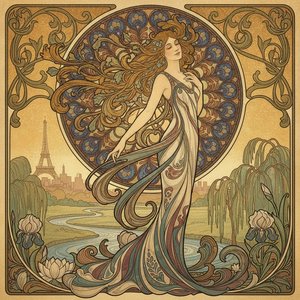
The Elegance of Art Nouveau: Embracing Nature's Fluid Beauty and the Belle Époque Spirit
Discover the enchanting world of Art Nouveau. Explore the organic beauty, flowing lines, and Belle Époque elegance that defined an era of unparalleled craftsmanship and natural inspiration.
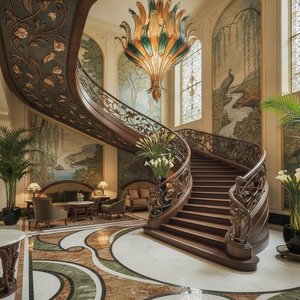
Art Nouveau Guide: Integrating Elegant Curves and Organic Design into Luxury Hotel Interiors
Master Art Nouveau integration for luxury hotel interiors. Discover expert strategies for utilizing organic curves, whiplash lines, and botanical motifs to create sophisticated, high-end hospitality spaces with scalable, professional art procurement solutions.
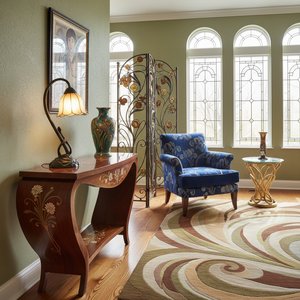
Art Nouveau'nun Zarafeti: Evinizi Tanımlayan 10 Eser ve Sanat Rönesansı
Art Nouveau'nun büyüleyici dünyasına yolculuk! Gustav Klimt, Mucha gibi ustaların 10 başyapıtıyla evinizi sanatla dönüştürün. Sanat tarihi, renkler ve dekorasyon için OriginalUniqueArt.com'da keşfedin!

