
 Önizleme yap
 Paylaş
 Paylaş
 Detayları Gör

 İndir
İndir
 Benzerlerini gör
 X-Işını
 Slayt Gösterisi
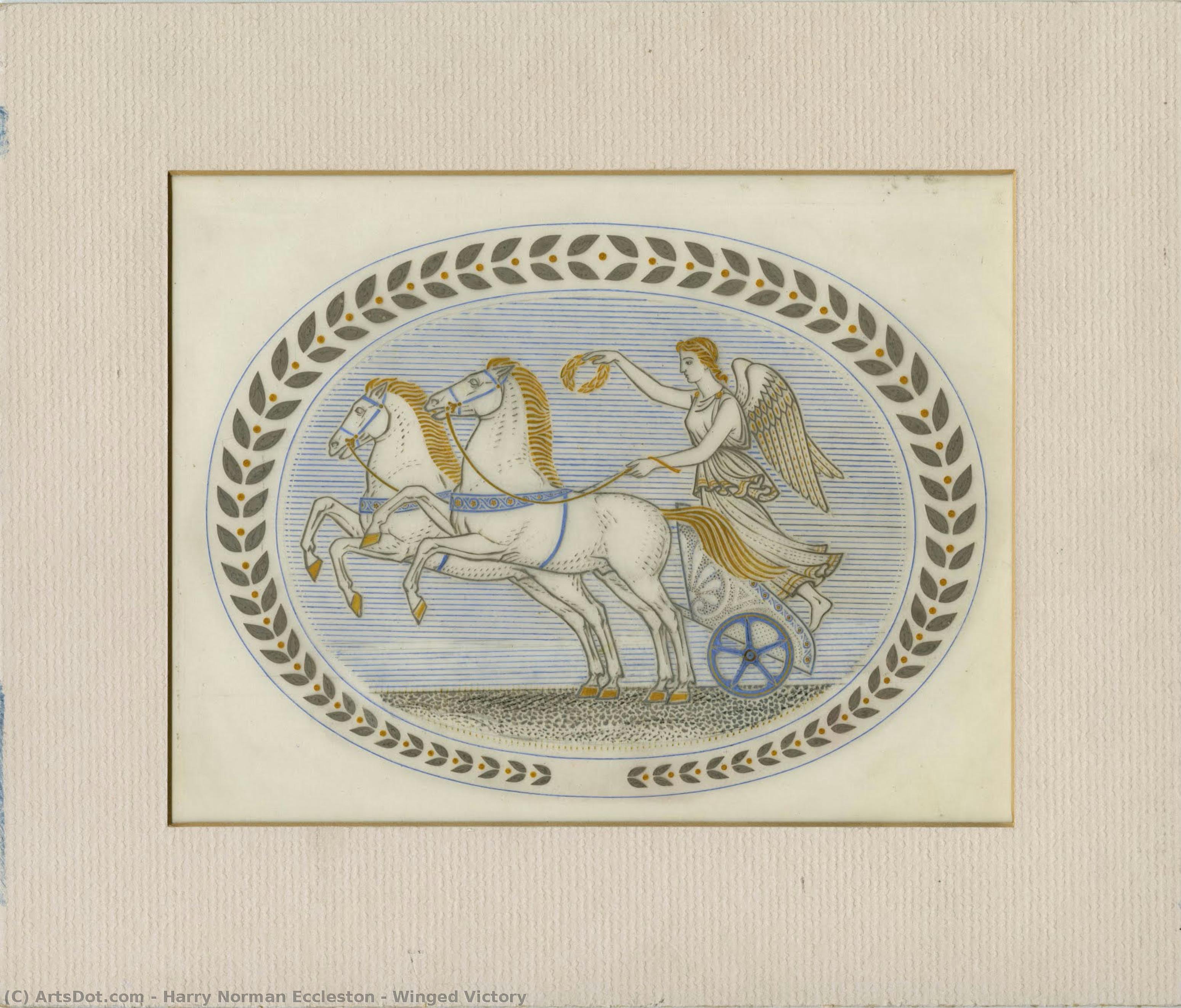
Winged Victory
 1971
1971 30.0 x 25.0 cm
 Bank of England Museum
 Tümünü Gör
El Yapımı Yağlı Boya Reproduksiyon
Sanatçılarımız tarafından sipariş üzerine hazırlanan; istediğiniz boyut ve çerçevede, tuval üzerine el boyaması yağlı boya. ( Baskıya Geç Görsele Geç)




































Eserin orijinal oranlarıyla uyumlu, önceden belirlenmiş boyutlarımız arasından seçim yapın.

Belirli bir çerçeveye veya alana uyması için kendi boyutlarınızı girebilirsiniz. Seçtiğiniz boyut orijinal görüntünün oranlarıyla eşleşmiyorsa, sanat eserini kırparak veya ek el boyaması öğelerle resmi uzatarak ayarlayacağız. Üretim başlamadan önce onayınız için dijital bir taslak gönderilecektir.
Lütfen ekrandaki önizlemenin gerçek kırpmayı veya uzatmayı yansıtmadığını unutmayın. Nihai kompozisyonu yalnızca hazırlanan taslak doğru şekilde gösterecektir.
Özel boyutlar mevcut olsa da, orijinal oranları korumak adına önceden tanımlanmış listeden bir boyut seçmenizi öneririz.
Siparişten sonra, OriginalUniqueArt.com ekibi talimatlar için müşteriye e-posta gönderecek ve bir taslak önizleme sunacaktır
Dünya Çapında Teslimat (); standart 5 hafta yerine 3/4 haftada. (10 Ağustos). Kaliteden ödün verilmez.

Dünya Çapında Ücretsiz Ekspres Kargo

Yüksek Kaliteli Keten Tuval

Tam Kapsamlı Nakliye Sigortası

Gümrük Vergisi İade Garantisi

Gerçek Renk Uyumu Garantisi

60 Günlük İade Politikası (Sadece Kusurlu Ürünler İçin)

%100 Para İade Garantisi

Toplu Alım İndirimi
 Cam seçeneği yalnızca 110 cm altındaki boyutlar için mevcuttur.

Winged Victory
Reproduksiyon Tekniği
Reproduksiyon Boyutu
-


Toplam Tutar
$ 300
Sanatçı Özgeçmişi
The Precision of a Master: The Life and Legacy of Harry Norman Eccleston
In the annals of British artistic achievement, few names command as much quiet respect for technical precision and versatile mastery as Harry Norman Eccleston. Born in Coseley, United Kingdom, in 1923, Eccleston emerged from the industrial heartlands of England to leave an indelible mark on both the fine art world and the intricate realm of graphic design. His life was a testament to the power of meticulous observation, a quality that allowed him to transition seamlessly between the delicate nuances of portraiture and the high-stakes, exacting demands of banknote design. To study his work is to witness a profound dialogue between reality and representation, where every line serves a purpose and every shadow tells a story.
Eccleston’s artistic journey was defined by an extraordinary ability to capture the essence of his subjects through a lens of hyper-realistic detail. While many artists of his era sought to deconstruct form through abstraction, Eccleston leaned into the strength of classical techniques. His repertoire was remarkably diverse, ranging from the soulful, contemplative depths of historical portraits to the serene, sprawling beauty of nature scenes. He possessed a rare gift for rendering texture—the heavy weight of Elizabethan fabric, the soft luminescence of skin, and the organic complexity of the natural world—all achieved with a level of craftsmanship that felt both timeless and authoritative.
A Legacy of Detail: From Portraits to Currency
The true breadth of Eccleston’s talent is perhaps most visible in his ability to command different scales of artistry. In his fine art collections, one finds works such as his Queen Elizabeth II Master Drawing, a regal black and white portrait that exemplifies his ability to convey majesty through stark, masterful contrast. Similarly, his Shakespeare Portrait Test Print showcases his skill in historical reconstruction, capturing the Bard in a moment of profound intellectual depth. These works are not merely depictions; they are psychological studies that invite the viewer into a shared moment of history.
Beyond the gallery walls, Eccleston achieved significant historical importance through his contributions to British currency design. His work as a banknote designer required a level of precision that few could sustain, blending the aesthetic requirements of fine art with the security and clarity necessary for national tender. This unique intersection of disciplines—where art meets utility—cemented his reputation as an artist of unparalleled discipline. His influence can be seen in the following areas of his professional output:
- Portraiture: The creation of iconic, high-detail likenesses of historical and contemporary figures.
- Banknote Design: The intricate and secure illustration of British currency, blending artistry with technical complexity.
- Naturalism: Detailed explorations of landscapes and botanical subjects that celebrate the English countryside.
- Graphic Mastery: A sophisticated use of monochrome and line work that remains influential in the study of printmaking and engraving styles.
As we reflect on the career of Harry Norman Eccleston, we see an artist who bridged the gap between the decorative and the functional. His life, spanning from the early 20th century until his passing in 2010, serves as a reminder that true mastery lies in the details. Whether through the sweeping grandeur of a royal portrait or the microscopic precision of a banknote engraving, Eccleston’s work continues to resonate with those who find beauty in the absolute truth of a perfectly rendered line.

harry norman eccleston
1923 - 2010 , United Kingdom
Kısa Bilgiler
- Artistic Movement Or Style: Pop Art
- Artists Or Movements Influenced By This Artist:
- Comic strips
- Advertisement
- Artists Who Influenced This Artist:
- Rembrandt
- Daumier
- Picasso
- Date Of Birth: October 27, 1923
- Date Of Death: 2010
- Full Name: Roy Fox Lichtenstein
- Nationality: American
- Notable Artworks:
- Whaam!
- Drowning Girl
- Hopelessness
- C lassroom Scene
- Place Of Birth: New York City, USA

