Baskı Satışına Geç
 Tümünü Gör







































 Herhangi bir kenarı 105 cm'den (yaklaşık 41 inç) büyük olan sanat eserleri veya reprodüksiyonlar için çerçeve, demonte edilmiş bir kit halinde gönderilecektir. Bu yöntem, güvenli teslimat sağlar ve taşıma sırasında oluşabilecek hasarları önler.


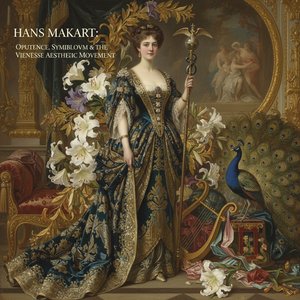
Hans Makart: A Visionary Painter Shaping Viennese Aesthetic
Hans Makart (1840-1884), born in Salzburg, Austria, stands as one of the most influential figures within Austrian art history. Though initially hampered by difficulties mastering draughtsmanship at the Vienna Academy – a setback that prompted his departure – Makart swiftly established himself as a champion of color and imagination, forging an artistic style dubbed “Makartstil” that would profoundly impact subsequent generations of artists.
His formative years were marked by exposure to Salzburg’s aristocratic milieu and instilled within him a deep appreciation for grandeur and theatricality. However, it was his relocation to Munich in 1861 where he truly blossomed under the tutelage of Karl Theodor von Piloty, honing his skills and refining his distinctive approach to painting. This mentorship cemented Makartstil – characterized by luminous palettes, dramatic compositions, and a masterful manipulation of light – as his signature aesthetic.
Makart’s artistic explorations extended beyond Munich's borders. Journeys to London, Paris, and Rome immersed him in the burgeoning European art movements of Impressionism and Symbolism, fostering an intellectual curiosity that fueled his creative endeavors. These experiences instilled a sensitivity to visual storytelling and contributed significantly to his ability to convey complex emotions through meticulously crafted imagery.
Die Falknerin: A Study in Power and Mysticism
"Die Falknerin" ("The Falconer"), completed in 1880, exemplifies Makartstil’s core principles. The painting depicts a woman holding aloft a wolf's head – a potent symbol of primal instinct and untamed wilderness – against a backdrop of richly textured drapery and an ethereal sky.
Makart employed oil paints on canvas with exceptional detail, utilizing glazing techniques to achieve unparalleled luminosity and depth. His meticulous brushwork captures the contours of the woman’s form and the wolf's head with remarkable precision, conveying both physicality and psychological intensity. The artist skillfully utilizes chiaroscuro – dramatic contrasts between light and shadow – to heighten the emotional impact of the scene.
Beyond its technical prowess, “Die Falknerin” resonates with symbolic significance. The falcon represents dominion and vigilance, mirroring the woman’s commanding gaze and unwavering resolve. Simultaneously, the wolf embodies untamed forces—challenges to be confronted—suggesting a narrative of courage and resilience. The inclusion of two apples – positioned strategically at the bottom left and top right – adds an element of enigmatic beauty and reinforces the painting's overarching theme of fertility and transformation.
Historical Context & Influence
Makartstil emerged during Vienna’s “Golden Age,” a period characterized by artistic innovation, intellectual ferment, and aristocratic patronage. Influenced by Romanticism and Symbolism, Makart’s work anticipated the stylistic developments championed by Gustav Klimt and Emil Nolde, establishing him as a precursor to Viennese Secession.
His bold use of color and dramatic compositions challenged conventional artistic norms, paving the way for new expressive possibilities. Makart's legacy continues to inspire artists today who seek to convey profound emotions through visually arresting imagery—a testament to his enduring contribution to European art history.
Soru ve Cevaplar
"Die Falknerin" eseri kamu malı mı?
Telif hakkı açısından, "Die Falknerin" eseri kamu malıdır - telif hakkı süresi dolmuştur statüsündedir.
"Die Falknerin" eserini daha detaylı inceleyebilir miyim?
Hans Makart imzalı "Die Falknerin" eserinin X-Ray görünümüne eserin X-Işını Analizi sayfasından ulaşabilirsiniz: on bir optik katman aracılığıyla görüntünün interaktif bir incelemesi.
Hans Makart imzalı "Die Falknerin" hangi teknikle icra edilmiştir?
Hans Makart imzalı "Die Falknerin" eserinin tekniği Acrylic On Canvas kullanılarak uygulanmıştır. Çoğaltımlar, bu tekniğin görünümünü yansıtmayı amaçlamaktadır.
Bu tablo hakkında daha fazla bilgi
 Gerçek Boyutta Önizle
 Paylaş
 Paylaş
 Detayları Gör
 Rehber

 İndir
İndir
 Benzer ürünler
 X-Işını
 Slayt Gösterisi
 Soru & Cevap
 İstatistikler