
 Gerçek Boyutta Önizle
 Paylaş
 Paylaş
 Detayları Gör
 Rehber

 İndir
İndir
 Benzer ürünler
 X-Işını
 Slayt Gösterisi
 Soru & Cevap
 İstatistikler
untitled (6565)


 Tümünü Gör
Giclée / Sanat Baskısı
Hızlı üretim ve esnek bitiş seçenekleriyle müze kalitesinde giclée veya kanvas baskı. ( El Yapımı Tablo Satın Al Dijital Görsele Geç)




P118B ₺10

P118H ₺10

P118W ₺10

P438Z ₺10

P508JH ₺12

P508YH ₺12

P805H ₺10

P805Z ₺10

P919BZ ₺10

P919G ₺10

P919XJ ₺10

P959ZH ₺10

P968JZ ₺12

W106C ₺8

W218G ₺10

W218JH ₺8

W218Y ₺10

W307PJ ₺10

W316G ₺10

W316PJ ₺8

W316Y ₺10

W398PJ ₺8

W4111J ₺10

W500HY ₺15

W500JH ₺15

W692G ₺12

W849H ₺8

W940BG ₺15

W953PJ ₺8




Eserin orijinal oranlarıyla uyumlu, önceden belirlenmiş boyutlarımız arasından seçim yapın.

Çerçevenize veya duvarınıza uygun olması için ihtiyacınız olan genişlik ve yüksekliği yazın. Bir baskı yalnızca kesilebilir, görselden daha büyük hale getirilemez; bu nedenle farklı bir formdaki boyut seçimi, görselin bir kısmının kaybına neden olur. Herhangi bir baskı yapmadan önce onaylamanız için size bir dijital taslak gönderiyoruz. Bu sayfada gösterilen resim gerçek kesimi göstermez — bunu yalnızca taslak gösterir.
Dünya Çapında Teslimat (); standart 4/5 hafta yerine 2 haftada. (5 Kasım)

Dünya Çapında Ücretsiz Ekspres Kargo

Yüksek Kaliteli Keten Kanvas

Tam Nakliye Sigortası

Gümrük Vergisi İadesi Garantisi

Gerçek Renk Uyumu Garantisi

100 Günlük İade Politikası (Sadece Kusurlu Ürünler İçin)

%100 Para İade Garantisi

Toplu Alım İndirimi
 Cam seçeneği yalnızca 110 cm altındaki boyutlar için mevcuttur.

untitled (6565)
Giclée / Sanat Baskısı
Reproduksiyon Boyutu
-


Toplam Tutar
₺ 3985
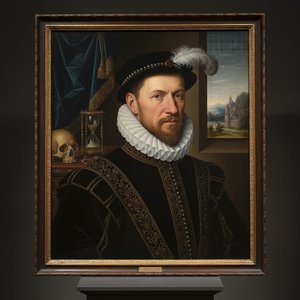
A Study in Intensity: Unraveling the Enigmatic Portrait of Hans Holbein the Younger
Hans Holbein the Younger’s “Untitled (6565)” is not merely a portrait; it's a carefully constructed psychological landscape, a window into the mind of an unknown subject rendered with the artist’s signature precision and unsettling intensity. Painted circa 1530-32 during his time in England, this oil on panel work transcends the conventional depiction of a likeness, instead offering a profound meditation on gaze, time, and perhaps even mortality. The painting immediately commands attention through its stark contrasts – the dark, almost impenetrable background punctuated by the unsettling presence of two clocks, each frozen at a specific moment, creating an immediate sense of arrested time.
The subject himself is presented with remarkable directness. He sits in profile, his features sharply defined, yet subtly ambiguous. The meticulously rendered beard and mustache, hallmarks of Holbein’s style, frame a face etched with a palpable seriousness. His eyes, wide open and intensely focused, meet the viewer's gaze head-on – an act of deliberate confrontation that forces us to confront our own reflection within the painting. This directness is further emphasized by his slightly parted lips, suggesting either speech or contemplation, leaving the viewer perpetually questioning his intentions.
Holbein’s mastery of technique is evident in every detail. The subtle gradations of light and shadow create a remarkable sense of volume and texture, particularly noticeable in the rendering of the subject's clothing – a simple black shirt that serves as a neutral backdrop to highlight his features. The artist’s use of oil paint allows for an unparalleled level of control, enabling him to achieve astonishingly realistic detail while simultaneously conveying a sense of emotional depth. Note the delicate brushstrokes defining the texture of the fabric and the subtle nuances in the subject's skin tone – evidence of Holbein’s painstaking observation and artistic skill.
Beyond its technical brilliance, “Untitled (6565)” is rich in symbolic meaning. The presence of the two clocks is particularly significant. In Renaissance thought, time was often associated with mortality, and the depiction of multiple clocks could be interpreted as a reminder of our fleeting existence. Some scholars suggest that the specific times displayed on the clocks might hold personal significance for the subject or perhaps even allude to a particular event in his life. The dark background, devoid of any identifying features, further contributes to the painting’s enigmatic quality, suggesting a deliberate attempt to strip away extraneous details and focus solely on the essential elements of the portrait – the subject's face and gaze.
Hans Holbein the Younger was a pivotal figure in the Northern Renaissance, renowned for his ability to capture the psychological complexities of his subjects. His portraits were not simply representations of appearance; they were attempts to reveal the inner lives of those depicted. “Untitled (6565)” exemplifies this approach perfectly, offering a compelling and unsettling glimpse into the soul of an unknown man – a testament to Holbein’s genius and enduring legacy. Reproductions of this captivating work, meticulously crafted using traditional techniques and high-quality materials, allow art enthusiasts to experience the profound impact of this remarkable painting firsthand.
The Artist: A Master of Portraiture in the Northern Renaissance
Born in Augsburg, Germany, in 1497, Hans Holbein the Younger emerged from a family steeped in artistic tradition. His father, Hans Holbein the Elder, was a respected painter and printmaker, providing young Hans with an invaluable foundation in technique and observation. This early exposure instilled within him a meticulous approach to detail – a characteristic that would become synonymous with his distinctive style. Holbein’s training initially occurred within his father's workshop, where he honed his skills in various mediums, including oil painting, woodcut, and engraving.
Following his apprenticeship, Holbein embarked on a period of extensive travel throughout Europe, seeking opportunities to refine his craft and establish himself as an independent artist. He spent significant time in Basel, Switzerland, producing a diverse range of works – portraits, religious paintings, and intricate woodcut designs. Notably, he created the famous *Dance of Death* series, a macabre yet captivating depiction of mortality that cemented his reputation as a skilled and imaginative artist. His work during this period demonstrates a growing confidence and experimentation with style.
Holbein’s career took a significant turn when he moved to England in 1532, where he quickly gained the favor of King Henry VIII. He became the court painter for several years, producing iconic portraits of the king and his family – works that continue to be celebrated today. His time in England was marked by both artistic success and political intrigue, as he navigated the complex dynamics of the Tudor court. Despite facing challenges, Holbein’s talent and skill ensured his place among the most influential artists of the era.
Echoes of Time: Symbolism and Technique
The composition of “Untitled (6565)” is a carefully orchestrated interplay of visual elements designed to evoke specific emotions and ideas. The stark contrast between the dark background and the subject’s pale face immediately draws the viewer's attention, creating a sense of dramatic tension. The two clocks, strategically placed within the scene, are not merely decorative; they serve as potent symbols of time, mortality, and perhaps even judgment.
Holbein’s masterful use of oil paint allows for an unparalleled level of detail and nuance. He employs subtle gradations of light and shadow to create a sense of volume and texture, rendering the subject's features with remarkable accuracy. The meticulous attention to detail is particularly evident in the depiction of the subject’s beard and mustache – each strand carefully rendered to convey a sense of realism and character. The artist’s use of atmospheric perspective further enhances the painting’s depth and spatial relationships, creating a convincing illusion of three-dimensionality.
Furthermore, Holbein's choice of profile view is deliberate. This compositional technique was popular during the Renaissance as it allowed for a more intimate and psychologically revealing portrayal of the subject. By presenting the subject in profile, Holbein forces the viewer to confront his gaze directly, creating a sense of connection and engagement.
Owning a Masterpiece: Reproductions and Legacy
OriginalUniqueArt offers meticulously crafted handmade oil painting reproductions of “Untitled (6565)” by Hans Holbein the Younger, allowing art enthusiasts to own a piece of this iconic Renaissance masterpiece. These reproductions are created using traditional techniques – layering thin glazes of oil paint to achieve the same luminous effects as the original – and employ only the finest quality materials for exceptional durability and visual fidelity.
Beyond its aesthetic beauty, “Untitled (6565)” represents a profound exploration of human psychology. It’s a painting that invites contemplation, prompting viewers to consider the nature of time, mortality, and the enigmatic depths of the human soul. Whether you are an art historian, a collector, or simply someone who appreciates exceptional artistry, this reproduction offers a unique opportunity to experience the enduring legacy of Hans Holbein the Younger.
To learn more about the Mauritshuis museum and its collection on OriginalUniqueArt.com
Soru ve Cevaplar
Hans Holbein (Genç) imzalı "untitled (6565)" hangi duyguyu hissettiriyor?
Hans Holbein (Genç) imzalı "untitled (6565)", Düşünsel ve Derin bir duygusal ton yansıtıyor.
Hans Holbein (Genç) imzalı "untitled (6565)" için hangi baskı boyutu ve yönü öneriliyor?
Büyük Boy boyut ve Dikey format yönlendirme: Hans Holbein (Genç) imzalı "untitled (6565)" için önerilen baskı düzeni budur.
"untitled (6565)" baskısının kullanım alanı için ne önerilir?
"untitled (6565)" baskısının önerilen kullanım alanı Vurgu Noktası şeklindedir.
Sanatçı Özgeçmişi
Detaylarla İşlenmiş Bir Hayat: Hans Holbein the Younger'ın Dünyası
Almanya'nın Augsburg kentindeki canlı sanat merkezinde, 1497 civarında dünyaya gelen Hans Holbein the Younger, Kuzey Rönesansı'nın belirleyici figürlerinden biri olarak öne çıktı; eserleri nefes kesici bir gerçekçilik ve psikolojik derinlikle yankılanmaya devam eden usta bir portre sanatçısıydı. Sanatçı yeteneğiyle donatılmış bir ailede büyümesi, olağanüstü dehasının temellerini attı; babası Hans Holbein the Elder, genç Hans'a gözlem ve teknik konusunda titiz bir yaklaşım aşılayan saygın bir ressam ve gravür sanatçısıydı. Bu erken dönem eğitimi sadece fırça darbelerinde ustalaşmak veya pigmentleri karıştırmakla ilgili değildi; asıl mesele görmeyi, yani sadece benzerliği değil, bir öznenin en saf özünü yakalamayı öğrenmekti. Holbein'ın ilk sanatsal keşifleri babasının atölyesinde gerçekleşti ve burada yeteneklerini geliştirdikten sonra onu İsviçre üzerinden nihayet İngiliz sarayının kalbine götürecek olan o büyük yolculuğa hazırlandı.Basel'den Tudor Sarayı'na: Yükselen Bir Yıldız
Çıraklığını tamamladıktan sonra Holbein, İsviçre genelinde kapsamlı seyahatlerde bulundu ve artan ünüyle kendini bağımsız bir sanatçı olarak kanıtladı. Basel'de geçirdiği biçimlendirici yıllarda sadece çarpıcı portreler değil, aynı zamanda dini eserler ve karmaşık ahşap baskı tasarımları da yarattı; özellikle Ölüm Dansı'nı betimleyen o büyüleyici seri, sanat tarihinin unutulmazları arasındadır. Bu erken dönem eserleri, kompozisyondaki gelişen ustalığını ve insan duygularının karmaşıklığını yakalamaya yönelik derin bir tutkuyu gözler önüne serer. 1526 yılında kaderin müdahalesiyle Holbein, sanatsal rotasını geri dönülemez biçimde değiştirecek olan İngiltere'ye çekildi. Yanında, ünlü hümanist bilgin Erasmus'tan aldığı bir tanıtım mektubuyla gelmesi, İngiliz toplumunun nüfuzlu çevrelerine kapılarını açtı. Yeteneği, kısa sürede Sir Thomas More gibi önemli figürleri büyüledi; More hem bir sanat hamisi hem de birçok etkileyici portrenin öznesi oldu. Bu bağ, Holbein'ın 1536 yılında Kral VIII. Henry'nin saray ressamı olarak atanmasına vesile olan kilit bir dönüm noktası haline geldi ve bu görevi, 1543'teki erken ölümüne kadar, bazı kesintilerle de olsa sürdürdü.Algının Sanatı: Üslup ve Başyapıtlar
Holbein'ın sanatsal üslubu, dokuları, kumaşları ve yüz hatlarının ince nüanslarını işlerken gösterdiği titiz dikkat sayesinde elde edilen olağanüstü bir gerçekçilik tutkusuyla karakterize edilir. O, portreleri sadece boyamazdı; onları katman katman, büyük bir özenle inşa eder, sadece fiziksel görünümleri değil, aynı zamanda modellerinin kişiliğini ve iç dünyasını da yakalardı. Yenilikçi kompozisyonları, derin anlamlar iletmek için sıklıkla sembolik nesneler veya arka planlar kullanarak eserlerinin etkisini daha da artırdı. 1533 tarihli Elçiler (The Ambassadors) eseri, bu yaklaşımın en görkemli kanıtıdır; Holbein'ın hem teknik dehasını hem de entelektüel derinliğini sergileyen, karmaşık ve sembolik açıdan zengin bir çift portredir. Tablonun içine ustaca gizlenmiş anamorfik kafatası, izleyicilere ölümün kaçınılmazlığını hatırlatan sert bir memento mori görevi görür. VIII. Henry'nin sayısız portresi Tudor gücünün kalıcı bir imajını oluştururken, Rotterdamlı Erasmus tasviri ise bilginin derin entelektüel ağırlığını yansıtır. Diğer önemli eserleri arasında gerçekçiliğin ve bilimsel detayın bir şaheseri olan çarpıcı Nikolaus Kratzer Portresi (1rel 28) yer alır.Miras ve Etki: Kalıcı Bir İz
Holbein'ın sanatsal yolculuğu, Alman sanat geleneklerinin hassasiyeti ile İtalyan Rönesansı'nın kompozisyon ilkelerini harmanlayan bir etkiler buluşmasıyla şekillendi. Seyahatleri sırasında İtalyan sanatını incelerken Albrecht Dürer ve diğer Alman ustaların eserlerine hayranlık duydu, onların tekniklerini özümsedi ve kendi eşsiz üslubuna dahil etti. Mirası derindir; Holbein'ın portreleri, kendisinden sonra gelen nesillere ilham vererek portre sanatında gerçekçilik ve psikolojik içgörü konusunda yeni bir standart belirledi. Tudor döneminin kilit figürlerine dair tasvirleri, İngiliz tarihini şekillendirenlerin yaşamlarına ve kişiliklerine paha biçilemez bilgiler sunar. O, sadece dış görünüşleri kaydetmekle kalmadı; zamanın anlarını yakalayarak onları gelecek nesiller için korudu. Eserleri, sanatın geçmişi belgelemek, yorumlamak ve aydınlatmak konusundaki sarsılmaz gücünün güçlü bir kanıtı olarak hizmet etmektedir.Son Bir Fırça Darbesi: Tarihsel Önem
Hans Holbein the Younger, 1543 yılında Londra'da hayata gözlerini yumdu; geride yüzyıllar sonra bile izleyicileri büyülemeye devam eden bir eser külliyatı bıraktı. Portreleri sadece güzel görüntülerden ibaret değildir; Tudor döneminin siyasi entrikalarına, dini çalkantılarına ve kültürel değişimlerine ışık tutan tarihi belgelerdir.- VIII. Henry tasvirleri, kraliyet gücünün ikonik temsilleri haline geldi.
- Portre sanatı, Erasmus ve More gibi önde gelen hümanistlerin yaşamlarına açılan bir pencere sunar.
- Sembolizmi yenilikçi kullanımı, eserlerine anlam katmanları ekleyerek izleyicileri daha derin temalar üzerinde düşünmeye davet eder.

Hans Holbein (Genç)
1497 - 1543 , Almanya
Kısa Bilgiler
- Artistic Movement Or Style: Kuzey Rönesansı
- Artists Or Movements Influenced By This Artist: ['Sonraki portre sanatçıları']
- Artists Who Influenced This Artist: ['Albrecht Dürer']
- Date Of Birth: 1497
- Date Of Death: 1543
- Full Name: Hans Holbein the Younger
- Nationality: Alman-İsviçreli
- Notable Artworks:
- The Ambassadors
- Henry VIII Portresi
- Erasmus Portresi
- Nikolaus Kratzer Portresi
- Place Of Birth: Augsburg, Almanya
Benzer Yazılar

The Enduring Legacy of Oil on Canvas: Technique, History & Aesthetic Impact
Explore the rich history & techniques of oil painting – from Renaissance masters to Impressionism. Discover pigments, layering methods, and why this timeless medium endures. Expert insights for artists & art enthusiasts.

Oil on Canvas: A Historical & Technical Exploration of a Timeless Artistic Medium
Explore the rich history & enduring techniques of oil painting on canvas. Discover the science behind its longevity, conservation practices, and contemporary relevance. Expert insights for art enthusiasts.

The Enduring Power of Painting: A Historical & Contemporary Exploration of Form and Emotion
Explore the rich history & enduring techniques of oil painting with OriginalUniqueArt. Discover masterpieces, learn about art collecting, and find authentic handmade reproductions crafted by skilled artists.

Hans Holbein the Younger: A Renaissance Portraitist's Mastery of Realism & Psychological Insight
Explore the life & art of Hans Holbein the Younger, a Renaissance master renowned for his strikingly realistic portraits and psychological insight. Discover iconic works like 'The Ambassadors' and delve into his lasting legacy.
Mastering Detail: The Captivating World of Hans Holbein the Younger’s Northern Renaissance Masterpieces
Explore the breathtaking precision of Hans Holbein the Younger. From Tudor royal portraits to intricate Northern Renaissance details, discover the mastery behind his legendary works and learn how to bring this historical grandeur into your collection with museum-quality reproductions.





![Jean de Dinteville ve Georges de Selve'nin Çift Portresi (diğer adıyla Elçiler) [detay]](/media/artworks/images-thumb/bb/ab/bbab7ce77b7dd15d23d21114a63b51a4.jpg)


