
 Önizleme yap
 Paylaş
 Paylaş
 Detayları Gör

 İndir
İndir
 Benzerlerini gör
 X-Işını
 Slayt Gösterisi
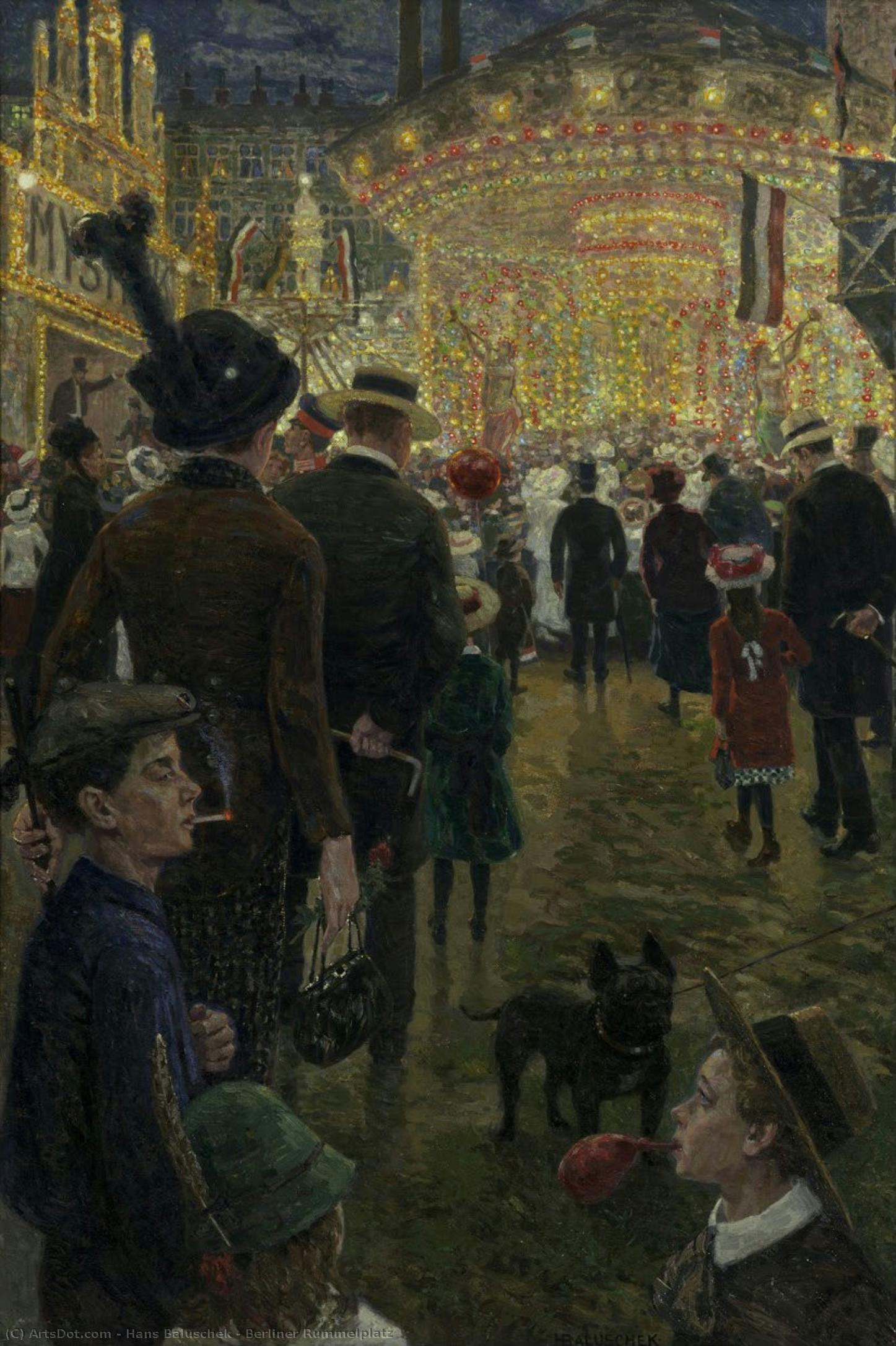
Berliner Rummelplatz
 1914
1914 150.0 x 100.0 cm
 Tümünü Gör
El Yapımı Yağlı Boya Reproduksiyon
Sanatçılarımız tarafından sipariş üzerine hazırlanan; istediğiniz boyut ve çerçevede, tuval üzerine el boyaması yağlı boya. ( Baskıya Geç Görsele Geç)




































Eserin orijinal oranlarıyla uyumlu, önceden belirlenmiş boyutlarımız arasından seçim yapın.

Belirli bir çerçeveye veya alana uyması için kendi boyutlarınızı girebilirsiniz. Seçtiğiniz boyut orijinal görüntünün oranlarıyla eşleşmiyorsa, sanat eserini kırparak veya ek el boyaması öğelerle resmi uzatarak ayarlayacağız. Üretim başlamadan önce onayınız için dijital bir taslak gönderilecektir.
Lütfen ekrandaki önizlemenin gerçek kırpmayı veya uzatmayı yansıtmadığını unutmayın. Nihai kompozisyonu yalnızca hazırlanan taslak doğru şekilde gösterecektir.
Özel boyutlar mevcut olsa da, orijinal oranları korumak adına önceden tanımlanmış listeden bir boyut seçmenizi öneririz.
Siparişten sonra, OriginalUniqueArt.com ekibi talimatlar için müşteriye e-posta gönderecek ve bir taslak önizleme sunacaktır
Dünya Çapında Teslimat (); standart 5 hafta yerine 3/4 haftada. (11 Ağustos). Kaliteden ödün verilmez.

Dünya Çapında Ücretsiz Ekspres Kargo

Yüksek Kaliteli Keten Tuval

Tam Kapsamlı Nakliye Sigortası

Gümrük Vergisi İade Garantisi

Gerçek Renk Uyumu Garantisi

60 Günlük İade Politikası (Sadece Kusurlu Ürünler İçin)

%100 Para İade Garantisi

Toplu Alım İndirimi
 Cam seçeneği yalnızca 110 cm altındaki boyutlar için mevcuttur.

Berliner Rummelplatz
Reproduksiyon Tekniği
Reproduksiyon Boyutu
-


Toplam Tutar
$ 300
Eser Açıklaması
Sanatçı Özgeçmişi
Hans Baluschek: A Pioneer of German Critical Realism
Hans Baluschek (9 May 1870 – 28 September 1935) was a German painter, graphic artist and writer whose work stands as a cornerstone of German Critical Realism. He captured the essence of Berlin’s working class with unflinching honesty and empathy, establishing himself as one of the most prominent figures within the influential Berlin Secession movement. Baluschek's legacy extends beyond his artistic output; he was an active participant in socialist politics and championed the role of art in social reform.Early Life and Influences
Born in Breslau (Wrocław), Poland, to Franz Baluschek, a surveyor and railroad engineer, Hans Baluschek’s formative years were profoundly shaped by his father's profession—a fascination with railways that would permeate his artistic vision. The family moved repeatedly during his childhood, adapting to the rapid industrial expansion of Berlin amidst economic hardship. Witnessing the realities of working-class life firsthand, influenced by writers like Zola and artists such as Vasily Vereshchagin, instilled in Baluschek a commitment to portraying social issues with uncompromising realism. These experiences fueled his artistic exploration and cemented his belief in art’s capacity to illuminate societal injustices.Academic Training and Artistic Development
Baluschek pursued his education at the Askanische Gymnasium, Berlin, honing his skills in the humanities alongside preparing for a career in art. He enrolled at the Academy of Fine Arts in Berlin in 1890, where he studied under Wilhelm Trübschenne and Max Liebermann—a relationship that would prove crucial to his artistic development. Liebermann’s influence championed naturalism and psychological insight, shaping Baluschek's stylistic approach. His early paintings focused on landscapes and portraits, demonstrating a meticulous attention to detail and capturing the nuances of human emotion.The Berlin Secession and Critical Realism
In 1900 Baluschek joined the Berlin Secession—a group of artists who challenged the conservative artistic conventions of Imperial Germany. Alongside Käthe Kollwitz and Liebermann, the Secession advocated for a more socially conscious art form, rejecting academic formalism in favor of expressive realism. This commitment to Critical Realism guided Baluschek’s oeuvre throughout his career, resulting in powerful depictions of urban life, industrial landscapes, and portraits of ordinary people—often confronting social inequalities with unflinching honesty. Notable works included “Berliner Leben” (1901) and “Eisenbahn in industrieller, winterlicher Großstadt,” which powerfully conveyed the impact of industrialization on human experience.Notable Achievements and Legacy
Baluschek’s most enduring contribution to art history is arguably his illustration of Peterchens Mondfahrt (Little Peter's Journey to the Moon), published in 1906 by Gerhard Hauptmann—a beloved children’s book that cemented his reputation as a storyteller and solidified his place within German cultural heritage. His meticulous attention to detail, combined with an empathetic portrayal of characters and narratives, established him as a master of visual storytelling. Despite facing persecution during the Nazi era, Baluschek continued to champion artistic freedom and social justice until his death in 1935. He remains a significant figure in German art history—a testament to the power of observation, empathy, and unwavering commitment to portraying the human condition with uncompromising honesty.
Hans Baluschek
1870 - 1935
Kısa Bilgiler
- Artistic Movement Or Style: Critical Realism
- Artists Or Movements Influenced By This Artist: ['Berlin Secession']
- Artists Who Influenced This Artist:
- Vasily Vereshchagin
- Gerhart Hauptmann
- Date Of Birth: May 9, 1870
- Date Of Death: September 28, 1935
- Full Name: Hans Baluschek
- Nationality: German
- Notable Artworks:
- Peterchens Mondfahrt
- Berliner Leben
- Place Of Birth: Breslau (Wrocław), Poland

