

 Önizleme yap
 Paylaş
 Paylaş
 Detayları Gör

 İndir
İndir
 Benzerlerini gör
 X-Işını
 Slayt Gösterisi
Flowering Orchard, Spring


 Tümünü Gör
Giclée / Sanat Baskısı
Hızlı üretim ve esnek bitiş seçenekleriyle müze kalitesinde giclée veya kanvas baskı. ( El yapımı tablo satın al Görsel satın al)




































Eserin orijinal oranlarıyla uyumlu, önceden belirlenmiş boyutlarımız arasından seçim yapın.

Belirli bir çerçeveye veya alana uyması için kendi ölçülerinizi girebilirsiniz. Seçtiğiniz boyut orijinal görüntünün oranlarıyla eşleşmiyorsa, sanat eserini kırpacağız veya görüntüyü aynalanmış ya da düz dolgulu bir kenarlıkla genişleteceğiz. Üretim başlamadan önce onayınız için bir dijital taslak gönderilecektir.
Lütfen ekrandaki önizlemenin gerçek kırpma veya genişletmeyi yansıtmadığını unutmayın. Nihai kompozisyonu yalnızca taslak doğru bir şekilde gösterecektir.
Özel boyutlar mevcut olsa da, orijinal oranları korumak için önceden tanımlanmış listeden bir boyut seçmenizi öneririz.
Dünya Çapında Teslimat (); standart 4/5 hafta yerine 2 haftada. (25 Ağustos)

Dünya Çapında Ücretsiz Ekspres Kargo

Yüksek Kaliteli Keten Tuval

Tam Kapsamlı Nakliye Sigortası

Gümrük Vergisi İade Garantisi

Gerçek Renk Uyumu Garantisi

60 Günlük İade Politikası (Sadece Kusurlu Ürünler İçin)

%100 Para İade Garantisi

Toplu Alım İndirimi
 Cam seçeneği yalnızca 110 cm altındaki boyutlar için mevcuttur.

Flowering Orchard, Spring
Giclée / Sanat Baskısı
Reproduksiyon Boyutu
-


Toplam Tutar
$ 80
Eser Açıklaması
A Burst of Springtime Joy: Gustave Loiseau's "Flowering Orchard, Spring"
Step into a vibrant world brimming with life and color with Gustave Loiseau’s “Flowering Orchard, Spring.” Painted in 1902, this captivating landscape transports the viewer to a sun-drenched orchard awakening after winter. The scene is dominated by lush greenery and an abundance of blossoming trees, their branches laden with delicate white and pink flowers. Two bicycles nestled within the field add a touch of contemporary life to this idyllic pastoral setting, hinting at leisurely enjoyment of nature's beauty. This piece exemplifies Loiseau’s mastery in capturing fleeting moments of natural splendor.Post-Impressionist Technique & Style
Loiseau was a key figure within the Post-Impressionist movement, and "Flowering Orchard, Spring" beautifully showcases his distinctive style. While influenced by Pointillism – a technique characterized by small, distinct dots of color applied to create an image – Loiseau developed his own unique approach. Rather than strictly adhering to the rigid structure of Pointillism, he employed a looser, more expressive application of paint, often utilizing what is described as "cross-hatching." This involved layering short, intersecting strokes of color, creating a shimmering effect and capturing the vibrancy of light filtering through the blossoms. Observe how the interplay of greens, whites, pinks, and yellows creates a sense of movement and depth within the orchard, bringing the scene to life with remarkable energy.Historical Context & Parisian Impressionism
The early 1900s witnessed a flourishing of artistic innovation in Paris, where Loiseau resided and worked. This period saw artists moving beyond the purely representational aims of earlier movements like Realism, seeking to express their subjective experiences and emotions through color and form. Loiseau’s work reflects this shift, aligning with the broader trends of Parisian Impressionism and Post-Impressionism. The inclusion of bicycles—a relatively new invention at the time—grounds the painting in a specific moment in history, subtly suggesting themes of modernity and leisure within a traditional landscape setting.Symbolism & Emotional Resonance
Beyond its aesthetic appeal, "Flowering Orchard, Spring" evokes a powerful sense of renewal and optimism. The blossoming orchard itself is a potent symbol of springtime’s rebirth, representing hope, growth, and the cyclical nature of life. The vibrant colors and lively brushstrokes contribute to an overall feeling of joy and tranquility. The presence of the bicycles suggests human connection with nature, inviting viewers to imagine themselves experiencing this idyllic scene firsthand. This painting isn't merely a depiction of a landscape; it’s an invitation to embrace the beauty and promise of spring.Sanatçı Özgeçmişi
A Parisian Vision: The Life and Art of Gustave Loiseau
Gustave Loiseau, a name perhaps less immediately recognized than some of his Post-Impressionist contemporaries, nevertheless occupies a significant place in the story of French painting at the turn of the 20th century. Born in Paris on October 3rd, 1865, and passing away there on October 10th, 1935, Loiseau’s life was deeply intertwined with the evolving artistic landscape of his city and the broader currents of modernism. His journey began not within the hallowed halls of an art academy—though he briefly attended the École des arts décoratifs—but amidst the practical world of his parents' butcher shop. This early exposure to everyday Parisian life, coupled with a subsequent apprenticeship with a family friend who was a decorator, would profoundly shape his artistic sensibilities. It instilled in him a keen observation of the city’s rhythms and textures, a fascination that would become central to his oeuvre. A modest inheritance from his grandmother proved pivotal, allowing Loiseau to dedicate himself fully to painting in 1887, though his formal training was cut short by a disagreement with a teacher—a testament to his independent spirit.Early Influences and Artistic Beginnings
Loiseau’s artistic development wasn't immediate or straightforward. He initially experimented with Pointillism, the meticulous technique championed by Georges Seurat and Paul Signac, attempting to capture light and color through tiny dots of pigment. However, he quickly realized that this method felt too restrictive for his vision—a desire to express emotion and convey a deeper understanding of the natural world. Seeking inspiration beyond the academic conventions of the time, Loiseau turned towards Brittany in 1890. This artist colony, already renowned as a haven for those seeking alternatives to traditional artistic pursuits—most notably Paul Gauguin and Émile Bernard—provided him with a fertile environment for experimentation and discovery. It was here that he encountered Henri Moret and Maxime Maufra, fellow artists who shared his commitment to exploring new aesthetic possibilities. Crucially, Loiseau’s formative experience involved immersing himself in the landscapes of Pont-Aven, where he found solace and inspiration amidst the rugged coastline and verdant hills. This encounter profoundly impacted his artistic sensibilities, fostering a fascination with capturing atmospheric effects and conveying the emotional resonance of nature—a preoccupation that would characterize much of his subsequent work.The Emergence of ‘En Treillis’: A Distinctive Technique
Loiseau’s breakthrough came in 1887 when he received an inheritance from his grandmother—a windfall that liberated him from financial constraints and enabled him to pursue his artistic ambitions with unwavering dedication. Recognizing the limitations of Pointillism, Loiseau abandoned it in favor of *en treillis*, or cross-hatching—a technique that would become synonymous with his distinctive style. Unlike Impressionist brushstrokes, which strive for fleeting impressions of light and color, Loiseau employed a network of fine, interwoven lines to build up form and texture. This method allowed him to achieve remarkable depth and luminosity, capturing the subtleties of tonal variation without resorting to blending—a conscious rejection of academic conventions that championed smooth gradations of color. The resulting surface possessed an almost shimmering quality, reflecting light in unexpected ways and conveying a sense of dynamism that distinguished Loiseau’s paintings from those of his contemporaries. This technique wasn't merely a stylistic choice; it represented a profound philosophical commitment to representing the world as perceived by the human eye—a desire to translate sensory experience into visual form with uncompromising honesty.Parisian Scenes and Rural Landscapes: Recurring Themes
Loiseau’s subject matter consistently revolved around two primary themes: the bustling streets of Paris and the serene landscapes of the French countryside. His Parisian scenes, such as *Rue de Clignancourt* and *Avenue de Fiedland*, are not grand panoramas but intimate glimpses into everyday life. He captured the energy of the city—the movement of carriages, the flow of pedestrians, the play of light on buildings—with a remarkable sensitivity to detail. Simultaneously, he developed a series of landscapes that often revisited the same motifs – orchards, gardens, fields – at different times of year and under varying weather conditions. These series echo the work of Claude Monet in their exploration of atmospheric effects and fleeting moments, but Loiseau’s *en treillis* technique imbues them with a unique character. He wasn't merely recording what he saw; he was conveying his emotional response to the scene, his sense of its inherent beauty and tranquility. His paintings are imbued with a quiet poetry, a celebration of the ordinary transformed through artistic vision.Recognition and Legacy
Throughout his career, Loiseau exhibited regularly at prestigious venues such as the Salon des Indépendants and the Salon de la Société Nationale, gaining recognition from both critics and collectors. He benefited from the support of Paul Durand-Ruel, a prominent art dealer who championed many of the leading Impressionist and Post-Impressionist artists. While he never achieved the same level of fame as some of his peers—particularly Gauguin and Cézanne—Loiseau’s work found its way into important museum collections, including the Musée Maurice Denis in France. Today, Loiseau's paintings are increasingly appreciated for their distinctive style, their evocative atmosphere, and their insightful portrayal of French life during a period of rapid change. He stands as a testament to the power of individual vision—an artist who remained true to his own aesthetic principles while engaging with the artistic currents of his time. His legacy lies not in revolutionizing painting but in refining it, offering a uniquely personal and captivating perspective on the world around him.
Gustav Loisel
1865 - 1935 , Fransa
Kısa Bilgiler
- Artistic Movement Or Style: Post-Impressionizm
- Artists Who Influenced This Artist:
- Paul Gauguin
- Émile Bernard
- Date Of Birth: 1865
- Date Of Death: 1935
- Full Name: Gustave Loiseau
- Nationality: Fransız
- Notable Artworks:
- Rue de Clignancourt
- Avenue de Fiedland
- Etretat
- Place Of Birth: Paris, France
İlgili Makaleler
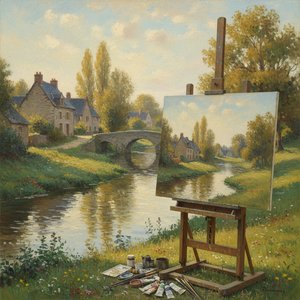
Gustave Loiseau: Capturing the Ephemeral Light of French Landscapes
Explore the captivating landscapes of Gustave Loiseau, a key Post-Impressionist painter. Discover his unique 'en treillis' technique and artistic legacy with our comprehensive guide.

Gustav Klimt'in En İyi 25 Eseri: Sanat, Dekor ve İkonik Güzellik | OriginalUniqueArt
Gustav Klimt'in en ikonik 25 eserini keşfedin! Viyana Secession'dan Art Nouveau'ya, altın renklerin büyüsünden sembolizmin derin anlamlarına uzanan bir sanat yolculuğu. Ev dekorasyonunuz için lüks tabloları OriginalUniqueArt.com'da inceleyin.

Paul Cézanne'ın En İyi 25 Eseri: Sanat Tarihinin İkonik Yapıtları ve Ev Dekorasyonu İçin İlham Veren Seçkiler
Paul Cézanne'ın en iyi 25 eserini keşfedin! Modern sanatın öncüsü Cézanne'ın post empresyonist tabloları, natürmortları ve renkli manzaralarıyla evinizi sanatsal bir atmosfere taşıyın. OriginalUniqueArt.com'da yüksek kaliteli sanat baskıları ve dekor fikirleri sizi bekliyor.
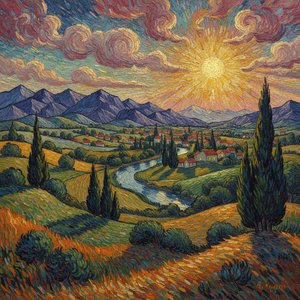
Beyond Impressionism: The Emotional Depth and Vibrant Evolution of Post-Impressionist Landscapes
Explore the profound evolution of Post-Impressionist landscapes. From Van Gogh's emotional brushwork to Cézanne's structural mastery, discover how these visionaries redefined art history through color and form in this expert guide for fine art enthusiasts.
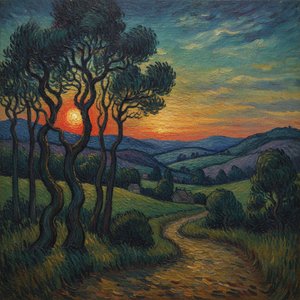
Beyond the Light: Capturing Raw Emotion and Subjective Vision in Post-Impressionist Landscapes
Explore the profound emotional depth of Post-Impressionist landscapes. Discover how masters like Van Gogh moved beyond light to capture raw human feeling through vibrant color and expressive texture in this expert art history retrospective.

