Gerçek Boyutta Önizle
 Paylaş
 Paylaş
 Detayları Gör
 Rehber

 İndir
İndir
 Benzer ürünler
 X-Işını
 Slayt Gösterisi
 Soru & Cevap
 İstatistikler
Calm Sea

- 70.0 x 80.0 cm


 Tümünü Gör
Giclée / Sanat Baskısı
Hızlı üretim ve esnek bitiş seçenekleriyle müze kalitesinde giclée veya kanvas baskı. ( El Yapımı Tablo Satın Al Dijital Görsele Geç)




P118B ₺10

P118H ₺10

P118W ₺10

P438Z ₺10

P508JH ₺12

P508YH ₺12

P805H ₺10

P805Z ₺10

P919BZ ₺10

P919G ₺10

P919XJ ₺10

P959ZH ₺10

P968JZ ₺12

W106C ₺8

W218G ₺10

W218JH ₺8

W218Y ₺10

W307PJ ₺10

W316G ₺10

W316PJ ₺8

W316Y ₺10

W398PJ ₺8

W4111J ₺10

W500HY ₺15

W500JH ₺15

W692G ₺12

W849H ₺8

W940BG ₺15

W953PJ ₺8




Eserin orijinal oranlarıyla uyumlu, önceden belirlenmiş boyutlarımız arasından seçim yapın.

Çerçevenize veya duvarınıza uygun olması için ihtiyacınız olan genişlik ve yüksekliği yazın. Bir baskı yalnızca kesilebilir, görselden daha büyük hale getirilemez; bu nedenle farklı bir formdaki boyut seçimi, görselin bir kısmının kaybına neden olur. Herhangi bir baskı yapmadan önce onaylamanız için size bir dijital taslak gönderiyoruz. Bu sayfada gösterilen resim gerçek kesimi göstermez — bunu yalnızca taslak gösterir.
Dünya Çapında Teslimat (); standart 4/5 hafta yerine 2 haftada. (5 Kasım)

Dünya Çapında Ücretsiz Ekspres Kargo

Yüksek Kaliteli Keten Kanvas

Tam Nakliye Sigortası

Gümrük Vergisi İadesi Garantisi

Gerçek Renk Uyumu Garantisi

100 Günlük İade Politikası (Sadece Kusurlu Ürünler İçin)

%100 Para İade Garantisi

Toplu Alım İndirimi
 Cam seçeneği yalnızca 110 cm altındaki boyutlar için mevcuttur.

Calm Sea
Giclée / Sanat Baskısı
Reproduksiyon Boyutu
-


Toplam Tutar
₺ 3985
A Moment Frozen in Time: Gustave Courbet’s “Calm Sea”
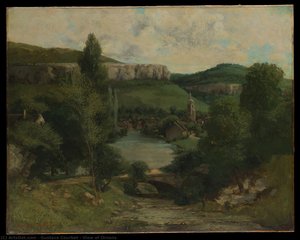
Gustave Courbet's "Calm Sea," painted in 1866, isn’t merely a depiction of a seascape; it’s an immersion into the very essence of observation and a profound meditation on the relationship between humanity and nature. This work, now housed within the Metropolitan Museum of Art, stands as a cornerstone of Realism, rejecting the romanticized ideals prevalent in earlier art movements and instead offering a brutally honest, almost photographic, portrayal of the Normandy coast. The painting immediately draws the viewer into its tranquil expanse – a wide vista dominated by the muted blues and greys of the English Channel meeting a sandy beach under an overcast sky. It’s a scene that invites contemplation, not grand drama or heroic narratives, but rather a quiet appreciation for the subtle beauty of the natural world.
Courbet's technique is remarkably understated yet powerfully effective. He eschews dramatic brushstrokes and vibrant colors in favor of tonal variations – a masterful manipulation of light and shadow to create depth and atmosphere. The loose, almost impressionistic application of paint lends a sense of movement to the water and sky, suggesting the ceaseless rhythm of the waves and the shifting patterns of clouds. Notice how he builds up layers of color, subtly blending hues to achieve an incredible sense of texture – the rough grit of the sand, the cool dampness of the sea spray, and the soft, billowing forms of the clouds. The composition is deliberately horizontal, emphasizing the vastness of the seascape and creating a feeling of spaciousness that draws the eye into the distance.
The Roots of Realism: Courbet’s Revolutionary Vision
“Calm Sea” emerged during a pivotal moment in art history – a time when artists were increasingly rejecting academic conventions and seeking to represent the world as they truly saw it. Courbet, a staunch advocate for this new approach, famously declared that “the artist must paint what he sees, not what he thinks he should see.” This philosophy is vividly embodied in "Calm Sea," which departs dramatically from the idealized landscapes favored by previous generations. Instead of presenting a picturesque vista designed to evoke emotion, Courbet offers an unvarnished depiction of a specific location – the Normandy coast – with all its imperfections and subtle nuances.
Courbet’s commitment to Realism extended beyond mere representation; it was deeply intertwined with social commentary. By focusing on everyday subjects—a simple seascape—he challenged the established hierarchy of artistic subject matter, elevating the lives of ordinary people and their surroundings to a position of equal importance. His work served as a direct response to the prevailing academic standards that privileged historical or mythological scenes over depictions of contemporary life.
Symbolism in Simplicity: Interpreting the Sea
While seemingly straightforward, “Calm Sea” is rich with subtle symbolism. The calm sea itself can be interpreted as representing tranquility and peace – a respite from the turmoil of everyday life. However, the overcast sky introduces an element of uncertainty and contemplation, suggesting that even in moments of serenity, there’s always a hint of complexity beneath the surface. The two distant figures on the beach—often identified as fishermen or perhaps simply travelers—add a human element to the scene, reminding us of our connection to nature and the enduring mysteries of the sea.
Furthermore, the painting's muted palette – dominated by greys, blues, and browns – reinforces this sense of quiet contemplation. There are no bold colors or dramatic contrasts; instead, Courbet relies on subtle tonal variations to create a mood of understated beauty. The lack of strong directional lines further contributes to the feeling of stillness and timelessness, inviting the viewer to lose themselves in the scene’s peaceful atmosphere.
A Legacy of Honest Observation
“Calm Sea” remains a powerful testament to Gustave Courbet's revolutionary vision and his unwavering commitment to Realism. It is a painting that rewards careful observation and invites repeated viewing, revealing new details and nuances with each encounter. More than just a beautiful seascape, it’s a profound meditation on the nature of perception, the relationship between humanity and the natural world, and the enduring power of honest observation. Its influence can be seen in countless subsequent artists who followed in Courbet's footsteps, embracing his commitment to portraying the world as he saw it – unidealized, raw, and profoundly real.
Soru ve Cevaplar
Gustave Courbet imzalı "Calm Sea" için hangi kullanım alanı ve mekan önerilir?
"Calm Sea" eseri Harmony için önerilmektedir; kullanım için en uygun alan ise bir Living Room'dur.
Gustave Courbet imzalı "Calm Sea" için bir slayt gösterisi mevcut mu?
Bir slayt gösterisi mevcuttur: Gustave Courbet imzalı "Calm Sea" eserinin Slayt Gösterisi sayfası.
Orijinal "Calm Sea" eserinin boyutları nedir?
"Calm Sea" adlı eserin orijinal boyutları 70 x 80 cm ölçülerindedir. Orijinal boyutlar, bir reprodüksiyon boyutu seçerken yararlı bir referans niteliğindedir.
Sanatçı Özgeçmişi
Jean Désiré Gustave Courbet: Gerçekliğin Asi Fırçası
Orleans’ın sakin köyünde, 1819 yılının 10 Haziran’ında dünyaya gözlerini açan Jean Désiré Gustave Courbet, sanat dünyasının yerleşik normlarına karşı bir başkaldırı simgesi olarak yükseldi. Onun hikayesi sadece tuval ve boya üzerine kurulu değil; aynı zamanda toplumsal eleştiriler, siyasi inançlar ve gördüğü dünyanın tam olarak – idealize edilmemiş, ham ve derinlemesine gerçek – tasvir etme konusundaki sarsılmaz bağlılığıyla örülü bir anlatı. Görece müreffeh bir burjuva ailesinde büyüyen Courbet, sanatçı olma arzusunu destekleyen annesinden aldığı teşvik sayesinde, sanata adanmış bir hayat sürmeye başladı. 1839’da Paris Güzel Sanatlar Akademisi'nde (École des Beaux-Arts) resim eğitimi almaya başladığında, o dönemde hakim olan akademik geleneklere ve romantik ideallere karşı kısa sürede bir hoşnutsuzluk duymaya başladı. Eugène Delacroix ve Théodore Géricault gibi isimlerden etkilenmiş olsa da, kendi özgün yolunu çizdi; hayal gücünden ziyade gözleme öncelik veren, geleneğin yerine gerçeği koyan bir yolu izledi.Gerçekçiliğin Doğuşu: Sanatsal Kurallara Meydan Okumak
Courbet’nin sanatsal gelişimi, hakim olan estetik standartlara karşı bilinçli bir reddetmeyle işaretlendi. Mitolojik anlatılarla veya kahramanca alegorilerle ilgilenmiyordu; bakışları sıradan insanların gündelik yaşamlarına, özellikle de emek ve kırsal varoluşla uğraşanların hayatlarına sabitlenmişti. Bu bağlılık – daha sonra Gerçekçilik olarak bilinecek olan – dünyayı süsleme olmaksızın tasvir etme taahhüdü, başlangıçta alışılmışın dışında, idealize edilmiş temsillerle tanışık eleştirmenler tarafından alay ve küçümsemeyle karşılandı. Erken dönem eserleri manzaraları ve portreleri kapsarken, kısa sürede işçi sınıfının yaşamlarını tasvir eden sahnelere yöneldi; bu sahneler geleneksel olarak tarihi veya dini resimler için ayrılan anıtsal bir ölçekte sunuldu. Bu bilinçli seçim sadece stilistik bir tercih değildi; sıklıkla göz ardı edilen bu konuların özünde yatan onuru ve önemi ifade eden bir beyandı. 1849’da tamamlanmış, ancak II. Dünya Savaşı sırasında trajik bir şekilde yok olan Taş Kırıcılar (The Stone Breakers), bu yaklaşımı örneklendirdi – tükenmişlik ve zorluklarla yüzleri belirsiz iki işçinin acımasız bir tasviri. Bu tablo, Ornans’da Bir Cenaze (A Burial at Ornans) gibi diğerleriyle birlikte sanat için “değerli” olan şeyin tanımını sorguladı.Başlıca Eserler ve Sanatsal Felsefe
1850-51 yıllarında sergilendiğinde Ornans’da Bir Cenaze, tipik olarak büyük tarihi resimler için ayrılan devasa bir tuval üzerinde, acımasız gerçekçiliği ve duygusal idealizmin eksikliğiyle izleyicileri şaşkına çevirdi. Courbet, yaslıları soylu veya kederli figürler olarak tasvir etmedi; onları duygu, sıkıntı ve teslimiyetin karışımıyla yüzleri kazınmış sıradan insanlar olarak sundu. Bu dürüstlük devrim niteliğindeydi. Sanatsal felsefesi konu konusundaki taahhüdün ötesine geçerek tekniği de kapsadı; doğrudan, impasto tarzını tercih etti – boyayı tuval üzerine kalın bir şekilde uygulayarak aracın maddi özelliklerini vurguladı. 1855 yılında sanatsal inançlarını ve çağdaş toplumsal konularla olan etkileşimini yansıtan alegorik bir çalışma olan Ressamın Atölyesi (The Painter’s Studio), onu kışkırtıcı ve bağımsız bir sanatçı olarak pekiştirdi. 1863 yılında resmi Salon tarafından reddedilen eserlerin sergilendiği Salon des Refusés'ye katılımı, onun bir başkaldırı sembolü ve sanatsal özgürlüğün savunucusu olma statüsünü sağladı. Fontainebleau Ormanı’ndaki Manzara (View in the Forest of Fontainebleau) gibi manzaralar bile romantizmden uzaklaşarak ormanın doğal güzelliğini yakalayan bir gerçekçilik duygusuyla yoğrulmuştu.Mirası ve Tarihi Önemi
Gustave Courbet’nin sonraki sanat akımları üzerindeki etkisi yadsınamaz. Caravaggio'dan ilham alsa da, onun dramatik gerçekçiliği ve ışık ve gölge kullanımı sadece taklitçi değildi. Geleneksel temsillerin kısıtlamalarından onları kurtararak Empresyonistleri ve Post-Empresyonistleri etkiledi ve dünyayı görme ve tasvir etme konusunda yeni yollar keşfetmelerini teşvik etti. Toplumsal eleştirisine olan vurgusu, çalışmalarını siyasi aktivizm için bir platform olarak kullanan daha sonraki toplumsal açıdan bilinçli sanatçıların önünü açtı. Courbet sadece bir ressam değil; aynı zamanda sanatsal özgürlük ve siyasi değişim için sesli bir savunucuydu ve 1871 Paris Komünü de dahil olmak üzere döneminin çalkantılı olaylarına aktif olarak katıldı – bu katılım, İsviçre'ye sürgünle sonuçlandı. 1877’de hayata veda ettiğinde, günümüzde hala izleyicileri ilham veren ve kışkırtan bir eser yığını bırakarak geride bıraktı.- Gerçekçiliğin öncüsü
- Akademik kurallara meydan okudu
- Empresyonizm & Post-Empresyonizmi etkiledi
- Sanatsal özgürlüğün savunucusu

Gustave Courbet
1819 - 1877 , Fransa
Kısa Bilgiler
- Artistic Movement Or Style: Gerçekçilik
- Artists Or Movements Influenced By This Artist:
- İmpresyonizm
- Post-Empresyonizm
- Artists Who Influenced This Artist:
- Delacroix
- Géricault
- Caravaggio
- Date Of Birth: 31 Temmuz 1819
- Date Of Death: 29 Nisan 1877
- Full Name: Gustave Courbet
- Nationality: Fransız
- Notable Artworks:
- Taş Kırıcılar
- Ornans'da Bir Cenaze
- Ressamın Atölyesi
- Place Of Birth: Ornans, Fransa
Benzer Yazılar

Romantic Realism's Finest: 10 Masterpieces for Your Home | OriginalUniqueArt
Explore 10 defining masterpieces of Romantic Realism! Discover Courbet, Millet & Daumier's powerful paintings—capturing emotion and social realities. Find museum-quality reproductions for your home at OriginalUniqueArt.com.

Gustav Klimt'in En İyi 25 Eseri: Sanat, Dekor ve İkonik Güzellik | OriginalUniqueArt
Gustav Klimt'in en ikonik 25 eserini keşfedin! Viyana Secession'dan Art Nouveau'ya, altın renklerin büyüsünden sembolizmin derin anlamlarına uzanan bir sanat yolculuğu. Ev dekorasyonunuz için lüks tabloları OriginalUniqueArt.com'da inceleyin.
Gerçekçiliğin İzleri: Evinizi Sanatla Taşıyan 10 Başyapıt
Gerçekçiliğin zirvesi! Courbet, Millet ve daha fazlasıyla 10 başyapıtı keşfedin. Sanat tarihinin en etkileyici eserleri ile evinizi dönüştürün. OriginalUniqueArt.com'da online tablo koleksiyonunu inceleyin!
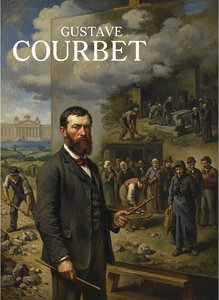
Gustave Courbet: Realism's Revolutionary Vision & the Social Canvas of 19th-Century France
Explore the revolutionary art of Gustave Courbet, pioneer of Realism. Discover his iconic paintings, social commentary, and lasting impact on 19th-century French art history. Expert analysis & insights.
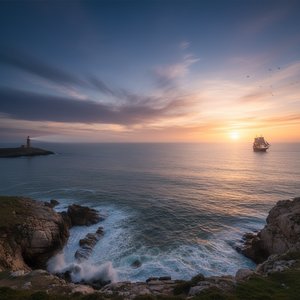
The Allure of the Horizon: A Comprehensive Exploration of Seascape Art Through History & Emotion
Explore the captivating world of seascape art! Discover its history, key artists & movements – from Dutch Masters to Impressionism. Expert insights for collectors and enthusiasts at OriginalUniqueArt.