

 Önizle
 Gönder
 Paylaş
 Detaylar
 Rehber

 Dosyayı İndir
 Benzerleri
 X-Işını
 Slayt Gösterisi
 İstatistikler
Fruit Displayed on a Stand
 Acrylic On Canvas
- WallArt
- Impressionist Painting
 1882
1882 76.0 x 100.0 cm
 Museum of Fine Arts
 Devamını Oku
Giclée / Sanat Baskısı
Hızlı üretim ve esnek bitiş seçenekleriyle müze kalitesinde giclée veya kanvas baskı. ( El Yapımı Tablo Satın Al Dijital Görsel Satışına Geç)




P118B ₺10

P118H ₺10

P118W ₺10

P438Z ₺10

P508JH ₺12

P508YH ₺12

P805H ₺10

P805Z ₺10

P919BZ ₺10

P919G ₺10

P919XJ ₺10

P959ZH ₺10

P968JZ ₺12

W106C ₺8

W218G ₺10

W218JH ₺8

W218Y ₺10

W307PJ ₺10

W316G ₺10

W316PJ ₺8

W316Y ₺10

W398PJ ₺8

W4111J ₺10

W500HY ₺15

W500JH ₺15

W692G ₺12

W849H ₺8

W940BG ₺15

W953PJ ₺8




Eserin orijinal oranlarıyla uyumlu, önceden belirlenmiş boyutlarımız arasından seçim yapın.

Çerçevenize veya duvarınıza uygun olması için ihtiyacınız olan genişlik ve yüksekliği yazın. Bir baskı yalnızca kesilebilir, görselden daha büyük hale getirilemez; bu nedenle farklı bir formdaki boyut seçimi, görselin bir kısmının kaybına neden olur. Herhangi bir baskı yapmadan önce onaylamanız için size bir dijital taslak gönderiyoruz. Bu sayfada gösterilen resim gerçek kesimi göstermez — bunu yalnızca taslak gösterir.
Dünya Çapında Teslimat (); standart 4/5 hafta yerine 2 haftada. (26 Ekim)

Dünya Çapında Ücretsiz Ekspres Kargo

Yüksek Kaliteli Keten Tuval

Tam Nakliye Sigortası

Gümrük Vergisi İadesi Garantisi

Gerçek Renk Uyumu Garantisi

100 Günlük İade Koşulları (Sadece Üretim Hatalı Ürünler İçin)

%100 Para İade Garantisi

Toplu Alım Avantajı
 Cam seçeneği yalnızca 110 cm altındaki boyutlar için mevcuttur.

Fruit Displayed on a Stand
Giclée / Sanat Baskısı
Baskı Boyutu
-


Toplam Fiyat
₺ 3916
A Snapshot of Parisian Modernity
Gustave Caillebotte's "Fruit Displayed on a Stand," painted in 1882, isn’t merely a still life; it’s a meticulously observed fragment of late 19th-century Paris. Far removed from the grand historical narratives favored by many of his contemporaries, Caillebotte chose to capture an ordinary moment – the arrangement of fruit on market stalls – transforming it into a compelling study of light, form, and urban life. This seemingly simple composition reveals a keen awareness of the burgeoning modern world, reflecting the rapid transformations occurring within the city’s bustling streets and evolving social landscape.
The painting immediately draws the eye to Caillebotte's masterful manipulation of light. He employs a broken, almost fragmented approach, utilizing short, distinct brushstrokes to capture the interplay of sunlight on the various fruits. This technique, characteristic of Impressionism, avoids smooth blending and instead creates a vibrant mosaic of color and texture. The light isn’t uniform; it pools and dances across the surfaces of the apples, oranges, grapes, and bananas, lending each element an individual luminosity. Notice how he uses reflected light – the way the fruit subtly illuminates the surrounding space – to create a sense of depth and realism that belies the painting's relatively small scale.
The Influence of Photography
Caillebotte’s artistic vision was profoundly shaped by his early fascination with photography. He saw in the medium’s ability to capture fleeting moments and precise details a new approach to representation. This influence is evident in "Fruit Displayed on a Stand" through its careful composition, sharp focus, and realistic depiction of textures – from the smooth skin of an orange to the delicate fuzz of a grape. Unlike traditional still life painters who sought to idealize their subjects, Caillebotte embraced the imperfections and irregularities of the natural world, mirroring the photographic aesthetic he admired.
Furthermore, the painting’s arrangement echoes the compositional strategies found in photographs of the time. The fruits are presented with a sense of immediacy, as if captured mid-display. The slightly tilted stand adds to this feeling of spontaneity and realism, suggesting a candid observation rather than a staged presentation. This deliberate choice reflects Caillebotte's desire to move beyond the conventions of academic painting and embrace a more direct and truthful representation of reality.
Symbolism and Urban Life
While seemingly straightforward, "Fruit Displayed on a Stand" carries subtle symbolic weight. The abundance of fruit can be interpreted as a celebration of life and prosperity – a visual metaphor for the vitality of Paris during this period of rapid industrialization and economic growth. However, the fruits themselves are not presented in an idealized manner; they are slightly bruised, imperfect, and arranged on humble market stalls. This juxtaposition hints at the realities of urban life—the contrast between wealth and poverty, abundance and scarcity.
The painting also offers a glimpse into the everyday commerce of Parisian streets. The fruit stands were vital components of the city’s economy, providing sustenance to its diverse population. Caillebotte's depiction captures this essential aspect of urban life, transforming a commonplace scene into a work of art that invites contemplation and reflection. It is a testament to his ability to find beauty and significance in the ordinary.
A Timeless Masterpiece
“Fruit Displayed on a Stand” remains a captivating example of Impressionist painting, showcasing Caillebotte’s innovative approach to light, composition, and subject matter. Its enduring appeal lies not only in its technical brilliance but also in its ability to evoke a sense of place and time—a vivid snapshot of Parisian life at the cusp of modernity. Reproductions of this work offer a remarkable opportunity to experience the artist's unique vision and appreciate the beauty found within the seemingly mundane.
Soru ve Cevaplar
Gustave Caillebotte imzalı "Fruit Displayed on a Stand" eserinin renkleri nasıl bir duygu uyandırıyor?
Gustave Caillebotte imzalı "Fruit Displayed on a Stand" eserinin Neutrals paleti, Reflective duygusal tonuyla bir bütünlük sergiliyor. Renk, bir eserin duyguyu aktarma yollarından biridir.
Gustave Caillebotte imzalı "Fruit Displayed on a Stand" eserini odamda görmek için artırılmış gerçekliği kullanabilir miyim?
Gustave Caillebotte imzalı "Fruit Displayed on a Stand" eserinin AR Önizleme sayfası, uyumlu bir cihaz üzerinden sanat eserini kendi mekanınızda görmeniz için artırılmış gerçekliği kullanır.
"Fruit Displayed on a Stand" ne zaman ve hangi malzemelerle yapıldı?
"Fruit Displayed on a Stand", 1882 yılında, Acrylic On Canvas tekniğiyle yapılmıştır."
Sanatçı Biyografisi
Yeni Çağın Parisli Sanatçısı: Gustave Caillebotte’un Yaşamı ve Eserleri
Gustave Caillebotte, 1848 yılında müreffeh bir Parisli aileye doğmuştu ve şehrini yeniden şekillendiren dramatik dönüşümleri yakalamak için eşsiz bir konumdaydı. Babası Martial Caillebotte, başarılı bir tekstil işini devralmış ve hakim olarak görev yapmıştı; Gustave’e hem finansal güvence hem de gelişen modern dünyayı gözlemleme imkanı sağlamıştı. Başlangıçta hukuk eğitimi almış – 1868 ve 1870 yıllarında hukuk dereceleri kazanmıştı – Caillebotte’un gerçek çağrısı sanat alanındaydı. Léon Bonnat altında resim eğitimine ciddi bir şekilde başladı, aynı zamanda resmini derinden etkileyecek yükselen bir ortam olan fotoğrafçılığa da büyük ilgi duydu. Bu erken dönemde edindiği fotografik prensiplerle tanışması – çerçeveleme, perspektif ve anlık yakalama yeteneği – ayırt edici stilinin temel unsurları haline geldi. Caillebotte sadece değişimi belgelemekle kalmıyordu; sunduğu estetik olanaklarla aktif olarak ilgileniyordu.Gerçekçiliğin İzlenimci Işıkla Harmanlanması
Caillebotte’un sanatsal yolu katı akademik gelenekten ayrıldı, ancak birçok İzlenimci meslektaşının tamamen optik keşiflerini benimsemedi. Edgar Degas ve Giuseppe de Nittis gibi sanatçılarla akrabalık kurdu, modern hayranlığı paylaştı ancak onu titiz bir gerçekçilik merceğinden yaklaştırdı. Erken dönem başyapıtı Les Raboteurs de Parquet (Zemin Cilacısı), 1875 Salonu’nda sergilendiğinde, hemen cesur ve alışılmadık bir ressam olarak itibarını pekiştirdi. Eser, üç işçinin ahşap zemini özenle cilalamasını tasvir ediyor; bazı izleyicileri şok eden ancak diğerlerini büyüleyen titiz bir dürüstlükle sunuluyor. Sadece konu – işçi sınıfı nadiren yüksek sanatın tuvaline yansıyordu – aynı zamanda kompozisyon da dikkat çekiciydi: kırpılmış, neredeyse rahatsız edici derecede doğrudan ve duygusal idealizasyondan uzak. Çağdaş yaşamı abartmadan tasvir etme taahhüdü, The Iron Bridge (Demir Köprü) gibi eserlerde devam etti; burada hızla değişen Paris’in endüstriyel manzarasını ustalıkla yakaladı. Ancak Caillebotte İzlenimciliğin etkisinden bağışık değildi; paleti kademeli olarak aydınlandı ve özellikle karla kaplı Paris çatılarının çarpıcı manzaralarında, kırık fırça darbeleri ve atmosferik efektlerle denemeye başladı, örneğin View of Rooftops (Snow).Bir Koruyucu ve Öncü: Sanat Dünyasında Yolunu Bulmak
Kendi sanatsal çabalarının ötesinde, Caillebotte İzlenimci hareketini desteklemede önemli bir rol oynadı. Finansal bağımsızlığı, Monet, Renoir, Pissarro, Cézanne, Degas ve diğerlerinin eserlerini satın almasına olanak tanıdı; bu sanatçılar resmi Salonda büyük ölçüde reddedildiğinde. Sadece bir koleksiyoncu değildi; bu sanatçıları aktif olarak savundu, geleneksel sanatsal normlara meydan okuyan birkaç İzlenimci seriyi organize etti ve finanse etti. Bu yeniliği teşvik etme arzusu kendi koleksiyonuna kadar uzandı; ölümünde 1894 yılında Fransız devletine bağışladı – başlangıçta dirençle karşılanan ancak sonunda Musée d’Orsay'ın ünlü İzlenimci elmalarının temelini oluşturan bir miras. Caillebotte’un benzersiz perspektifi kompozisyonlarında da kendini gösterdi; 1880 yılında çizilen Boulevard vu d’en haut (Yukarıdan Görünen Bulvar) gibi eserler, yükseltilmiş bir bakış açısı ve 20. yüzyılın fotografik perspektiflerini öngören dinamik kırpma kullanarak çarpıcı bir modern duyarlılık sergiliyor. Japon baskıları ve kendi fotografik deneyimlerinden etkilenmiş olabilecek bu yenilikçi kompozisyon yaklaşımı, onu gerçek bir öncü olarak tanımladı.Mirası ve Yeniden Keşfi: Kurtarılan Modern Bir Usta
Ölümünden sonraki onlarca yıl boyunca Caillebotte’un eseri nispeten gölgeli kaldı; daha ünlü İzlenimcilerin gölgesinde kaldı. Ancak 20. yüzyılın sonlarında, akademik araştırmalar ve büyük sergiler tarafından tetiklenen sanatının kapsamlı bir yeniden değerlendirilmesi başladı. Bu keşif, olağanüstü teknik beceriye, entelektüel derinliğe ve vizyoner içgörüye sahip bir sanatçıyı ortaya çıkardı. Caillebotte’un resimleri sadece modern yaşamın tasvirleri değil; aynı zamanda kentsel varoluşun karmaşıklığına, değişen sosyal manzaraya ve sanat ile gerçeklik arasındaki evrilen ilişkiye dair derin düşüncelerdir. Gerçekçiliği İzlenimci tekniklerle kusursuz bir şekilde harmanlama yeteneği, yenilikçi kompozisyonları ve çevresindeki dünyayı tasvir etmeye olan sarsılmaz bağlılığı, onu 19. yüzyıl sanatında önemli bir figür olarak sağlamlaştırdı. Bugün Caillebotte’un eserleri benzersiz perspektifi, ustalıkla yürütülmesi ve kalıcı alaka düzeyi nedeniyle kutlanıyor – yeni bir çağın ruhunu yakalayan bir sanatçının kanıtı.Önemli Eserler
- Les Raboteurs de Parquet (Zemin Cilacısı) (1875): Caillebotte’un gerçekçiliğini ve alışılmadık kompozisyonunu sergileyen çığır açan bir eser.
- View of Rooftops (Snow) (1878): Fotoğrafçılıktan ve Japon baskılarından etkilenerek yüksek bakış açılarını ve atmosferik efektleri gösteriyor.
- Boulevard vu d’en haut (Yukarıdan Görünen Bulvar) (1880): Dinamik bir perspektife sahip çarpıcı bir modern kompozisyon.
- Paris Street; Rainy Day (1877): Belki de en ünlü eseri, Paris yaşamının hareketli enerjisini benzersiz ve etkileyici bir şekilde yakalıyor.
- The Bezique Game(1881) : Paris eğlencesinin büyüleyici bir İzlenimci tablosu.

Gustave Caillebotte
1848 - 1894 , Fransa
İlgili Yazılar
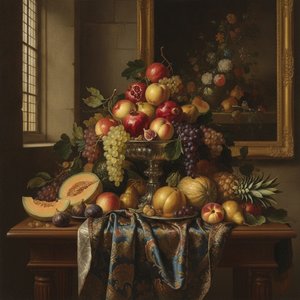
Nature's Bounty: The Art History of Fruit Arrangement Masterpieces and the Baroque Still Life Tradition
Explore the profound beauty of fruit arrangement masterpieces. From Dutch Golden Age opulence to Baroque chiaroscuro, discover the art history, symbolism, and timeless elegance of classical still life paintings for the discerning collector.
The Enduring Appeal of Still Life: A Historical & Contemporary Exploration
Explore the rich history & symbolism of still life painting with OriginalUniqueArt. Discover masterpieces from the Dutch Golden Age, learn about vanitas art, and find expert guidance for collecting timeless artworks.
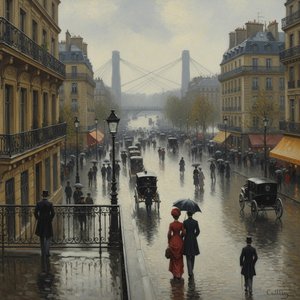
Gustave Caillebotte: Bridging Realism & Modernity in Parisian Life
Explore the life & art of Gustave Caillebotte, a pivotal figure bridging Realism & Impressionism. Discover his iconic Parisian scenes and lasting legacy with OriginalUniqueArt.

The Bountiful Still Life: Symbolism & Artistic Representation of Fruit Across Art History
Explore the rich history of still life painting & the symbolism of fruit across art movements. Discover masterpieces from Caravaggio to Cézanne with OriginalUniqueArt – expert guidance & museum-quality reproductions.

Paul Cézanne'ın En İyi 25 Eseri: Sanat Tarihinin İkonik Yapıtları ve Ev Dekorasyonu İçin İlham Veren Seçkiler
Paul Cézanne'ın en iyi 25 eserini keşfedin! Modern sanatın öncüsü Cézanne'ın post empresyonist tabloları, natürmortları ve renkli manzaralarıyla evinizi sanatsal bir atmosfere taşıyın. OriginalUniqueArt.com'da yüksek kaliteli sanat baskıları ve dekor fikirleri sizi bekliyor.


