
 Önizleme yap
 Paylaş
 Paylaş
 Detayları Gör

 İndir
İndir
 Benzerlerini gör
 X-Işını
 Slayt Gösterisi
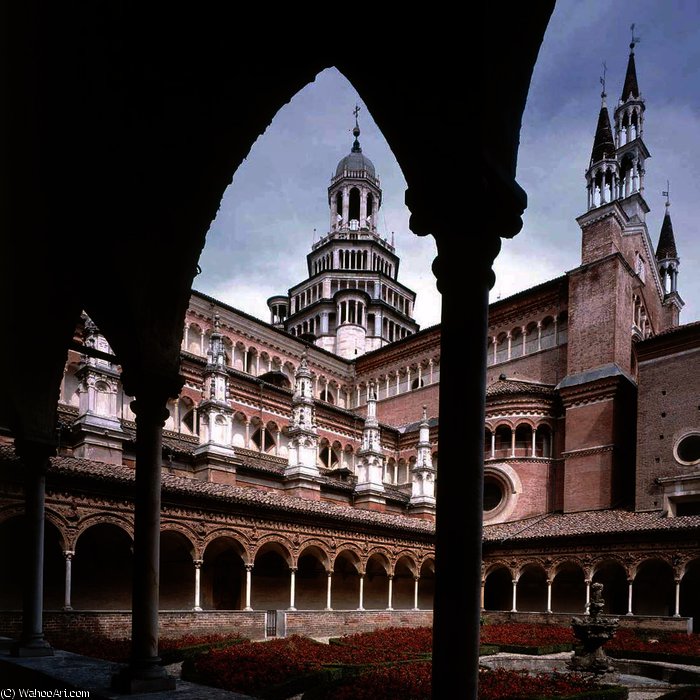
Small cloister


 Tümünü Gör
Giclée / Sanat Baskısı
Hızlı üretim ve esnek bitiş seçenekleriyle müze kalitesinde giclée veya kanvas baskı. ( El yapımı tablo satın al Görsel satın al)




































Eserin orijinal oranlarıyla uyumlu, önceden belirlenmiş boyutlarımız arasından seçim yapın.

Belirli bir çerçeveye veya alana uyması için kendi ölçülerinizi girebilirsiniz. Seçtiğiniz boyut orijinal görüntünün oranlarıyla eşleşmiyorsa, sanat eserini kırpacağız veya görüntüyü aynalanmış ya da düz dolgulu bir kenarlıkla genişleteceğiz. Üretim başlamadan önce onayınız için bir dijital taslak gönderilecektir.
Lütfen ekrandaki önizlemenin gerçek kırpma veya genişletmeyi yansıtmadığını unutmayın. Nihai kompozisyonu yalnızca taslak doğru bir şekilde gösterecektir.
Özel boyutlar mevcut olsa da, orijinal oranları korumak için önceden tanımlanmış listeden bir boyut seçmenizi öneririz.
Dünya Çapında Teslimat (); standart 4/5 hafta yerine 2 haftada. (19 Ağustos)

Dünya Çapında Ücretsiz Ekspres Kargo

Yüksek Kaliteli Keten Tuval

Tam Kapsamlı Nakliye Sigortası

Gümrük Vergisi İade Garantisi

Gerçek Renk Uyumu Garantisi

60 Günlük İade Politikası (Sadece Kusurlu Ürünler İçin)

%100 Para İade Garantisi

Toplu Alım İndirimi
 Cam seçeneği yalnızca 110 cm altındaki boyutlar için mevcuttur.

Small cloister
Giclée / Sanat Baskısı
Reproduksiyon Boyutu
-


Toplam Tutar
$ 80
Sanatçı Özgeçmişi
The Architect of Milanese Renaissance Splendor
Guiniforte Solari stands as a pivotal figure in the artistic landscape of Milan during the High Renaissance, renowned primarily for his monumental architectural designs and breathtaking frescoes that adorn some of Italy’s most iconic churches. Born into a family steeped in artistic tradition—his father, Pietro Antonio Solari, was also an architect—Guiniforte inherited a legacy of craftsmanship and innovation that would propel him to international acclaim. While biographical details remain somewhat sparse due to the limitations of surviving documentation from his era, scholarly research has painstakingly reconstructed his life’s trajectory and illuminated the profound impact he exerted on Milanese artistic culture.
Little is known about Solari's formative years beyond confirming his birth in Milan around 1429. His father served as a respected architect for the Visconti dukedom, exposing Guiniforte to the principles of classical design and humanist ideals from an early age. Evidence suggests that Solari received extensive training under Filarete Bolognese, arguably the most influential architect of his time—a collaboration that cemented Filarete’s vision of a harmonious blend between Roman grandeur and Florentine elegance. This mentorship undoubtedly shaped Solari's aesthetic sensibilities and instilled in him a dedication to mastering the complexities of architectural construction and ornamentation.
A Legacy Carved in Stone and Spirit
Solari’s magnum opus, the Ospedale Maggiore in Milan, represents an unparalleled achievement of Renaissance architecture. Commissioned by Ludovico Sforza, the Duke of Milan, Solari embarked on this ambitious project in 1465, transforming a dilapidated medieval hospital into a magnificent edifice that embodies the humanist spirit of its time. The building’s innovative use of ribbed vaults and its grand scale reflected a new era of civic pride and scientific advancement. Beyond his structural triumphs, Solari was also a master of the decorative arts, leaving behind frescoes that breathed life into sacred spaces.
His work often navigated the delicate tension between the established Gothic traditions of Lombardy and the emerging Renaissance styles flowing from Florence and Rome. While he was known to engage in professional disputes with architects like Filarete—who sought to modernize Milanese architecture—Solari remained a guardian of a specific local grandeur. His contributions to the Duomo di Milano and various religious institutions ensured that his name would be forever etched into the very fabric of the city's skyline.
Historical Significance and Enduring Influence
The historical importance of Guiniforte Solari lies in his role as a bridge between eras. He was not merely a builder but an engineer and sculptor who understood how space, light, and stone could coalesce to inspire awe. His ability to manage large-scale civic projects while maintaining the intricate detail required for religious ornamentation made him the chief engineer of the Duchy of Milan during his lifetime.
The enduring legacy of Solari can be seen in several key areas:
- Architectural Innovation: His mastery of complex vaulting systems and large-scale urban planning.
- Cultural Preservation: The synthesis of the local Lombard Gothic tradition with new Renaissance humanism.
- Civic Impact: The creation of monumental structures like the Ospedale Maggiore that served both functional and symbolic purposes for the Milanese people.
As we look upon the historic monuments of Milan today, we see the fingerprints of a man who helped define the visual identity of an entire epoch. Guiniforte Solari remains a testament to the power of architectural vision to shape the soul of a city.
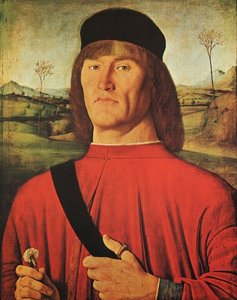
guiniforte solari
1429 - 1481 , Italy
Kısa Bilgiler
- Artistic Movement Or Style: Renaissance
- Artists Or Movements Influenced By This Artist: ['']
- Artists Who Influenced This Artist: ['Filarete']
- Date Of Birth: Milan, Italy (1429)
- Date Of Death: 1481
- Full Name: Guiniforte Solari
- Nationality: Italian
- Notable Artworks: ["Ceiling of the church's transept"]
- Place Of Birth: Milan

