

 Önizle
 Gönder
 Paylaş
 Detaylar
 Rehber

 Dosyayı İndir
 Benzerleri
 X-Işını
 Slayt Gösterisi
 İstatistikler
Luigi Dauphin


 Devamını Oku
Çevrimiçi önizlemeden çok daha yüksek kalitede, iyileştirilmiş ve yüksek çözünürlüklü bir dijital görüntü satın alın.
Her dosya, uzman ekibimiz tarafından gelişmiş araçlar ve titiz manuel rötuş teknikleri kullanılarak özenle hazırlanır. Her görüntünün olağanüstü netliğe, kusursuz renk doğruluğuna ve ince ayrıntılara sahip olduğundan emin oluruz.
Son dosya; profesyonel, editoryal ve baskı süreçlerinde anında kullanıma uygun şekilde optimize edilerek 72 saat içinde e-posta yoluyla teslim edilir. Bu, seçkin tasarım stüdyoları, yayıncılar ve galerilerin güvendiği aynı kalite standartlarındadır.
Dijital Görsel
Kişisel kullanım, baskı ve yaratıcı projeleriniz için yüksek çözünürlüklü bir dosya indirin. ( Baskı Satışına Geç El Yapımı Tablo Satın Al)
Her Dijital Görüntü Siparişine Dahil Olanlar
Profesyonel Dijital Teslimat Garantisi
OriginalUniqueArt.com seçtiğinizde, sadece bir görsel edinmekle kalmaz; titizlikle hazırlanmış, profesyonelce iyileştirilmiş dijital bir sanat eserine sahip olur ve memnuniyet garantisiyle güvence altına alınırsınız. Siparişinizle birlikte otomatik olarak sunulan her şey şunlardır:

Hızlı E-posta ile Teslimat
Yüksek çözünürlüklü dijital görüntü dosyanız, siparişinizin ardından en geç 72 saat içinde e-posta ile size gönderilecek ve hemen kullanıma hazır olacaktır.

Yapay Zeka Destekli Dijital Dosya
Sanat eseriniz; maksimum detay, netlik ve renk doğruluğu sağlamak amacıyla gelişmiş yapay zeka araçları ve manuel düzenleme kullanılarak profesyonelce optimize edilmektedir.

Ömür Boyu Ücretsiz Yeniden Gönderim
Dosyanızı yanlışlıkla mı sildiniz yoksa kayıp mı oldu? Endişelenmeyin; dosyanızı dilediğiniz zaman size ücretsiz olarak tekrar göndereceğiz.

Asla İthalat Ücreti Ödemeyin
Sanat eserinizin tadını gümrük vergisi, harç veya teslimat ücreti ödemeden anında çıkarın; dijital indirmeler her zaman vergiden muaftır.

Renk Doğruluğu Garantisi
Profesyonel araçlar ve renk yönetimi kullanarak dijital görselinizin orijinal renklere mümkün olduğunca yakın yansıtılmasını sağlıyoruz.

100 Günlük Memnuniyet Garantisi
If you're not satisfied with your digital image, we'll revise it or refund 100% within 100 days - no questions asked.

100% Para İadesi Garantisi
Memnun kalmadınız mı? Dijital dosyanızı teslim aldıktan sonraki 100 gün içinde, hiçbir soru sorulmaksızın tam para iadesi alabilirsiniz.

Toplu Sipariş İndirimleri
Buy 3 images, save 10% - Buy 5, save 15% - Buy 10+, save 20%. Great for creative projects, galleries, and agencies.
Monument to the Dauphin: A Reflection of Neoclassical Sentiment
The Monument to the Dauphin by Guillaume II Coustou stands as a poignant emblem of French sculpture during the reign of Louis XV, embodying both artistic innovation and profound emotional resonance. Completed in 1777 for the Cathedral of Sens, this monumental marble sculpture transcends mere commemoration; it’s an exploration of grief, faith, and the idealized vision of classical beauty that defined the neoclassical movement.
- Historical Context: Commissioned to honor Louis XV's son, who tragically perished young, the monument arose from a period marked by intellectual fervor and artistic revival. The neoclassicism championed by artists like Jacques-Germain Durande and Jean-François Raspail sought inspiration in ancient Greece and Rome, rejecting the ornate excesses of Baroque art.
- Sculptural Style: Coustou’s approach distinguishes itself from its predecessors through a deliberate absence of portraiture—a conscious decision to forgo depicting the deceased Dauphin directly. Instead, he opted for allegorical figures representing Time and Conjugal Love, skillfully crafted in polished marble to convey solemn dignity.
- Technique: Coustou’s mastery is evident in the meticulous execution of drapery folds and anatomical precision—characteristics typical of neoclassical sculpture. The sculptor utilized a combination of carving techniques, including Buon Fresco (indirect painting) and polishing, resulting in surfaces that shimmer with subtle luminescence.
- Symbolism: The central urn symbolizes mortality and remembrance, serving as a focal point for contemplation on the ephemeral nature of life. Time’s outstretched hand represents the relentless passage of time, while Conjugal Love embodies compassion and devotion—themes reflecting the humanist values prevalent during Louis XV's era.
- Emotional Impact: Viewing the Monument to the Dauphin evokes feelings of melancholy and reverence. Its serene composition invites viewers to contemplate themes of loss, faith, and the enduring beauty of classical ideals – a testament to Coustou’s ability to capture complex emotions within a timeless form.
The monument's placement within Sens Cathedral underscores its significance as a devotional artwork. Its grandeur speaks to the aspirations of French art during a time of considerable artistic experimentation, cementing Coustou’s legacy as one of the foremost sculptors of his generation and securing his place in the annals of neoclassical history.
- Further Exploration: Interested in acquiring a high-quality reproduction of this masterpiece? Visit OriginalUniqueArt.com to explore our curated collection of artistic reproductions.
References:
- Monument to the Dauphin by COUSTOU, Guillaume II - Web Gallery of Art
- Guillaume Coustou the Younger - Wikipedia
Sanatçı Biyografisi
Guillaume II Coustou: Life and Legacy
Early Life and Training
- Guillaume Coustou II was born in Paris, France, in 1716. He came from a distinguished family of sculptors – the son of Guillaume Coustou I and nephew of Nicolas Coustou.
- His artistic training began within the family atelier, benefiting directly from the expertise of his father and uncle. This familial foundation instilled in him a strong understanding of sculptural techniques and traditions.
- In 1736, he won the prestigious Prix de Rome, granting him the opportunity to study at the French Academy in Rome until 1739. This period was crucial for his artistic development, exposing him to classical sculpture and Italian Baroque styles.
Artistic Development and Style
- Upon returning to Paris, Coustou seamlessly continued his father’s work, most notably completing the monumental Horse Tamers (Chevaux de Marly), a commission initially undertaken by Guillaume I but left unfinished due to illness.
- His style evolved throughout his career, demonstrating a transition from the late Baroque exuberance of his early works to the more restrained and emotionally evocative forms of emerging Neoclassicism.
- He skillfully blended dramatic narrative with classical ideals, creating sculptures that were both visually impressive and intellectually engaging.
Major Achievements and Notable Works
- Horse Tamers (Chevaux de Marly): Perhaps his most famous achievement, these dynamic bronze sculptures depict horsemen controlling powerful steeds, embodying strength and mastery.
- Monument to the Dauphin: This elaborate sculptural ensemble for Sens Cathedral was a significant commission that showcased Coustou’s ability to handle complex iconography and large-scale projects. The design's detailed imagery was developed in collaboration with Charles-Nicolas Cochin.
- Vulcan: His morceau de réception (admission piece) for the Académie Royale de Peinture et de Sculpture, a seated Vulcan, exemplifies his Baroque sensibilities.
- Ganymede: This sculpture demonstrates Coustou’s embrace of early Neoclassical aesthetics, drawing inspiration from Roman sculptures like those of Antinous.
Influences and Legacy
- Coustou was profoundly influenced by his father and uncle, inheriting their technical skill and artistic sensibility. His time in Rome exposed him to the works of classical sculptors and Italian Baroque masters.
- He, in turn, influenced a generation of younger sculptors, including Claude Dejoux, Pierre Julien, and the Danish sculptor Johannes Widewelt, who studied under him.
- His work represents an important bridge between the Baroque and Neoclassical periods in French sculpture, contributing to the evolving artistic landscape of 18th-century Europe.
Historical Significance
- Guillaume II Coustou played a vital role in shaping the aesthetic direction of French sculpture during a period of significant artistic change.
- His ability to adapt his style and embrace new influences allowed him to maintain a successful career under different patronage systems.
- His sculptures continue to be admired for their technical virtuosity, dramatic power, and historical significance, solidifying his place as a notable figure in the history of French art.
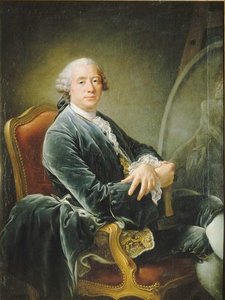
guillaume ii coustou
1716 - 1777 , France
Kısa Bilgiler
- Birth Date: 1716
- Birth Place: Paris, France
- Death Date: 1777
- Influenced By:
- Guillaume Coustou I
- Nicolas Coustou
- Movement:
- Baroque
- Neoclassicism
- Name: Guillaume II Coustou
- Nationality: French
- Notable Works:
- Horse Tamers (Chevaux de Marly)
- Monument to the Dauphin
- Vulcan
- Ganymede