 Tümünü Gör


 Herhangi bir kenarı 105 cm'den (yaklaşık 41 inç) büyük olan sanat eserleri veya reprodüksiyonlar için çerçeve, demonte edilmiş bir kit halinde gönderilecektir. Bu yöntem, güvenli teslimat sağlar ve taşıma sırasında oluşabilecek hasarları önler.


Bu tablo hakkında daha fazla bilgi
Metin boyutu

() ·
Sizin için, elle yapılmış bir tablo
El Yapımı Yağlı Boya Reproduksiyon
Sanatçılarımız tarafından sipariş üzerine hazırlanan; istediğiniz boyut ve çerçevede, tuval üzerine el boyaması yağlı boya. ( Baskı Satışına Geç Dijital Görsele Geç)
Sanatçı Biyografisi
Guido Mazzoni (1450-1518) was a Renaissance sculptor renowned for ultra-realistic polychromed terracotta Lamentations & court ephemera. Working in Italy & France, he blended theatrical skill with emotive portraiture, influencing sculpture and attract
...den/dan ·
Bölüm 1
Boyutu ne kadar olmalı?
Boyutu değiştirmek için kaydırın; soldaki resim çerçevenin gerçek genişliğini göstermektedir. Orijinal oranlar korunmuştur.
Standart
özel boyutlu
CM
INCH
Eserin orijinal oranlarıyla uyumlu, önceden belirlenmiş boyutlarımız arasından seçim yapın.
Boyutlar yükleniyor...

genişlik
yükseklik
Çerçevenize veya duvarınıza uygun olması için ihtiyacınız olan genişlik ve yüksekliği yazın. Bu eser el boyamasıdır; bu nedenle farklı bir formdaki boyutlar için sanatçı, resmin etrafına biraz daha fazla boya ekleyebilir veya kenarlardan biraz kırpabilir — seçim sizin. Boyama işlemi başlamadan önce onaylamanız için size bir dijital taslak gönderiyoruz. Bu sayfada gösterilen resim gerçek sonucu yansıtmamaktadır; gerçek sonucu yalnızca taslak göstermektedir.
Bölüm 2
Nasıl teslim edilmeli?
Gergin kanvasın kenarlarını seçin
Çerçevenizi seçin

Beyaz kenar bitişi ₺1

Bulanık kenar bitişi ₺1

Kenar boyalı ₺1

P118B ₺10

P118H ₺10

P118W ₺10

P438Z ₺10

P508JH ₺12

P508YH ₺12

P805H ₺10

P805Z ₺10

P919BZ ₺10

P919G ₺10

P919XJ ₺10

P959ZH ₺10

P968JZ ₺12

W106C ₺8

W218G ₺10

W218JH ₺8

W218Y ₺10

W307PJ ₺10

W316G ₺10

W316PJ ₺8

W316Y ₺10

W398PJ ₺8

W4111J ₺10

W500HY ₺15

W500JH ₺15

W692G ₺12

W849H ₺8

W940BG ₺15

W953PJ ₺8

H24-GOLD ₺30

H24-SILVER ₺30

H36-GOLD ₺45

H36-SILVER ₺45
Çerçeveli
Çerçeve Kenarlığı: . Çerçeve dahil toplam boyut: .
Bölüm 3
Bunu kim boyuyor ve herhangi bir şey değişmeli mi?
Değiştirilebilecek örneklere göz atın: Yüzü müşteri fotoğrafıyla değiştirme; Evcil hayvan ekleme (örneğin, kediyi köpek ile değiştirme); Arka plana gizli bir mesaj dahil etme; Arka plan manzarasını veya öğelerini değiştirme.
Siparişten sonra, OriginalUniqueArt.com ekibi talimatlar için müşteriye e-posta gönderecek ve bir taslak önizleme sunacaktır
Siparişten sonra, OriginalUniqueArt.com ekibi talimatlar için müşteriye e-posta gönderecek ve bir taslak önizleme sunacaktır
Dünya Çapında Teslimat (); standart 5 hafta yerine 3/4 haftada. (17 Kasım). Kaliteden ödün verilmez.
Bölüm 4
Son dokunuşlar
Müzedekiler gibi bir isimlik mi?
İşlemeli Bronz Plaka Detayları
This elegant plaque features the artist's name and the title of the artwork, finely engraved for a timeless presentation.
It is made from bronze with a refined, elegant finish. The text is precisely laser-engraved for a sharp and permanent result. Measuring 9x2 cm, the plaque is compact yet easy to read. It's built to be durable and scratch-resistant, offering a professional, museum-quality look. Mounting is simple thanks to the included adhesive backing.
Şeffaf Akrilik Plaka Detayları
The plaque includes essential engraved details such as the artist's name, the title of the artwork, the date it was created, the type of media used-like oil on canvas or watercolor-a brief description of the piece, and a QR code that links to the complete artwork information.
It is crafted from clear acrylic, offering a sleek, modern appearance. The text is UV-engraved in black to ensure strong visual contrast. With a size of 10x15 cm, it ensures optimal readability. It comes equipped with two metal hooks for secure wall mounting. The plaque is designed to be weather-resistant, making it suitable for various environments, and it includes interactive features that work seamlessly with smartphone scanning.
Siyah Akrilik Plaka Detayları
This elegant plaque includes engraved information such as the artist's name, the title of the artwork, the date it was created, the type of media used (like oil on canvas or watercolor), a short description of the artwork, and a QR code for quick access to more information.
The plaque itself is made from refined black acrylic with a premium finish. The text is laser-engraved in white for high contrast and readability. Its size is 10x15 cm, designed to be easy to read. It comes with two metal hooks for professional mounting. The design is sleek and fits any interior style. It is also weather-resistant and durable, with built-in digital integration for mobile compatibility.
Koruyucu vernik mi?
Ne zaman ihtiyacınız var?
Bölüm 5
Sipariş ettiğiniz şekilde, tablonuz
Lamentation
Reproduksiyon Tekniği
Reproduksiyon Boyutu
-
Seçkin Kıdemli Sanatçı
Daha fazla detay, incelik ve ek üretim süresi
-
Reproduksiyon Çerçevesi
-
-
Herhangi bir kenarı 105 cm'den (yaklaşık 41 inç) büyük olan sanat eserleri veya reprodüksiyonlar için çerçeve, demonte edilmiş bir kit halinde gönderilecektir. Bu yöntem, güvenli teslimat sağlar ve taşıma sırasında oluşabilecek hasarları önler.
Profesyonel montaj gereklidir; bu ürün kendin yap (DIY) tarzı bir ürün değildir.
Kit; ahşap tutkalı (pakete dahil değildir), kanvas germe pensi ve tutkal kururken çıtaların dik durmasını sağlayacak işkenceler kullanılarak, deneyimli bir profesyonel çerçeveci tarafından monte edilmeli ve kanvas gerilmelidir. Hatalı montaj veya dengesiz kanvas gerginliği sanat eserine kalıcı zarar verebilir ve bu durum garantimiz kapsamında değildir.
Tüm masif ahşap çıtalar dahildir, montaj için hassas bir şekilde ölçülmüştür.
Paket içeriğinde bulunan vidalar ve köşe birleşimleri için ustanız tarafından temin edilmesi gereken, ancak pakete dahil olmayan ahşap tutkalı ile monte edilir.
Profesyonel araçlar gereklidir ve pakete dahil değildir: bir tuval germe aparatı (gerdirici) ve yapıştırıcı kururken çıtaların dik durmasını sağlayacak kıskaçlar.
Önemli:
Köşe bağlantıları için ahşap tutkalı gereklidir; tutkal tamamen kuruyana kadar çıtalar işkenceler ile sabitlenmelidir ve monte edilmiş çerçeve üzerindeki kanvasın gerilmesi için bir kanvas germe pensine ihtiyaç duyulur. Bunların hiçbiri kit içerisinde yer almamaktadır. Lütfen bu boyutu sipariş etmeden önce deneyimli bir profesyonel çerçeve ustası ile anlaşın.
Eser Etiketi
-
-
Koruyucu Vernik Katmanı
Parlak Vernik (renkleri canlandırır; ışığa ve neme karşı koruma sağlar)
-
Eserimi Özelleştir
Değiştirilebilecek örneklere göz atın: Yüzü müşteri fotoğrafıyla değiştirin; Evcil hayvan ekleyin (örneğin, kediyi köpek ile değiştirin); Arka plana gizli bir mesaj dahil edin; Arka plan manzarasını veya öğelerini değiştirin.
-
Hızlı Teslimat
Dünya Çapında Teslimat (); standart 5 hafta yerine 3/4 hafta içinde. (17 Kasım). Kaliteden ödün verilmez.
-
Hızlı Gönderim
için dünya çapında 5 haftalık teslimat süresi. (24 Kasım).
Dahil
Toplam Tutar
₺ 14864
Cam seçeneği yalnızca 110 cm altındaki boyutlar için mevcuttur.
Her siparişle birlikte gelir
- Dünya Çapında Ücretsiz Ekspres Kargo
- Yüksek Kaliteli Keten Kanvas
- Tam Nakliye Sigortası
- Gümrük Vergisi İadesi Garantisi
- Gerçek Renk Uyumu Garantisi
- 100 Günlük İade Politikası (Sadece Kusurlu Ürünler İçin)
- %100 Para İade Garantisi
- Toplu Alım İndirimi
 Gerçek Boyutta Önizle
 Paylaş
 Paylaş
 Detayları Gör
 Rehber

 İndir
İndir
 Benzer ürünler
 X-Işını
 Slayt Gösterisi
 Soru & Cevap
 İstatistikler
Rakamlarla
- 1492boyandığı yıl
- 29seçilebilecek çerçeveler
- kendi oranlarında, standart boyutlar
- 5boyamak ve teslim etmek için gereken haftalar
Orijinal eser hakkında


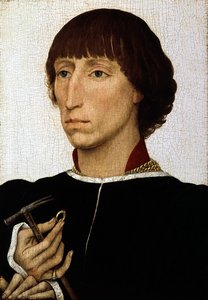
Guido Mazzoni
1450 - 1518, Italy
Guido Mazzoni hakkında kısa bilgiler
- Full Name: Guido Mazzoni
- Nationality: Italian
- Date Of Birth: 1450
- Date Of Death: 1518
- Place Of Birth: Modena, Italy
- Notable Artworks:
- Lamentation
- Adoration Of The Child
- Artistic Movement Or Style: Renaissance Sculpture
- Artists Who Influenced This Artist:
- Francesco Cossa
- Luca Della Robbia
- Artists Or Movements Influenced By This Artist: ["Niccolò dell'Arca"]
Sanatçı Özgeçmişi
The Sculptor of Emotion: The Life and Legacy of Guido Mazzoni
Guido Mazzoni, known to his contemporaries by the affectionate moniker Il Modanino, stands as one of the most evocative figures of the Italian Renaissance. Born around 1450 in Modena, Italy, Mazzoni was an artist who bridged the gap between the theatricality of courtly spectacle and the profound, somber depths of religious devotion. His career was not merely defined by the static permanence of stone, but by a dynamic movement that flowed from the workshops of Italy to the royal courts of France. Early in his development, Mazzoni found himself within the influential patronage circle of the Este family, where he studied under the master Francesco Cossa. This early exposure to the vibrant, narrative-driven style of the Ferrarese school provided him with a foundation in visual storytelling that would later define his sculptural masterpieces.
Before he became a master of the monumental, Mazzoni’s artistry was rooted in the ephemeral and the spectacular. His initial renown was built upon the creation of theatrical masks and elaborate props designed for the grand wedding celebrations of Federico II Gonzaga in Ferrara. This period of his life is crucial to understanding his later sculptural achievements; the skill required to craft lifelike, expressive faces for the stage translated seamlessly into his work with clay. He possessed a unique ability to capture fleeting moments of human expression, a talent that allowed him to infuse even the most rigid materials with a sense of breathing, pulsing life. This mastery of ephemera—the art of the temporary—gave his later religious works an unparalleled psychological immediacy.
The Mastery of Terracotta and the Lamentation Series
Mazzoni’s most enduring contribution to the history of Western art lies in his breathtaking series of polychromed terracotta Lamentations. Unlike the more common marble sculptures of his era, which often sought a cool, idealized perfection, Mazzoni embraced the warmth and malleability of terracotta. This medium allowed him to achieve an ultra-realistic texture that could mimic the folds of heavy fabric, the tear-streaked skin of mourners, and the visceral reality of grief. His most celebrated works, such as those found in the Church of Gesù in Ferrara and the Sant'Anna dei Lombardi Basilica in Naples, represent a pinnacle of Renaissance realism.
These sculptural groups are far more than mere religious icons; they are immersive, theatrical experiences. In these Compianto scenes, Mazzoni meticulously modeled figures gathered around the corpse of Christ, imbuing each face with a distinct, individualized sorrow. A remarkable feature of these works is his integration of portraiture; he often included the likenesses of his patrons, such as Federico II Gonzaga and his family members, directly into the mourning crowd. This technique blurred the line between the sacred and the secular, inviting the viewer to participate in the divine tragedy. The use of polychromy—the application of color to the clay—further enhanced this realism, creating a lifelike presence that seemed to command the very space around it.
A Transnational Legacy
The trajectory of Mazzoni’s life reflects the broader movement of Renaissance talent across European borders. His journey took him through the cultural hubs of Bologna and Naples, eventually leading him to the French court. This international presence allowed his style to influence a wider audience, blending Italian emotional intensity with the burgeoning interest in naturalism found in Northern Europe. His ability to adapt his skills—from the delicate creation of courtly props to the monumental execution of religious drama—ensured his relevance across different artistic landscapes.
Ultimately, Guido Mazzoni’s significance lies in his profound understanding of human empathy. While many of his contemporaries focused on the mathematical proportions and structural harmony of the High Renaissance, Mazzoni prioritized the psychological depth of his subjects. He captured the raw, unvarnished essence of mourning, making the divine accessible through the lens of human suffering. His work remains a testament to the power of art to act as a mirror for the soul, leaving behind a legacy of terracotta figures that continue to move and haunt the hearts of all who behold them.
Benzer Yazılar

Masterpieces of Light: The Top 25 Artworks by Duccio di Buoninsegna
Journey through the divine elegance of Duccio di Buoninsegna. Explore 25 iconic Sienese masterpieces, from the Maestà to the Rucellai Madonna. Find inspiration for museum-quality art reproductions and timeless decor. Discover all masterpieces on OriginalUniqueArt.com.

25 Masterpieces by Giotto di Bondone: The Father of Renaissance Art
Journey through the revolutionary world of Giotto di Bondone. Explore 25 iconic Renaissance masterpieces that redefined realism and emotion. Find inspiration for your space with museum-quality art reproductions and curated decor. Discover all masterpieces on OriginalUniqueArt.com.

Echoes of Grief: The Tradition and Technique of Lamentation in Art History
Explore the evolution of grief through masters like Botticelli and Delacroix. Discover the profound techniques of art history now.

25 Must-See Masterpieces at Gallerie dell'Accademia di Venezia
Explore 25 Venetian masterpieces from Titian to Tintoretto. Discover museum-quality art on OriginalUniqueArt.com.