- Ana Sayfa

- Dijital Görsel Listesi
- Gregorio Vardanega
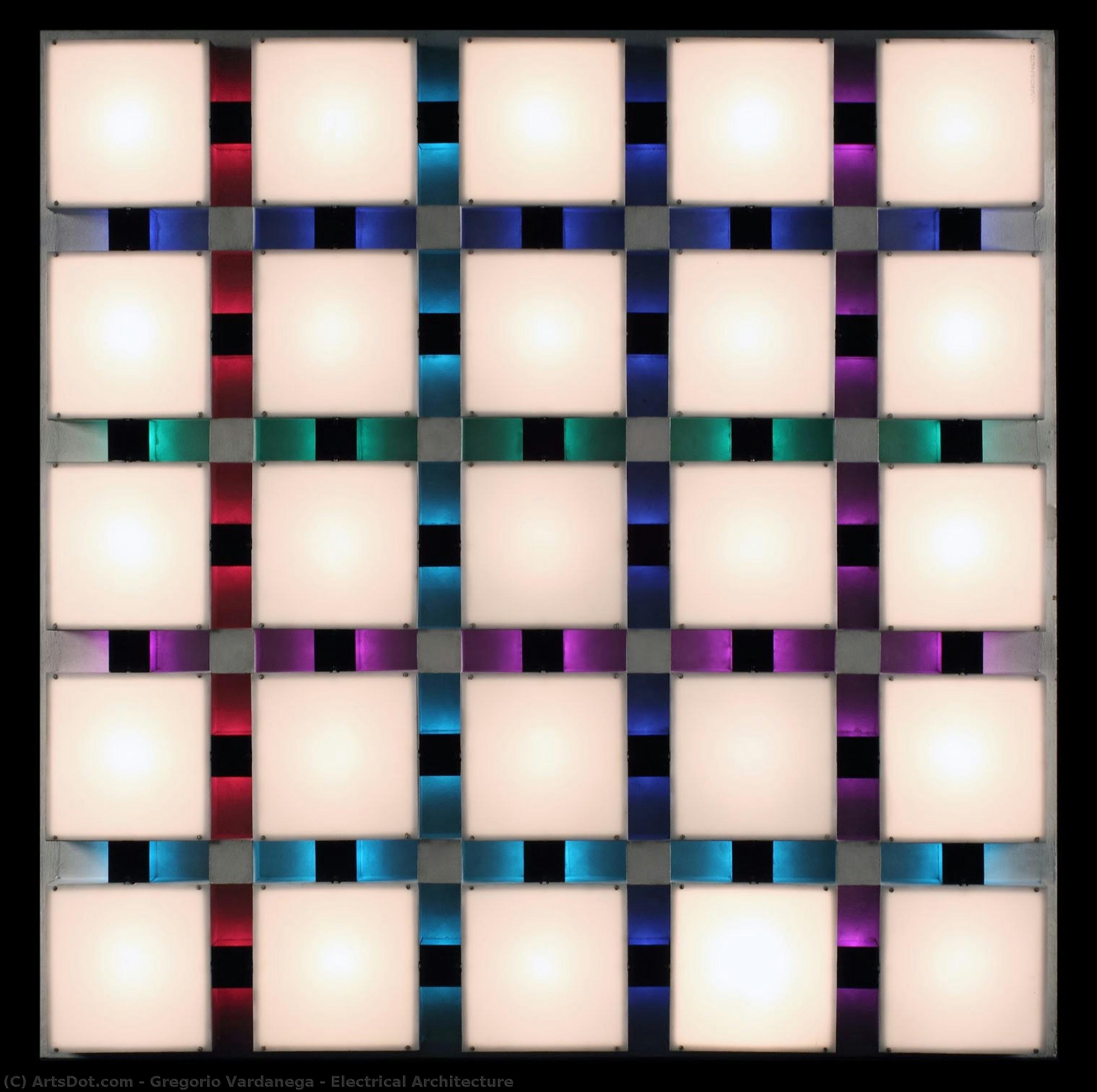
- Electrical Architecture
 Önizleme yap
 Paylaş
 Paylaş
 Detayları Gör

 İndir
İndir
 Benzerlerini gör
 X-Işını
 Slayt Gösterisi
Electrical Architecture
 Acrylic On Canvas
- WallArt
- Op Art
 1965
1965- Modern
 100.0 x 100.0 cm
 Buenos Aires Modern Sanat Müzesi
 Tümünü Gör
Çevrimiçi önizlemeden çok daha üstün, yüksek çözünürlüklü ve iyileştirilmiş bir dijital görüntü satın alın.
Her dosya, uzman ekibimiz tarafından gelişmiş araçlar ve titiz manuel rötuş teknikleri kullanılarak özenle hazırlanır. Her görüntünün olağanüstü netliğe, kusursuz renk doğruluğuna ve ince ayrıntılara sahip olduğundan emin oluruz.
Son dosya; profesyonel, editoryal ve baskı süreçlerinde anında kullanıma uygun şekilde optimize edilerek 72 saat içinde e-posta yoluyla teslim edilir. Bu, seçkin tasarım stüdyoları, yayıncılar ve galerilerin güvendiği aynı kalite standartlarındadır.
Dijital Görsel
Kişisel sergileme, baskı ve yaratıcı projeleriniz için yüksek çözünürlüklü bir dosya indirin. ( Baskıya Geç El boyaması versiyona geç)
Her Dijital Görüntü Siparişinde Dahil Olanlar
Uzman Dijital Teslimat, Garantili
OriginalUniqueArt.com seçtiğinizde, sadece bir görsel edinmekle kalmaz; titizlikle hazırlanmış, profesyonelce iyileştirilmiş dijital bir sanat eserine sahip olur ve memnuniyet garantisiyle güvence altına alınırsınız. Siparişinizle birlikte otomatik olarak sunulan her şey şunlardır:

Hızlı E-posta ile Teslimat
Yüksek çözünürlüklü dijital görüntü dosyanız, siparişinizin üzerinden en geç 72 saat geçmeden e-posta ile size gönderilecektir; hemen kullanıma hazırdır.

Yapay Zeka İle İyileştirilmiş Dijital Dosya
Sanat eseriniz; maksimum detay, netlik ve renk doğruluğu sağlamak amacıyla gelişmiş yapay zeka araçları ve manuel düzenleme kullanılarak profesyonelce optimize edilmektedir.

Ömür Boyu Ücretsiz Yeniden Gönderim
Dosyanızı yanlışlıkla mı sildiniz yoksa kayıp mı oldu? Endişelenmeyin; dosyanızı dilediğiniz zaman size ücretsiz olarak tekrar göndereceğiz.

Hiçbir Zaman İthalat Ücreti Ödemeyin
Sanat eserinizin tadını gümrük vergisi, harç veya teslimat ücreti ödemeden anında çıkarın; dijital indirmeler her zaman vergiden muaftır.

Renk Doğruluğu Garantisi
Profesyonel araçlar ve renk yönetimi kullanarak dijital görselinizin orijinal renklere mümkün olduğunca yakın yansıtılmasını sağlıyoruz.

60 Günlük Memnuniyet Garantisi
If you're not satisfied with your digital image, we'll revise it or refund 100% within 60 days - no questions asked.

100% Para İadesi Garantisi
Memnun kalmadınız mı? Dijital dosyanızı aldıktan sonraki 60 gün içinde, hiçbir soru sorulmaksızın tam iade alın.

Toplu Sipariş İndirimleri
Buy 3 images, save 10% - Buy 5, save 15% - Buy 10+, save 20%. Great for creative projects, galleries, and agencies.
Koleksiyon Detayları
Gregorio Vardanega’s “Electrical Architecture”: A Pioneering Exploration of Spatial Illusion
“Electrical Architecture” by Gregorio Vardanega stands as a testament to the audacious spirit of Chromocinetism, an artistic movement that sought to redefine perception itself. Created in 1965, this striking black and white painting embodies the core principles of Op Art – Optical Art – pushing boundaries between visual representation and illusionary experience. It’s more than just a decorative piece; it's a conceptual statement about how our eyes interpret color and movement, reflecting Vardanega’s profound fascination with manipulating sensory input.The Chromocinetism Movement: Challenging Conventional Vision
Gregorio Vardanega, alongside Martha Boto, is credited with establishing Chromocinetism, a revolutionary approach to art that prioritized stimulating the viewer's subconscious mind through visual deception. Rejecting traditional realism, Chromocinetists aimed to create artworks that actively engaged the spectator’s senses—specifically their perception of color and movement—without relying on literal depiction. This philosophy stemmed from advancements in psychology during the mid-20th century, which explored how optical illusions could influence emotional responses and cognitive processes. Vardanega's work exemplifies this ambition perfectly, inviting contemplation about the nature of visual experience.A Geometric Dance of Color
The painting’s aesthetic is characterized by a meticulously crafted checkerboard pattern filled with vibrant hues – red, blue, green, purple, yellow, and orange. These colors aren’t merely applied randomly; they are strategically positioned to generate an illusion of shimmering movement. The artist skillfully utilizes contrasting shades and gradients to create the impression that squares pulsate and shift subtly across the canvas. This technique relies on Gestalt principles – specifically retinal distortion – where our eyes perceive patterns as moving even when they remain static. It’s a masterful demonstration of how artistic composition can transcend mere visual appearance, tapping into deeper psychological mechanisms.Historical Context: The Rise of Op Art and Spatial Perception
“Electrical Architecture” emerged during the height of Op Art's popularity in the 1960s, coinciding with a broader cultural fascination with scientific discoveries concerning perception and illusion. Artists like Bridget Riley and Victor Vasarely were similarly exploring ways to manipulate visual stimuli, capitalizing on research into retinal ganglion cells and their role in processing color information. The painting reflects this intellectual climate—a desire to investigate the limits of human sensory experience and to challenge established artistic conventions. It represents a pivotal moment in art history, signaling a shift towards conceptual art that prioritized stimulating the viewer’s mind over simply presenting an image.Symbolism Beyond Decoration: Exploring Depth Perception
Beyond its technical brilliance, “Electrical Architecture” carries symbolic weight. The checkerboard pattern itself can be interpreted as representing duality – order versus chaos, stability versus dynamism—mirroring the movement and color interplay within the artwork. Furthermore, the painting encourages viewers to consider how our brains actively construct reality based on incomplete sensory data. It prompts us to question what we perceive as “real” and invites a meditative engagement with visual information. Ultimately, Vardanega’s masterpiece serves as an enduring reminder that art can provoke profound introspection and expand our understanding of human consciousness.Sanatçı Özgeçmişi
Gregorio Vardanega: Pioneer of Chromocinetism and Spatial Illusion
Gregorio Vardanega (1923 – 2007) was born in Udine, Italy, a city nestled in the Veneto region known for its rich artistic heritage. His formative years were spent primarily in Argentina, where he immersed himself in the burgeoning avant-garde scene and honed his distinctive artistic vision alongside Martha Boto.
Early Life and Artistic Formation
- He attended Escuela Nacional de Bellas Artes in Buenos Aires from 1939 to 1946, absorbing influences from Surrealism and Constructivism.
- His initial explorations focused on capturing the essence of space through geometric abstraction, a stylistic choice that would become central to his oeuvre.
- Vardanega’s fascination with light—particularly its interaction with color—would propel him toward groundbreaking experimentation in kinetic art and spatial illusion.
The Chromocinetism Movement
Together with Martha Boto, Vardanega coined the term “chromocinetism,” a revolutionary artistic concept that sought to transcend traditional visual representation. This movement aimed to synthesize color, sound, space, and time into immersive experiences—a radical departure from prevailing artistic conventions.
Stylistic Influences and Techniques
- Vardanega drew inspiration from Spatialism and Tenebrism, embracing dramatic chiaroscuro contrasts reminiscent of Baroque painting.
- He skillfully utilized geometric patterns and vibrant hues, mirroring the aesthetic sensibilities of artists like Amadeo Clemente Modigliani.
- A hallmark of his technique was the incorporation of electric lights and transparent materials—particularly Plexiglas spheres—to generate dynamic visual effects through diffraction and light transmission.
Notable Works: Electrical Architecture
Perhaps Vardanega’s most iconic piece is “Electrical Architecture,” housed in the Buenos Aires Museum of Modern Art. This monumental sculpture exemplifies his commitment to exploring spatial dimensions and manipulating light—a testament to his artistic ingenuity and conceptual depth.
Legacy and Recognition
Gregorio Vardanega’s contribution to art history extends beyond individual artworks; he fundamentally reshaped the dialogue between visual perception and technological innovation. His pioneering approach to chromocinetism continues to inspire artists today, securing his place as a pivotal figure in the evolution of kinetic and spatialist art.
His works are displayed in museums across Latin America and Europe, including the Museo Nacional Centro de Arte Reina Sofía in Madrid and Kettle’s Yard in Cambridge, ensuring that his visionary aesthetic endures for generations to come.

Gregorio Vardanega
1923 - 2007 , Italy
Kısa Bilgiler
- Artistic Movement Or Style: Chromocinetism
- Artists Or Movements Influenced By This Artist: ['Spatialism']
- Artists Who Influenced This Artist: ['Amedeo Clemente Modigliani']
- Date Of Birth: 1923
- Date Of Death: 2007
- Full Name: Gregorio Vardanega
- Nationality: Italian
- Notable Artworks: ['Electrical Architecture']
- Place Of Birth: Udine, Italy

