
 Önizleme yap
 Paylaş
 Paylaş
 Detayları Gör

 İndir
İndir
 Benzerlerini gör
 X-Işını
 Slayt Gösterisi
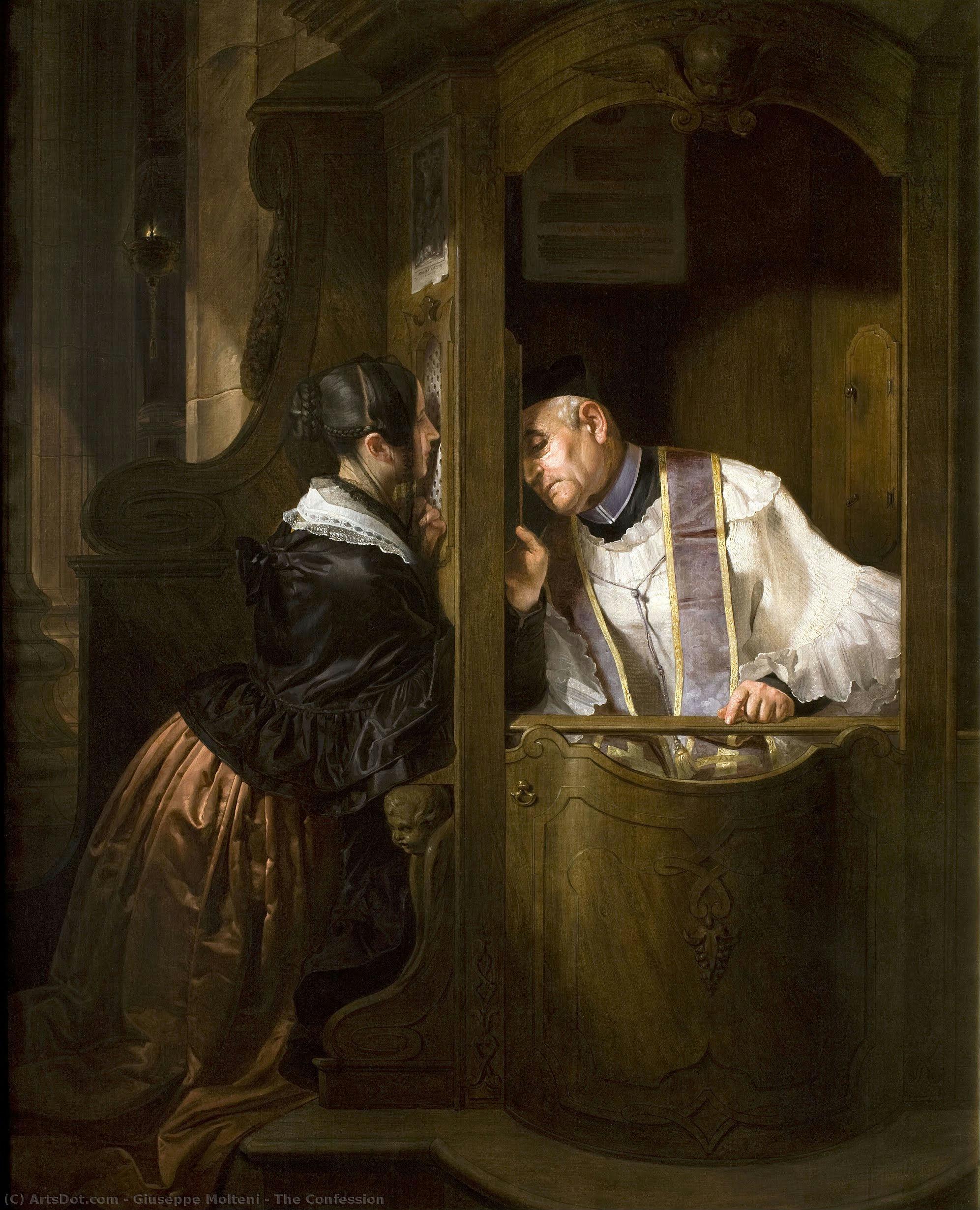
The Confession

 Tümünü Gör
Çevrimiçi önizlemeden çok daha üstün, yüksek çözünürlüklü ve iyileştirilmiş bir dijital görüntü satın alın.
Her dosya, uzman ekibimiz tarafından gelişmiş araçlar ve titiz manuel rötuş teknikleri kullanılarak özenle hazırlanır. Her görüntünün olağanüstü netliğe, kusursuz renk doğruluğuna ve ince ayrıntılara sahip olduğundan emin oluruz.
Son dosya; profesyonel, editoryal ve baskı süreçlerinde anında kullanıma uygun şekilde optimize edilerek 72 saat içinde e-posta yoluyla teslim edilir. Bu, seçkin tasarım stüdyoları, yayıncılar ve galerilerin güvendiği aynı kalite standartlarındadır.
Dijital Görsel
Kişisel sergileme, baskı ve yaratıcı projeleriniz için yüksek çözünürlüklü bir dosya indirin. ( Baskıya Geç El boyaması versiyona geç)
Her Dijital Görüntü Siparişinde Dahil Olanlar
Uzman Dijital Teslimat, Garantili
OriginalUniqueArt.com seçtiğinizde, sadece bir görsel edinmekle kalmaz; titizlikle hazırlanmış, profesyonelce iyileştirilmiş dijital bir sanat eserine sahip olur ve memnuniyet garantisiyle güvence altına alınırsınız. Siparişinizle birlikte otomatik olarak sunulan her şey şunlardır:

Hızlı E-posta ile Teslimat
Yüksek çözünürlüklü dijital görüntü dosyanız, siparişinizin üzerinden en geç 72 saat geçmeden e-posta ile size gönderilecektir; hemen kullanıma hazırdır.

Yapay Zeka İle İyileştirilmiş Dijital Dosya
Sanat eseriniz; maksimum detay, netlik ve renk doğruluğu sağlamak amacıyla gelişmiş yapay zeka araçları ve manuel düzenleme kullanılarak profesyonelce optimize edilmektedir.

Ömür Boyu Ücretsiz Yeniden Gönderim
Dosyanızı yanlışlıkla mı sildiniz yoksa kayıp mı oldu? Endişelenmeyin; dosyanızı dilediğiniz zaman size ücretsiz olarak tekrar göndereceğiz.

Hiçbir Zaman İthalat Ücreti Ödemeyin
Sanat eserinizin tadını gümrük vergisi, harç veya teslimat ücreti ödemeden anında çıkarın; dijital indirmeler her zaman vergiden muaftır.

Renk Doğruluğu Garantisi
Profesyonel araçlar ve renk yönetimi kullanarak dijital görselinizin orijinal renklere mümkün olduğunca yakın yansıtılmasını sağlıyoruz.

60 Günlük Memnuniyet Garantisi
If you're not satisfied with your digital image, we'll revise it or refund 100% within 60 days - no questions asked.

100% Para İadesi Garantisi
Memnun kalmadınız mı? Dijital dosyanızı aldıktan sonraki 60 gün içinde, hiçbir soru sorulmaksızın tam iade alın.

Toplu Sipariş İndirimleri
Buy 3 images, save 10% - Buy 5, save 15% - Buy 10+, save 20%. Great for creative projects, galleries, and agencies.
Koleksiyon Detayları
Sanatçı Özgeçmişi
Giuseppe Molteni (1800-1867): Bridging Biedermeier and Milanese Splendor
Giuseppe Molteni (Affori, Milan, 1800 – Milan, 1867) was an Italian painter whose career spanned from the mid-nineteenth century, establishing him as a prominent figure in Milanese art history. Forced to abandon his formal studies at the Brera Academy due to financial constraints—a common predicament for aspiring artists of the era—Molteni redirected his talents towards the meticulous restoration of ancient paintings under the tutelage of Giuseppe Guizzardi in Bologna. This formative experience instilled within him a profound appreciation for craftsmanship and detail, shaping his artistic sensibilities. Returning to Milan, he swiftly ascended the ranks of Milanese art circles, becoming one of the most sought-after restorers of his time and earning commissions from prestigious institutions like the Louvre and the British Museum. Simultaneously, Molteni cultivated an independent artistic practice, producing captivating paintings that showcased both technical mastery and stylistic innovation.Early Years & Restoration Training
Molteni’s initial foray into art wasn't through easel painting but rather through painstaking conservation work. Studying under Guizzardi honed his skills in pigment analysis, varnish removal, and surface consolidation—techniques crucial for preserving cultural heritage. This dedication to restoration not only provided him with a livelihood but also instilled within him an understanding of artistic materials and processes that would later inform his own compositions. The influence of Guizzardi’s meticulous approach is evident in Molteni's subsequent paintings, where he achieved remarkable realism through careful observation and skillful brushwork.Portraiture & Milanese Style
Molteni quickly gained renown for his portraiture style, characterized by an unprecedented level of realism and opulent settings. Unlike the prevailing Biedermeier aesthetic—which favored understated elegance—Molteni embraced a bold approach, depicting subjects in richly embroidered costumes and elaborate interiors that captured the grandeur of Milanese aristocratic life. His success directly challenged the artistic dominance of Francesco Hayez, establishing him as a leading voice in Milanese painting and securing his place among Italy’s most celebrated portraitists. The meticulous detail with which he rendered fabrics, jewelry, and architectural elements demonstrated an exceptional command of technique and contributed to the distinctive visual language of his era.Genre Painting & Viennese Influence
Moving beyond portraiture in the mid-1830s, Molteni embarked on a prolific exploration of genre painting—scenes depicting everyday life—a trend that resonated deeply with the public and critics alike. His canvases captured moments of domestic tranquility, social gatherings, and urban landscapes with remarkable sensitivity and accuracy. Notably, his time spent at the Viennese court in 1837 exposed him to the stylistic precepts of Johann Friedrich Overbeck and fostered a friendship with fellow painter Friedrich von Amerling—influences that subtly enriched Molteni’s artistic vision.Later Career & Legacy
Molteni's involvement with the Brera exhibitions waned in the 1850s, culminating in his appointment as curator of the academy’s gallery in 1854 and marking a cessation of his painting activity. However, Molteni’s contribution to Italian art history remains indelible. His pioneering approach to portraiture—combining realism with theatrical grandeur—established him as a pivotal figure in bridging the gap between Biedermeier simplicity and Romantic exuberance. Furthermore, his meticulous genre paintings offer invaluable insights into Victorian Milanese society and continue to inspire admiration for their artistic merit. Giuseppe Molteni’s legacy endures as a testament to the transformative power of observation, dedication to craftmanship, and an unwavering commitment to capturing the beauty and complexity of human experience.
giuseppe molteni
1800 - 1867
Kısa Bilgiler
- Artistic Movement Or Style: Biedermeier & Genre Painting
- Artists Or Movements Influenced By This Artist: ['Friedrich von Amerling']
- Artists Who Influenced This Artist:
- Giuseppe Guizzardi
- Johann Friedrich Overbeck
- Francesco Hayez
- Date Of Death: 1867
- Full Name: Giuseppe Molteni
- Nationality: Italian
- Notable Artworks:
- The Family of Barbiano di Belgioioso d'Este
- Lorenzo Vatalaro Antiques
- The Confession
- Place Of Birth: Affori, Milan

