Önizle
 Gönder
 Paylaş
 Detaylar
 Rehber

 Dosyayı İndir
 Benzerleri
 X-Işını
 Slayt Gösterisi
 İstatistikler
Winter
 Oil On Canvas
- WallArt
- Renaissance Mannerism
 1573
1573 76.0 x 64.0 cm
 Louvre Müzesi
 Devamını Oku
Giclée / Sanat Baskısı
Hızlı üretim ve esnek bitiş seçenekleriyle müze kalitesinde giclée veya kanvas baskı. ( El Yapımı Tablo Satın Al Dijital Görsel Satışına Geç)




P118B ₺10

P118H ₺10

P118W ₺10

P438Z ₺10

P508JH ₺12

P508YH ₺12

P805H ₺10

P805Z ₺10

P919BZ ₺10

P919G ₺10

P919XJ ₺10

P959ZH ₺10

P968JZ ₺12

W106C ₺8

W218G ₺10

W218JH ₺8

W218Y ₺10

W307PJ ₺10

W316G ₺10

W316PJ ₺8

W316Y ₺10

W398PJ ₺8

W4111J ₺10

W500HY ₺15

W500JH ₺15

W692G ₺12

W849H ₺8

W940BG ₺15

W953PJ ₺8




Eserin orijinal oranlarıyla uyumlu, önceden belirlenmiş boyutlarımız arasından seçim yapın.

Çerçevenize veya duvarınıza uygun olması için ihtiyacınız olan genişlik ve yüksekliği yazın. Bir baskı yalnızca kesilebilir, görselden daha büyük hale getirilemez; bu nedenle farklı bir formdaki boyut seçimi, görselin bir kısmının kaybına neden olur. Herhangi bir baskı yapmadan önce onaylamanız için size bir dijital taslak gönderiyoruz. Bu sayfada gösterilen resim gerçek kesimi göstermez — bunu yalnızca taslak gösterir.
Dünya Çapında Teslimat (); standart 4/5 hafta yerine 2 haftada. (22 Ekim)

Dünya Çapında Ücretsiz Ekspres Kargo

Yüksek Kaliteli Keten Tuval

Tam Nakliye Sigortası

Gümrük Vergisi İadesi Garantisi

Gerçek Renk Uyumu Garantisi

100 Günlük İade Koşulları (Sadece Üretim Hatalı Ürünler İçin)

%100 Para İade Garantisi

Toplu Alım Avantajı
 Cam seçeneği yalnızca 110 cm altındaki boyutlar için mevcuttur.

Winter
Giclée / Sanat Baskısı
Baskı Boyutu
-


Toplam Fiyat
₺ 3909
A Frozen Portrait of the Seasons
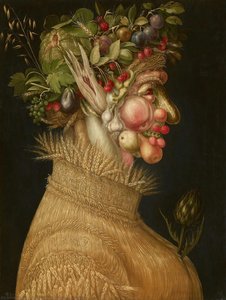
Giuseppe Arcimboldo's "Winter," painted in 1573, isn’t merely a portrait; it’s an immersive experience. Within its meticulously constructed frame resides a man – or perhaps a composite of many men – sculpted entirely from the bounty and stark beauty of winter itself. The painting immediately arrests the eye with its audacious composition: a head formed from bare branches, frosted berries, and the ghostly suggestion of snow, all rendered in rich oils on canvas. It’s a visual paradox, simultaneously familiar and utterly alien, inviting prolonged contemplation and revealing layers of meaning with each return glance.
Arcimboldo, born in Milan in 1527, was a master of illusion and allegory, a skill honed during his service to Emperor Maximilian II. He moved beyond the traditional confines of portraiture, embracing a Mannerist style characterized by its deliberate distortion and inventive use of materials. “Winter” exemplifies this perfectly – it’s not simply a depiction of winter; it's an *embodiment* of the season, a powerful statement about nature’s resilience and the cyclical rhythms of life and death. The painting emerged from a commission intended for Elector Augustus of Saxony, reflecting the complex political landscape of 16th-century Europe where art served as both propaganda and a symbol of diplomatic relations.
The Language of Objects: Symbolism in Detail
Every element within “Winter” is laden with symbolic weight. The stark branches, devoid of leaves, represent the dormancy of winter, but also hint at potential renewal beneath the frozen surface. The scattered apples – a recurring motif in Arcimboldo’s work – are potent symbols of abundance, fertility, and even mortality; their ripeness juxtaposed against the coldness creates a poignant tension. The small fruits adorning the eyes and mouth aren't merely decorative; they suggest a fleeting beauty, a momentary pleasure before succumbing to the inevitable passage of time. Even the dark background serves to amplify the brilliance of the assembled elements, drawing the viewer’s attention to the intricate details and forcing them to actively engage with the composition.
Notice the careful placement of the flowers nestled amongst the branches – delicate pink blossoms offering a fragile counterpoint to the ruggedness of the winter landscape. These small touches elevate the painting beyond a simple assemblage, transforming it into a carefully orchestrated meditation on beauty and decay. The use of red fruit for the lips is particularly striking, providing a vibrant burst of color against the predominantly brown and white palette, emphasizing the vitality that persists even in the coldest months.
Craftsmanship and Legacy
Arcimboldo’s technical skill is undeniable. The oil on canvas medium allowed him to achieve remarkable detail and luminosity, capturing the textures of bark, fruit, and frost with astonishing precision. Measuring 76 x 64 cm, the painting possesses an intimate scale that invites close examination – a deliberate choice by Arcimboldo to draw the viewer into his elaborate creation. The meticulous layering of paint and the careful arrangement of objects demonstrate a profound understanding of perspective and composition, hallmarks of a true master.
“Winter,” along with Arcimboldo’s other “Four Seasons” paintings, remains a testament to the artist's unique vision and his ability to transform everyday objects into extraordinary works of art. His innovative approach profoundly influenced subsequent generations of artists, paving the way for surrealist and pop-art movements. Today, these masterpieces reside in the Musée du Louvre, continuing to captivate audiences with their playful complexity and enduring beauty. A reproduction by OriginalUniqueArt.com offers a stunning opportunity to bring this iconic image into your home or office, allowing you to appreciate Arcimboldo’s genius for years to come.
Soru ve Cevaplar
"Winter" eserini tam ekran slayt gösterisi olarak izleyebilir miyim?
Giuseppe Arcimboldo imzalı "Winter", eserin Slayt Gösterisi sayfasında bir slayt gösterisi olarak görüntülenebilir.
Giuseppe Arcimboldo imzalı "Winter" için önerilen baskı boyutu nedir?
Giuseppe Arcimboldo imzalı "Winter" için Medium boyutunda bir reprodüksiyon önerilir. Boyut, oranlar korunarak ayarlanabilir.
"Winter" eserini kim yarattı ve hangi tarzda?
Giuseppe Arcimboldo, "Winter" adlı eserini Renaissance Mannerism akımı içerisinde yaratmıştır.
Sanatçı Biyografisi
Yeniden Tasavvur Edilmiş Bir Dünya: Gizemli Sanatçı Giuseppe Arcimboldo
Giuseppe Arcimboldo, ismi akla hem tuhaf hem de derin imgeler getiren bir isim olarak Rönesans sanatının en özgün figürlerinden biri olmaya devam ediyor. 1527’de Milano’da doğan kariyeri, entelektüel kıpırtılarla, dini çalkantılarla ve doğal dünyaya doyumsuz bir merakla dolu bir Avrupa arka planında şekillendi. Başlangıçta daha geleneksel eserleriyle – katedralleri süsleyen freskler ve yerleşik saray standartlarına uygun portrelerle – tanınsa da Arcimboldo’nun kalıcı mirası, özenle düzenlenmiş nesnelerden inşa edilmiş kompozit başlarından oluşuyor: meyveler, sebzeler, çiçekler, kitaplar, hatta müzik aletleri. Bunlar sadece eğlenceli bir görsel hile değildi; Rönesans dünya görüşü içinde yankı uyandıran ve bugün de izleyicileri büyülemeye devam eden karmaşık alegorilerdi. Babası Biagio Arcimboldo da kendisi bir sanatçıydı, genç Giuseppe’ye erken sanatsal eğitim vermiş ve muhtemelen 1549 civarında Milano Katedrali'ndeki vitray pencereler ve freskler için tasarım işlerine ilk adımını atmasında etkili olmuştu. Bu temel deneyim, daha sonraki alışılmadık kreasyonlarının belirgin özelliklerinden olacak teknik becerisini ve detaylara olan gözünü geliştirdi.Saraysal Siparişler ve Eşsiz Bir Tarzın Yükselişi
Arcimboldo’nun kariyeri 1562 yılında Ferdinand I'in Viyana Habsburg sarayında portre ressamı olarak atanmasıyla önemli bir dönüm noktasına ulaştı. Bu, üç ardışık Habsburg hükümdarı: Maximilian II ve oğlu Rudolf II için iki yıldan fazla süreyle çok yönlü bir sanatçı olarak hizmet etmeye başlamasının işaretini verdi. Portreler çizmenin yanı sıra – ancak bunlar bile genellikle ince tuhaflıklar sergiliyordu – Arcimboldo’nun görevleri kostüm tasarımı, festival dekorasyonları ve imparatorluk koleksiyonlarının organizasyonunu kapsıyordu. Tam da bu rafine zevk ve entelektüel merak ortamında imzası olan tarzı filizlenmeye başladı. Saray çevresinin yenilik ve gösterişe olan talebi, deneyim için verimli bir zemin sağladı ve geleneksel portreciliğin ötesine geçerek ünlü “kompozit başlarını” yaratmasına izin verdi. Bunlar ani bir dürtüyle doğmamıştı; Rönesans’ın bulmacalara, bilmecelere olan ilgisinden ve görünüşte sıradan nesnelerin gizli anlamlarının keşfedilmesinden beslenerek kademeli olarak gelişti. *Trompe l'oeil* efektleri ve çarpık perspektiflerle deney yapan önceki sanatçıların etkisi tespit edilebilir, ancak Arcimboldo bu unsurları tamamen kendisine özgü bir şeye—konvansiyonel temsil kavramlarına meydan okuyan benzersiz bir görsel dile sentezledi.Sembolizmi Çözmek: Gözle Görebilenden Çok Daha Fazlası
Arcimboldo’nun eserlerini sadece tuhaflık olarak değerlendirmek, derin entelektüel derinliğini göz ardı etmek anlamına gelir. Kompozit portrelerindeki her nesne dikkatlice seçilmişti ve siterin karakteri, mesleği veya sosyal statüsüyle ilgili sembolik anlamlarla doluydu. Örneğin, *Kütüphaneci* sadece kitaplardan inşa edilmiş bir yüz değil; aynı zamanda öğrenme içeriğiyle gerçekten ilgilenmeden bilgi yığanlara yönelik ince bir eleştiri—bir yorumdur. Sakalı oluşturan hayvan kuyrukları toz bezlerini temsil ediyor ve raflarda toplanan ihmal edilmiş ciltleri ima ediyor. Benzer şekilde, özellikle *Vertumnus* – İmparator Rudolf II’yi bahçelerin ve değişimin Roma tanrısı olarak tasvir eden – mevsim portreleri botanik sembolizm açısından zengindir ve imparatorun bilim ve doğa tarihine verdiği desteği yansıtır. Bunlar hemen çözülmek için tasarlanmamıştı; düşünmeye teşvik etmek, izleyicileri görünüşte eğlenceli bir şekilde düzenlenmiş nesnelerin gizli katmanlarını açmaya davet etmek için tasarlandı. Maddi olmayan maddelerden insan benzeri bir şekil inşa etme eylemi, tüm şeylerin birbirine bağlılığı üzerine bir meditasyon olarak hizmet etti—Rönesans Yeni Platonculuğunun evrenin temel uyumuna olan inancının bir yansıması.Mirası ve Yeniden Keşfi: Sürrealizmin Habercisi
Yaşamı boyunca başarısına rağmen, Arcimboldo’nun ünü 1593'teki ölümünden sonraki yüzyıllarda azaldı. Eserleri genellikle merak nesnesi olarak nitelendiriliyordu—teknik becerileri takdir ediliyor ancak ciddi sanatsal değere sahip olmadığı düşünülüyordu. Ancak 20. yüzyılda Sürrealizm’in yükselişiyle birlikte sanatına yenilenen bir ilgi ortaya çıktı. Salvador Dalí gibi sanatçılar, Arcimboldo'da kendilerine benzer ruhlar—konvansiyonel algıları meydan okumaya ve beklenmedik imgelerin yan yana getirilmesi yoluyla bilinçaltıyı keşfetmeye cesaret eden bir vizyoner buldular. Arcimboldo’nun etkisi Dalí’nin kendi rüya gibi kompozisyonlarında ve metamorfoz ve illüzyona olan ilgisinde görülebilir. Bugün, sanat tarihinde hayati bir figür olarak kutlanıyor—sembolizmin yenilikçi kullanımı ve eğlenceli çarpıtmasıyla ilham vermeye devam eden Sürrealizm’in habercisi. Resimleri Viyana Kunsthistorisches Müzesi ve Paris Louvre gibi prestijli müzelerde sergileniyor ve benzersiz vizyonunun gelecek nesiller için yankılanmasını sağlıyor. Mirası, hayal gücünün kalıcı gücünün ve sanatın dünyayı anlama şeklimizi dönüştürme yeteneğinin bir kanıtıdır.
Giuseppe Arcimboldo
1527 - 1593 , İtalya
Kısa Bilgiler
- Artistic Movement Or Style: Manierizm, Sürrealizm
- Artists Or Movements Influenced By This Artist:
- Salvador Dalí
- Sürrealizm
- Date Of Birth: 5 Nisan 1527
- Date Of Death: 11 Temmuz 1593
- Full Name: Giuseppe Arcimboldo
- Nationality: İtalyan
- Notable Artworks (List Of Titles):
- Floral Still Life
- The Four Seasons
- Vertumnus
- The Librarian
- Place Of Birth (City And Country): Milan, İtalya
İlgili Yazılar
Blossoming Symbolism: A Historical Journey Through Flowers in Western Painting
Explore the rich history of flower symbolism in Western painting! Discover how artists from the Renaissance to Modernism used blossoms to convey meaning, emotion & beauty. Learn about iconic artworks and movements.
Mannerism's Masters: 10 Artworks That Redefined Renaissance Style | OriginalUniqueArt
Explore 10 defining Mannerism masterpieces – from Pontormo to El Greco. Discover the stories behind these Renaissance paintings, their unique style & symbolism. Find museum-quality art reproductions at OriginalUniqueArt.com and elevate your home decor.

Blossoms of Time: A Historical Journey Through Flower Painting
Explore the captivating history of flower painting! Discover Dutch masters, symbolic meanings, & botanical art. Expert insights & high-quality reproductions at OriginalUniqueArt.

Blossoms of Time: A Historical & Aesthetic Exploration of Floral Painting Across Cultures
Explore the rich history of floral painting! Discover symbolism, techniques & masterpieces from Van Huysum to O'Keeffe. Expert insights for art lovers & collectors at OriginalUniqueArt.

Mannerism: Bridging Renaissance Harmony & Baroque Drama – A Study of Style & Affectation
Explore the fascinating world of Mannerism! Discover its key characteristics, pioneering artists like Pontormo & Bronzino, and its pivotal role in bridging Renaissance harmony to Baroque drama. A comprehensive guide for art enthusiasts.