
 Gerçek Boyutta Önizle
 Paylaş
 Paylaş
 Detayları Gör
 Rehber

 İndir
İndir
 Benzer ürünler
 X-Işını
 Slayt Gösterisi
 Soru & Cevap
 İstatistikler
Madonna with the Child

- 47.0 x 34.0 cm


 Tümünü Gör
Giclée / Sanat Baskısı
Hızlı üretim ve esnek bitiş seçenekleriyle müze kalitesinde giclée veya kanvas baskı. ( El Yapımı Tablo Satın Al Dijital Görsele Geç)




P118B ₺10

P118H ₺10

P118W ₺10

P438Z ₺10

P508JH ₺12

P508YH ₺12

P805H ₺10

P805Z ₺10

P919BZ ₺10

P919G ₺10

P919XJ ₺10

P959ZH ₺10

P968JZ ₺12

W106C ₺8

W218G ₺10

W218JH ₺8

W218Y ₺10

W307PJ ₺10

W316G ₺10

W316PJ ₺8

W316Y ₺10

W398PJ ₺8

W4111J ₺10

W500HY ₺15

W500JH ₺15

W692G ₺12

W849H ₺8

W940BG ₺15

W953PJ ₺8




Eserin orijinal oranlarıyla uyumlu, önceden belirlenmiş boyutlarımız arasından seçim yapın.

Çerçevenize veya duvarınıza uygun olması için ihtiyacınız olan genişlik ve yüksekliği yazın. Bir baskı yalnızca kesilebilir, görselden daha büyük hale getirilemez; bu nedenle farklı bir formdaki boyut seçimi, görselin bir kısmının kaybına neden olur. Herhangi bir baskı yapmadan önce onaylamanız için size bir dijital taslak gönderiyoruz. Bu sayfada gösterilen resim gerçek kesimi göstermez — bunu yalnızca taslak gösterir.
Dünya Çapında Teslimat (); standart 4/5 hafta yerine 2 haftada. (8 Kasım)

Dünya Çapında Ücretsiz Ekspres Kargo

Yüksek Kaliteli Keten Kanvas

Tam Nakliye Sigortası

Gümrük Vergisi İadesi Garantisi

Gerçek Renk Uyumu Garantisi

100 Günlük İade Politikası (Sadece Kusurlu Ürünler İçin)

%100 Para İade Garantisi

Toplu Alım İndirimi
 Cam seçeneği yalnızca 110 cm altındaki boyutlar için mevcuttur.

Madonna with the Child
Giclée / Sanat Baskısı
Reproduksiyon Boyutu
-


Toplam Tutar
₺ 3996
A Serene Vision: Giovanni Bellini’s Madonna with the Child
Giovanni Bellini's "Madonna with the Child," painted around 1460 and now residing in Bergamo, Italy, is more than just a depiction of the Virgin Mary and her infant son; it’s a profound meditation on faith, motherhood, and the burgeoning humanist spirit of Renaissance Venice. This painting isn’t merely a portrait; it's an invitation into a world of quiet reverence, meticulously crafted with Bellini’s signature mastery of color, light, and emotional resonance.
The composition itself is remarkably balanced, drawing the eye to Mary’s serene face – a study in gentle composure. Her pose, seated on a simple ledge, exudes an almost otherworldly tranquility. The infant Jesus, nestled securely within her arms, gazes upwards with an innocent curiosity that immediately connects with the viewer. Bellini skillfully avoids overt theatricality, opting instead for a naturalism that feels both timeless and deeply personal. Two figures are subtly integrated into the background – one standing behind Mary, offering a sense of watchful guardianship, and another positioned to the right, suggesting a broader context of devotion.
The Language of Color and Technique
Bellini’s choice of tempera as his medium is crucial to understanding the painting's luminous quality. Tempera allows for incredibly rich, vibrant colors that build gradually upon each other, creating an astonishing depth and luminosity rarely achieved with oil paints at this early stage in their development. Notice how he employs a delicate layering technique, building up tones and textures with painstaking precision. The blues of Mary’s veil and the subtle ochre hues of her garments aren't simply colors; they are carefully calibrated to evoke feelings of piety and grace.
The artist’s attention to detail is breathtaking. Observe the delicate folds of the drapery, rendered with a remarkable sense of volume and texture. The smooth, almost porcelain-like quality of Mary’s skin, contrasted against the softer contours of the infant Jesus, speaks volumes about Bellini's understanding of human anatomy and his ability to capture subtle nuances of expression. The use of light is particularly masterful – it seems to emanate from within the figures themselves, bathing the scene in a warm, diffused glow that reinforces the painting’s atmosphere of serenity.
A Window into Renaissance Venice
To fully appreciate "Madonna with the Child," one must consider its historical context. The painting emerged during a period of immense artistic and cultural ferment in Venice – a city at the heart of the burgeoning Renaissance. Bellini, along with his brother Gentile and other Venetian masters, was pushing the boundaries of traditional art, incorporating elements from Byzantine iconography while simultaneously embracing the new humanist ideals that were sweeping across Europe.
The painting’s setting—a simple ledge reminiscent of a devotional panel—reflects this shift. It moves away from the grand, imposing altarpieces of the Middle Ages and towards a more intimate, personal style of religious art. The inclusion of the book at the bottom left corner subtly references the importance of knowledge and wisdom within the Christian faith, adding another layer of symbolic meaning to the composition.
Symbolism and Emotional Resonance
Beyond its technical brilliance, "Madonna with the Child" is rich in symbolism. Mary’s crown, a subtle yet powerful emblem of her divine status, is balanced by her humble posture – a testament to her role as the Mother of God. The infant Jesus' gesture, reaching towards his mother, embodies the profound bond between them and serves as a poignant reminder of their shared humanity.
The painting’s enduring appeal lies in its ability to evoke a sense of quiet contemplation and spiritual connection. It is not merely a representation of a biblical scene; it's an invitation to step into a world of faith, love, and grace – a timeless masterpiece that continues to resonate with viewers centuries after its creation. Reproductions of this work offer a beautiful way to bring this serene vision into any space, fostering a sense of peace and reverence.
Soru ve Cevaplar
"Madonna with the Child" eserinin renkleri ne kadar belirgin?
"Madonna with the Child" eserinin renk doygunluğu Balanced Soft, renk yoğunluğu ise Balanced düzeyindedir.
Giovanni Bellini imzalı "Madonna with the Child" eserinde hangi renk paleti kullanılmıştır?
Giovanni Bellini imzalı "Madonna with the Child" eserinin renk paleti Earthy olarak tanımlanmaktadır; bu, eserin renklerinin özlü bir tanımıdır.
"Madonna with the Child" eserinin üslubu, yaratıcısının yaşadığı dönemle nasıl bir ilişki içindedir?
Giovanni Bellini imzalı "Madonna with the Child" eserinde, Renaissance akımı Rönesans dönemiyle buluşuyor.
Sanatçı Özgeçmişi
Giovanni Bellini (1430, Venedik - 29 Kasım 1516, Venedik): İtalyan Rönesans Üstadı
Giovanni Bellini, İtalyan Rönesans Dönemi’nin en önemli sanatçı ailelerinden biri olan Bellini ailesinin üyelerindendir. Babası Jacopo Bellini ve özellikle erkek kardeşi Gentile da Fabriano ile birlikte çalışan genç Giovanni, 1454 yılında eniştesi olan ressam Andrea Mantegna’dan oldukça etkilenmiştir. Bu etkileşim, Bellini’nin sonraki çalışmalarında kendini göstermekte ve onun Rönesans sanatının temel prensiplerine uygun bir şekilde gelişmesine katkıda bulunmaktadır. İtalyan yarımadasının kuzeyindeki Floransa ve Venedik gibi kentlerinde yaşayan sanatçılar Rönesans Dönemi’nin çekirdeğini oluşturmaktaydılar. Gentile ve Giovanni o dönemde özellikle birçok dinsel temayı tablolar yaptılar. Venedik’teki Scuola Grande di San Marco binasının içindeki tabloları da iki kardeş birlikte yapmışlardı. Bu ortak projeler Giovanni’nin teknik becerilerini geliştirmesini sağlarken aynı zamanda Rönesans sanatının en parlak temsilcilerinden birinin yanında çalışmasına olanak sağlamıştır.Erken Yaşam ve Eğitim
Giovanni Bellini, yaklaşık 1430 yılında Venedik’te doğmuştur. Ancak ailesinin sanatçı geçmişi Giovanni’nin eğitimine büyük ölçüde etkilemiştir. Babası Jacopo Bellini de bir ressamdı ve Gentile da Fabriano gibi diğer aile üyeleri aynı dönemde önemli eserler yaratmışlardı. Giovani, genç yaşta Floransa’da Andrea Mantegna tarafından özel olarak eğitildi. Bu eğitim Giovanni’nin Rönesans sanatının temel tekniklerini öğrenmesini sağladıktan sonra onun çalışmalarında kendini göstermekteydi. Özellikle mantegna okulunun etkisi Giovanni’nin çizimlerinde ve kompozisyonlarında belirgin bir şekilde görülmektedir. Ayrıca Giovanni Bellini, genç yaşta Floransa’da Andrea Mantegna ile tanışmış ve onun yeni çalışma yöntemlerinden etkilenmiştir. Bu etkileşim Giovanni’nin Rönesans sanatının temel prensiplerine uygun bir şekilde gelişmesine katkıda bulunmuştur.Renklerin Yeniden Keşfi: Ölçekte Yeni Bir Dönem
Giovanni Bellini’nin gerçek yenilikleri ise renk kullanımında kendini göstermişti. Daha önce Venedik resminde sıkça kullanılan canlı ve parlak renkler Giovanni tarafından daha nüanslı ve uyumlu bir palet oluşturmak için kullanılmıştır. Bu yeni yaklaşım Giovanni’nin eserlerinde ışık ve atmosferin etkisini yakalamasını sağlamıştır; bu durum Rönesans sanatında önemli bir dönüm noktasıdır. Özellikle Giovanni Bellini’nin kullandığı renklerin canlılığı ve derinliği, onun eserlerini diğer Venedik ressamlarından ayırmaktadır. Giovanni Bellini’nin renk kullanımı sadece kendi çalışmalarını değil aynı zamanda sonraki nesillerin sanatçılarını da etkilemiştir. Giorgione ve Titian gibi önemli isimler Giovanni Bellini’nin tekniklerinden ve estetik prensiplerinden ilham almışlardır. Bu eserleri günümüzde Accademia Carrara müzesinde bulunmaktadır. Giovanni Bellini’nin renk kullanımı Rönesans sanatında yeni bir standart belirlemiş ve İtalyan resminin geleceğini şekillendirmiştir.Başlıca Eserleri ve Mirası
Giovanni Bellini’nin en önemli eserlerinden bazıları arasında St. Jerome in the Desert (Ulusal Galeri, Londra), The Crucifixion (Venedik) ve bazı Meryem Ana heykelleri bulunmaktadır. Ayrıca Giovanni Bellini Venedik Doges için resmi portre sanatçısıydı ve bu görevde uzun yıllar boyunca hizmet etti. Özellikle Doge Loredano’nun Portresi Giovanni Bellini tarafından yaratılmıştır ve bu eser günümüzde Ulusal Galeri müzesinde sergilenmektedir. Giovanni Bellini’nin diğer önemli eserleri arasında Scuola Grande di San Giovanni Evangelista için hazırladığı büyük ölçekli sahneler bulunmaktadır. Bu eserler Giovanni Bellini’nin Rönesans sanatının temel prensiplerine uygun bir şekilde gelişmesine katkıda bulunmuştur. Giovanni Bellini’nin etkisi sadece kendi döneminde değil aynı zamanda sonraki nesillerin sanatçıları üzerinde de görülmektedir. Özellikle Giorgione ve Titian gibi önemli isimler Giovanni Bellini’nin tekniklerinden ve estetik prensiplerinden ilham almışlardır. Giovanni Bellini’nin eserleri günümüzde hala dünyanın dört bir yanındaki müzelerde sergilenmekte ve İtalyan resminin geleceğini şekillendirmiştir. Giovanni Bellini 1516 yılında Venedik’te hayatını kaybetti ve onun mirası yüzyıllardır sanat tarihine kazınmıştır.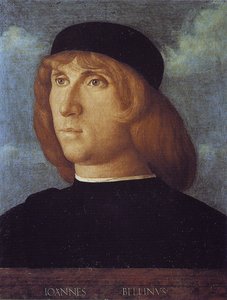
Giovanni Bellini
1433 - 1516 , İtalya
Kısa Bilgiler
- Artistic Movement Or Style: Venetian Rönesansı
- Artists Who Influenced This Artist:
- Jacopo Bellini
- Gentile Bellini
- Andrea Mantegna
- Date Of Birth: c. 1430
- Date Of Death: 1516
- Full Name: Giovanni Bellini
- Nationality: İtalyan
- Notable Artworks:
- San Zaccaria Altarpiece
- Santa Corona Altarpiece
- Transfiguration
- Place Of Birth: Venice, Italy
Benzer Yazılar

Giovanni Giacometti: Sculpting Existentialism – A Study of Form, Space, and the Human Condition
Explore the profound artistic journey of Giovanni Giacometti, father to Alberto. Discover his unique transition from Surrealism to Existentialist sculpture and painting – a compelling study for elite collectors and art enthusiasts.
Erken Rönesans'ın Zirveleri: Sanat Tarihini Derinlemesine Etkileyen 10 Başyapıt
Erken Rönesans'ın 10 başyapıtıyla sanat tarihine yolculuk! Botticelli, Leonardo da Vinci gibi ustaların eserleriyle evinizi dönüştürün. OriginalUniqueArt.com’da müze kalitesinde replikalar ve benzersiz dekorasyon fikirleri keşfedin.

Giovanni Fattori: Realism, Identity & the Tuscan Landscape – A Macchiaioli Master
Explore the life & art of Giovanni Fattori, a leading figure of the Macchiaioli movement. Discover his revolutionary realism, captivating Tuscan landscapes, and lasting impact on Italian painting. Learn more at OriginalUniqueArt.
Divine Love: A Curated Guide to the Most Iconic Madonna and Child Masterpieces in Art History
Embark on a sophisticated journey through art history with our curated guide to the most iconic Madonna and Child masterpieces. Discover the profound beauty, theological depth, and enduring legacy of these sacred Renaissance treasures.

Raffaello'nun En İyi 25 Eseri: Sanat Tarihine Yolculuk | OriginalUniqueArt
Raffaello'nun en iyi 25 eserini keşfedin! Rönesans sanatının zirvesinden ikonik tablolar, freskler ve portrelerin hikayelerini okuyun. Ev dekorasyonunuz için yüksek çözünürlüklü sanat baskıları OriginalUniqueArt'ta. Koleksiyonu şimdi keşfedin!

