

 Önizle
 Gönder
 Paylaş
 Detaylar
 Rehber

 Dosyayı İndir
 Benzerleri
 X-Işını
 Slayt Gösterisi
 İstatistikler
Camera obscura
 Acrylic
- WallArt
- Impressionism
 1700
1700 22.0 x 38.0 cm
 Correr Müzesi
 Devamını Oku
Giclée / Sanat Baskısı
Hızlı üretim ve esnek bitiş seçenekleriyle müze kalitesinde giclée veya kanvas baskı. ( El Yapımı Tablo Satın Al Dijital Görsel Satışına Geç)




P118B ₺10

P118H ₺10

P118W ₺10

P438Z ₺10

P508JH ₺12

P508YH ₺12

P805H ₺10

P805Z ₺10

P919BZ ₺10

P919G ₺10

P919XJ ₺10

P959ZH ₺10

P968JZ ₺12

W106C ₺8

W218G ₺10

W218JH ₺8

W218Y ₺10

W307PJ ₺10

W316G ₺10

W316PJ ₺8

W316Y ₺10

W398PJ ₺8

W4111J ₺10

W500HY ₺15

W500JH ₺15

W692G ₺12

W849H ₺8

W940BG ₺15

W953PJ ₺8




Eserin orijinal oranlarıyla uyumlu, önceden belirlenmiş boyutlarımız arasından seçim yapın.

Çerçevenize veya duvarınıza uygun olması için ihtiyacınız olan genişlik ve yüksekliği yazın. Bir baskı yalnızca kesilebilir, görselden daha büyük hale getirilemez; bu nedenle farklı bir formdaki boyut seçimi, görselin bir kısmının kaybına neden olur. Herhangi bir baskı yapmadan önce onaylamanız için size bir dijital taslak gönderiyoruz. Bu sayfada gösterilen resim gerçek kesimi göstermez — bunu yalnızca taslak gösterir.
Dünya Çapında Teslimat (); standart 4/5 hafta yerine 2 haftada. (25 Ekim)

Dünya Çapında Ücretsiz Ekspres Kargo

Yüksek Kaliteli Keten Tuval

Tam Nakliye Sigortası

Gümrük Vergisi İadesi Garantisi

Gerçek Renk Uyumu Garantisi

100 Günlük İade Koşulları (Sadece Üretim Hatalı Ürünler İçin)

%100 Para İade Garantisi

Toplu Alım Avantajı
 Cam seçeneği yalnızca 110 cm altındaki boyutlar için mevcuttur.

Camera obscura
Giclée / Sanat Baskısı
Baskı Boyutu
-


Toplam Fiyat
₺ 3913
Canaletto’s Camera Obscura: A Window Into Venetian Vision
The artist Giovanni Antonio Canaletto, commonly known as Canaletto (1697 – 1768), stands as one of the most celebrated figures in eighteenth-century Venetian painting. His meticulous depictions of Venice—the canals shimmering under sunlight, the palaces adorned with opulent decoration—captivate viewers even today. But beyond their aesthetic beauty lies a fascinating secret: Canaletto’s unparalleled accuracy stems from a technique that predates photography – the camera obscura. This ingenious device, essentially a darkened room equipped with a pinhole aperture and a mirror, allowed him to capture the essence of his surroundings with remarkable precision, shaping not only his artistic output but also influencing the broader understanding of perspective and visual representation.- The Device Itself: Canaletto’s camera obscura wasn't merely a tool; it was a conceptual breakthrough. Constructed from wood and glass, it functioned by projecting an inverted image of the outside world onto a surface within—typically tracing paper or canvas—positioned opposite to the pinhole. This method ensured that the artist could faithfully reproduce architectural details and atmospheric effects without resorting to laborious sketching techniques.
- A Reflection of Scientific Curiosity: Canaletto’s embrace of the camera obscura reflects the burgeoning scientific interest in optics during his lifetime. Astronomers and mathematicians alike were experimenting with similar instruments, attempting to unravel the mysteries of light and vision. Canaletto's use of this technique wasn't simply artistic expediency; it represented a conscious engagement with contemporary intellectual debates about how we perceive reality.
- Venetian Landscape Painting: The camera obscura profoundly impacted Canaletto’s style. By allowing him to observe the scene from multiple viewpoints simultaneously, he achieved a level of realism previously unattainable. His paintings—particularly those capturing the grandeur of St Mark's Square and the Doge’s Palace—are characterized by subtle gradations of color, masterful shading, and an astonishingly accurate depiction of architectural proportions.
- Symbolism Beyond Technique: Canaletto’s camera obscura technique wasn’t just about achieving visual accuracy; it also conveyed a deeper symbolic message. The darkened room represented introspection and contemplation—a deliberate distancing from the immediate sensory experience to gain access to a more profound understanding of the world around him. This approach mirrored the philosophical currents of the Enlightenment, emphasizing reason and observation as pathways to knowledge.
- Legacy in Photography: Canaletto’s pioneering use of the camera obscura foreshadowed the invention of photography centuries later. By demonstrating that it was possible to capture an image without direct contact with the subject matter—a feat previously considered impossible—he fundamentally altered our conception of artistic representation and paved the way for a new era of visual art.
Notable Works Featuring Camera Obscura Technique
Canaletto’s mastery of perspective is evident in several iconic paintings, including “The Stonemason’s Yard” (c. 1725), where he meticulously rendered the textures and colors of the building materials with astonishing detail. Similarly, his depiction of St Mark's Square—particularly the Doge’s Palace—captures the shimmering light reflecting off the facades and windows, achieved through careful observation and skillful blending of pigments. These paintings stand as testament to Canaletto’s unwavering commitment to capturing the beauty and complexity of Venice with unparalleled accuracy – a feat made possible by his ingenious use of the camera obscura.Exploring Canaletto's Influence on Later Artists
Canaletto’s innovative approach to landscape painting resonated deeply with artists who followed him, notably Francesco Guardi and Michele Marieschi. These painters adopted similar techniques—primarily employing atmospheric perspective and meticulous detail—to convey the grandeur of Venetian vistas. Canaletto’s legacy extends beyond his own artistic achievements; he established a precedent for realistic representation that continues to inspire artists today, demonstrating that observation and careful technique can unlock profound insights into capturing the essence of visual experience.Reproductions & Inspiration
High-quality reproductions of Canaletto's paintings offer an exceptional opportunity to appreciate his artistic genius and immerse oneself in the atmosphere of eighteenth-century Venice. Consider framing a print alongside a photograph taken from one of Canaletto’s original viewpoints—a powerful gesture that honors both the artist’s pioneering technique and the enduring beauty of Venetian landscapes. Let Canaletto's Camera Obscura serve as a reminder that true artistic vision requires not only skill but also an unwavering dedication to observing and interpreting the world around us.Soru ve Cevaplar
Canaletto imzalı "Camera obscura" hangi oda için öneriliyor?
Canaletto imzalı "Camera obscura" için önerilen alan bir Living Room'dur. Bu öneri, elbette iç mekanınıza göre uyarlanabilir.
Canaletto imzalı "Camera obscura" eserindeki kontrast ne kadar güçlü?
Canaletto imzalı "Camera obscura", açık ve koyu alanlar arasında Statement bir kontrast sergiliyor.
"Camera obscura" eserinin renk paleti ne kadar doygun?
Canaletto imzalı "Camera obscura", Muted doygunlukta kaydedilmiştir.
Sanatçı Biyografisi
Venedik’in Işıltılı Fırçası: Giovanni Antonio Canal, “Canaletto”
Giovanni Antonio Canal, sanat dünyasında daha çok Canaletto adıyla tanınan bu Venedikli ressam, 18. yüzyıl Avrupa sanatına damgasını vurmuş eşsiz bir yetenektir. 18 Ekim 1697’de Venedik’te doğan Canaletto, babası Bernardo Canal’in izinden giderek sahne dekorları çizimiyle sanat hayatına başladı. Babasının teatral mekanlara olan tutkusu, genç Canaletto’nun gözünü perspektife ve detaycılığa alıştırmış, onun ileride geliştireceği kendine özgü üslubunun temellerini atmıştı. Ancak Canaletto’nun sanatsal yolculuğu sadece babasının atölyesinde kalmayacaktı.Roma Rüyası ve Venedik’e Dönüş
1718 yılında Roma’ya yaptığı seyahat, Canaletto için bir dönüm noktası oldu. Alessandro Scarlatti’nin operaları için sahne dekorları tasarlarken, antik kentlerin ihtişamı ve Rönesans ustalarının eserleri onun bakış açısını derinden etkiledi. Bu dönemde mimari detaylara olan ilgisi daha da arttı ve toplumsal yaşamın canlılığını yansıtan görkemli manzaralar çizmeye başladı. Roma’dan Venedik’e döndüğünde, artık kendine özgü bir stile sahip olmuştu: *Vedute* olarak adlandırılan, şehirlerin gerçekçi ve detaylı tasvirlerini konu alan resimler yapmaya odaklandı. Canaletto'nun erken dönem eserlerinden olan “Tashaneci Avlusu” (yaklaşık 1725), onun bu yeni üslubundaki yeteneğini gözler önüne seriyordu.Grand Kanal’ın Şahitleri ve İngiliz Dönemi
Canaletto'nun ünü kısa sürede Venedik sınırlarını aştı. Grand Kanal üzerindeki canlı yaşamı, sarayların ihtişamını ve halkın günlük hayatını yansıtan resimleri büyük ilgi gördü. “Grand Kanal’da Regatta” gibi eserleri, Venedik toplumunun coşkusunu ve dinamizmini kusursuz bir şekilde yakalıyordu. 1746 yılında İngiltere'ye yaptığı ziyaret ise sanat kariyerinde yeni bir sayfa açtı. İngiliz aristokrasisinin talepleri üzerine Londra’nın ve Eton Koleji’nin (1746-1756) görkemli manzaralarını resmetti. Bu dönemde, İngiliz peyzajının dingin atmosferiyle Venedik’in canlılığı arasında bir denge kurmaya çalıştı.Teknik Deha ve Kalıcı Miras
Canaletto'nun eserlerindeki detaycılık ve perspektif doğruluğu, uzun yıllar boyunca sanat tarihçileri tarafından incelendi. Bazı uzmanlar, onun topografik doğruluğu sağlamak için *camera obscura* gibi optik araçlar kullandığını düşünmektedir. Ancak Canaletto’nun asıl ustalığı, sadece doğru bir şekilde resmetmekle kalmayıp, aynı zamanda kompozisyonu ustalıkla düzenleyerek eserlerine görsel bir zenginlik katmasında yatıyordu. Eserleri, gerçekçi tasvirlerin yanı sıra ışık ve gölge oyunlarıyla da dikkat çekiyordu. Canaletto'nun sanatı, 18. yüzyıl Avrupa resmine büyük katkı sağladı ve birçok sanatçıyı etkiledi. Özellikle Giovanni Paolo Pannini gibi mimari ressamlar onun çalışmalarından ilham aldı.Sanatın İzleri ve Koleksiyonlardaki Yeri
Canaletto, 19 Nisan 1768’de Venedik’te hayatını kaybetti ancak eserleri günümüzde dünyanın en önemli müzelerinde sergilenmeye devam ediyor. Londra Ulusal Galerisi gibi kurumlar, onun Venedik manzaralarını ve İngiliz dönemine ait resimlerini koruyarak sanatseverlerin beğenisine sunuyor. Onun mirası, sadece çizdiği şehirler değil, aynı zamanda 18. yüzyıl Avrupa toplumunun yaşam tarzını ve kültürel değerlerini yansıtan eşsiz bir görsel kayıttır. Canaletto'nun eserleri, Venedik’in ihtişamını ve İngiliz aristokrasisinin zarafetini gelecek nesillere taşımaya devam ediyor.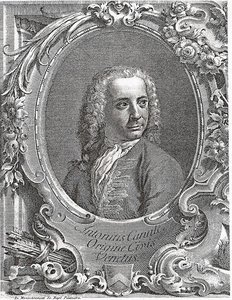
Canaletto
1697 - 1768 , İtalya
Kısa Bilgiler
- Doğum Tarihi: 18 Ekim 1697
- Doğum Yeri: Venedik, İtalya
- Etkilediği Sanatçılar: ['Tintoretto']
- Sanatsal Akım: Vedute Venedik
- Sanatçıyı Etkileyenler: ['Giovanni Pannini']
- Tam Adı: Giovanni Antonio Canal
- Uyruğu: İtalyan
- Ölüm Tarihi: 19 Nisan 1768
- Önemli Eserleri:
- Tasmaşçı Avlusu
- Grand Kanal Regatta
- Eton Koleji
İlgili Yazılar

The Enduring Legacy of Oil on Canvas: Technique, History & Aesthetic Impact
Explore the rich history & techniques of oil painting – from Renaissance masters to Impressionism. Discover pigments, layering methods, and why this timeless medium endures. Expert insights for artists & art enthusiasts.

Giovanni Antonio Canal (Canaletto): A Venetian Master of Light, Space & Societal Observation
Explore the life & art of Giovanni Antonio Canal (Canaletto), a Venetian master renowned for his breathtaking cityscapes. Discover his techniques, legacy, and captivating depictions of 18th-century Venice & London.

The Dramatic Flourish: Exploring the Baroque Movement's Enduring Legacy in Art History
Explore the dramatic world of Baroque art! Discover iconic artists like Caravaggio & Rubens, defining techniques, and its lasting impact on art history. Expert insights for collectors & enthusiasts at OriginalUniqueArt.

The Enduring Power of Painting: A Historical & Contemporary Exploration of Form and Emotion
Explore the rich history & enduring techniques of oil painting with OriginalUniqueArt. Discover masterpieces, learn about art collecting, and find authentic handmade reproductions crafted by skilled artists.

Barok Draması: Çağdaş İç Mekanlara Görkem ve Duygu Katmak
Barok sanatının görkemini evinize taşıyın! OriginalUniqueArt'ta el yapımı tablolar, uzman sanat danışmanlığı ve özel siparişlerle iç mekanlarınıza zarafet katıyoruz. Chiaroscuro tekniğiyle hayat bulan eserlerimizi keşfedin.
![Giovanni Antonio Canal (18 October 1697 – 19 April 1768), commonly known as Canaletto (Italian: [kanaˈletto]), was an Italian painter from the Republic of Venice, considered an important member of the 18th-century Venetian school.
Painter of cityscapes or](/media/artworks/images-thumb/64/c6/64c66546804a758e14b076f41bb43143.jpg)

