Northern Renaissance · 1598
Forest Landscape (Gillis Van Coninxloo, 1598)
Forest Landscape, Gillis Van Coninxloo (1544–1607) tarafından yapıldı. 1598 yılına aittir. Northern Renaissance akımına aittir. Oil On Panel ile yapılmıştır. Viyana, Avusturyadaki Liechtenstein Müzesi bünyesinde korunmaktadır. Boyutları 42 × 61 cm'dir.
- 1598
- Oil On Panel
- 42 × 61 cm
- Liechtenstein Müzesi, Viyana

 Gerçek Boyutta Önizle

 El Yapımı Yağlı Boya Tablo
 Paylaş
 Paylaş
 Bilgi formu


 İndir
 Benzer ürünler
 X-Işını
 Slayt Gösterisi
 Soru & Cevap

 İstatistikler
Forest Landscape hakkında kısa bilgi
- Başlık
- Forest Landscape
- Sanatçı
- Gillis Van Coninxloo (1544–1607)
- Sanatçının doğum yeri
- Anvers, Belçika
- Tarih
- 1598
- Teknik
- Oil On Panel
- Boyutlar
- 42 × 61 cm
- Nerede görülebilir
- Liechtenstein Müzesi, Viyana, Avusturya
- Dönem
- Early Modern
- Konu
- forest landscape, dark woods, path, village view, atmospheric, tranquility
Forest Landscape neyi betimliyor?
Identification of the Forest Landscape Artwork
The artwork titled Forest Landscape is a painting by the Flemish artist Gillis Van Coninxloo. Executed in 1598, this work is an oil on panel. The physical dimensions of the piece are 42 x 61 cm. It is currently held within the Liechtenstein Museum in Vienna, Austria.
This specific composition depicts a dense woodland environment. The scene features a winding path that leads into a thicket of trees. The foliage consists of various shades of green, while the trunks and branches create a heavy canopy overhead. In the background, a small village is visible through the gaps in the trees, providing a sense of distance within the forest setting.
The subject matter focuses on the natural world, specifically the textures of bark, leaves, and moss. A single, small human figure is positioned beneath a tree within the landscape. The composition utilizes a dark palette of browns, greens, and ochres to define the wooded area. Light filters through the upper branches, creating a contrast between the shadowed recesses of the undergrowth and the illuminated patches of the clearing.
Composition and Visual Elements
The composition is largely symmetrical, organized around a winding path that leads the eye toward the center of the image. This path cuts through a dense woodland, where the trunks and branches of trees intertwine to form a thick canopy overhead. Only a few small patches of sky are visible through the gaps in the foliage. Within this enclosed space, a single tiny human figure reclines beneath a tree, positioned near the center of the scene. The scale of the trees and the surrounding undergrowth dwarfs the figure, emphasizing the vastness of the natural environment.
Color is concentrated in the various hues of green found in the leaves and the mossy textures of the forest floor. These greens contrast with the dark browns and ochres of the tree trunks and the earth. In the background, a small village is visible through the trees, providing a sense of distance and depth. The lighting creates a chiaroscuro effect, with strong contrasts between the deep shadows of the thickets and the light that filters through the canopy onto the path and the reclining figure.
Technique and Artistic Style
The artist utilized oil on panel to establish a sense of depth and a tangible texture across the surface. The application of paint likely involves multiple layers and glazing, a method used to achieve a specific luminosity within the darker sections of the composition. This technique allows light to appear as though it is filtering through the canopy, creating a chiaroscuro effect through the deliberate placement of light and shadow. The resulting atmosphere is defined by a palette of dark colors and a high degree of intricate detail.
The composition is built upon a dense arrangement of ancient oaks and thick undergrowth. There is a clear priority placed on the textural richness of the natural elements, specifically the bark of the trees, the individual leaves, and the presence of moss. These organic forms are rendered with meticulous care, contributing to the overall density of the woodland scene. The interplay of light and shadow defines the verticality of the trunks and the irregular shapes of the foliage, emphasizing the physical presence of the forest environment.
Artistic Influence and Legacy
Gillis Van Coninxloo occupied a central position in the evolution of Northern landscape art. His technical approach functioned as a bridge between the intricate traditions of Mannerism and the atmospheric depth characteristic of the early Baroque. Through his development of the forest landscape, he moved away from panoramic vistas toward intimate, enclosed woodland scenes. This shift prioritized the textural details of bark, leaves, and moss, often submerging small human figures within an expansive, detailed natural environment.
The influence of his method extended to several prominent painters of the period. Jan Brueghel the Elder and Pieter Schoubroeck were among those affected by his stylistic developments. His approach to dense, immersive woodland compositions also impacted the work of Roeland Savery and various other Flemish and Dutch landscape painters. This specific work, created about 1598, represents his technical skill and craftsmanship in rendering the natural world.
Forest Landscape adlı eseri hangi müze bünyesinde barındırmaktadır?
Liechtenstein Müzesi
Viyana, Avusturya
Viyana Barok İhtişamının Bir Mücevheri Viyana'nın tarihi Ringstraße hattının kalbinde yer alan Lihtenştayn Müzesi, koruduğu hazineler kadar eşsiz bir mekânda hayat buluyor. Görkemli Palais Liechtenstein bünyesinde konuk edilen müze, aristokratik zarafetin ruhuna ve Lihtenştayn Hanedanı'nın derin mirasına doğru sürükleyici bir yolculuk sunuyor. Ziyaretçiler bu saray yapısına yaklaştıkça, her altın varaklı saçaklılığın ve görkemli merdivenlerin imparatorluk prestijine dair hikâyeler fısıldadığı, geçmiş bir dönemin mimari ihtişamıyla karşılanıyorlar.


Forest Landscape için yüksek çözünürlüklü görseller

Kamu malı: sanatçı 1607 yılında vefat etmiştir.
Diğer boyutlar, kırpma seçenekleri ve alıntı bilgisi →Gillis Van Coninxloo, Forest Landscape (1598), Liechtenstein Müzesi. Kamu malı.
Forest Landscape hakkında sorular ve cevaplar
Gillis Van Coninxloo imzalı "Forest Landscape" eseri bugün nerede sergileniyor?
Gillis Van Coninxloo imzalı "Forest Landscape", Liechtenstein Müzesi, Viyana, Avusturya bünyesinde sergilenmektedir. Müze bilgisi reprodüksiyonları değil, eserin orijinalini ifade eder.
Gillis Van Coninxloo imzalı "Forest Landscape" hangi tarihte yapılmıştır?
Gillis Van Coninxloo imzalı "Forest Landscape", 1598 yılında yaratılmıştır.
Gillis Van Coninxloo imzalı "Forest Landscape" eserinde hangi teknik kullanıldı?
Gillis Van Coninxloo, "Forest Landscape" adlı eserinde Oil On Panel tekniğini kullanmıştır. Bu teknik, orijinal eserin maddi doğasını tanımlar.
Gillis Van Coninxloo imzalı "Forest Landscape" eserinin gerçek boyutları nedir?
"Forest Landscape" adlı eserin orijinal boyutları 42 x 61 cm ölçülerindedir. Orijinal boyutlar, bir reprodüksiyon boyutu seçerken yararlı bir referans niteliğindedir.
"Forest Landscape" neyi betimliyor?
"Forest Landscape" eserinin konuları forest landscape, dark woods, path, village view, atmospheric, tranquility, nature scene, 16th century şeklindedir.
"Forest Landscape" eseri kamu malı mı?
Telif hakkı açısından, "Forest Landscape" eseri kamu malıdır - telif hakkı süresi dolmuştur statüsündedir.
"Forest Landscape" eserinin yaratıcısı kim?
"Forest Landscape", Gillis Van Coninxloo tarafından yaratılmıştır. Bu sayfadaki bilgiler Gillis Van Coninxloo imzalı orijinal esere aittir.
"Forest Landscape" hangi sanat akımına aittir?
"Forest Landscape", Northern Renaissance akımına ait bir eserdir. Bu akım, eserin dahil olduğu sanatsal geleneği ifade eder.
"Forest Landscape" adlı eser, Gillis Van Coninxloo'in sanat kariyerinin hangi dönemini temsil ediyor?
Gillis Van Coninxloo'in kariyerinde "Forest Landscape", Late 16th Century dönemine denk gelmektedir. Bu evre, eserin sanatçının diğer çalışmalarıyla kıyaslanmasına olanak tanır.
Sanatçı hakkında, Gillis Van Coninxloo
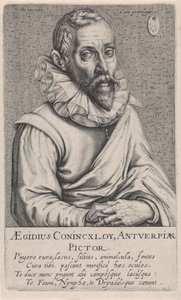
1544–1607, Belçika
Gillis Van Coninxloo
Yeşil Dünyanın Ustası Gillis Van Coninxloo, karmaşık Maniyerist gelenekler ile erken Barok döneminin filizlenen atmosferik derinliği arasında hayati bir köprü görevi görerek, Kuzey peyzaj sanatı evriminde kilit bir figür olarak öne çıkar. Belçika'nın Anvers kentinde doğan sanatçının yaşamı, Alçak Topraklar'ın zengin sanatsal mirasıyla derinden iç içe geçmiştir. Bir ressamın oğlu olarak, zanaatkârlığın ve doğal gözlemin her şeyin üzerinde tutulduğu bir dünyada yetişmiştir. Pieter Coecke van Aelst'in Oğlu ve Lenaert Kroes gibi ustaların yanında aldığı ilk eğitim ona sağlam bir temel kazandırmış; ancak yeteneğinin asıl çiçek açmasını sağlayan, Gillis Mostaert'in atölyesinde geçirdiği süre olmuş, bu sayede hem profesyonel çalışmalara katkıda bulunmuş hem de kendine özgü vizyonunu geliştirmiştir.
Gillis Van Coninxloo Hakkında Gillis Van Coninxloo tarafından yapılmış öne çıkan eserler
Gillis Van Coninxloo tarafından yapılan diğer eserler
 Jonah Preaching to the Ninevites1583
 Woodland with Saint Jerome1583
 Landscape with the judgment of Midas1598
 Landscape with the Judgement of Paris1610
Forest Landscape üzerine denemeler
 French Barbizon paintersMasterpieces by Théodore Rousseau and Daubigny define the Barbizon School. Explore the full collection online at OriginalUniqueArt.com.
 Enchanted Woodlands: 10 Masterpieces That Capture the Magic of the ForestExplore iconic forest art by Shishkin, Klimt, and Van Gogh. Discover museum-quality masterpieces on OriginalUniqueArt.com.
 Mastering the Horizon: An Art Historian’s Guide to the World's Most Iconic Landscape PaintingsExplore the profound history of landscape painting with our expert guide. From Impressionist light to Chinese traditions, discover the tech…